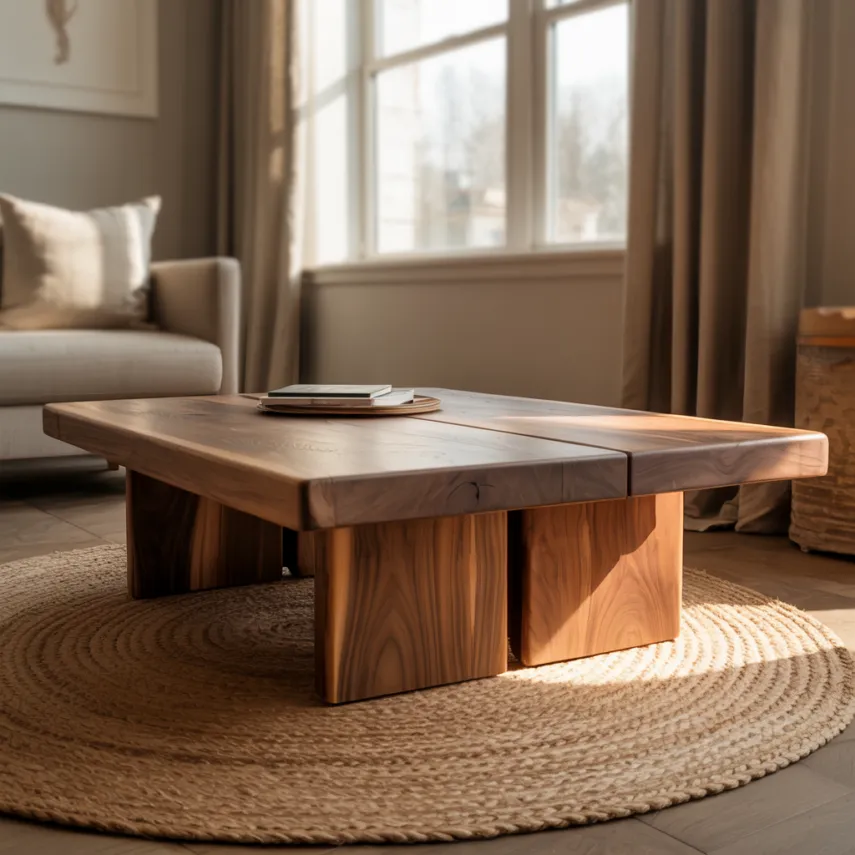
The cardboard boxes are gone, the mattress is finally off the floor, and the utility bills are arriving with your name on them. You step into your first apartment living room, coffee mug in hand, expecting that cinematic wave of adult accomplishment. Instead, a quiet, nagging unease settles in. The space feels off. It looks less like the curated sanctuaries you saved on Pinterest and more like an accidental furniture showroom where items were thrown together by sheer coincidence. Your roommate’s vintage armchair clashes with the budget-friendly gray sofa you impulse-bought online, the overhead flush-mount light casts a harsh, clinical glare, and the walls feel terribly, overwhelmingly empty.
This is the universal rite of passage for every first-time renter. You accumulated pieces out of necessity, grabbing what was cheap, available, or handed down by relatives, assuming that simply placing them inside four walls would automatically create a home. But interior styling is not a passive event. When a room lacks a deliberate sequence of assembly, spatial hierarchy, and grounding elements, it reads as visually chaotic to the human brain. You are left with a collection of objects rather than a cohesive environment.
Understanding why your space feels disjointed requires looking past the individual items and examining the underlying architecture of how rooms come together. Setting up a first apartment well is never purely a question of having a massive budget; it is a question of sequence, proportion, and editing. Design stylists and home editors consistently identify three root causes for emotional discord in new spaces: the total absence of a dominant anchor element, a reliance on flat, overhead-only lighting, and the mistake of buying decorative accessories before the spatial logic of the room has been firmly established.
The Anatomy of Visual Chaos in Rental Interiors
The human eye craves order, rhythm, and a focal point upon entering any architectural volume. When you walk into a room where every furniture piece fights for equal visual weight, your optic nerve experiences micro-fatigue. In typical first apartments, this visual clutter happens because renters buy items in isolation rather than considering the dialogue between them. A low-profile mid-century modern media console sits across from a bulky, overstuffed faux-leather recliner, while a tiny postage-stamp rug floats miserably in the center of the floor, touching none of the furniture. Nothing speaks the same design language, and the room feels fragmented.
Scale and proportion represent the invisible framework that dictates whether a space feels harmonious. Most first-time renters make the critical error of purchasing furniture that is either entirely too small—trying to overcompensate for a modest square footage—or awkwardly oversized because it was cheap on the secondary market. A tiny two-seater sofa paired with undersized end tables makes a living room look like a dollhouse, while a sprawling sectional chokes off the natural flow of traffic from the front door to the kitchen. Balance requires empty space just as much as it requires filled space, a concept known in design theory as negative space or breathing room.
Furthermore, the rental property itself often works against you. Standard neutral beige or "landlord gray" walls, cheap wall-to-wall carpeting or scarred synthetic laminate flooring, and generic white plastic window blinds provide zero architectural personality. Without intentional layers to counteract these sterile rental box characteristics, your belongings simply float against a blank backdrop. Overcoming this requires understanding that a room must be built in layers, starting with the heavy structural anchors and moving progressively down to the micro-details that inject human soul and narrative into the environment.
The Psychological Impact of Spatial Layout and Traffic Flow
A disjointed living room is rarely just an aesthetic failure; it is almost always a functional failure. How you move through a room dictates how comfortable you feel existing within it. If your coffee table is positioned three feet too far from the sofa, forcing you to stretch awkwardly to set down your glass, or if the main walking path cuts directly across the line of sight between the seating area and the television, your nervous system registers that friction. A well-designed room possesses an intuitive circulation path, guiding bodies naturally around functional zones rather than forcing them to navigate an obstacle course of misplaced furniture.
Psychologically, humans feel safest when their seating arrangements offer what environmental psychologists call "refuge and prospect"—the ability to see the room’s entrance while having a solid wall or substantial backing behind them. Floating a sofa awkwardly in the absolute center of a tiny open-plan apartment without a proper console table behind it or anchoring it with a substantial area rug leaves you feeling exposed and unsettled. Conversely, pushing every single piece of furniture flush against the perimeter walls turns your living room into an echoing gymnasium, killing intimacy and acoustic warmth.
Addressing these spatial dynamics demands a deliberate re-evaluation of your room’s focal points. Every living room needs a natural hero—whether that hero is an architectural feature like a large window with a view, a functional anchor like a media wall, or a conversational grouping of seating. When your furniture is arranged to honor that focal point rather than fighting against it, the entire room clicks into alignment. The energy of the space shifts from defensive and cluttered to grounded, intentional, and deeply welcoming.
The 4-Layer Framework for a Cohesive Living Room
Transforming a fragmented, chaotic apartment into a magazine-worthy sanctuary requires a strict adherence to the 4-Layer Framework. This methodology stops you from impulse-buying random decor items and forces you to build the room from the ground up, ensuring every single dollar spent serves a structural purpose. By following this sequential approach, you eliminate the guesswork that leaves so many first-time renters staring at their living rooms in frustration.
- Layer 1: The Architectural Anchors (The Foundation): Begin with the heavy-hitters that define the room’s layout. This includes your primary sofa, a properly sized area rug that anchors at least the front legs of your seating furniture, and a substantial media console or shelving unit. Do not move to decorative items until these pieces are locked into their optimal positions.
- Layer 2: Ambient and Task Lighting (The Atmosphere): Eradicate the harsh overhead rental flush-mount fixture completely. Introduce a minimum of three distinct light sources at varying heights—such as a statement floor lamp behind the sofa, a warm table lamp on a side surface, and a directional accent light. This creates pools of warmth and eliminates deep, harsh shadows.
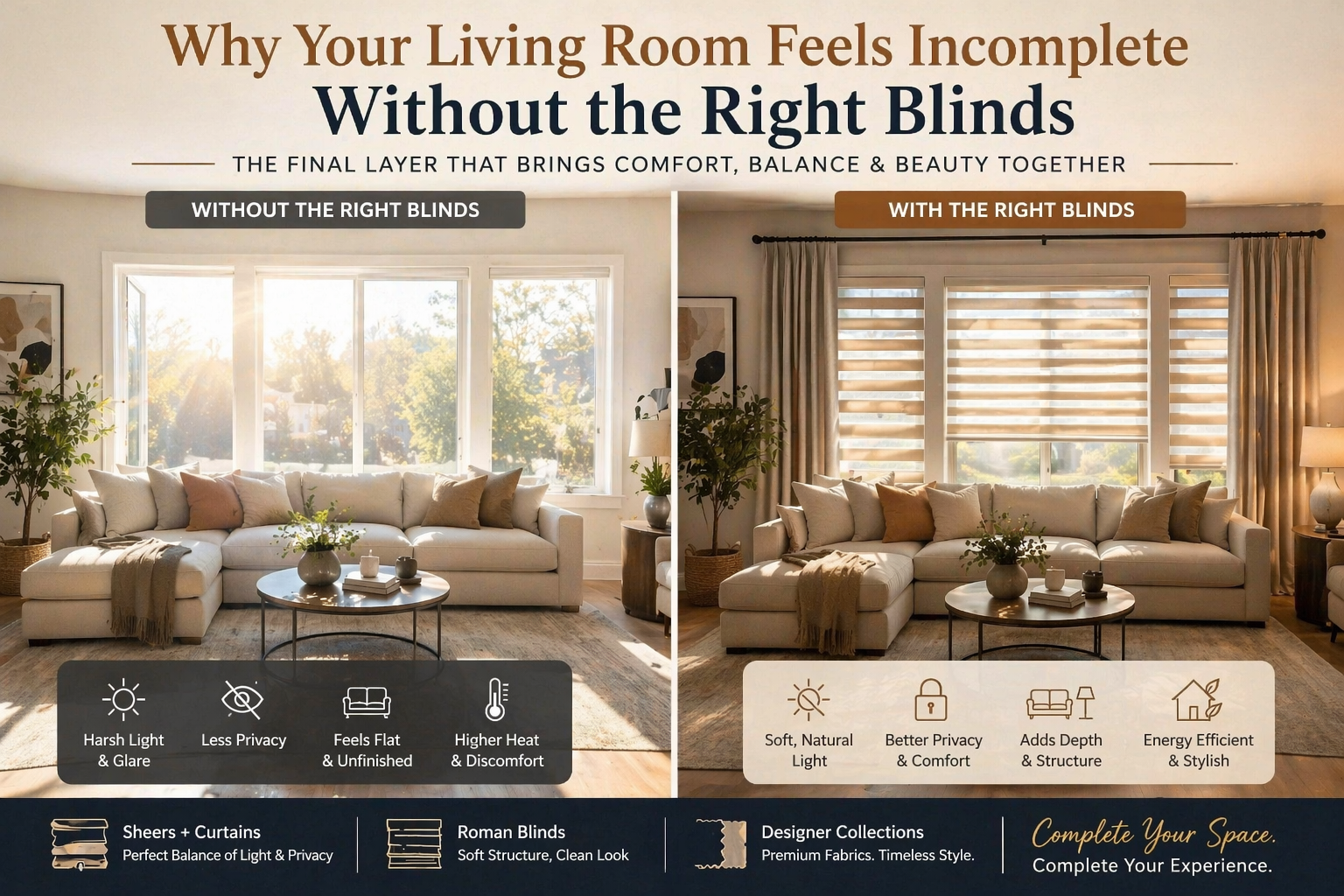
- Layer 3: Textiles, Softness, and Texture (The Tactile Dimension): Counteract the hard edges of your walls, floors, and wood furniture by introducing heavy textures. Layer in heavy linen or woven cotton curtains hung high and wide, a mix of throw pillows featuring contrasting fabrics like boucle, velvet, and raw linen, and a chunky knit throw blanket draped casually over an armchair.
- Layer 4: Personal Narrative and Art (The Soul): Only after the room is structurally and textually complete do you introduce personal objects. Hang large-scale art instead of scattering postage-stamp frames everywhere, display meaningful books vertically and horizontally on surfaces, and incorporate ceramics or organic elements like potted plants to breathe actual life into the space.
Common Pitfalls and Field-Tested Workarounds for First-Time Renters
Navigating the furniture-buying maze on a limited budget inevitably leads to classic traps. Recognizing these mistakes before you drop your hard-earned money saves you from regret and clutter. Here is how seasoned interior stylists advise renters to sidestep the most common traps when pulling a living room together.
- Pitfall 1: The Postage-Stamp Area Rug Mistake: Buying an inexpensive 4×6 rug because it fits your budget, resulting in a rug that floats disconnectedly in the middle of the floor with zero furniture touching it. Workaround: Save up for a proper 8×10 or at least a 6×9 rug where the front legs of all major seating pieces rest securely on the fabric, immediately expanding the visual boundaries of the room.
- Pitfall 2: Relying Solely on Overhead Lighting: Living with the harsh, sterile builder-grade ceiling light because floor and table lamps feel like an unnecessary extra expense. Workaround: Invest in smart LED bulbs placed in affordable thrifted lamps or plug-in wall sconces that require zero hardwiring, instantly shifting the room’s color temperature to a cozy 2700K warm glow.
- Pitfall 3: The Matching Set Trap: Buying a complete matching living room set (sofa, loveseat, coffee table, and end tables all from the exact same store collection), which instantly makes your home look like a generic corporate furniture catalog. Workaround: Mix eras and materials. Pair a clean-lined modern sofa with a vintage wooden coffee table and a metal industrial side table to build authentic character.
- Pitfall 4: Hanging Art at Eye-Level for a Standing Person: Mounting every single frame too high on the wall because you hung them while standing up, disconnecting the art from the furniture below it. Workaround: Hang the center of your artwork at roughly 57 to 60 inches from the floor, or ensure art pieces hung above a sofa sit roughly 6 to 8 inches above the top cushion line.
- Pitfall 5: Cluttering Surfaces with Tiny Knick-Knacks: Buying dozens of tiny, cheap decor items from fast-retail bins that create visual noise rather than a curated look. Workaround: Edit ruthlessly. Group smaller items onto a decorative tray or book stack, following the rule of odd numbers, and leave plenty of flat surface area completely bare.
The Long-Term Economic and Aesthetic Value of Intentional Living
Viewing your first apartment living room as a temporary phase that doesn’t deserve investment is a costly mistake. The choices you make now regarding furniture quality, spatial planning, and material selection ripple directly into your future living situations. Buying flat-pack furniture built from cheap particle board that falls apart during your first move-in cycle is an expensive cycle of waste. Shifting your mindset toward buying fewer, higher-quality, multi-functional pieces that can adapt to different floor plans ensures your initial investment pays dividends for years to come.
Furthermore, curating a calm, grounded home environment pays massive psychological dividends in an era of relentless digital overload. When you step through your front door after a long workday, your living room should act as a decompression chamber. A cohesive, well-lit, and intentionally styled space lowers cortisol levels, promotes mental clarity, and fosters a sense of personal agency and pride. It transforms a basic legal rental agreement into an authentic personal domain.
As sustainability and mindful consumption take center stage in modern home design, first-time renters are increasingly moving away from disposable fast-furniture trends. Sourcing vintage pieces, investing in solid wood basics that can be refinished, and prioritizing modular designs that grow or shrink to fit your next lease represent a smarter, financially bulletproof approach. Your first apartment is not a rehearsal for real life; it is the laboratory where you discover your personal aesthetic values and build the foundational habits of intentional living.
Strategic Action Plan and Your Living Room Transformation Checklist
Bringing your disjointed living room together does not require executing a massive financial overhaul overnight. It demands a disciplined, step-by-step triage of what is currently wrong and a targeted checklist of what to fix first. By treating your apartment setup as a strategic design project rather than an ongoing chore, you can systematically eliminate visual clutter and establish total harmony.
- Step 1 (The Great Purge): Remove every single item from the living room that does not serve a direct functional or emotional purpose. Start with a completely blank slate so you can clearly see the room’s raw architectural dimensions.
- Step 2 (The Rug Protocol): Measure your seating area and lay down a correctly proportioned area rug that anchors your primary furniture grouping, instantly defining the conversation zone.
- Step 3 (Lighting Overhaul): Unplug and banish the overhead light switch from your daily routine. Set up at least three warm-toned floor and table lamps to create vertical layers of illumination throughout the evening.
- Step 4 (Textural Interventions): Add heavy woven curtains hung close to the ceiling line, layer tactile throw pillows onto your sofa, and introduce a structured coffee table to anchor the center of the room.
- Step 5 (The Final Editorial Pass): Hang large-scale artwork at the correct eye level, introduce a single large statement plant for organic life, and box up any remaining clutter that fails to contribute to the overall visual peace of the room.
The journey from a chaotic collection of mismatched boxes to a deeply cohesive, soul-nourishing home is one of the most satisfying transformations of early adulthood. That nagging feeling of disjointedness in your first apartment living room was never a personal failure of taste; it was simply the natural byproduct of building a space without a structural blueprint. Once you understand the mechanics of scale, layering, lighting, and focal anchoring, the mystery of interior styling vanishes.
As you settle into your newly harmonized space, remember that a home is never truly finished on move-in day. It is an evolving, living organism that breathes and shifts alongside you. Give yourself the grace to let your apartment evolve slowly over seasons and years, prioritizing quality, intention, and personal narrative over instant gratification. By mastering these fundamental design principles now, you ensure that every apartment you call home in the future will instantly feel grounded, intentional, and unmistakably yours.