You know that feeling. You walk into your living room after a long day, hoping for a hug from your home, but instead, you get… silence. Not the quiet kind. The visual kind. The space looks fine. The sofa is there. The rug is straight. The coffee table holds a stack of magazines. But it feels hollow. Like a stage set waiting for actors who never show up. It’s frustrating, isn’t it? You’ve spent money. You’ve picked colors that look good on Pinterest. Yet, something is missing.
It’s not more furniture. It’s not a bigger TV. It’s texture. Or rather, the lack of it. In 2026, we’re seeing a huge shift away from the ultra-minimalist, sterile looks that dominated the early twenties. People are craving spaces that feel lived-in, tactile, and warm. We want rooms that invite us to sink in, not just stand around. If your space feels flat, it’s likely because everything is speaking in the same visual volume. Smooth walls, smooth floors, smooth fabric. It’s like listening to a song played on a single note. Boring. Unfinished. Let’s fix that.
The Invisible Ingredient That Makes a Room Feel Alive
Think about your favorite sweater. Maybe it’s chunky knit wool, or soft cashmere, or even a worn-in cotton tee. You don’t just look at it; you feel it. That connection is what’s missing in a flat room. Texture is the invisible ingredient that turns a house into a home. According to recent design insights from sources like Home Decor Bliss, if a room feels unfinished, it’s almost always lacking these crucial layers. It’s not about perfection. It’s about feeling at home.
When we talk about texture, we aren’t just talking about fluffy pillows. We’re talking about the interplay of surfaces. How light hits a rough linen curtain versus a sleek glass vase. How your bare feet feel on a jute rug compared to hardwood. Interior designer Lindley Arthur, quoted in Homes & Gardens, puts it perfectly: layering texture is essential for creating a space that feels warm, personal, and truly alive. Without it, even the most expensive furniture looks cheap and impersonal. It’s the difference between a showroom and a sanctuary.
In 2026, the focus is on "honest materials." This means letting wood look like wood, stone look like stone, and fabric look like fabric. We’re moving away from high-gloss plastics and towards things that have a grain, a weave, or a bump. This shift isn’t just aesthetic; it’s psychological. Our brains crave variety. When a room has no textural contrast, our eyes slide off the surfaces without landing anywhere. We feel restless. Adding texture gives our eyes places to rest and explore. It creates depth perception, making a small room feel larger and a large room feel cozier.
Start with the Big Canvas: Floors and Walls
Before you buy another throw pillow, look at the biggest surfaces in your room. The floor and the walls. These are your foundation. If they are both smooth and uniform, you’re starting with a handicap. A common mistake is pairing sleek hardwood floors with flat, painted drywall and then wondering why the room feels cold. You need to break up that expanse. As noted by Clover Design Studio, these large pieces set the textural foundation. A jute rug reads completely differently than a flat-weave cotton one, even if they are the same color.
Start with the floor. If you have hard flooring, a rug is non-negotiable. But not just any rug. Look for pile height variations. A shag rug adds softness and absorbs sound, making the room feel quieter and more intimate. A woven sisal or seagrass rug adds a rough, natural contrast that grounds the space. If you already have a rug, layer it. Put a smaller, patterned vintage rug on top of a larger neutral one. This instantly adds complexity and history to the room. It tells a story. It says, "I’ve collected this over time," rather than "I bought this all at once."
Now, look at your walls. White paint is classic, but it can be stark. Consider adding texture here too. You don’t need to knock down drywall. Try a limewash paint, which has a cloudy, mottled finish that catches the light beautifully. Or, add wood slats, beadboard, or even simple picture frame molding. These elements create shadows and highlights that change throughout the day as the sun moves. In 2026, wall treatments are having a major moment because they add architectural interest without clutter. If painting isn’t an option, hang a large textile tapestry or a macramé piece. Soften the hard edges of the room.
The Sofa Is Just the Beginning
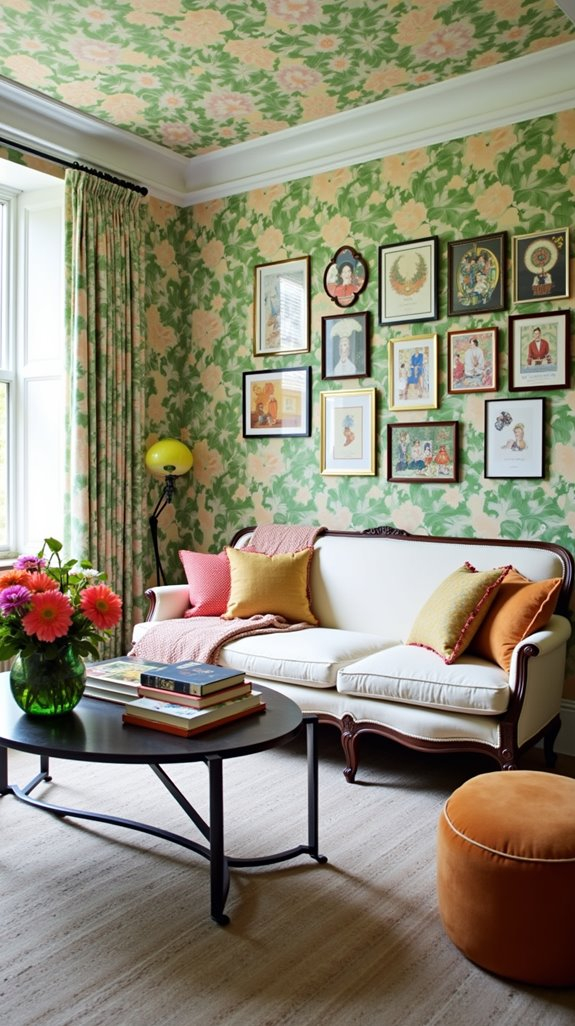
Your sofa is probably the biggest piece of furniture in the room. What is it made of? If it’s a sleek leather or a tight-weave microfiber, it’s visually "quiet." That’s fine, but it needs support. If your sofa is textured, like a bouclé or a heavy linen, it can stand alone a bit more, but it still needs companions. The key is contrast. If your sofa is smooth, your chairs should be nubby. If your sofa is plush, your tables should be hard and cool.
Think about the materials surrounding your seating. A glass coffee table reflects light and feels airy, but it can also feel cold. Pair it with a wooden side table that has a visible grain. The warmth of the wood balances the chill of the glass. Or, swap the glass for a stone or concrete table. The roughness of the stone against the softness of the sofa cushions creates a tension that is visually interesting. This is what designers mean by "balance." It’s not about matching; it’s about complementing.
Don’t forget the vertical space around your seating. Bookshelves filled with books offer a great mix of textures—the paper pages, the hard covers, the wood shelves. If you don’t have bookshelves, consider a large plant. A fiddle leaf fig or a monstera adds organic, irregular texture that no manufactured item can replicate. The leaves catch the light differently than fabric or wood. They breathe. In a room that feels empty, life is the ultimate texture. A few well-placed plants can make a space feel inhabited and vibrant.
The Magic of Mixed Metals and Hard Surfaces
We often think of texture as soft things, but hard surfaces play a huge role too. Metals, ceramics, glass, and stone all have distinct textures. The problem arises when we use only one type. For example, if all your hardware, lamps, and table legs are polished chrome, the room will feel slick and distant. In 2026, the trend is toward mixed metals and matte finishes. Brushed brass, aged copper, and blackened steel offer a tactile quality that polished surfaces lack.
Look at your lighting. A lamp with a ceramic base that has a crackle glaze adds a wonderful subtle texture. The light reflecting off the uneven surface creates a warm, dappled glow. Compare that to a smooth plastic lamp base, which does nothing for the ambiance. Swap out generic switch plates for ones with a bit of character—maybe brass or wood. These are tiny details, but they add up. They signal that care was taken in every corner of the room.
Ceramics are another easy win. A few handmade bowls on your coffee table or shelf can add weight and presence. Look for pieces with thumbprints or irregular shapes. These imperfections are what make them feel human. A perfectly symmetrical factory-made vase feels cold. A slightly lopsided clay pot feels like it was made by hands. That connection to humanity is what fills the emotional emptiness in a room. It’s not about clutter; it’s about curating objects that have a voice.
Soft Layers: The Quickest Fix for Cold Spaces
If you want the fastest way to warm up a room, reach for textiles. Throws, pillows, and curtains are the low-hanging fruit of interior design. But here’s the catch: don’t just buy a set of matching pillows. That looks staged. Instead, mix fabrics. Combine a chunky knit throw with a silk pillow. Pair a velvet cushion with a linen one. The contrast between the shiny silk and the matte linen, or the soft velvet and the rough knit, is what creates visual richness.
Curtains are often overlooked. Many people leave their windows bare or use thin, cheap blinds. Heavy, floor-length curtains in a natural fabric like linen or cotton canvas add massive amounts of texture to the vertical planes of the room. They soften the acoustics, too. A room with hard surfaces echoes. A room with textiles absorbs sound, making it feel quieter and more peaceful. In 2026, we’re seeing a return to substantial window treatments that frame the view rather than hiding it.
Layering doesn’t stop at the sofa. Add a sheepskin or faux fur throw over the arm of a chair. Drape a lightweight gauzy scarf over a lampshade (safely, away from the bulb) to diffuse the light. Use a basket woven from seagrass to hold extra blankets. These items serve a function, but they also add layers of visual interest. They make the room look used and loved. A pristine room feels empty because it looks like no one lives there. Textiles are the evidence of life.
There is a fine line between textured and cluttered. You don’t want your room to feel chaotic. The goal is curated depth, not visual noise. How do you achieve this? By editing. Step back and look at your room. Are there too many patterns competing? If your rug is busy, keep your pillows solid. If your wallpaper is textured, keep your curtains simple. It’s a see-saw. When one side goes up, the other must go down.
Lighting plays a crucial role in how texture is perceived. Harsh overhead lighting flattens everything. It eliminates shadows, and without shadows, you can’t see texture. Use multiple light sources at different heights. Floor lamps, table lamps, and even candles create pools of light that highlight the bumps and weaves in your fabrics and walls. In the evening, turn off the big ceiling light. Let the lower lights do the work. You’ll be amazed at how much deeper and cozier the room feels.
Finally, remember that texture is personal. What feels cozy to one person might feel messy to another. Trust your instincts. If a room feels empty, add one textural element. Wait a day. See how it feels. Then add another if needed. It’s a process, not a race. As mentioned in Home Connect, introducing elements with natural warmth creates an inviting ambiance without overwhelming the room. You aren’t trying to impress anyone. You’re trying to comfort yourself. That’s the only metric that matters.
So, take a look around your living room today. Where is the smoothness? Where is the silence? Break it up. Add a rough basket. Hang a woven wall hanging. Throw a knitted blanket over the back of the sofa. Let the light catch the grain of the wood. Watch how the room changes. It won’t just look different. It will feel different. It will feel full. And isn’t that what we’re all looking for? A place that holds us. A place that feels complete.