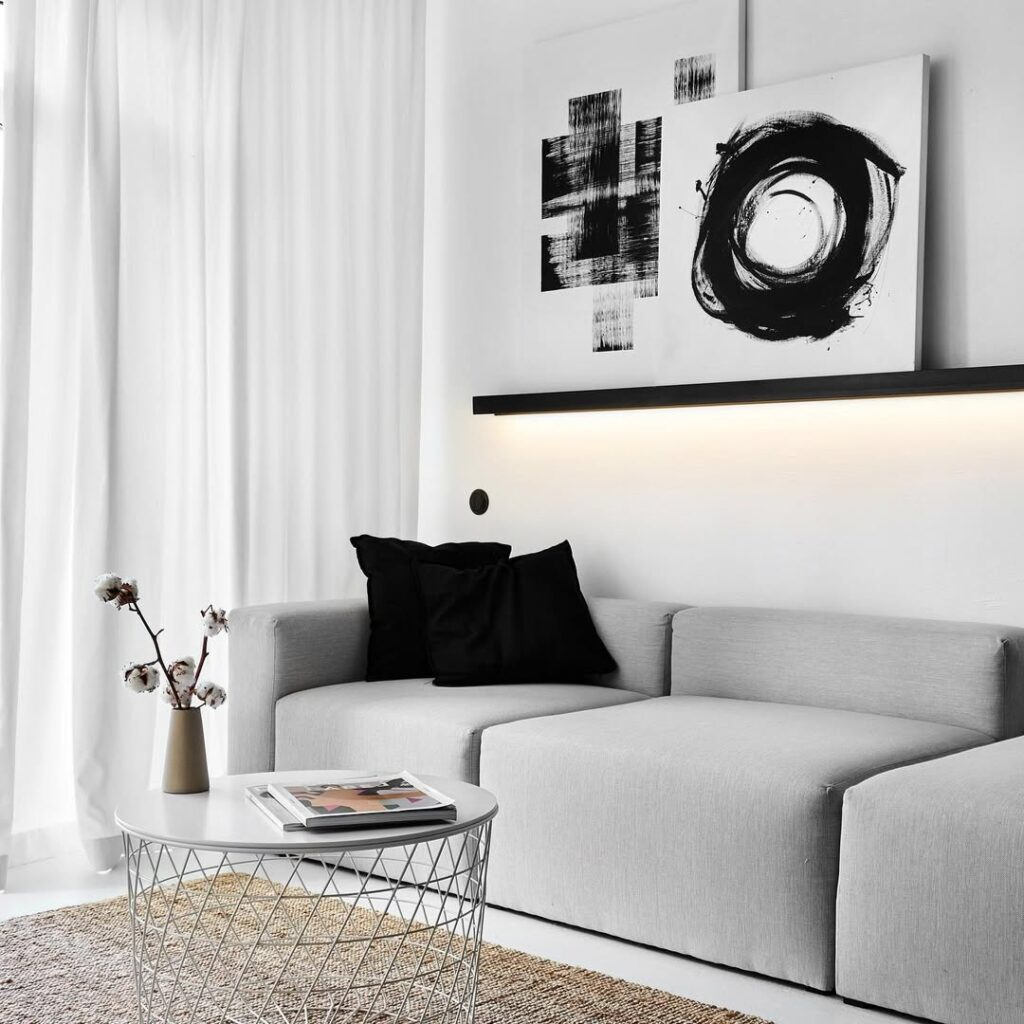
Have you ever walked into a room with super clean lines and zero clutter, only to feel like you just stepped inside a doctor’s office? It is a common trap. We see those gorgeous pictures online and want that calm vibe in our own homes. But then we actually live there, and the space feels kind of stiff and uninviting.
Minimalism is all about keeping things simple and functional. Yet, simple does not have to mean sterile. In 2026, interior design trends lean heavily toward spaces that breathe and heal us, balancing clean aesthetics with genuine soul. So how do we fix that chilly feeling? You do not need to buy a bunch of extra stuff or ruin your clean look. You just need a few clever adjustments to turn a stark box into a peaceful haven.
Play With Soft and Layered Textures
When you strip a room of extra furniture and bold colors, every single surface matters so much. If everything is smooth and flat, your eyes get bored and the room feels harsh. Layering different tactile elements changes the whole game instantly.
Think about swapping out a slick cotton throw for a chunky knit blanket or a faux fur rug. These pieces invite you to touch them. They catch the light differently and break up hard geometric lines.
Embrace Warm Neutral Tones
Color sets the mood faster than anything else. A lot of minimalist spaces rely on stark white or cool gray, which can quickly feel like a freezer if you are not careful. Shifting your palette just a tiny bit makes a massive difference.
Try leaning into creamy ivories, soft oatmeals, warm beiges, and earthy terracotta shades. These hues bounce natural light around the room in a gentle way. They wrap around you like a cozy sweater on a chilly morning, keeping the look clean while adding instant heart.
Bring the Outside In With Organic Materials
Nature has a special way of making any space feel lived-in and welcoming. Wood grains, woven rattan, stone, and raw clay bring rich imperfections that manufactured plastics just cannot fake.
A single heavy oak coffee table with visible knots or a tall leafy plant in the corner can completely ground a room. These organic touches remind us of the outdoors, softening the rigid corners of modern architecture and making the environment feel alive.
Layer Your Lighting Wisely
Lighting can make or break the vibe of a minimalist room. Overhead lights that are too bright or harsh will instantly kill any cozy atmosphere you are trying to build. Instead, think about lighting in layers.
Combine a soft floor lamp with a warm table light and a few candles. Using bulbs with a warm color temperature makes a huge impact. When shadows get soft and gentle, the whole room feels instantly safer and much more relaxed.
Introduce Meaningful and Personal Accents
Minimalism is not about living in an empty museum where nothing has a story. It is about keeping only the things that truly matter to you. A room filled with mass-produced decor feels empty, even if it is tidy.
Displaying just one or two cherished handmade ceramics or a framed travel photograph adds a human footprint to the space. These subtle focal points spark joy and anchor the room, proving that simplicity can still tell a deeply personal story.
Windows and floors are huge blank canvases that often get ignored. Bare glass and polished concrete floors bounce sound around and make a room feel hollow and loud. Adding soft elements fixes this problem fast.
Hang heavy linen curtains that pool slightly on the floor, and drop a plush, high-pile rug under your seating area. These fabrics absorb sound, making the space quieter, cozier, and much more comfortable to spend time in.
Creating a warm minimalist home is all about balance. You do not have to give up your love for clean spaces to feel comfortable. By mixing soft textures, warm tones, and natural elements, you can build a home that looks neat and feels like a warm hug at the end of a long day.