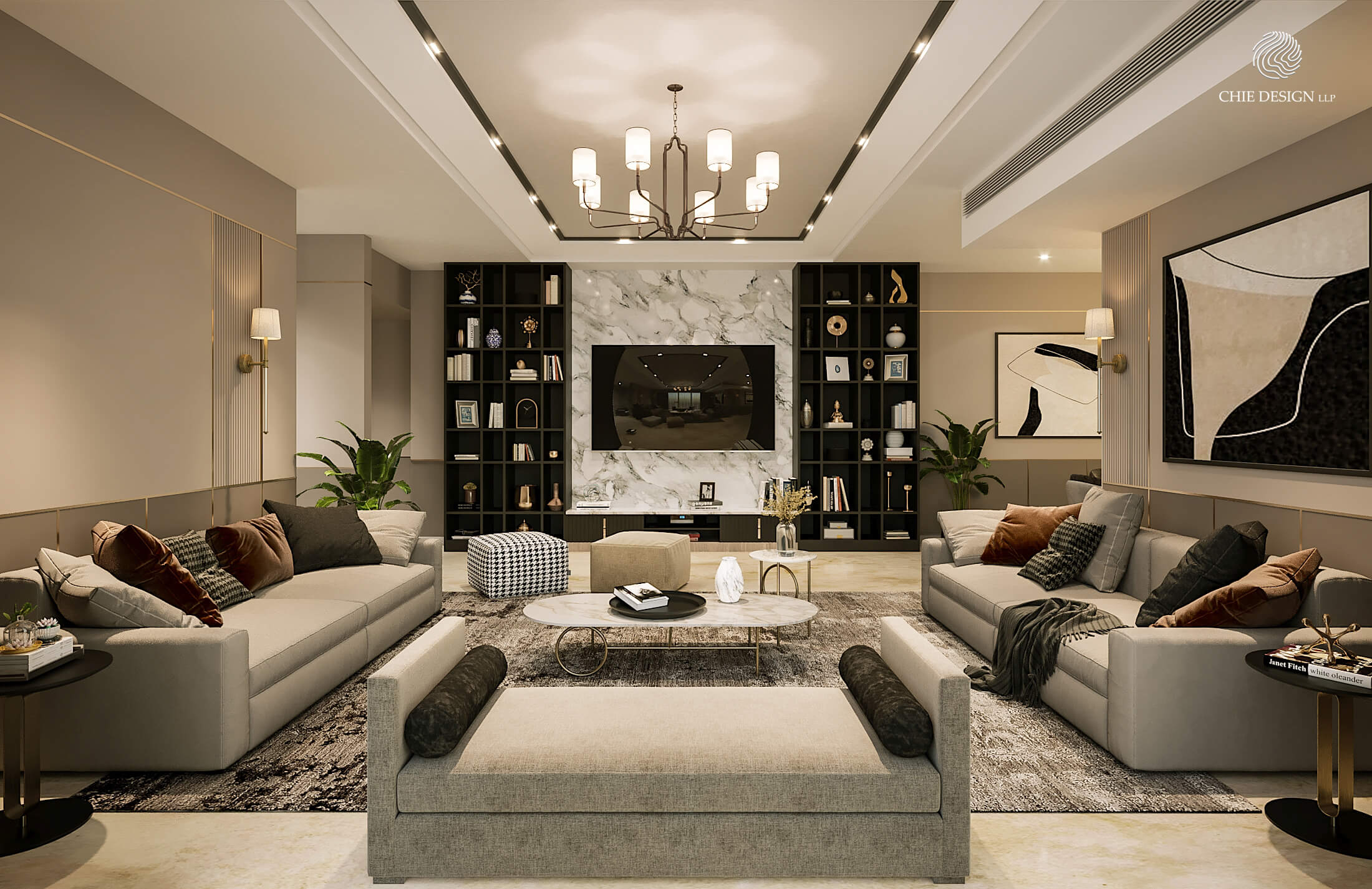
We’ve all been there. You walk into a showroom, the lighting is perfect, the music is low, and that sofa looks like it was carved from a cloud. The price tag? Staggering. But does it feel right? In 2026, the definition of luxury has shifted underneath our feet. It’s no longer just about the brand name stamped on the bottom or how much Instagram buzz a piece generates. People are tired of disposable chic. They want things that last. They want soul.
But how do you find it? How do you tell if that ten-thousand-dollar dining table is actually built to survive your family’s chaotic Sunday dinners for the next forty years, or if it’s just clever marketing wrapped in veneer? It’s tricky. The market is flooded with "luxury-washing," where mid-tier quality gets slapped with a high-end price tag. You have to look closer. Much closer. This isn’t about snobbery; it’s about respect for the materials and the hands that shaped them.
Let’s be honest, most of us aren’t trained carpenters. We don’t carry calipers to the furniture store. But you don’t need a degree in woodworking to spot the difference between something made with care and something made for speed. You just need to know where to look. And more importantly, you need to know what questions to ask. Because true craftsmanship whispers; it doesn’t shout.
Look Beyond the Surface: The Material Reality
First things first, touch everything. Seriously. Run your hand along the wood grain. Is it smooth, but can you still feel the texture of the tree? Or does it feel like plastic? In 2026, there’s a huge push for transparency in sourcing. Genuine luxury brands are proud of where their wood comes from. If they’re using solid hardwoods like walnut, oak, or cherry, they’ll tell you. They’ll show you the certification. Beware of pieces that are heavily lacquered to hide imperfections. A good finish enhances the wood; a bad one masks it.
Check the weight. This sounds obvious, but it’s surprising how often people forget. Pick up a chair. Lift the corner of a cabinet. Real quality has heft. It feels grounded. Lightweight furniture often means hollow cores, particle board, or thin veneers that won’t hold up to daily use. Of course, some modern designs use lightweight metals or composites intentionally, but even then, the construction should feel rigid and substantial, not flimsy. If it wobbles when you barely touch it, walk away. No amount of pretty fabric can fix a shaky frame.
Also, look at the underside. Flip over a cushion or peek under a table. What do you see? Raw, unfinished edges? Staples sticking out? Glue globs? These are red flags. A craftsman who cares about their work finishes the parts you don’t see just as carefully as the parts you do. It’s a sign of pride. In contrast, mass-produced items often cut corners on the hidden areas because "the customer won’t notice." But you will. Eventually. And that’s when the regret sets in.
The Joinery Secret: How It Holds Together
This is where the magic happens. Or rather, where the lack of magic becomes obvious. Joinery is how pieces of wood are connected. In cheap furniture, you’ll see lots of screws, nails, and staples. Maybe some dowels if you’re lucky. But in true luxury craftsmanship, you’re looking for traditional joints. Dovetails, mortise and tenon, finger joints. These interlocking methods create strength without relying solely on adhesives or metal fasteners.
Take a drawer, for example. Pull it out. Look at the corners. Do you see neat, interlocking pins? That’s a dovetail joint. It’s incredibly strong and allows the wood to expand and contract with humidity changes without cracking. If you see simple butt joints held together by screws, it’s not heirloom quality. It might last a few years, but it won’t last generations. And let’s be real, if you’re paying luxury prices, you want generational durability.
Don’t be afraid to test it. Gently wiggle a chair leg. Open and close doors. Do they align perfectly? Is there any squeaking? A well-built piece moves with silence and precision. The hinges should be soft-close and robust, not tinny and loose. The drawers should glide smoothly, even when fully loaded. These mechanical details are the heartbeat of the furniture. If the heart is weak, the body won’t survive long. It’s simple physics, really. Good joinery distributes stress evenly. Bad joinery creates weak points that fail under pressure.
Upholstery Details: The Tailoring Test
Fabric is easy to love until it pills, sags, or tears. When evaluating upholstered pieces, look at the stitching. Is it straight? Consistent? Are the seams tight? Luxury upholstery is tailored like a fine suit. The pattern should match at the seams. The fabric should be pulled taut, without wrinkles or bubbles, but not so tight that it distorts the shape. Look for double-stitching on high-stress areas. This shows the maker anticipated wear and reinforced it.
Feel the cushions. Are they down-filled, foam, or a mix? High-end pieces often use a core of high-density foam wrapped in down or feather blends. This gives support while maintaining that plush, sink-in comfort. Cheap foam flattens out quickly. Down alone can get lumpy. The blend is key. Also, check if the cushion covers are removable and washable. Life happens. Spills happen. A luxury piece should be beautiful, but it should also be livable. If the manufacturer makes it impossible to clean, they’re prioritizing looks over function.
Pay attention to the skirt, piping, and trim. Is the piping uniform? Does the skirt hang evenly? These small details require time and skill to execute properly. Rushed work shows in uneven hems and crooked lines. It’s subtle, but your eye will catch it even if your brain doesn’t immediately register why something looks "off." Trust that instinct. It’s usually pointing out a lack of discipline in the finishing process. And disciplined finishing is what separates truly luxury furniture from furniture that simply costs a lot.
Design Integrity: Timelessness Over Trends
Trends are fun, but they age poorly. Think about the avocado green appliances of the 70s or the shag carpets of the 80s. Luxury furniture should transcend these fleeting moments. When you’re choosing a piece, ask yourself: Will I still love this in ten years? Twenty? Does it have a classic silhouette, or is it trying too hard to be "current"? True craftsmanship respects proportion and balance. It doesn’t need gimmicks to stand out.
Look for design elements that serve a purpose, not just decoration. A curved armrest should fit the human body comfortably. A table height should be practical for eating or working. Form follows function, even in high-end design. If a piece looks amazing but is uncomfortable to sit on, it’s failed its primary job. Comfort is a critical component of quality. You can’t craft comfort if you don’t understand how people actually live.
Also, consider the scale. Does the piece fit your space, not just physically, but visually? A massive, ornate cabinet might be beautifully crafted, but if it overwhelms your room, it won’t feel luxurious. It’ll feel oppressive. Luxury is about harmony. The best pieces feel like they belong, as if they’ve always been there. They don’t scream for attention; they invite you in. This sense of ease is hard to fake. It comes from thoughtful design that considers the human experience, not just the photo op.
Sustainability and Ethics: The New Luxury Standard
In 2026, you can’t talk about luxury without talking about responsibility. Buyers are smarter now. They want to know who made their furniture and under what conditions. Was the wood harvested sustainably? Were the workers paid fairly? Is the finish non-toxic? These aren’t just nice-to-haves anymore; they’re essential markers of quality. A brand that cuts corners on ethics likely cuts corners on construction too.
Look for certifications like FSC (Forest Stewardship Council) for wood, or Greenguard for low chemical emissions. These labels aren’t just marketing fluff; they represent third-party verification of standards. Ask the retailer about their supply chain. A transparent company will happily share this info. A shady one will dodge the question. Support brands that invest in their communities and their environment. It feels better to own something that didn’t harm the planet or exploit people.
Plus, sustainable practices often lead to better quality. Using old-growth timber or reclaimed materials means working with wood that’s already proven its durability. Natural finishes age beautifully, developing a patina that tells a story. Synthetic alternatives might look perfect initially, but they often crack or fade unnaturally. Embracing sustainability isn’t just good for the earth; it’s good for your home’s aesthetic longevity. It’s a win-win, honestly.
Finally, listen to the story. Every piece of handmade furniture has one. Who designed it? Where was it made? What inspired the shape? When you buy from a true artisan or a heritage brand, you’re buying into a lineage. You’re connecting with decades, sometimes centuries, of accumulated knowledge. This provenance adds value that goes beyond money. It adds meaning.
Ask to meet the maker if possible. Or read their bio. Watch videos of the workshop. See the sawdust on the floor. See the tools worn smooth by use. This authenticity resonates. It makes the furniture feel alive. Mass-produced items have no story. They come from a factory line, identical to thousands of others. Handcrafted pieces have quirks. Slight variations in grain. Tiny tool marks. These aren’t flaws; they’re signatures. They prove a human touched this object.
And that’s the ultimate test. Does it feel human? Does it have warmth? Luxury isn’t cold. It’s not sterile. It’s rich, textured, and inviting. When you find a piece that speaks to you, that feels solid and true, hold onto it. Care for it. Pass it down. Because in a world of digital noise and disposable goods, owning something real is a radical act. It’s a reminder that quality still matters. That skill still counts. And that some things are worth waiting for.
So next time you’re shopping, slow down. Take your time. Touch the wood. Check the joints. Ask the hard questions. Don’t let the shine blind you. Look for the substance. Because true craftsmanship isn’t about showing off. It’s about standing the test of time. And isn’t that what we’re all really looking for? Something that lasts. Something that matters. Something real.