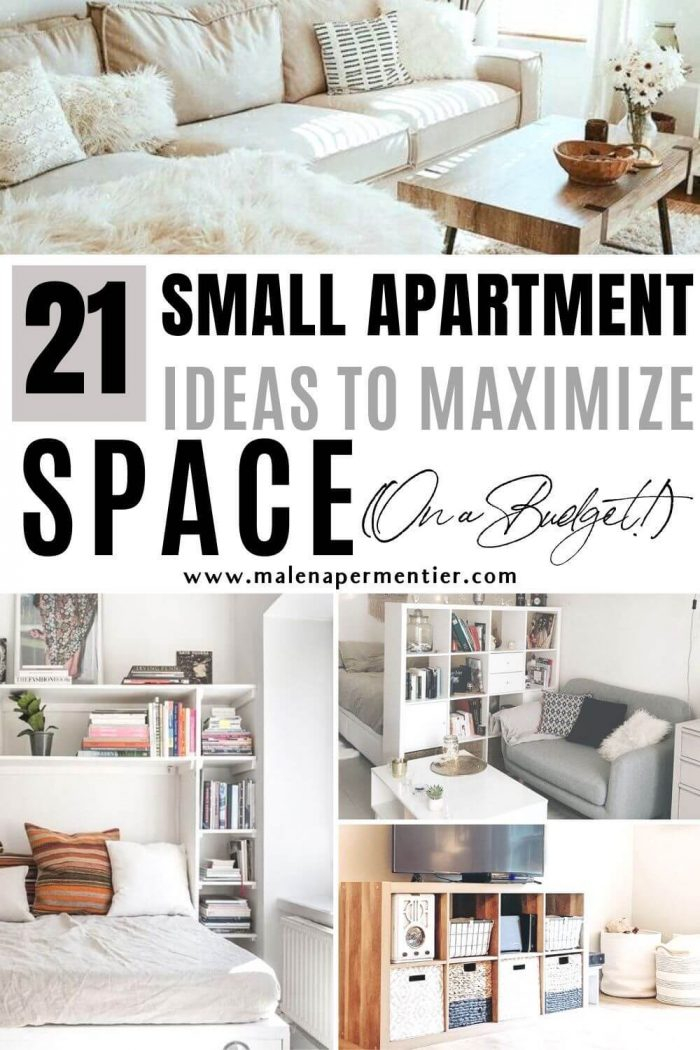
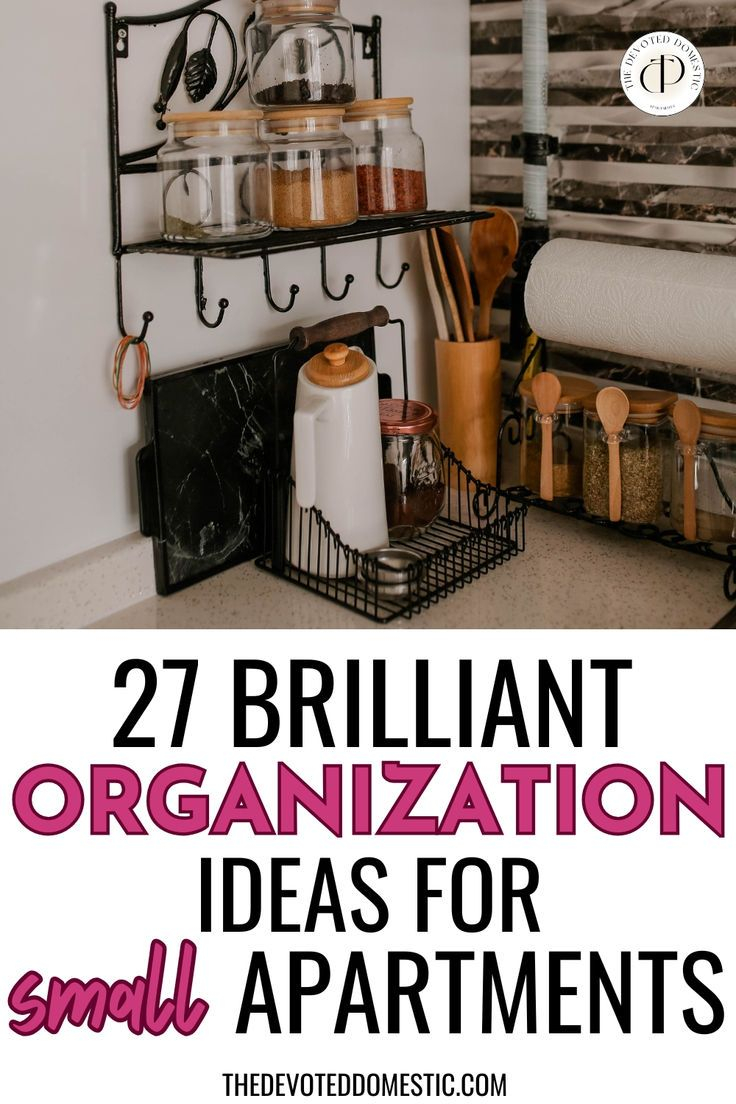
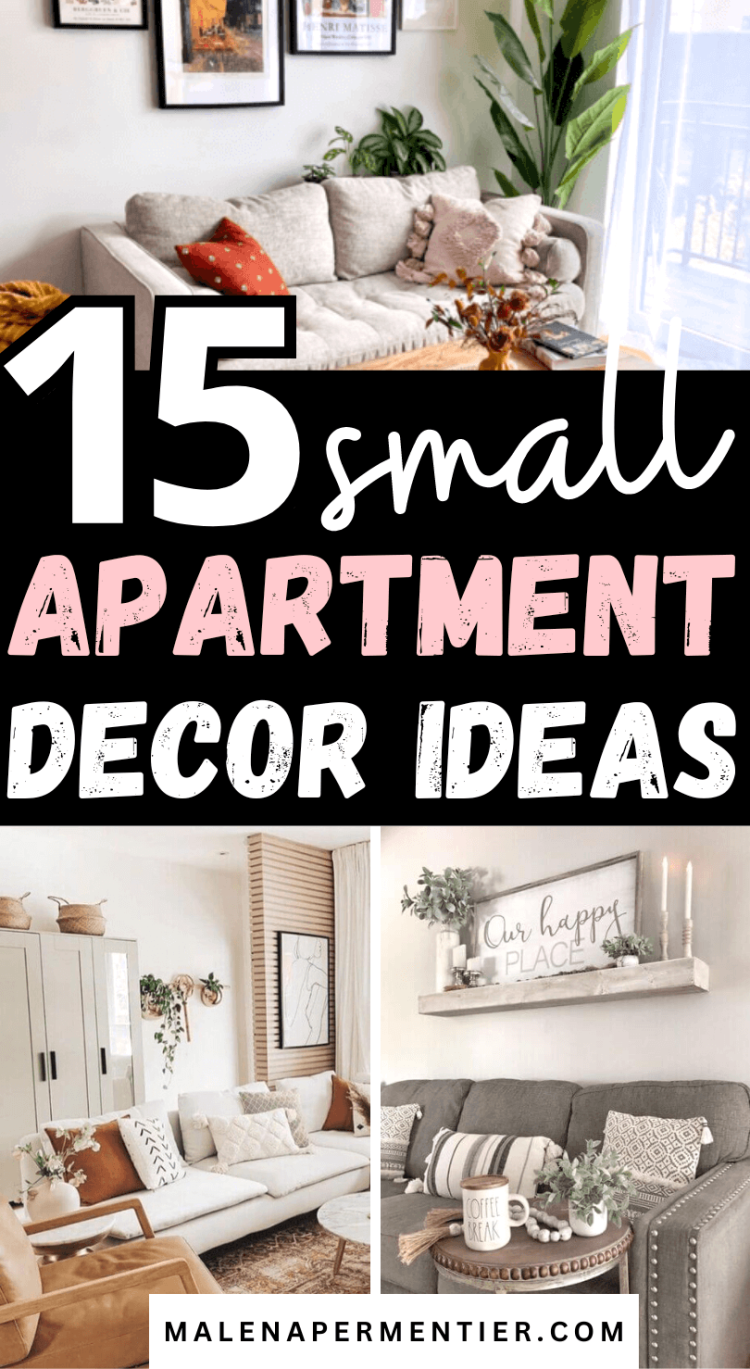
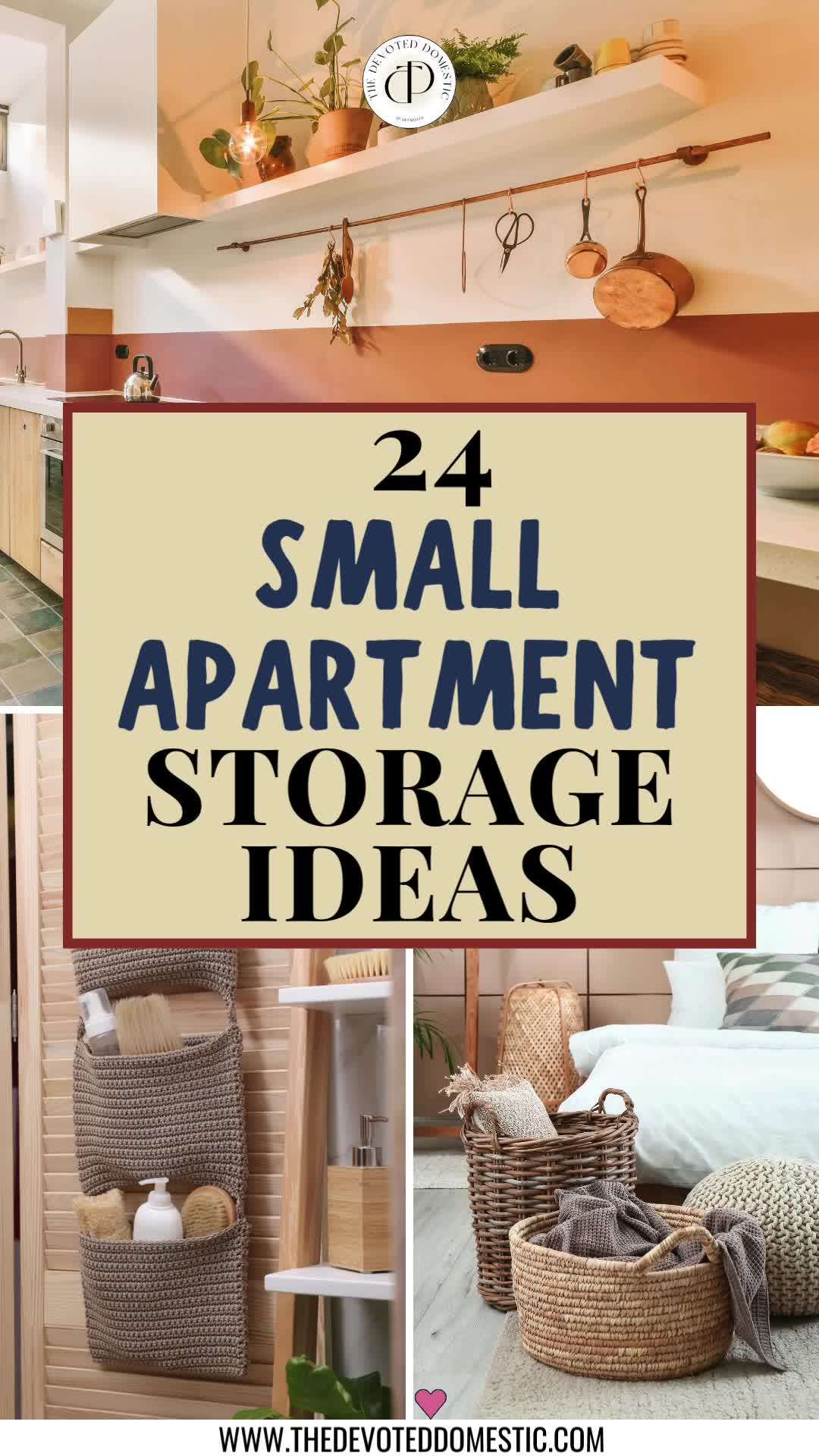
Living in a small space doesn’t mean you have to sacrifice style or sanity. We’ve all been there—staring at a closet that’s bursting at the seams, or tripping over shoes in a hallway that’s barely wide enough to walk through. It feels like the walls are closing in, right? But here’s the thing: square footage isn’t destiny. In 2026, the way we think about storage has shifted. It’s no longer just about shoving things into boxes; it’s about reimagining the empty air around us. It’s about seeing potential in corners we used to ignore.
You don’t need a massive budget or a contractor on speed dial to make this happen. Most of the best solutions are things you can build yourself with a trip to the hardware store and a free afternoon. Whether you’re renting a studio in the city or trying to make a cozy two-bedroom work for a growing family, these hacks are designed to be flexible, affordable, and actually useful. No fluff. Just real ideas that people are using right now to reclaim their homes. Let’s dive in and turn that clutter into calm.
Vertical Victory: Climbing the Walls for Space
When floor space is scarce, the only way to go is up. Seriously, look at your walls. They’re probably the most underused real estate in your entire home. In 2026, vertical storage isn’t just a trend; it’s a survival tactic for small living. Start by installing floating shelves above door frames. Most people stop at eye level, but that gap between the top of the door and the ceiling is prime territory for storing items you don’t need every day, like extra linens or holiday decor. It draws the eye upward, making the room feel taller and less cramped.
Another game-changer is the pegboard. Once relegated to garages, pegboards have had a major glow-up. You can paint them to match your wall color so they blend in, or go bold with a contrasting hue to make them a feature. Use them in the kitchen for pots and pans, in the office for supplies, or even in the entryway for keys and bags. The beauty of a pegboard is its flexibility. As your needs change, you just move the hooks. No new holes, no hassle. It’s storage that evolves with you. And if you’re worried about damaging rental walls, look for tension-mounted options or use heavy-duty command strips designed for lightweight boards.
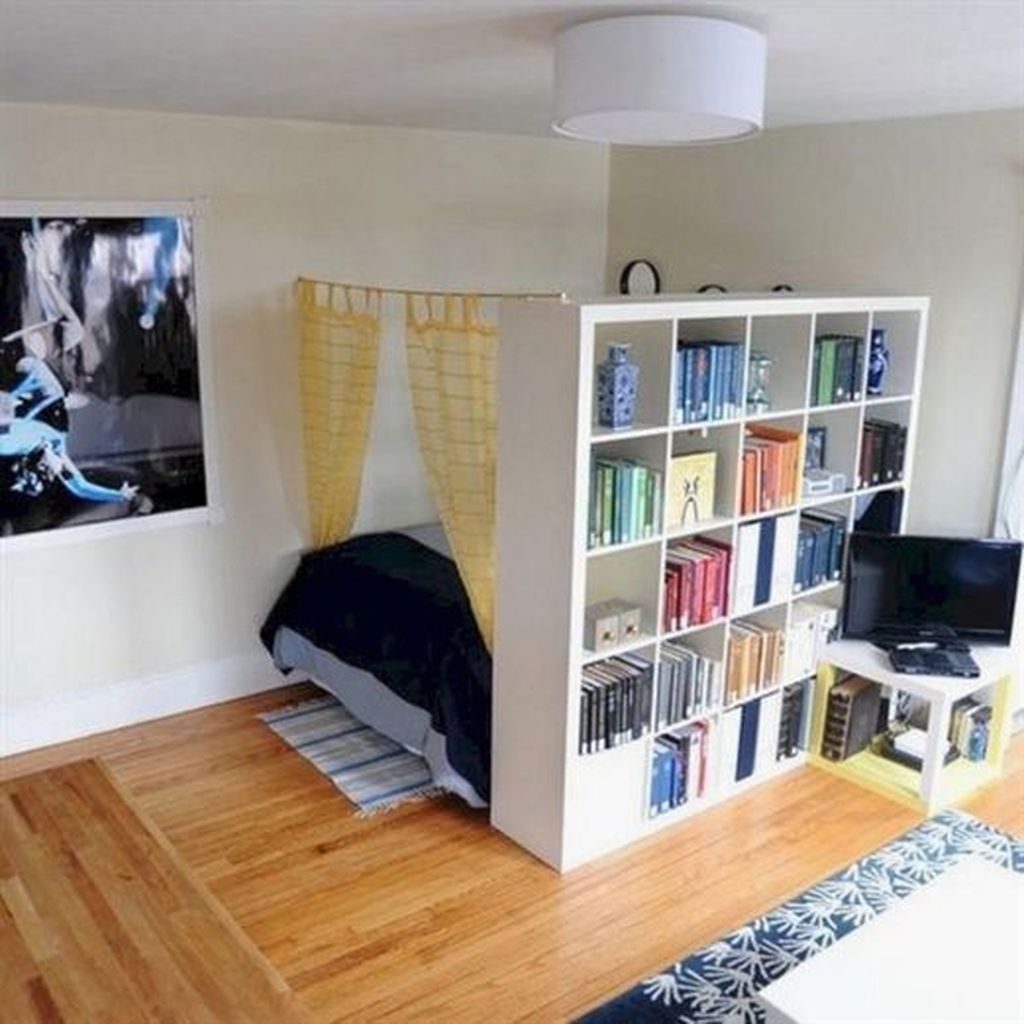
Don’t forget the power of tall, narrow bookcases. Instead of one wide unit that eats up floor space, try two slim towers. They hold just as much stuff but leave more room to breathe. You can anchor them to the wall for safety and stack bins or baskets on the lower shelves to hide the ugly stuff. This keeps the visual clutter down while maximizing capacity. Remember, the goal isn’t just to store things; it’s to keep the floor clear so your space feels open. Every item you lift off the ground is a win.
Hidden Gems: Utilizing Dead Zones and Corners
Corners are tricky. They’re often awkward, dark, and hard to reach, which is why they end up collecting dust bunnies instead of useful items. But with a little creativity, those dead zones can become some of the most functional spots in your home. Consider installing corner shelves that wrap around the angle. These are perfect for displaying plants, books, or decorative objects without protruding too far into the room. If you’re handy, you can build a custom corner cabinet that fits snugly into the space, providing enclosed storage for things you’d rather hide.
Under-stair storage is another classic hack that never gets old. If you have a staircase, the space underneath is essentially a built-in closet waiting to happen. You don’t need to do a full renovation to use it. Simple pull-out drawers or sliding bins can transform that dark cavity into a shoe repository, a pantry for dry goods, or a spot for cleaning supplies. For renters, freestanding units that fit under the stairs are a great alternative. They slide in and out easily and don’t require any permanent changes to the structure.
What about the space behind doors? It’s thin, sure, but it’s perfect for shallow storage. Over-the-door organizers aren’t just for shoes anymore. Hang one on the back of your bathroom door for toiletries and hair tools. Use another on the pantry door for snacks and spices. You can even install narrow racks on the inside of closet doors for belts, scarves, or jewelry. It’s all about using every millimeter. When you start looking at your home through this lens, you’ll see opportunities everywhere. That gap between the fridge and the counter? A slim rolling cart fits there perfectly. The side of your desk? Add a small shelf for notebooks. It adds up fast.
Multi-Functional Magic: Furniture That Does Double Duty
In a small space, every piece of furniture needs to earn its keep. If it only does one thing, it’s taking up too much room. That’s where multi-functional pieces come in. Ottomans with storage inside are a staple for a reason. They serve as footrests, extra seating, and hidden compartments for blankets or magazines. Look for ones with sturdy lids that can double as coffee tables when you add a tray on top. It’s three functions in one footprint. That’s efficiency.
Bed storage is another huge opportunity. If you don’t have a bed with built-in drawers, don’t worry. You can buy risers to lift your bed frame higher, creating space for large plastic bins underneath. Or, build a simple platform bed with lift-up hinges. This gives you access to a massive amount of storage space for off-season clothes, luggage, or extra bedding. Just make sure to label your bins clearly so you aren’t digging through everything to find your winter coat. A little organization goes a long way here.
Consider fold-down desks or tables. Wall-mounted drop-leaf tables can serve as a dining spot, a workspace, or a crafting station, and then fold flat against the wall when you’re done. This clears the floor completely, making the room feel spacious again. Pair this with folding chairs that tuck away in a closet or hang on hooks. It’s not about living with less; it’s about living smarter. You get the functionality when you need it and the space when you don’t. It’s a balance that makes small living feel luxurious rather than restrictive. And honestly, who doesn’t love a secret desk?
Kitchen and Bath: Taming the Tiny Essentials
Kitchens and bathrooms are the hardest rooms to organize because they’re packed with small, irregular items. But they’re also where smart storage makes the biggest difference. In the kitchen, magnetic strips are your best friend. Mount one on the wall or the side of the fridge to hold knives, spice tins, or even utensils. It clears up drawer space and keeps tools within easy reach. Inside cabinets, use tension rods to create dividers for baking sheets and cutting boards. It’s a cheap, no-drill solution that stops the avalanche every time you open the door.
Don’t ignore the inside of cabinet doors. Adhesive hooks or small racks can hold measuring cups, spoons, or even cleaning sprays. This utilizes the vertical space inside the cabinet, freeing up shelf space for larger items. For pantries, clear, stackable bins are essential. They let you see what you have at a glance and maximize vertical space by allowing you to stack items safely. Label everything. It sounds simple, but it saves so much time and frustration later.
In the bathroom, woven baskets mounted on the wall are a stylish and practical solution. As noted in recent design trends, securing them firmly with strong anchors ensures they can hold heavier items like towels without falling. This frees up counter space, which is often at a premium. Use shower caddies that hang from the showerhead to keep shampoo and soap off the tub ledge. Under the sink, use sliding drawers or tiered organizers to make use of the deep, awkward space around pipes. It’s about layering storage. Use the back for bulk items and the front for daily essentials. Keep it tidy, keep it simple.
Closet and Bedroom: Maximizing Every Inch
Closets are often a mess of wasted space. Most come with a single rod and a high shelf, leaving the rest of the volume unused. Fix this by adding a second rod below the first one. This doubles your hanging space for shorter items like shirts and pants. Use slim, non-slip hangers to save even more width. For shoes, hang a clear pocket organizer on the back of the door or install a slanted shelf system. Seeing your shoes makes it easier to pick them out and put them back, reducing clutter.
Under-bed storage is crucial in the bedroom. If you can’t raise your bed, use flat, rolling bins that slide underneath. These are perfect for out-of-season clothes or extra sheets. Another trick is to use the space above your headboard. Install a narrow shelf or a series of hooks for books, glasses, or phones. It keeps nightstands clear and creates a cozy, library-like vibe. If you have a small closet, consider removing the door and replacing it with a curtain. It saves the swing space and makes the closet feel less imposing.
For jewelry and accessories, think vertical. A standing jewelry tree or a wall-mounted rack with hooks keeps necklaces untangled and visible. Drawer dividers are essential for socks and underwear. You can make your own using cardboard boxes cut to size, or buy inexpensive plastic ones. The key is compartmentalization. When everything has a specific home, it’s easier to maintain order. And remember, donate what you don’t wear. Storage hacks work best when you’re not trying to store things you don’t need. Be ruthless. Your future self will thank you.
The entryway sets the tone for your home, but it’s often the first place clutter accumulates. A small bench with storage underneath provides a place to sit while putting on shoes and a spot to stash them away. Add hooks above the bench for coats and bags. If space is tight, use a slim console table with a basket underneath for mail and keys. Keep the surface clear except for a small bowl for essentials. This creates a landing zone that prevents stuff from spreading into the rest of the house.
In the living room, media consoles can be bulky. Opt for a wall-mounted TV unit with floating shelves below. This keeps the floor visible and makes the room feel larger. Use decorative boxes or baskets on the shelves to hide remote controls, cables, and games. It looks clean and intentional. For toys or hobbies, use ottomans or benches with lids. They provide seating and storage, keeping the main area free for movement.
Lighting can also play a role in storage perception. Use floor lamps with shelves or tables built into the base. This adds functional surface space without adding another piece of furniture. Mirrors are another trick. Placing a large mirror opposite a window reflects light and creates the illusion of depth, making the room feel bigger and less cluttered. It’s not storage, per se, but it helps the storage you have feel less overwhelming. The goal is to create flow. When you walk in, you should feel welcomed, not boxed in. Small tweaks make a big difference.
So, there you have it. Seventy-five ways to rethink your space, broken down into manageable chunks. It’s not about doing all of them at once. Pick one or two that resonate with your biggest pain points and start there. Maybe it’s the pegboard in the kitchen. Maybe it’s the under-bed bins. Small steps lead to big changes. The beauty of DIY is that you can adjust as you go. If something doesn’t work, tweak it. Try something else. Your home should serve you, not stress you out.
Remember, organization is a practice, not a one-time event. It takes a bit of maintenance to keep things running smoothly. But when you have systems in place that make sense for your life, it becomes second nature. You’ll spend less time looking for things and more time enjoying your space. And isn’t that what home is supposed to be? A place where you can breathe, relax, and be yourself. With these hacks, you’re well on your way to creating that sanctuary, no matter how small the footprint. Go forth and organize. You’ve got this.