You know that feeling when you walk through the door after a long day? The subway was packed, the emails kept piling up, and now you’re standing in your entryway, keys in hand, looking at a pile of shoes and a coat draped over a chair. It’s not exactly the "oasis" the magazines promise, is it? For us city dwellers, home isn’t just a place to sleep. It’s our office, our gym, our dining room, and our sanctuary all rolled into 600 square feet.
The challenge isn’t just making it look good. It’s making it work. Hard. We don’t have the luxury of spare rooms for guests who rarely visit or dedicated libraries for books we’ve already read. Every inch has to pull its weight. But here’s the secret: functionality doesn’t have to mean sterile. You can have a space that handles the chaos of modern life and still feels warm, inviting, and undeniably you. It’s about bridging that gap between a showroom and a real home.
Let’s be honest. Most advice out there ignores the reality of busy schedules. Who has time to fluff pillows every morning? This guide is different. It’s for the person who wants their apartment to feel like a breath of fresh air, not another item on their to-do list. We are talking about smart choices, dual-purpose furniture, and design tricks that hide the mess while highlighting the beauty. Ready to transform your box in the sky? Let’s dive in.
The Art of the Double-Duty Furniture Piece
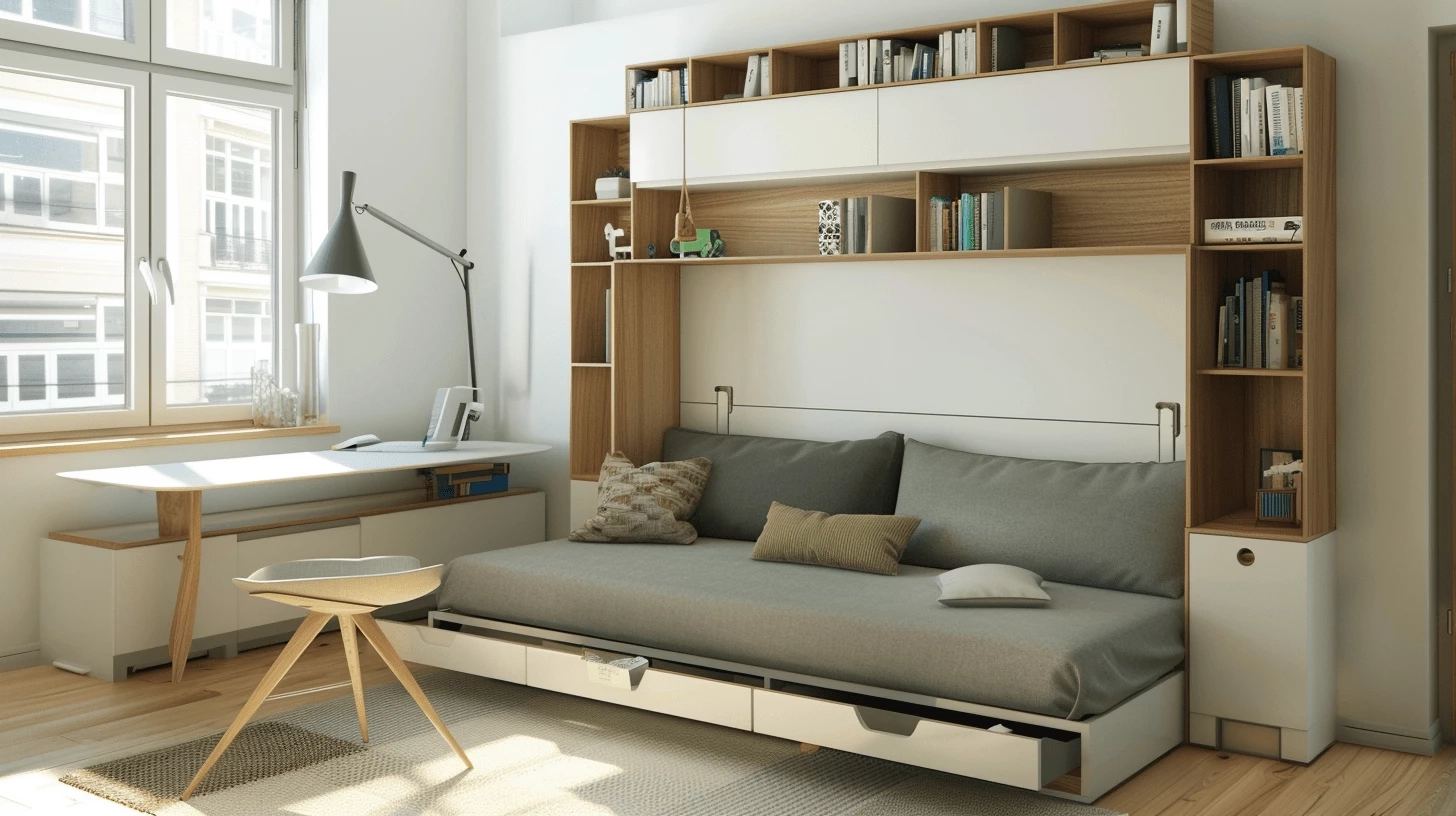
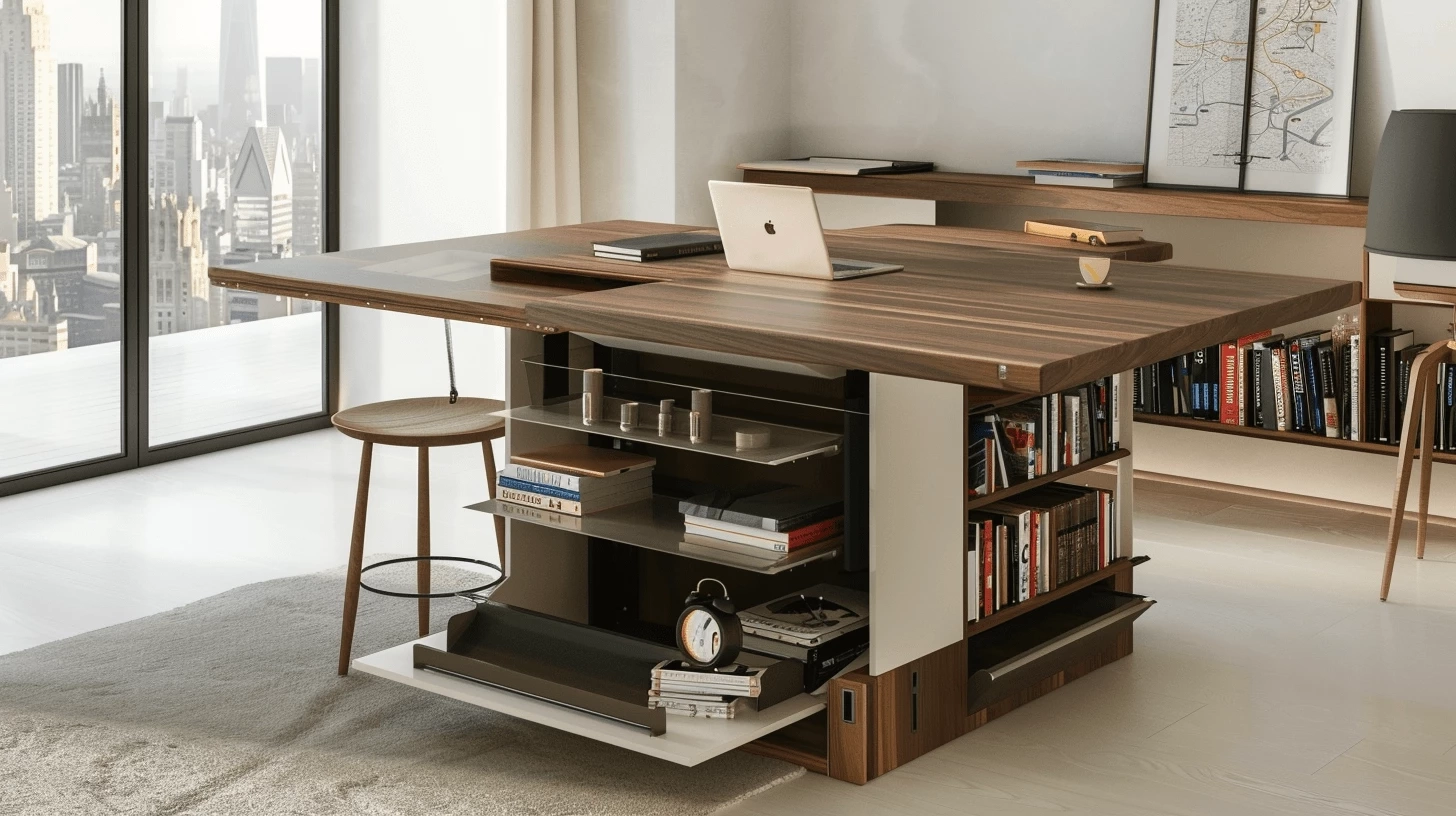
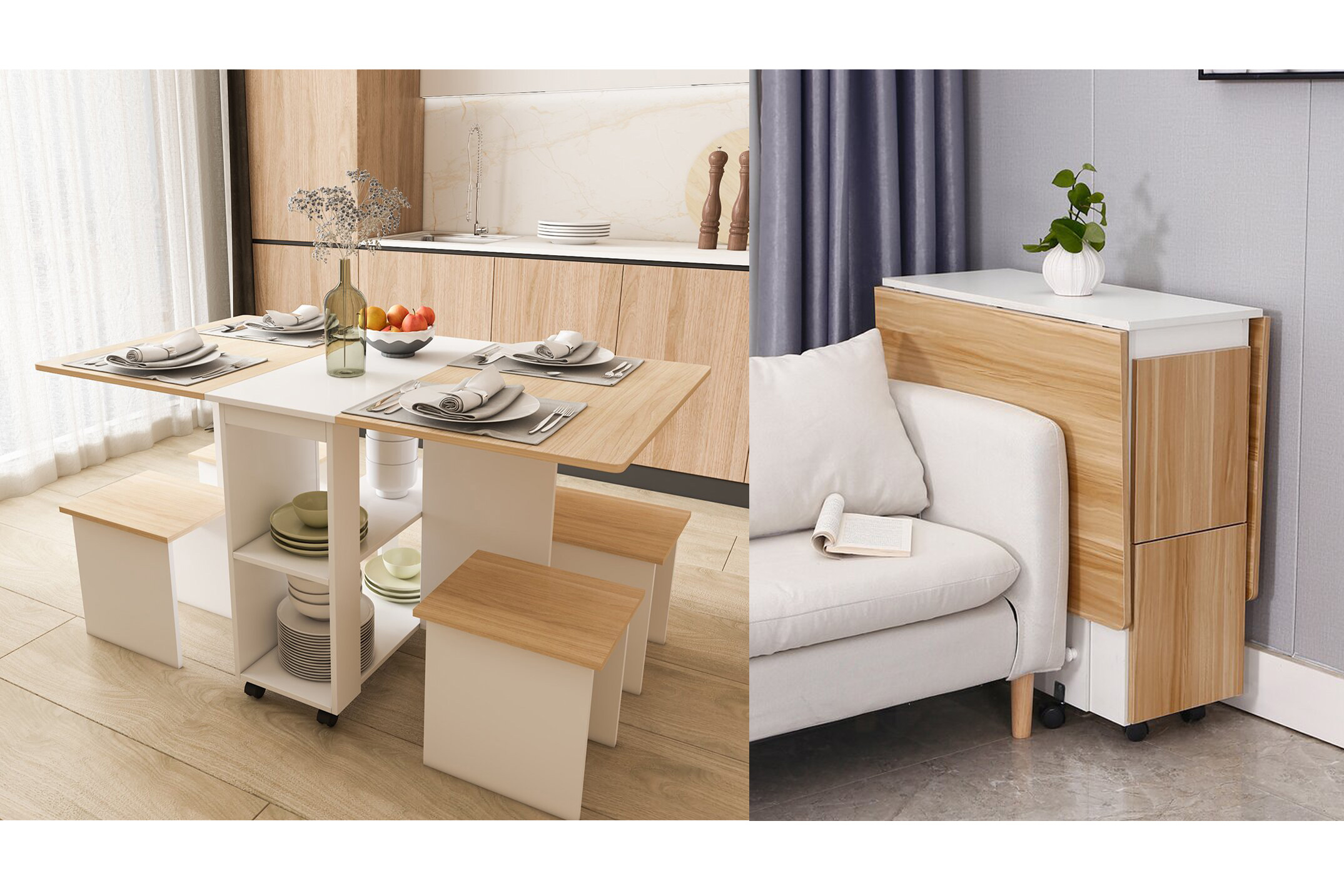
In a small urban apartment, single-use items are basically luxury goods we can’t afford. If a piece of furniture only does one thing, it’s taking up valuable real estate. The key is to look for items that work as hard as you do. Think beyond the obvious sofa bed. We are talking about ottomans with hidden storage for blankets, coffee tables that lift up to become dining desks, and bookshelves that double as room dividers.
Take the entryway, for example. It’s often the most chaotic spot. Instead of a flimsy hook rack, consider a bench with built-in cubbies. It gives you a place to sit while putting on shoes (a huge plus after a long commute) and hides the visual noise of sneakers and umbrellas inside. It looks clean from the outside but holds all the grit of city living on the inside. That’s functional beauty. It’s not about hiding your life; it’s about organizing it so it doesn’t overwhelm you.
Another game-changer is the nesting table set. When you have friends over, you pull them apart for extra surface space for drinks and snacks. When it’s just you, they tuck neatly together, freeing up floor space to stretch out or do yoga. It’s simple, but it changes how you use the room. In 2026, designers are leaning heavily into modular pieces that can be reconfigured based on your daily needs. A desk that folds into the wall isn’t new, but the new iterations are sleeker, easier to operate, and actually look like intentional decor rather than an afterthought.
Vertical Thinking: Using Walls for Storage and Style
When floor space is limited, look up. Seriously. Your walls are probably the most underutilized asset in your apartment. Floating shelves aren’t just for displaying knick-knacks; they are prime storage real estate. But here’s the trick: keep them curated. Cluttered shelves make a small room feel smaller. Use baskets or uniform boxes on the lower shelves for things like mail, chargers, and remote controls. Save the eye-level spots for art, plants, or that one cool vase you found at a flea market.
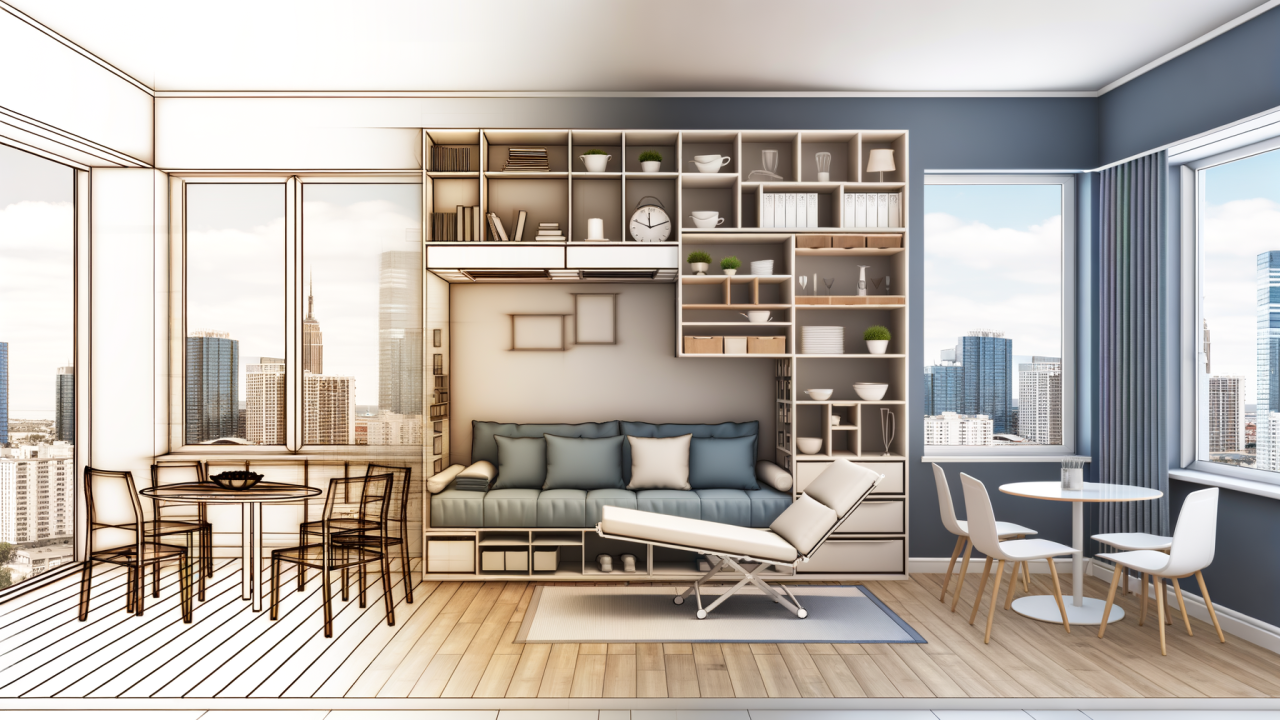
Floor-to-ceiling shelving units can also act as a false wall, dividing a studio apartment into distinct "zones" without blocking light. Imagine a bookshelf separating your sleeping area from your living area. It provides privacy and storage without the heaviness of a solid wall. Plus, it draws the eye upward, making the ceiling feel higher and the room more airy. This vertical emphasis is a hallmark of contemporary urban design, reflecting the architectural lines of the city skyline itself.
Don’t forget the back of doors. Over-the-door organizers have come a long way from the plastic shoe holders of the past. Now, you can find sleek fabric pockets or metal racks that hold everything from cleaning supplies to jewelry. It’s out of sight, but easily accessible. This kind of hidden storage is crucial for maintaining a clutter-free aesthetic. It allows you to keep your surfaces clear, which instantly makes any space feel larger and more calm. A clear surface is a calm mind, right?
Lighting Layers for Mood and Function
Lighting can make or break a small space. Relying on that single, harsh overhead light is a recipe for a sterile, uninviting atmosphere. Instead, think in layers. You need ambient light for general visibility, task light for working or reading, and accent light to highlight art or architectural features. In a small apartment, this layering creates depth and dimension, making the space feel richer and more complex than its square footage suggests.
Swap out that basic bulb for warm-toned LEDs. They are easier on the eyes and create a cozy vibe that helps you unwind after a stressful day. Add floor lamps in corners to soften the edges of the room. Table lamps on side tables provide focused light for reading without taking up much surface space. And don’t underestimate the power of plug-in wall sconces. They free up table space and add a touch of sophistication that feels almost custom-built, even if you’re renting.
Smart lighting systems have become incredibly affordable and easy to install, even for renters. Being able to dim the lights or change the color temperature with your phone means you can shift the mood of your apartment instantly. Bright and cool for working from home during the day, warm and dim for relaxing in the evening. It’s a small change that has a huge impact on how you experience your home. Plus, motion-sensor lights under kitchen cabinets or in closets add a touch of luxury and practicality, so you’re not fumbling in the dark.
Bringing the Outside In: Biophilic Design Hacks
City life can feel disconnected from nature. Concrete, steel, and glass dominate the view. Bringing plants into your home isn’t just a trend; it’s a necessity for mental well-being. Studies continue to show that indoor plants reduce stress and improve air quality. But let’s be real—keeping plants alive in a low-light apartment with a busy schedule is tough. The solution? Choose the right plants and the right pots.
Snake plants, pothos, and ZZ plants are nearly indestructible. They tolerate low light and irregular watering, making them perfect for the forgetful or busy urbanite. Hang them from the ceiling to save floor space, or place them on high shelves where they can trail down. Greenery adds life and color to a neutral palette, softening the hard lines of modern furniture. It connects your indoor space to the natural world, creating a sense of tranquility that’s hard to find elsewhere in the city.
If you really struggle with plant care, don’t force it. High-quality faux plants have improved dramatically. A realistic fiddle leaf fig in a corner can provide the same visual benefit without the maintenance guilt. Mix real and fake if you need to. The goal is the effect, not the horticulture degree. Also, consider natural materials in your decor. Wood, stone, linen, and cotton add texture and warmth. A jute rug or a wooden bowl brings organic elements into the space, grounding the modern aesthetic and making it feel more human.
The Power of Neutral Palettes with Bold Accents
Small spaces can feel chaotic if there’s too much going on visually. A neutral base palette—whites, grays, beiges, or soft earth tones—creates a calm backdrop that makes the room feel open and airy. It allows the eye to rest. But neutral doesn’t mean boring. It means flexible. It’s the canvas upon which you can paint your personality. This approach aligns with the minimalist principles often seen in contemporary urban interiors, where less is definitely more.
Add personality through accents that are easy to swap. Throw pillows, rugs, artwork, and curtains are low-commitment ways to introduce color and pattern. If you get tired of blue, you can change the pillows to terracotta without repainting the walls. This flexibility is key for renters who can’t make permanent changes. It also allows your home to evolve with your tastes. A bold piece of art on a white wall becomes the focal point, drawing attention and adding character without overwhelming the space.
Texture is your best friend here. Since you’re limiting color, vary the textures to keep things interesting. Mix a chunky knit throw with a smooth leather chair and a rough woven basket. These tactile differences add depth and richness to the room. It makes the space feel curated and thoughtful, rather than flat and one-dimensional. In 2026, we’re seeing a move towards "warm minimalism," where clean lines are softened by natural textures and organic shapes. It’s sophisticated but livable.
Let’s face it: stuff accumulates. Especially in cities where shopping is convenient and delivery is instant. The key to maintaining a beautiful home is not having less stuff, but having a place for everything. Hidden storage is your secret weapon. Beds with drawers underneath, coffee tables with compartments, and benches with lids are essential. They allow you to taway the clutter of daily life—magazines, electronics, toys—so your surfaces remain clear and calming.
Labeling might sound obsessive, but it’s a lifesaver. Clear bins in closets or under sinks help you see what you have and keep categories separate. It reduces the mental load of searching for things. When everything has a designated home, cleanup becomes faster and less daunting. You’re not "cleaning"; you’re just putting things back where they belong. This system supports a clutter-free lifestyle without requiring constant effort. It’s about setting yourself up for success.
Finally, adopt the "one in, one out" rule. If you buy a new shirt, donate an old one. If you get a new gadget, recycle the old one. This habit prevents accumulation and keeps your space manageable. It forces you to be intentional about what you bring into your home. Do you really need another mug? Or will the three you love suffice? Intentionality is the core of functional beauty. It’s about choosing quality over quantity, and meaning over mass. Your home should reflect what matters to you, not just what fits in the closet.
So, there you have it. Creating a functional and beautiful urban home isn’t about having a big budget or a huge space. It’s about being smart, intentional, and kind to yourself. It’s about choosing furniture that works, lighting that soothes, and colors that calm. It’s about accepting that life is messy, but your home doesn’t have to feel that way. Start small. Pick one corner, one shelf, one idea. Build from there. Your sanctuary is waiting, right behind that door.