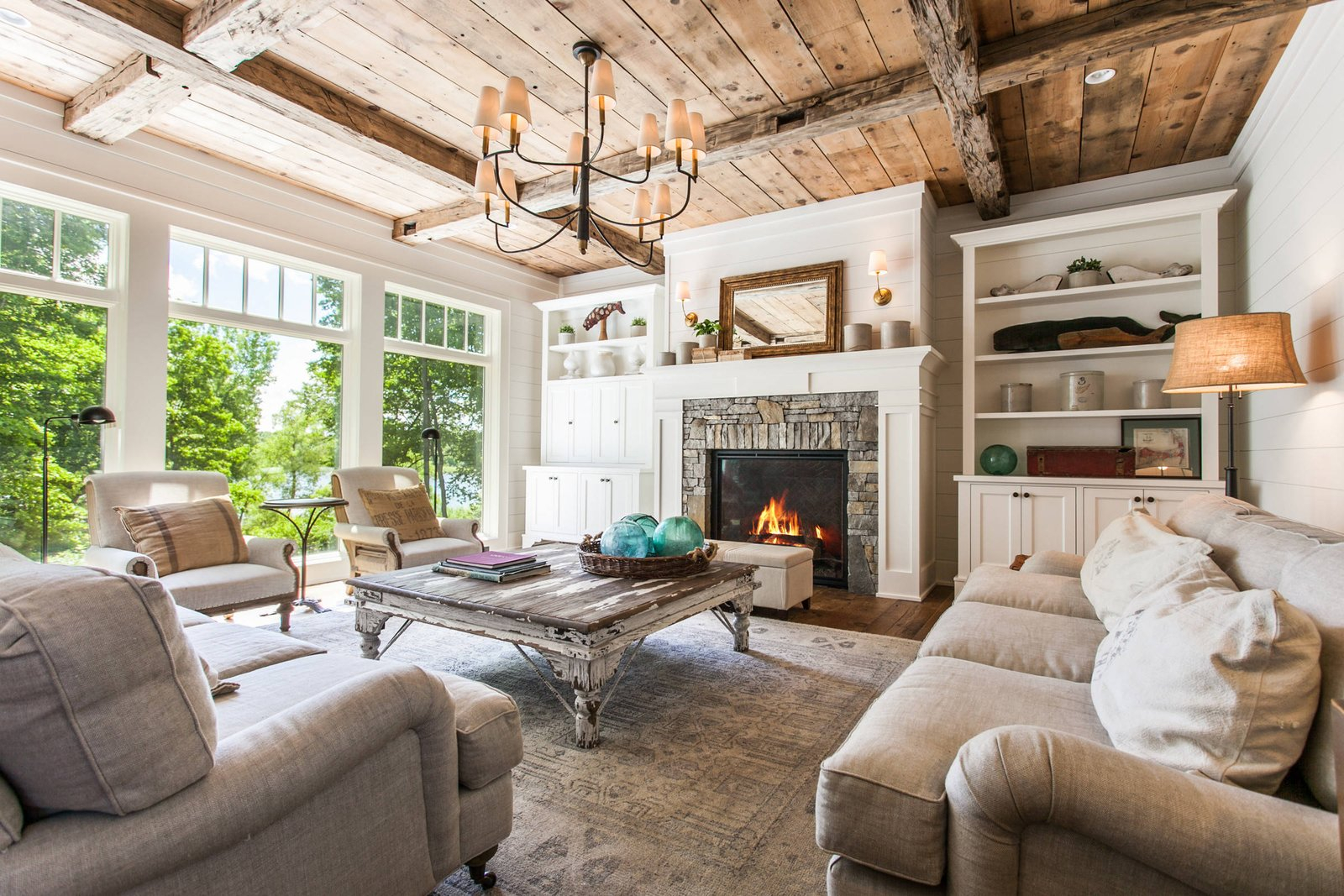
Have you walked into a home lately that just felt… right? Not too stiff, not too messy. Just comfortable. Like a warm hug from an old friend who happens to have impeccable taste. That’s the vibe taking over living rooms and kitchens across the country this year. It’s not about picking a side between the rough-hewn look of a cabin and the polished feel of a manor house. It’s about having both. And honestly? It’s about time.
We’re seeing a shift. A big one. For years, design trends swung like a pendulum. One decade it was all about sleek minimalism and cold surfaces. The next, it was shiplap everywhere and distressed wood until you couldn’t see straight. But in 2026, families are tired of the extremes. They want depth. They want history. They want a space that feels lived-in but also respected. This blend of rustic warmth and traditional elegance isn’t just a aesthetic choice; it’s a emotional one. It reflects a desire for stability in uncertain times, wrapped in beauty that doesn’t take itself too seriously.
The Quest for Grounded Comfort
Let’s be real. The world outside can feel chaotic. Fast. Loud. When people come home, they don’t want another screen or another sterile surface to wipe down. They want to feel grounded. Rustic elements do that. Think about the texture of raw linen curtains or the grain of an oak table that’s seen a few decades of family dinners. These things have weight. They have presence. They anchor a room.
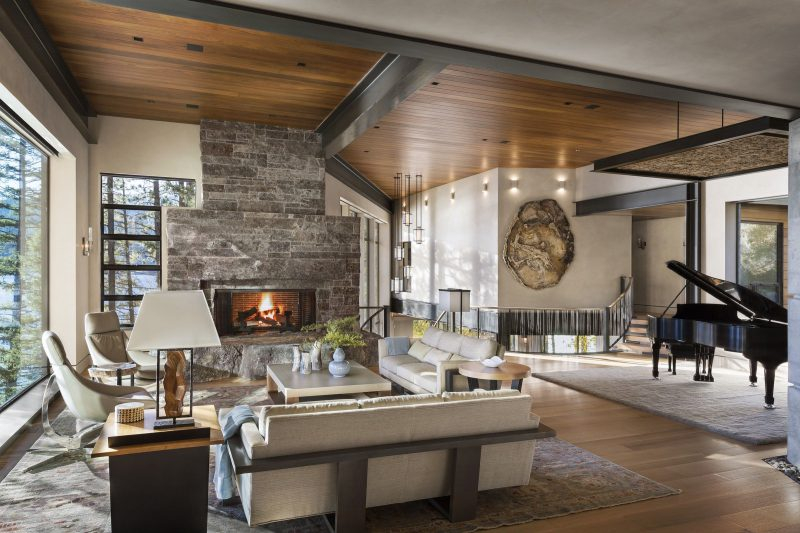
But pure rustic can sometimes feel unfinished. Or maybe a bit too casual for those moments when you want to feel a sense of occasion. That’s where traditional elegance steps in. It brings structure. Symmetry. A sense of order. When you pair a rough stone fireplace with a classic marble mantel, something magical happens. The stone says, "Relax, kick off your shoes." The marble says, "But let’s keep it dignified." It’s a conversation between two styles that shouldn’t work together, but absolutely do.
This year, we’re seeing more families prioritize materials that age well. They aren’t looking for perfection. They’re looking for character. A scratch on a leather sofa isn’t a flaw; it’s a memory. A patina on a brass lamp isn’t dirt; it’s history. This mindset shift is crucial. It allows homes to breathe. It takes the pressure off keeping everything pristine and lets the house become a backdrop for life, rather than a museum exhibit.
Heirlooms Meet Hand-Hewn
One of the most beautiful aspects of this trend is how it encourages mixing generations. You don’t need to buy everything new. In fact, buying everything new often misses the point. Traditional elegance often relies on pieces that have stood the test of time—antique chairs, inherited silverware, classic oil paintings. These items bring a level of sophistication that’s hard to replicate with flat-pack furniture.
On the other hand, rustic warmth invites the handmade. The imperfect. The local artisan’s bowl. The hand-woven rug with slightly uneven edges. When you place a delicate porcelain vase (traditional) on a rough, live-edge wooden console (rustic), you create visual tension. And tension is interesting. It keeps the eye moving. It makes you look closer.
I spoke with a family in Vermont last month who renovated their 19th-century farmhouse. They kept the original wide-plank floors, scars and all. But instead of filling the space with more rustic knick-knacks, they introduced formal dining chairs with upholstered seats and a crystal chandelier. The result? A dining room that feels grand enough for Thanksgiving dinner but cozy enough for Tuesday night pasta. It’s about balance. It’s about respecting the old while embracing the authentic.
Color Palettes That Soothe and Elevate
Color plays a huge role in this blend. Gone are the days of stark white walls or overly dark, moody caves. The palette for 2026 is earthy but refined. Think warm whites, not clinical ones. Creams that have a hint of yellow or pink. These colors provide a soft backdrop that allows both rustic textures and traditional forms to shine.
Then there are the accents. Deep greens, navy blues, and terracotta tones are showing up everywhere. But they’re used differently. A traditional navy might be painted on smooth, paneled wainscoting. But above it? Maybe a lime-washed wall in a sandy beige that shows the brush strokes. The contrast between the smooth, formal paint below and the textured, organic finish above creates a layered look. It’s sophisticated but approachable.
Lighting is another key player here. Traditional chandeliers are being swapped out for ones with iron frames or Edison bulbs. Or vice versa—a rustic wooden beam might hold a sleek, crystal pendant. The light itself changes the mood. Warm, dimmable lights enhance the cozy factor of rustic elements, while the shape of traditional fixtures adds architectural interest. It’s a dance of light and shadow, texture and form.
The Kitchen as the Heart of Hybrid Design
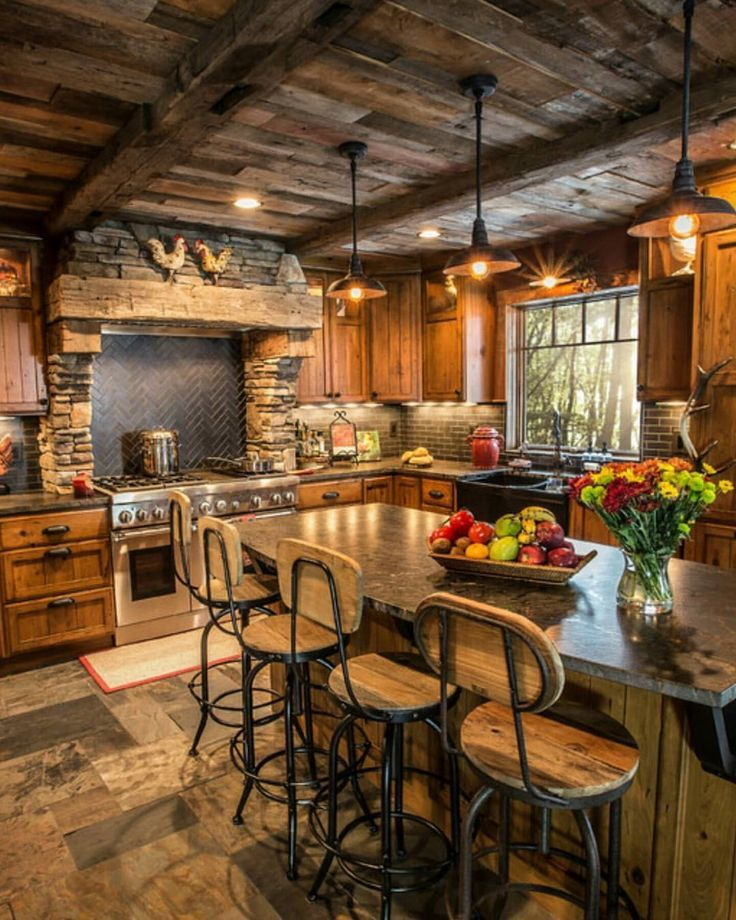
If there’s one room where this trend is most visible, it’s the kitchen. For decades, the kitchen was either all stainless steel and granite (cold) or all beadboard and butcher block (country). Now, it’s both. We’re seeing high-end, professional-grade appliances (traditional luxury) paired with open shelving made from reclaimed wood (rustic charm).
Consider the island. It might have a polished quartz countertop for durability and ease of cleaning—practical for a busy family. But the base? Maybe it’s painted in a muted sage green with visible brush marks, or constructed from distressed wood. The seating might be elegant barstools with velvet cushions, sitting on a jute rug. It’s functional, yes. But it’s also inviting.
Storage is getting a makeover too. Glass-front cabinets (traditional) display nice dishes, adding a touch of formality. But inside? Maybe the shelves are lined with vintage wallpaper or left as raw wood. It’s those little surprises that make a house feel personal. Families are realizing that the kitchen doesn’t have to be a showroom. It can be a workshop, a gathering spot, and a gallery all at once.
Creating Spaces for Connection
At its core, this design movement is about connection. Not just connecting different styles, but connecting people. Rustic elements tend to lower our defenses. They make us want to sit down, stay awhile, and talk. Traditional elements provide a sense of ritual and respect. They remind us to set the table, to light candles, to host with intention.
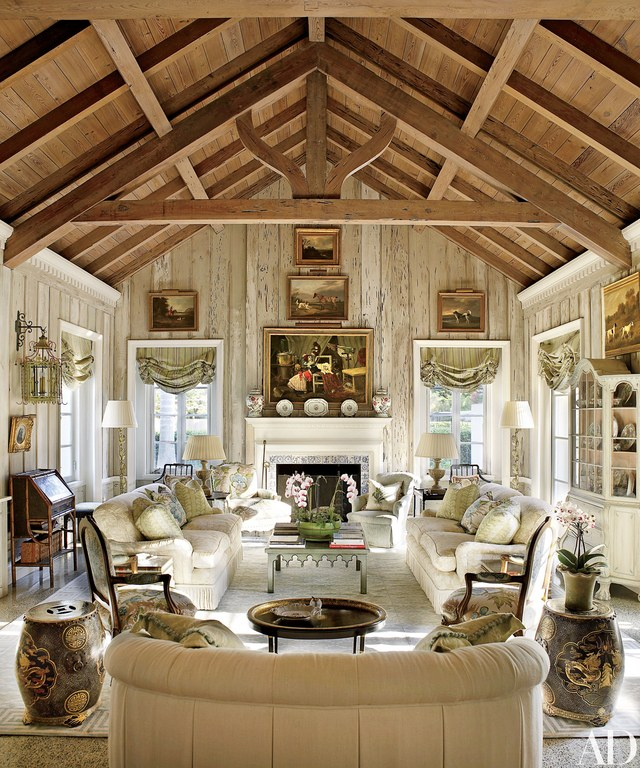
When you combine them, you create spaces that encourage both relaxation and engagement. A living room with a plush, slipcovered sofa (rustic comfort) and a symmetrical arrangement of artwork and lamps (traditional order) invites you to curl up with a book or host a serious conversation. It’s versatile. It adapts to the needs of the moment.
This is especially important for families with kids. Pure traditional can feel fragile and off-limits. Pure rustic can feel chaotic. The blend offers a middle ground. Durable materials that look good even when worn, arranged in a way that feels calm and organized. It teaches children to appreciate beauty without fearing it. To respect their surroundings without feeling restricted by them.
So, how do you actually do this? You don’t need to tear down walls or spend a fortune. Start small. Look at what you already have. Do you have a sturdy wooden table? Add some elegant china plates to it. Do you have a fancy mirror? Hang it on a wall with exposed brick or shiplap. Contrast is your friend.
Focus on textiles. Swap out synthetic throws for wool or cotton ones with texture. Mix patterned, traditional pillows with solid, chunky knit ones. Layer rugs. Put a Persian-style rug over a sisal one. It adds depth and warmth instantly.
Don’t forget the power of paint. If your room feels too cold, add a warm neutral. If it feels too cluttered, paint the trim a crisp white to add structure. Play with hardware. Swap out modern cabinet pulls for antique brass ones, or vice versa. These small changes add up. They shift the energy of a room without requiring a full renovation. Remember, it’s a journey. Your home should evolve with you. Let it be a little imperfect. Let it be a little mixed. That’s where the soul lives.
In the end, blending rustic warmth with traditional elegance is about rejecting the idea that you have to choose one identity. You can be grounded and graceful. Casual and refined. Your home should reflect the complexity of your life. It should hold space for both the muddy boots and the Sunday best. As we move through 2026, this trend isn’t just fading in and out of style. It’s settling in. Because it feels true. And isn’t that what we all want? A place that feels authentically, unapologetically ours.