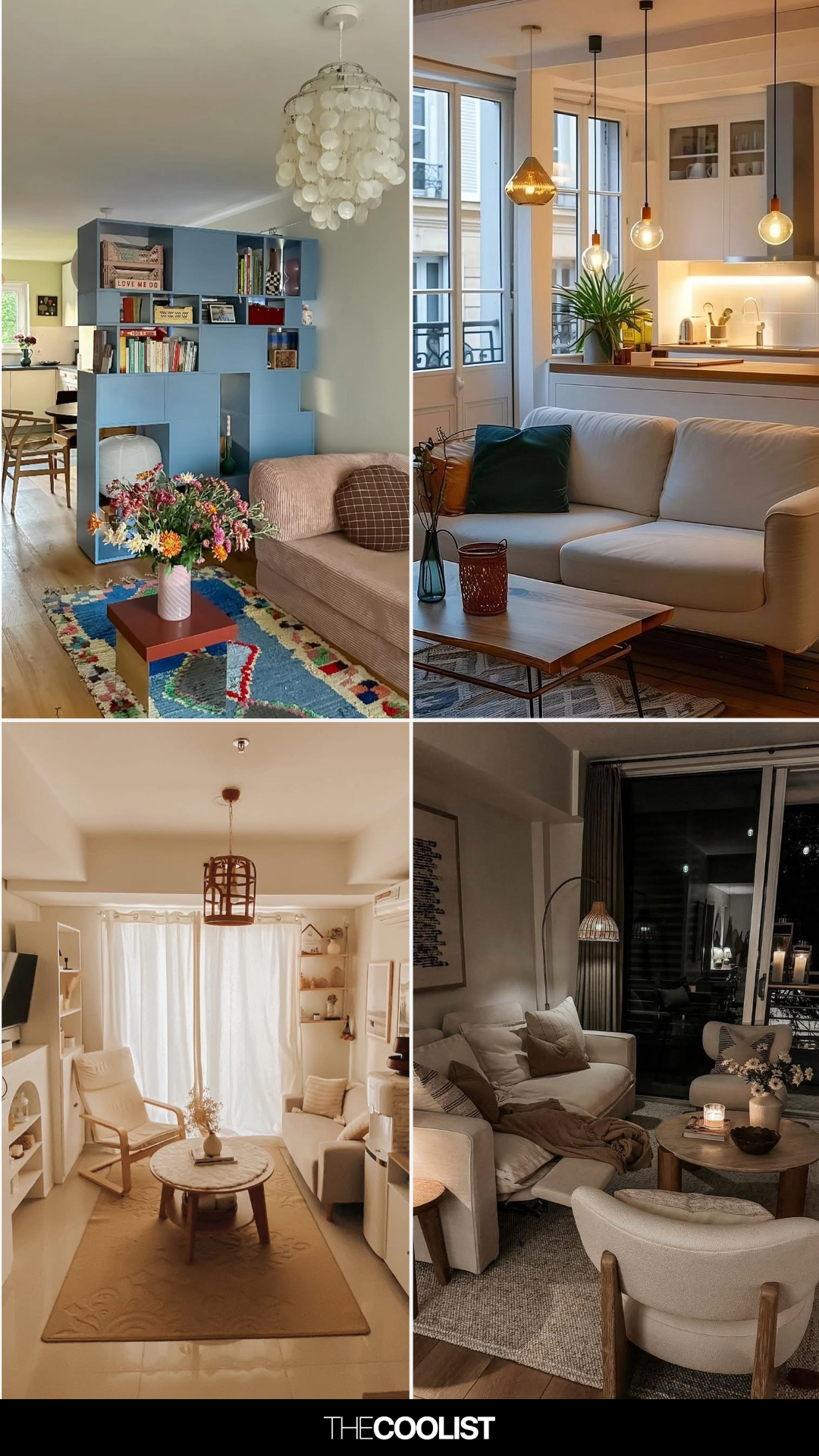
Ever felt like your apartment was shrinking around you. You want a home that feels like a cozy, stylish sanctuary, but right now, it just feels cluttered. It’s a common trap. We see a gorgeous sofa in a showroom, bring it home, and suddenly we can’t even open the front door all the way.
Living small doesn’t mean you have to give up on your personal style, though. In 2026, more people than ever are moving into compact city homes, which means interior design has gotten incredibly smart. The secret isn’t about buying less stuff—it’s about finding pieces that work twice as hard. Let’s look at how you can make your limited space both beautiful and completely usable.
Look for Furniture That Leads a Double Life
When every square inch counts, your furniture needs to multi-task. Think about a dining table that easily folds down into a slim console desk when you are working from home, or a living room setup that can change into a comfortable guest bedroom at night.
Investing in pieces that serve two purposes saves you money and physical room. A classic example is an ottoman that opens up to hide extra blankets and board games. It’s a footrest, a coffee table, and hidden storage all at once. Look for these types of hidden gems whenever you go shopping.
Use Your Walls and Go Vertical
Most people forget to look up when they are trying to find more space. When floor area is tight, your walls are your best friend. Floor-to-ceiling shelving units look incredibly elegant and offer tons of room for books, plants, and storage baskets without taking up valuable walking room.
Floating shelves are another amazing option. They keep the ground clear, which actually makes a room feel much larger than it is. Hanging your lights from the walls or ceiling instead of using bulky floor lamps is another quick trick to free up some breathing room.
The Magic of Mirrors and Smart Lighting
Lighting can completely change how big a room feels. Dark corners make apartments feel tiny and cramped. Try to let in as much natural sunlight as possible during the day by using sheer, lightweight curtains instead of heavy drapes.
Placing a large mirror across from a window is one of the oldest and best tricks in the book. It bounces the light around the room, instantly making the area feel twice as big. Combining overhead lights with warm lamps creates depth and a cozy vibe.
Hide the Clutter with Clever Storage Solutions
Nothing ruins the style of a home faster than visual clutter. When items are scattered everywhere, even a massive room feels small. The key is finding creative ways to tuck things away out of sight.
Under-bed storage containers are perfect for seasonal clothes and extra shoes. You can also look for couches with built-in storage underneath the cushions. Keeping your surfaces mostly clear allows your favorite decor pieces to actually stand out and shine.
Choose a Unified and Light Color Palette
Color plays a massive role in how we perceive space. While dark colors can feel moody and sophisticated, they often make small rooms feel like caves. Painting your walls in light neutrals like soft whites, creams, or pale grays helps reflect light.
You don’t have to live in a boring, colorless box, though. Introduce fun colors and textures through your pillows, rugs, and artwork. Keeping the big surfaces light and uniform gives the eyes a smooth place to rest, creating a sense of peace.
Keep Layouts Open and Easy to Walk Through
The way you arrange your furniture can make or break a small home. Avoid blocking natural pathways. If you have to squeeze past a chair every time you go to the kitchen, the layout isn’t working for you.
Try pulling your furniture a few inches away from the walls instead of pushing everything flat against them. It sounds counterintuitive, but creating that tiny bit of breathing space actually gives the illusion of a more open, spacious room.
Balancing practicality and beauty in a small home takes a little bit of planning, but the results are totally worth it. By choosing multi-functional furniture, using your vertical wall space, and keeping clutter hidden, you can create a home that feels open and welcoming.
Remember, a small space doesn’t limit your creativity; it just challenges you to design more intentionally. Focus on pieces you truly love and that serve a real purpose, and you’ll end up with a gorgeous, functional sanctuary you love coming home to.