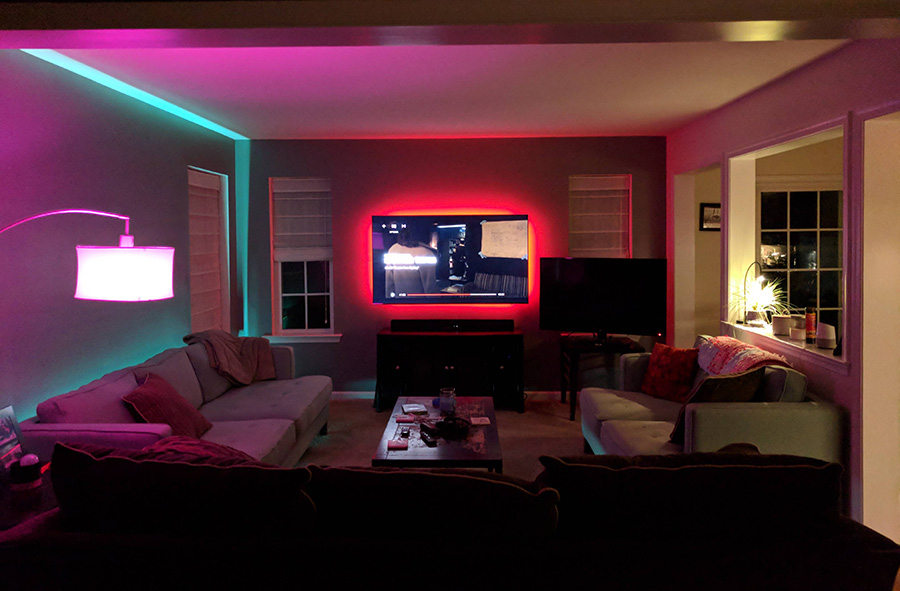
Have you ever walked through a house where every single room feels like a totally different universe. One minute you are standing in a bright blue kitchen, and the next, you step into a dark, moody living room. It feels a bit chaotic, right? When spaces chop and change like that, it actually makes your home feel smaller than it really is.
But there is a better way to do it. By creating a smooth transition from room to room, you can make your whole house feel connected and way more spacious. You don’t have to match everything perfectly either—in fact, it is much better if you don’t. It is all about balance, repeating key elements, and letting the sightlines guide your eyes naturally. Let’s talk about how to make your spaces talk to each other without shouting.
Start with a Whole-House Color Plan
Before you buy a single can of paint, you need a game plan for the entire layout. Think of it as a family tree for your walls. A good trick is to choose about three to five colors that you absolutely love and stick to them across your whole house.
You don’t paint every room the same shade, though. Instead, you change up how you use those colors. Maybe a soft gray is the main wall color in your living room, but in the next room over, that same gray shows up on the kitchen cabinets or a comfy armchair. This keeps things interesting while keeping a strong sense of harmony.
Master the Trick of Sightlines
When you are standing in your hallway, what can you see? Can you peek into the dining area or catch a glimpse of the den. These views are called sightlines, and they are incredibly important for making a home feel larger.
If you paint a wall that you can see from another room, make sure that color connects to the space you are currently standing in. If your living room has gorgeous olive green throw blankets, try painting the entryway wall at the end of the hall a soft, matching sage green. It draws your eyes forward and makes the transition feel totally natural.
Use the Power of Tonal Schemes
If you love a specific color but don’t want your house to look boring, tonal schemes are your best friend. This simply means using different shades of the exact same color family throughout your connecting spaces.
For example, you could use a very light, airy beige for your main open-plan living space. Then, as you move into a cozy back den, you can dial up the intensity with a deep, warm terracotta or a rich tan. Because they share the same warm undertones, the rooms will feel connected even though one is much darker than the other.
Link Spaces with Fabrics and Art
You don’t have to rely entirely on wall paint to create a great flow. Sometimes, the quietest details do the heaviest lifting. Fabrics, window treatments, and artwork are perfect tools for tying rooms together.
Pro Tip: Try picking a favorite piece of art and placing it where it can be seen from both rooms.
If you have beautiful blue curtains in your dining room, look for a piece of art for the living room that has splashes of that exact same blue. Or use a similar fabric for the throw pillows in one room and the dining chair cushions in the next. It creates a subtle gallery feel that guides you through the house.
Keep Your Trim and Flooring Consistent
One of the easiest ways to mess up the flow of a home is changing the floors or trim color constantly. If you change from hardwood to tile to carpet every time you walk through a doorway, it cuts the house into tiny pieces.
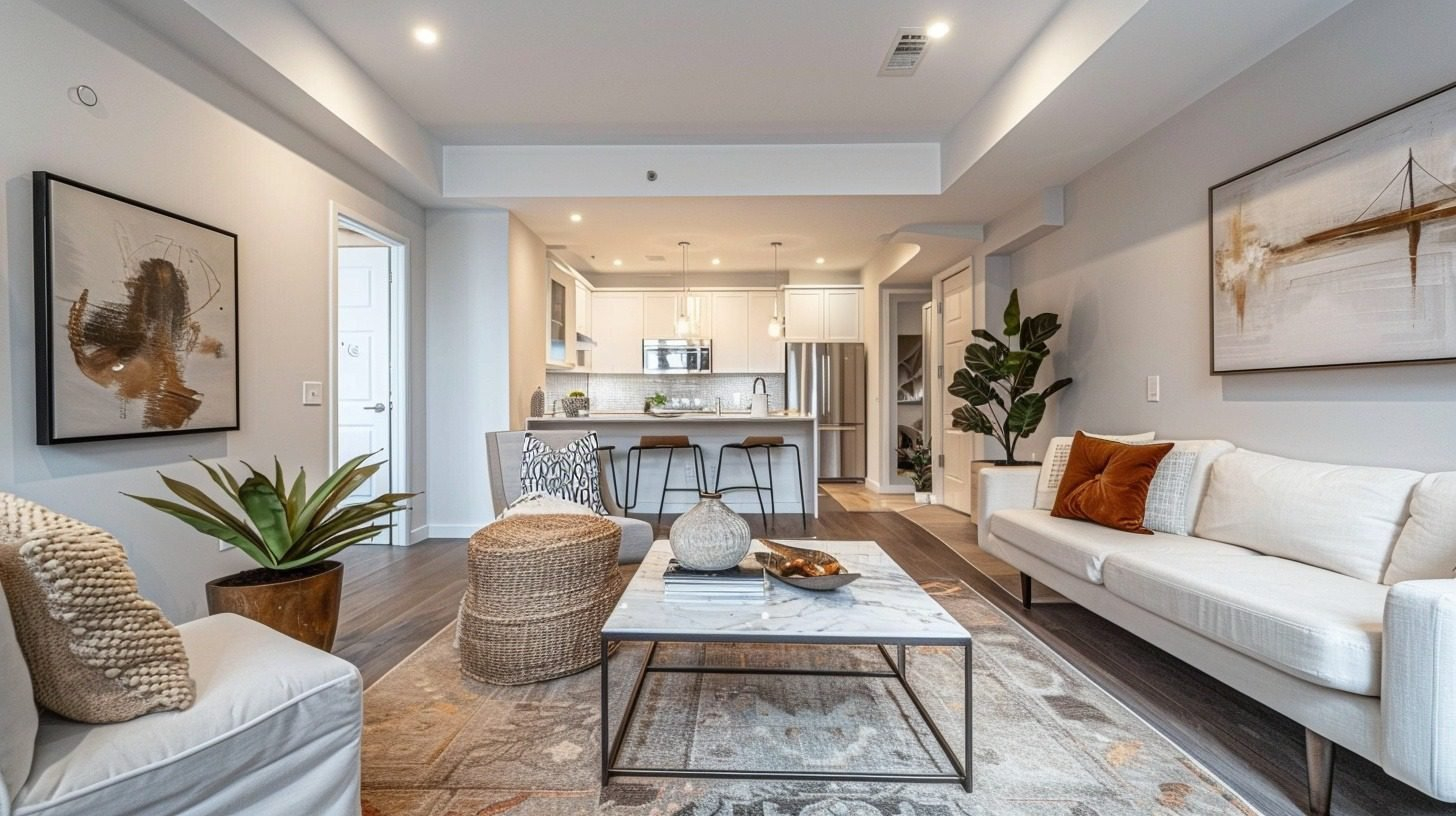
To expand your home visually, keep your flooring as continuous as possible. Run that beautiful wood or laminate straight through the connecting areas. Also, try painting all your baseboards, doors, and window trim the same crisp white or soft cream. This creates a continuous frame that ties every single room together, no matter what color the walls are.
Balance Your Textures and Shapes
A cohesive home isn’t just about color; it is also about how things feel. Repeating certain textures like warm wood, shiny brass, or rustic woven baskets helps anchor different spaces.
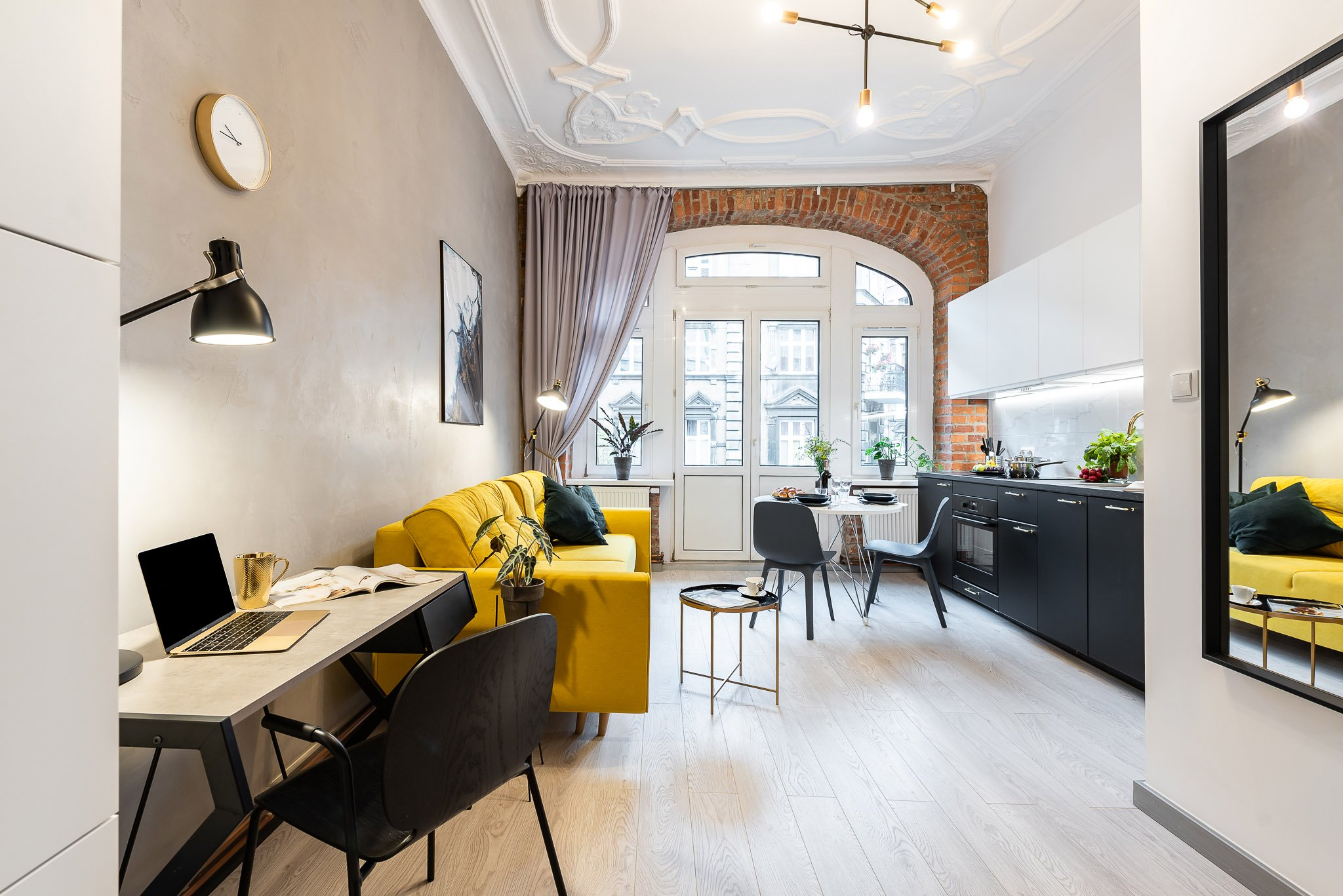
If you have a modern round coffee table in the living room, you might want to use a round mirror in the adjoining hallway. If you have matte black light fixtures in the kitchen, carry that same metal over to the lamps in the family room. This kind of thoughtful repetition keeps the look dynamic and exciting, rather than matching and stiff.
Creating a cohesive flow between your connecting rooms doesn’t mean your house has to look like a boring furniture showroom. It is about letting each room have its own personality while still sharing a common language with the space next to it.
By focusing on continuous flooring, smart sightlines, and a shared color palette, you can easily transform your living spaces into a harmonious sanctuary. Your home will naturally feel bigger, brighter, and much more inviting. So, take a look around your house today—what small change can you make to start connecting your spaces?