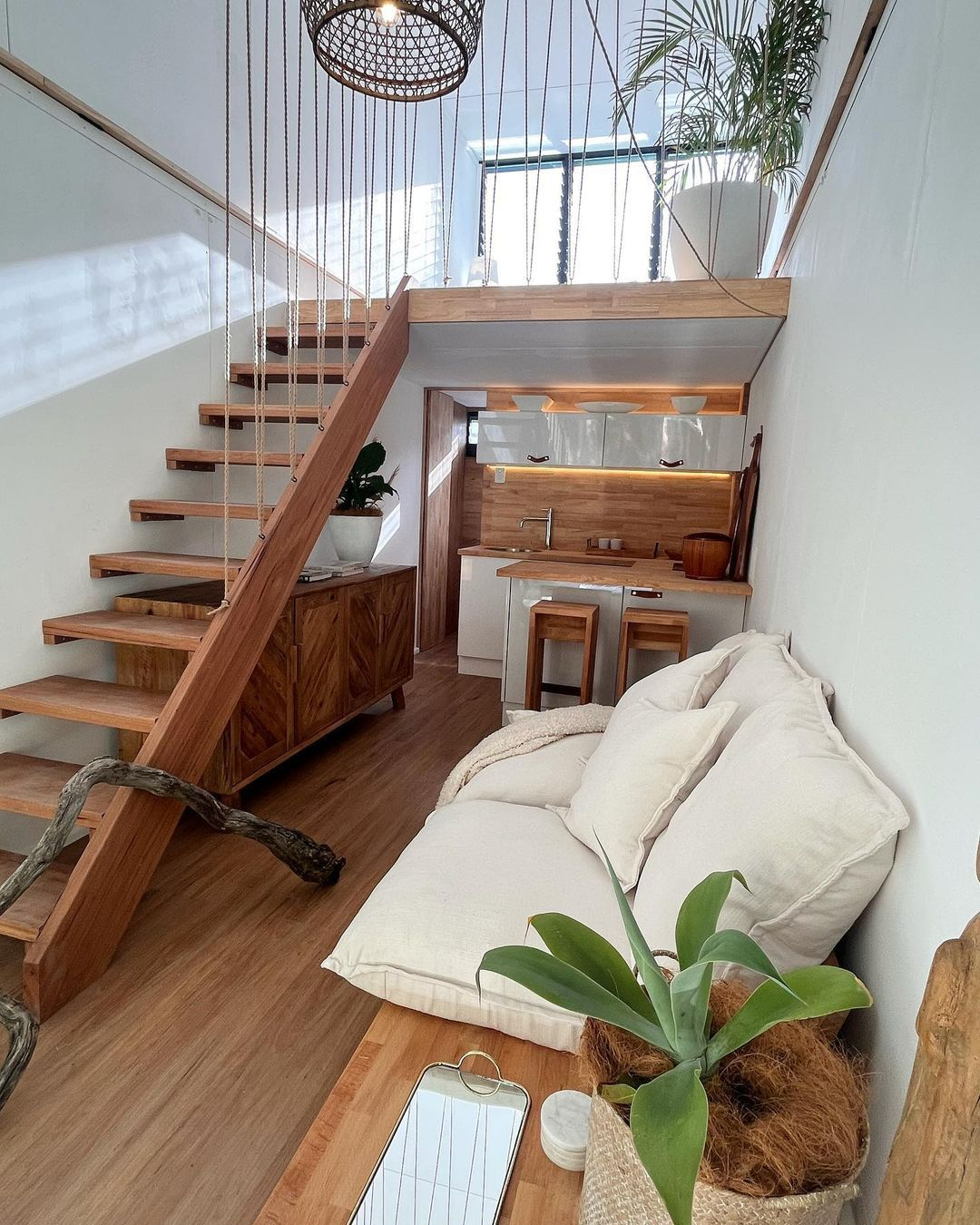
Ever felt completely overwhelmed just walking into a massive, echoing room. You aren’t alone. For decades, we were told that bigger is always better—that success looks like a sprawling suburban mansion with rooms you only visit to dust. But lately, something has shifted.
More and more people are trading giant floor plans for tiny homes, micro-apartments, and cozy nooks. And they aren’t just doing it to save money. They are doing it because it actually makes them feel better. There is a strange, quiet comfort in a space that wraps around you like a warm blanket. Let’s look at why our brains secretly crave less square footage.
The Evolutionary Need for a Cozy Den
Humans are animals, at the end of the day. Thousands of years ago, sleeping in a wide-open field meant you were bait for predators. We evolved to look for shelter that felt safe, enclosed, and easily defensible. Environmental psychologists call this "prospect and refuge" theory. We love having a solid wall at our back and a clear view of what’s ahead.
When you live in a massive house, your nervous system can sometimes stay on low-grade alert. There are too many windows to check, too many dark hallways, and too many entry points. A compact space eliminates that background anxiety. It gives us that primal "den" feeling where our brains can finally switch off and relax.
Drowning the Visual Noise
Every single object in your sightline demands a tiny bit of your brain power. Psychologists call this visual clutter, and it acts like a million little tabs open in your internet browser at the same time. In a huge home, it is incredibly easy to accumulate things you don’t need, filling up spare rooms just because the space is there.
Small spaces force us to curate our lives. You have to ask yourself: "Do I really love this item enough to give it some of my limited real estate?" When you pare down to the essentials, the mental static quietens down. Your eyes can rest, and your mind follows suit.
The Financial Freedom Effect
You can’t talk about the psychology of small spaces without talking about stress. In 2026, the cost of living and housing is still a massive burden for most families. A giant mortgage or rent payment is a heavy weight to carry around every single day, dragging down your mood and peace of mind.
+---------------------------+---------------------------+
| Huge Home Expenses        | Small Space Savings       |
+---------------------------+---------------------------+
| High mortgage/rent        | Lower monthly payments    |
| Massive utility bills     | Minimal energy costs      |
| Weekend-long cleaning     | 20-minute upkeep          |
+---------------------------+---------------------------+
When you choose less footage, you instantly lower your financial baseline. Suddenly, you have more money for experiences, travel, or just saving for a rainy day. The relief that comes with knowing you aren’t one bad month away from losing everything is a huge boost to your daily happiness.
Emotional Closeness and Connection
Big houses can ironically create big distances between the people living inside them. It’s easy to disappear into separate wings of a house and barely see your family or roommates for days. Small spaces naturally bring people together, creating more opportunities for spontaneous conversations and shared moments.
Of course, this requires a bit of grace and boundary-setting. But practicing communication and sharing a physical environment often builds tighter emotional bonds. You learn to navigate each other’s rhythms, leading to deeper relationships.
Less Maintenance, More Free Time
Think about how you want to spend your Saturdays. Do you want to spend four hours vacuuming rooms nobody uses, mowing a massive lawn, and fixing broken gutters? Or would you rather read a book, see friends, or go for a walk?
Small spaces require very little upkeep. You can deep clean a micro-apartment in less than half an hour. This returns your most valuable asset to you: your time. When your environment doesn’t demand all your energy, you have the freedom to focus on hobbies and self-care that truly fill your cup.
Living well in a small space isn’t just about shrinking your footprint; it is about smart design. The goal is to make a compact area feel intentional rather than cramped. Here are a few practical tips to make a small space work beautifully for your mental health:
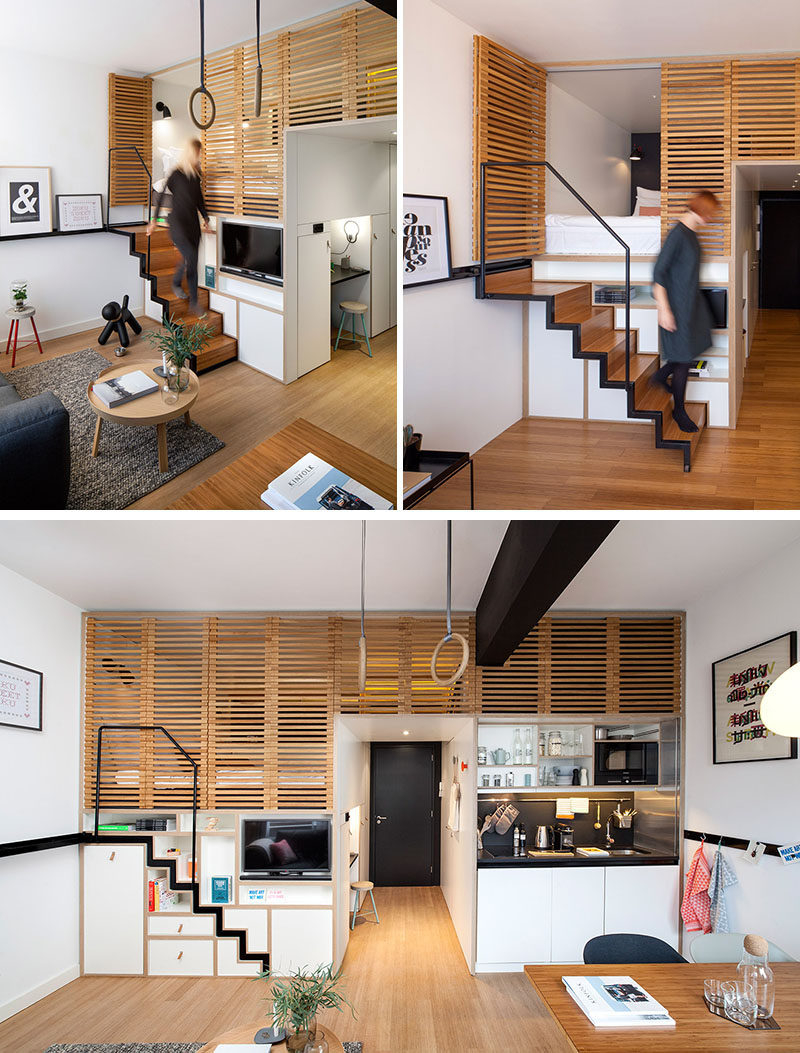
- Use multi-functional furniture: Look for beds with storage drawers underneath or tables that fold down when not in use.
- Let the light in: Keep window treatments light and airy. Natural light instantly makes a room feel expansive and brightens your mood.
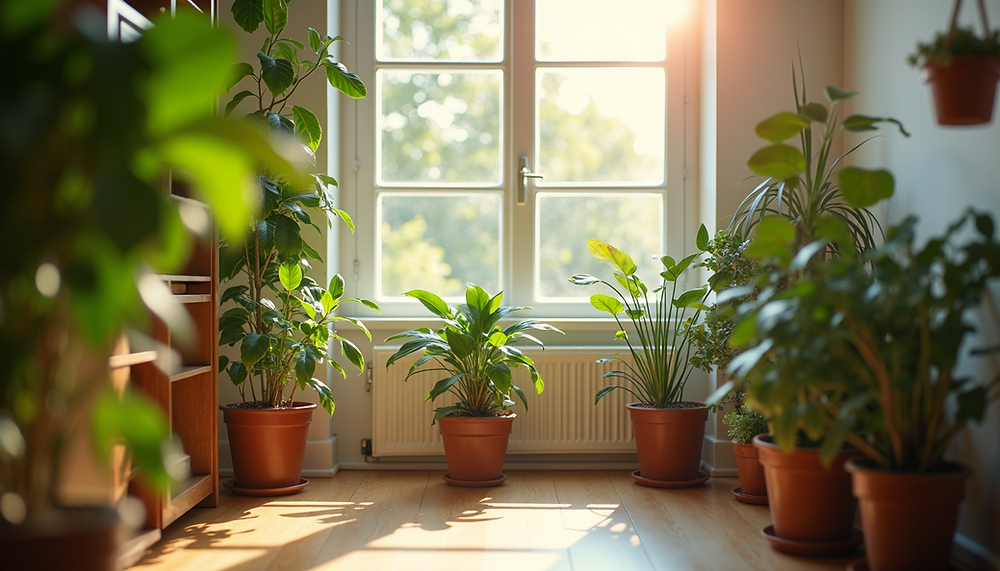
- Bring nature inside: A few healthy houseplants can purify the air and make you feel connected to the outdoors, erasing any feelings of claustrophobia.
Ultimately, the shift toward smaller living spaces isn’t a sacrifice. It’s a conscious choice to prioritize peace, time, and freedom over physical possessions. By embracing a smaller footprint, we often open up a much larger space for joy in our lives.