Have you ever walked into a friend’s apartment and experienced a weird sense of déjà vu. You look around and notice the same minimalist coffee table, the exact same media console, and that identical grey sofa you just saw online. It is the reality of our current world. Mass-produced furniture is affordable and easy to get, but it often leaves our living spaces feeling a bit like a retail showroom.
The good news is that you don’t have to live with a generic home. Current design trends in 2026 are moving completely away from cold, copy-paste minimalism toward spaces that feel warmer, tactile, and highly unique. You can take those affordable mass-market items and alter them to reflect who you actually are. Let’s look at how to blend simple hacks with smart, everyday tech to elevate your space.
Swapping the Standard Hardware
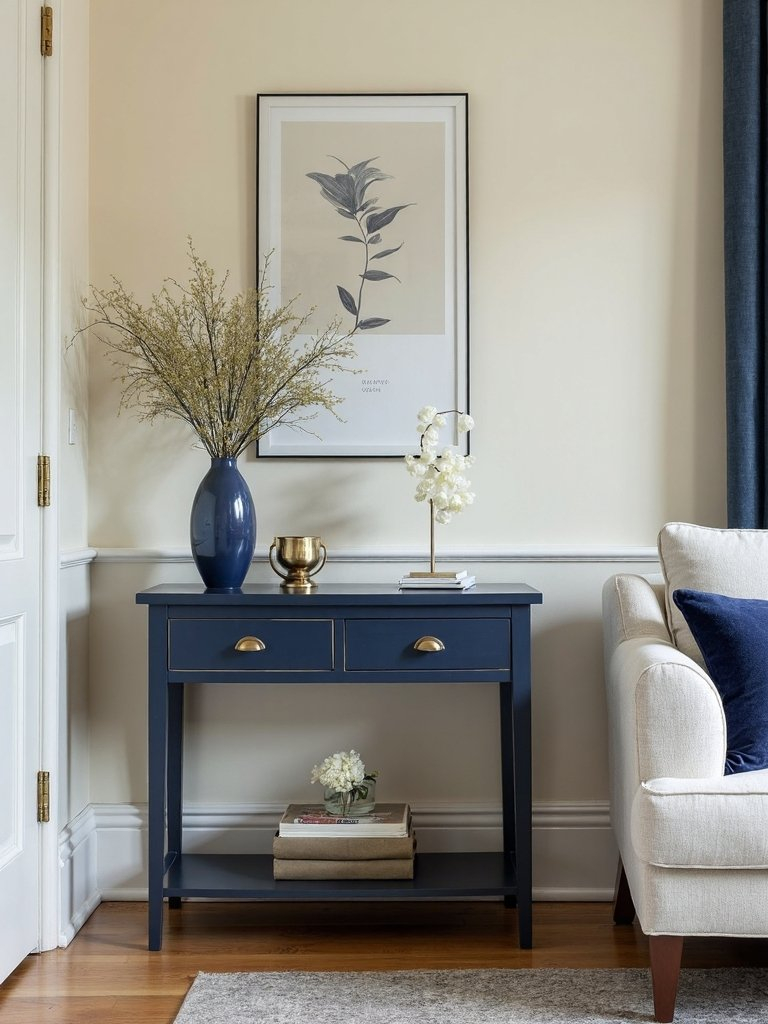
The quickest way to make a budget cabinet look like a high-end designer piece is to throw away the hardware it came with. Manufacturers usually save money by including the cheapest plastic or basic metal pulls possible. By replacing these with something premium, you instantly change the entire vibe of the item.
Think about hunting for unique pulls made of unlacquered brass, matte black iron, or even wrapped leather. You can find beautiful options at local flea markets or small online craft shops. It takes less than twenty minutes with a simple screwdriver, but the visual impact is massive.
Bringing in Natural Textures
A big issue with mass-produced modern items is that they can feel a bit flat and lifeless. Adding biomorphic elements—shapes and textures inspired by nature—is a huge trend right now. You can easily introduce these organic feelings to flat-surface furniture.
Try applying peel-and-stick cane webbing to the front doors of a plain sideboard. Or, you can replace standard straight legs with tapered wooden ones to give a couch a mid-century look. These little changes break up the harsh, artificial lines and make your room feel much more cozy.
Merging Hidden Tech into Everyday Pieces
In 2026, home technology is less about visible cords and more about seamless integration. You do not need to buy a costly "smart sofa" when you can build clever features into the budget items you already own. It is all about making daily routines a bit smoother.
For instance, you can use a simple hole-saw drill bit to create a hidden spot underneath a side table surface, then glue a wireless charging pad right beneath it. Suddenly, you have a clean tabletop where you just set down your phone, and it starts charging automatically. No ugly wires mess up your style.
Creating Flexible, Modular Layouts
Our homes have to do a lot of heavy lifting these days, acting as offices, gyms, and relaxation zones. Generic furniture often fails because it is rigid. To fix this, look for ways to make your standard pieces more adaptable and modular.
You can add locking caster wheels to the bottom of a heavy storage unit or kitchen island. This allows you to easily roll it out of the way when you need open space, or shift it to act as a temporary room divider. Making your furniture mobile gives you total control over your floor plan.
The Power of Custom Paint and Color
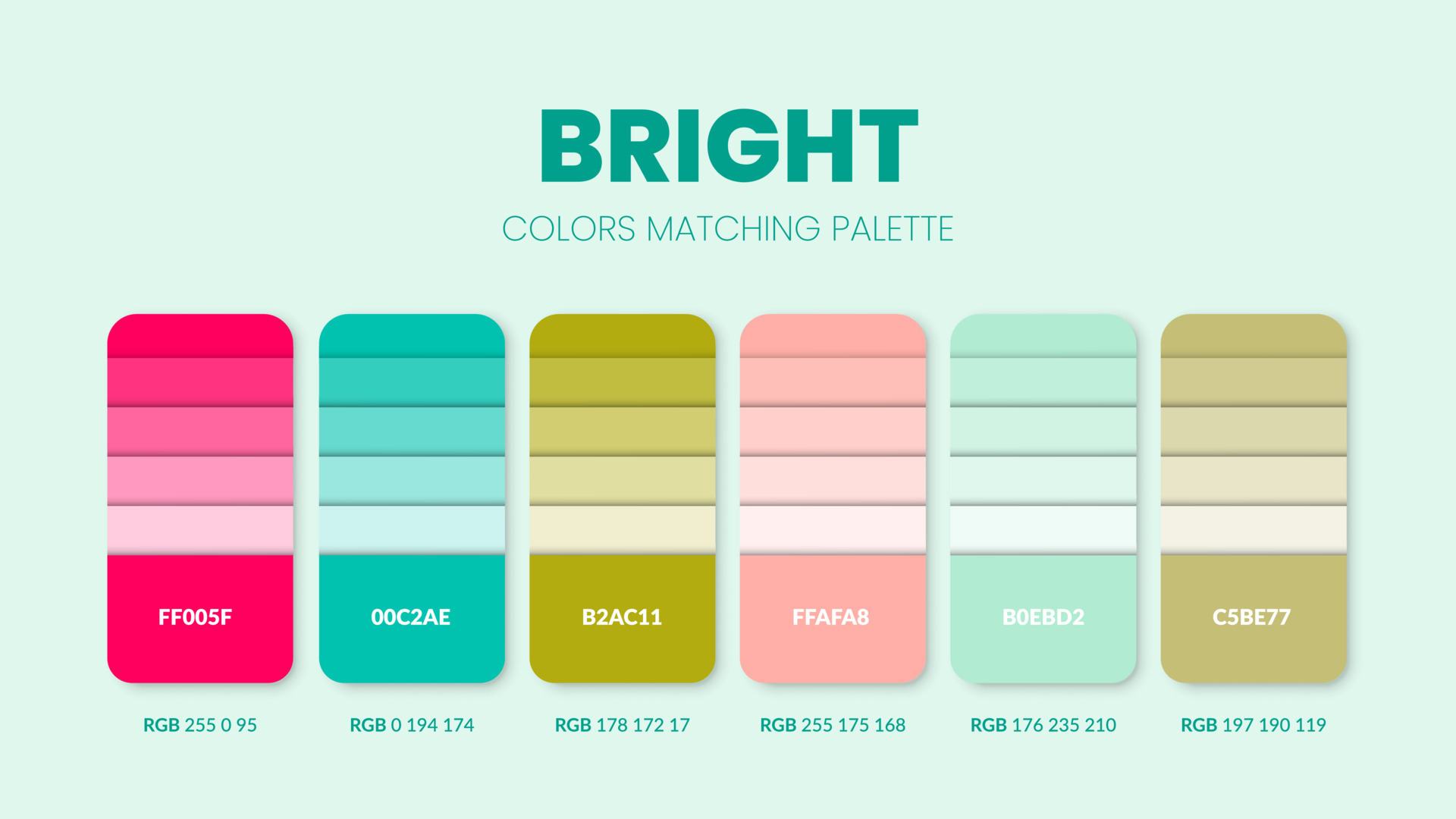
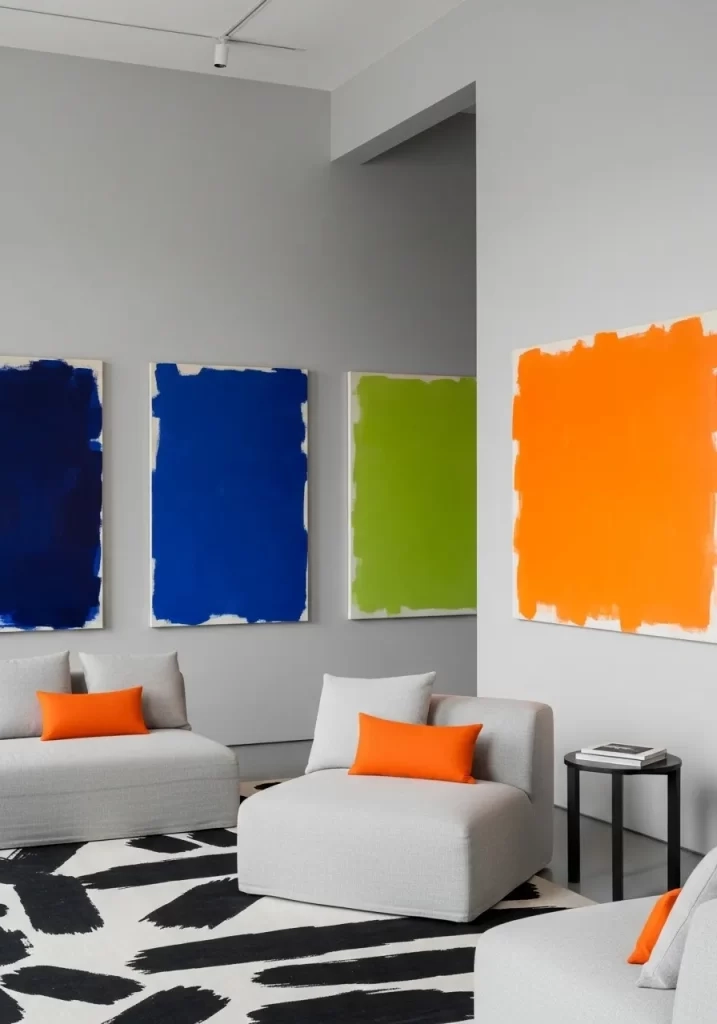
Never underestimate what a fresh coat of paint can do for a boring piece of laminate or particleboard. While the factory white or beige looks clean, it rarely says anything about your personal taste. Giving a piece a bold, unexpected hue instantly turns it into a focal point.
The secret here is all in the prep work. Use a high-quality bonding primer so the paint actually sticks to those slick, non-wood surfaces. Opting for a rich jewel tone or a deep, earthy green can make a standard bookcase look like a custom built-in feature.
Organizing the Chaos from Within
True function is not just about how an item looks on the outside; it is about how it helps you live day-to-day. Mass-market wardrobes and cabinets usually come with very basic shelving that ends up becoming a messy pile of clutter.
Take the time to customize the interiors. Add aftermarket acrylic dividers, pull-out wire baskets, or automatic LED strip lights that turn on when you open the doors. When everything has a specific, easy-to-reach home, your daily routine feels way less chaotic.
Slow down and enjoy the process of adjusting your space over time. You do not need to change every single item in a single weekend. By layering these small upgrades, your home will start to feel less like a catalog page and more like a true reflection of your journey.
Ultimately, mass-produced items are just a canvas. With a little creativity, some basic tools, and a few clever ideas, you can build an environment that is both incredibly functional and undeniably yours. Happy customizing.