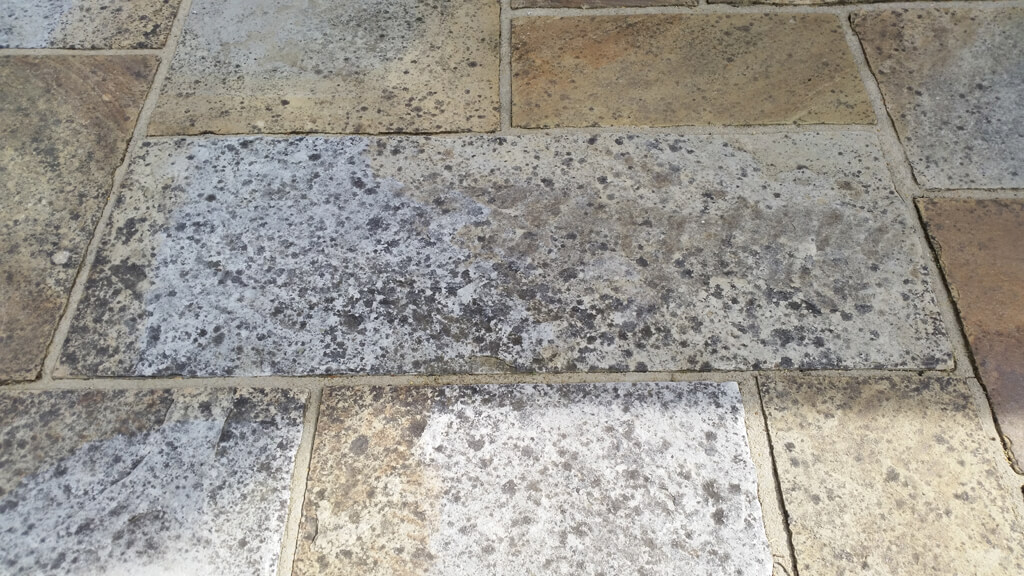
We’ve all been there. You’re standing in a showroom, staring at a slab of marble that looks like it was carved from a cloud. It’s breathtaking. You can practically smell the expensive wine being poured on it during a dinner party you haven’t hosted yet. It feels like the one. But then you get home, and reality hits. That beautiful cloud-like stone? It’s currently holding a ring stain from your morning coffee because you forgot to use a coaster. Again.
This isn’t just about bad luck. It’s about a mismatch between expectation and actual life.
Your countertop isn’t just a design element. It’s not merely a backdrop for your Instagram-worthy kitchen renovations. It is the stage where real life happens. It’s where you chop vegetables after a long day, where the kids do their homework while you make snacks, and where spills happen. Whether you’re a serious home chef who needs a surface that can take a beating, or someone who orders takeout three nights a week, your habits define what your kitchen actually needs. Ignoring this truth is the fastest way to buyer’s remorse.
Let’s be honest. Picking the right kitchen countertop isn’t just about style—it’s about how you live, cook, and care for your space. In 2026, we have more options than ever, from high-tech engineered surfaces to timeless natural stones. But the "best" material doesn’t exist in a vacuum. It exists in relation to you. So, before you sign any contracts or fall in love with a sample, let’s talk about why your lifestyle should be the boss of this decision.
The Myth of the Showroom Perfect Surface
It’s easy to get seduced by aesthetics. We see images of pristine kitchens online, with surfaces that look flawless under perfect lighting. But a countertop might look perfect in a showroom, yet daily life tells a different story. Spills, cooking, cleaning, and even small habits can affect how well a surface works over time. That’s why the best choice is not always the most popular one. It’s the one that fits how you actually use your space.
Think about it. If you choose a porous stone like marble because it’s trendy, but you hate the idea of sealing it every six months, you’re setting yourself up for failure. Or if you pick a dark, glossy granite because it looks sleek, but you have two golden retrievers who track in mud and dust, you’ll spend your evenings wiping down footprints instead of relaxing. Taking a little time to think about your routine can prevent common regrets later.
Designers know this. Whether intentional or not, your countertop choice tells a story about how you live and what you value. Here’s why designers pay close attention to this decision—and why homeowners should too. They aren’t just looking at color palettes; they are looking at durability relative to usage. A surface that requires high maintenance might be perfect for a low-traffic powder room, but it’s a nightmare for a busy family kitchen. The disconnect happens when we prioritize how a surface looks in a static photo over how it performs in dynamic, messy reality.
Know Thyself: The Cooking and Cleaning Audit
Before you even look at materials, you need to look in the mirror. What kind of cook are you? This sounds simple, but it’s crucial. Are you the type who chops vegetables every night for fresh meals? Do you host weekend dinners for twelve people? Or do you barely use your stove, relying mostly on reheating leftovers and assembling salads? Your habits define what your kitchen needs.
If you’re a heavy hitter in the kitchen—rolling dough, chopping hard root vegetables, placing hot pots directly from the oven—you need a workhorse. Materials like quartzite or certain granites offer the hardness and heat resistance you need. They can take a beating. On the other hand, if your cooking style is more about assembly and minimal prep, you have more freedom to choose delicate materials like marble or soft limestone, which offer beauty but lack durability.
Then there’s the cleaning factor. Be honest with yourself. Do you wipe down counters immediately after use? Or do things sit for a few hours until you have time? Some materials, like quartz, are non-porous and incredibly forgiving. They resist stains and bacteria without needing sealers. Others, like concrete or unsealed granite, require immediate attention to spills, especially acidic ones like lemon juice or wine. If you’re not the type to baby your surfaces, don’t buy a surface that needs babysitting. It’s that simple.
Material Matters: Matching Stone to Spirit
Once you know your habits, you can look at materials with clarity. Let’s break down the big players in 2026. Quartz has become a favorite across US homes, especially in modern and contemporary settings. Why? Because it offers clean, modern, and low-maintenance living. It’s engineered, meaning it’s consistent, durable, and doesn’t need sealing. For the busy professional or the young family, it’s often the smartest choice. It says, "I value my time and want a kitchen that works as hard as I do."
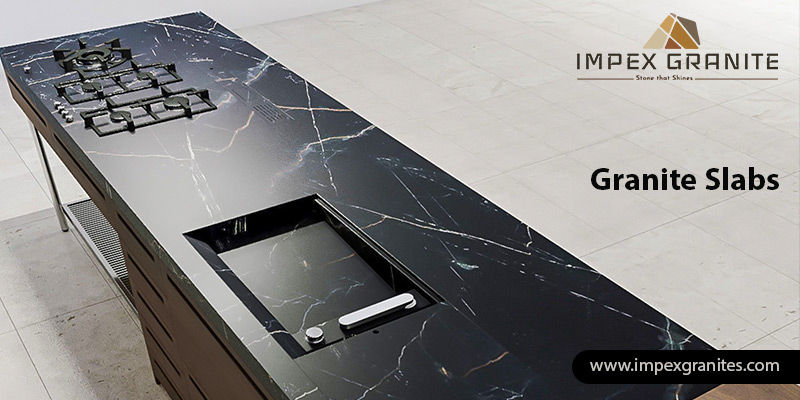
Granite remains a classic. It’s natural, unique, and heat resistant. But it’s porous. If you choose granite, you’re signing up for occasional sealing. It’s a great choice for someone who loves the organic variation of nature and doesn’t mind a bit of upkeep. Quartzite is another natural stone that’s gained popularity. It looks like marble but acts like granite. It’s harder and less porous, making it a fantastic middle ground for those who want the luxury look without the high anxiety of maintaining pure marble.
And then there’s marble. Oh, marble. It’s the diva of countertops. It etches, it stains, it scratches. But it’s also undeniably beautiful. Choosing marble is a lifestyle statement. It says, "I accept imperfection as part of the beauty." It’s for the person who sees a wine stain as a patina, not a flaw. If that’s not you, stay away. There are also newer engineered options and solid surfaces that mimic these looks with better performance. The key is to match the material’s personality to your own. Don’t fight the stone. Work with it.
The Budget Reality Check and Smart Swaps
Let’s talk money. Not everyone has an unlimited budget. But here’s a secret: you don’t need to cover every inch of your kitchen in the most expensive stone to get the look and function you want. One way to stretch your budget beautifully? Choose a stunning natural stone for your island and use a complementary engineered material around the perimeter. It keeps costs reasonable and creates visual interest.
This strategy works for several reasons. The island is often the focal point. It’s where you entertain, where guests gather, and where you want that "wow" factor. Using a high-end material like marble or exotic granite there makes sense. The perimeter counters, however, are often used for prep work, appliance landing zones, and general clutter. Using a durable, cost-effective material like quartz or laminate there is practical. It handles the wear and tear better anyway.
We’ve also seen how even a basic countertop swap can change everything. You don’t always need a full remodel. Sometimes, just updating the surface can infuse your kitchen with personality, function, and the kind of lasting quality that increases your property’s value. In fact, real estate professionals consistently point to upgraded countertops as a feature that attracts buyers and sets homes apart in the market. But remember, when reselling, neutral and durable often wins over highly specific or high-maintenance choices. Think about the next owner’s lifestyle, too.
Design Ripple Effects: More Than Just a Surface
Here’s something people often overlook: countertops dictate other design elements. Because countertops cover large visual areas, they naturally become the focal point. This affects cabinet finishes, backsplash materials, appliance colors, and even flooring selections. Builders who guide buyers in the right sequence avoid mismatches and costly redesigns.
If you choose a busy, patterned granite, you might want simpler, solid-color cabinets and a subtle backsplash. If you go with a clean, white quartz, you have more freedom to play with bold cabinet colors or intricate tile work. Your countertop choice sets the tone. It’s the anchor. If you pick it last, you might find yourself constrained by what’s left. If you pick it first, based on your lifestyle, everything else falls into place more easily.
Nothing creates visual appeal in a kitchen like a well-chosen countertop! But that appeal comes from harmony, not just the stone itself. Before we make a selection, we should ask: Does this surface complement the light in the room? Does it clash with the floor? Does it make the space feel larger or smaller? These are lifestyle questions too. A dark countertop in a small, dark kitchen might feel oppressive, affecting your mood when you’re trying to cook breakfast. A light, reflective surface might open up the space, making morning routines feel brighter and easier.
As we move through 2026, trends are shifting towards sustainability and longevity. People are less interested in fast-fashion interiors and more interested in pieces that last. Choosing a countertop that fits your lifestyle is a form of future-proofing. It ensures that your kitchen remains functional and beautiful for years, not just months. It reduces the likelihood of needing to replace it prematurely due to damage or dissatisfaction.
Consider the environmental impact too. Natural stones are durable and long-lasting, which is sustainable in its own right. Engineered quartz often contains recycled materials. Some newer surfaces are made from recycled glass or paper composite. Aligning your choice with your values is part of the lifestyle equation. If you care about eco-friendliness, look for materials that reflect that. If you care about supporting local artisans, maybe a locally sourced soapstone or concrete is the right path.
Ultimately, the right choice can infuse your kitchen with personality, function, and the kind of lasting quality that increases your property’s value. It’s an investment in your daily happiness. Every time you walk into your kitchen, you should feel at ease. You shouldn’t be worried about scratching the surface or staining it. You should feel confident that your space supports your life, not complicates it. That’s the power of choosing wisely.
So, take a breath. Step back from the shiny samples. Think about your last Tuesday night. What were you doing? What did you cook? What did you clean up? Let that reality guide you. Because when your countertop matches your lifestyle, your kitchen stops being just a room and starts being a true home. And honestly, isn’t that what we’re all aiming for? A space that works for us, not against us.