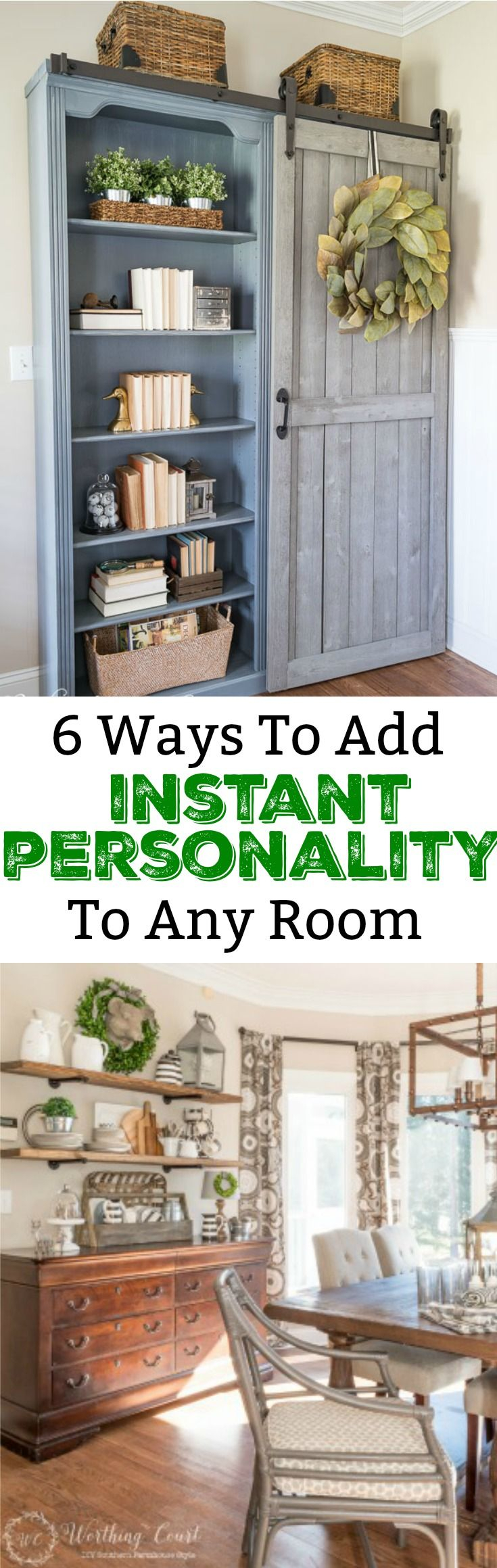
Let’s be honest for a second. We all have that one corner of the house that makes us wince every time we walk past it. Maybe it’s the kitchen with the honey-oak cabinets from 1995, or the bathroom that feels like a time capsule from a decade we’d rather forget. The instinct is often to tear it all out. Start fresh. Call the contractors. But then you look at the price tags in 2026, take a deep breath, and realize that a full-scale remodel isn’t just expensive—it’s exhausting. It disrupts your life, drains your savings, and honestly, does it really need to be that dramatic?
The good news is that modern design has shifted. It’s no longer about having the most expensive materials or the trendiest layout. It’s about intentionality. It’s about light, texture, and those small, thoughtful details that make a space feel curated rather than just accumulated. You don’t need to knock down walls to breathe new life into your home. In fact, some of the most impactful changes are the ones that cost the least. We are talking about swaps, paints, and strategic styling choices that trick the eye into seeing a completely different room.
So, put down the sledgehammer. You don’t need it. What you need is a plan, a little bit of elbow grease, and an eye for potential. Whether you are renting and can’t change a thing structurally, or you’re a homeowner who wants to save your budget for something bigger later, there are ways to make your space feel current, calm, and distinctly yours. Let’s dive into how you can transform your environment without transforming your bank account into a ghost town.
The Power of Paint and Hardware Swaps
If there is one truth in home design, it’s this: paint is the great equalizer. It is cheap, it’s forgiving, and it changes everything. But in 2026, we aren’t just talking about painting walls. We are talking about painting the things you thought were permanent. Those dated kitchen cabinets? A coat of high-quality satin enamel in a warm white or a moody sage green can make them look custom-built. It’s not just about coverage; it’s about cohesion. When you unify the color palette of your built-ins, the eye stops tripping over the old wood grain and starts appreciating the lines of the furniture.
But paint alone can feel flat if you don’t address the touchpoints. This is where hardware comes in. Think of cabinet pulls, door knobs, and faucet handles as the jewelry of your home. You wouldn’t wear a stunning dress with scuffed, plastic shoes, right? The same logic applies here. Swapping out brass-toned builder-grade knobs for matte black, brushed nickel, or even modern ceramic pulls can instantly date-jump a room. It’s a surprisingly tactile experience. Running your hand over a cool, solid metal handle feels substantial and luxurious, even if that handle only cost you three dollars.
The key here is consistency. Don’t mix too many finishes unless you are very confident in your eclectic style. Stick to one or two metal tones throughout a single room to create a sense of order. And remember, you don’t have to do the whole house at once. Start with the kitchen or the primary bathroom. These are the high-traffic zones where updates yield the highest visual return. It’s a weekend project that costs less than a nice dinner out for two, yet it impacts your daily life every single time you open a drawer.
Lighting: The Invisible Architect
Lighting is often the most overlooked element in a budget refresh, yet it is arguably the most important. Bad lighting can make a beautiful room feel sterile or depressing. Good lighting can make a modest room feel cozy and expansive. The first step is to banish the "big light." You know the one—that single, harsh ceiling fixture that casts unflattering shadows on everyone in the room. In 2026, layering is the standard. You want ambient light, task light, and accent light working together.
Start by swapping out old, yellowed lampshades for crisp, clean linen ones. It sounds trivial, but the difference in the quality of light is immediate. Then, look at your bulbs. Ditch the cool, blue-white LEDs for warm whites (around 2700K to 3000K). This simple change softens edges and makes skin tones look better, creating a welcoming atmosphere that invites you to linger. If you have recessed lighting that feels too clinical, consider adding plug-in sconces. Thanks to modern battery-operated options or clever cord-concealing kits, you can add wall lighting without hiring an electrician to rewire your walls.
Don’t underestimate the power of floor lamps either. A tall, arched floor lamp in a dark corner can draw the eye up and make ceilings feel higher. It adds vertical interest and breaks up the boxy feel of a room. And if you’re feeling adventurous, try painting an old, ugly lamp base. A spray paint can in matte black or gold can resurrect a thrift store find and make it look like a designer piece. Lighting sets the mood. It tells your brain whether it’s time to work or time to unwind. Take control of that narrative.
Textiles and the Layering Effect
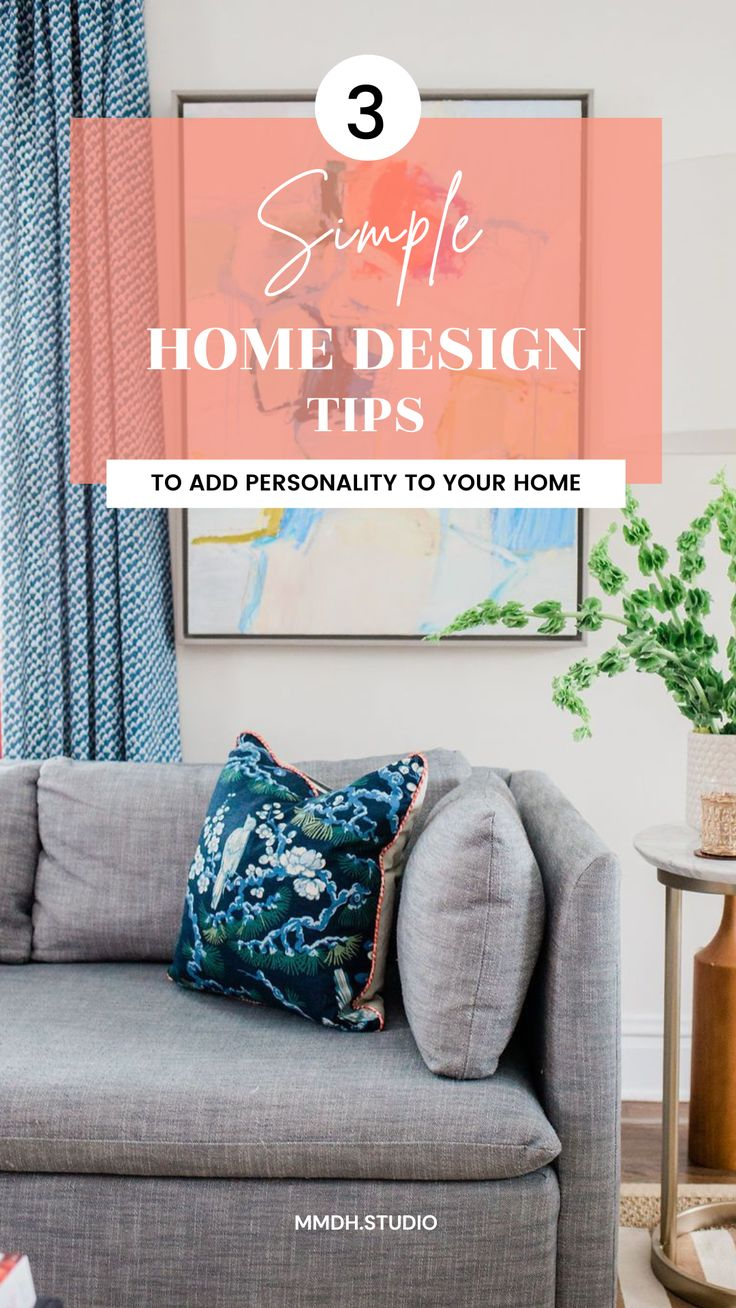
Hard surfaces are cold. They bounce sound and feel impersonal. To modernize a space without construction, you need to introduce softness. This is where textiles come in. Rugs, curtains, throw pillows, and blankets are the easiest way to inject color, pattern, and texture into a room. But the trick isn’t just buying new stuff; it’s about how you layer it. In 2026, the trend is moving away from perfectly matched sets and toward curated collections that feel lived-in and authentic.
Consider the rug situation. If you have old carpet that you can’t replace, lay a large area rug over it. Not a tiny one that floats in the middle of the room, but a substantial piece that anchors the furniture. If the floor is hardwood but scratched, a rug hides the sins of the past. Layering a smaller, patterned rug over a larger, neutral jute or sisal rug adds depth and visual interest. It creates a sense of luxury and complexity that a single rug just can’t achieve. It also helps with acoustics, dampening the echo in empty rooms.
Window treatments are another quick win. Replace flimsy, shiny polyester curtains with heavy, textured linen or cotton blends. Hang them high—close to the ceiling, not just above the window frame—and wide. This draws the eye upward and makes the windows appear larger and more grand. Even if the windows themselves are old and drafty, the illusion of height and volume changes the entire proportion of the room. And don’t forget the throws. A chunky knit blanket draped casually over a sofa adds a tactile invitation to sit down and relax. It’s about comfort, yes, but also about visual weight.
Decluttering and Strategic Styling
Here is a hard truth: you cannot decorate your way out of clutter. No amount of trendy vases or expensive art will make a messy room feel modern. In fact, modern design is deeply rooted in the concept of edited spaces. Before you buy a single new item, take a good, hard look at what you already have. Does it serve a purpose? Does it bring you joy? If the answer is no, let it go. Clearing surfaces is the fastest way to make a room feel bigger and more intentional. It costs nothing but time and courage.
Once you’ve cleared the decks, it’s time to style what remains. The goal is not to fill every empty space, but to create vignettes. Group items in threes or fives. Mix heights and textures. Place a tall vase next to a stack of books and a small sculptural object. This creates a visual rhythm that guides the eye across the surface. In 2026, personalization is key. Display things that tell your story—travel souvenirs, family photos in simple frames, or artwork created by friends. These items add soul to a space, which is something you can’t buy at a big-box store.
Mirrors are also a stylist’s secret weapon. They reflect light and double the visual space. A large mirror leaned against a wall in a dark hallway or placed opposite a window can transform a cramped area into something airy and open. You don’t need an ornate, gilded frame; a simple, thin metal or wood frame often looks more contemporary and lets the reflection do the talking. It’s a functional decor piece that works double duty, enhancing both light and space perception.
Kitchen and Bathroom Micro-Updates
The kitchen and bathroom are often the most expensive rooms to renovate, which is why they are the best candidates for micro-updates. You don’t need new countertops to make a kitchen feel fresh. Consider peel-and-stick backsplash tiles. The technology has improved significantly in recent years, and many options now look convincingly like real ceramic or subway tile. They are renter-friendly, easy to clean, and can be installed in an afternoon. It covers up outdated grout or dull walls and adds a pop of personality.
In the bathroom, focus on the fixtures. As noted by experts, replacing outdated faucets, showerheads, and towel bars can modernize the space instantly. Water-saving fixtures are not just eco-friendly; they often have sleeker, more modern designs than their older counterparts. Swap out a cloudy, stained shower door for a clear glass one if possible, or simply deep clean and polish the existing hardware until it shines. Sometimes, the issue isn’t the age of the fixture, but the buildup of years of soap scum and mineral deposits.
Caulk is another unsung hero. Fresh, white caulk around the tub, sink, and baseboards makes a room look meticulously maintained. Yellowed, cracking caulk screams neglect. Re-caulking is a ten-dollar job that takes an hour, but it makes the whole room feel tighter and cleaner. Add a few plants—real or high-quality faux—to bring life into these often sterile environments. A pothos trailing from a shelf or a eucalyptus bundle in the shower adds a spa-like quality that feels luxurious and calming.
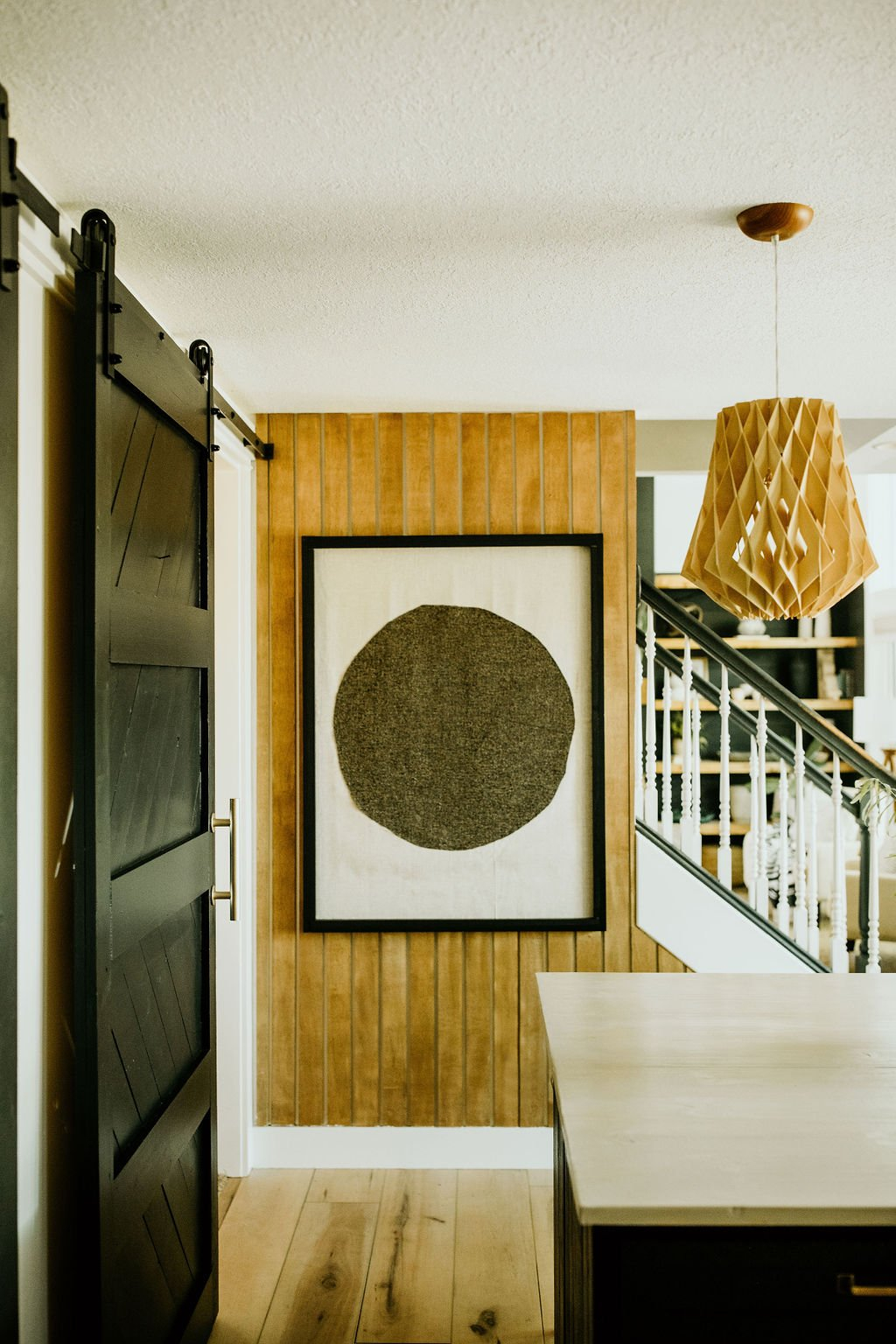
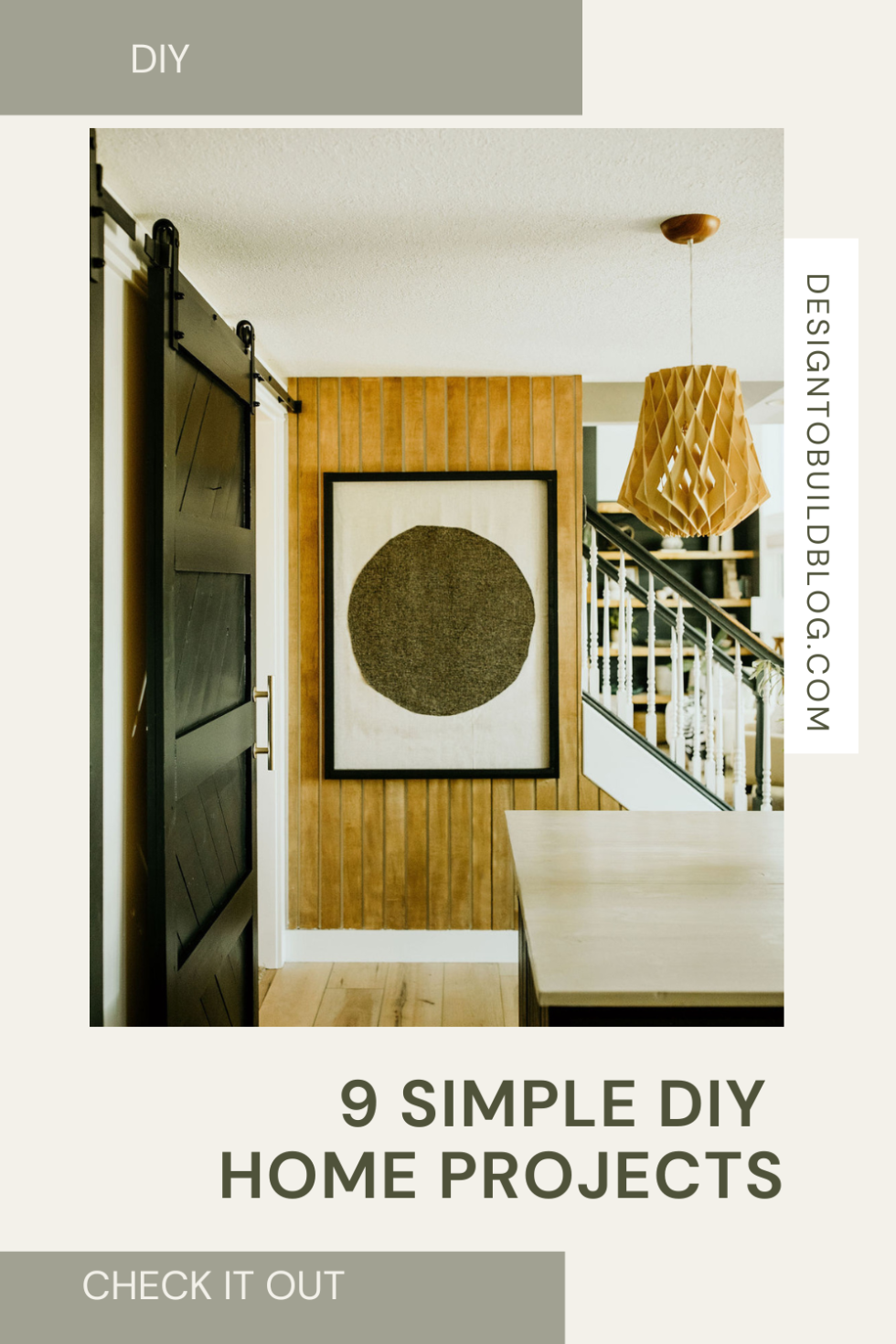
Walls are the largest canvas in your home, and they are often left bare or covered in generic builder-beige. Changing the wall treatment can define a space without changing its structure. Accent walls are still relevant, but the approach has evolved. Instead of just painting one wall a bold color, consider adding architectural interest with removable wallpaper or simple wood slats. Vertical wood slats can add warmth and texture, creating a focal point behind a bed or a TV console. They are relatively easy to install with adhesive strips and can be removed later without damage.
Art doesn’t have to be expensive to be effective. Large-scale art makes a bigger impact than a gallery wall of tiny prints, which can sometimes look cluttered. You can create your own large-scale art by framing a beautiful piece of fabric, a large map, or even a high-resolution print of a public domain painting. The frame matters—choose something substantial and simple. A thick, black or natural wood frame elevates the piece, making it feel intentional and grounded.
Finally, don’t forget the doors and trim. Painting interior doors a contrasting color, such as a deep navy or charcoal, can add a sophisticated punch to a neutral hallway. It draws attention to the architecture and adds a layer of depth. If your trim is dark and dated, painting it the same color as the walls (or a slightly lighter shade) can make the ceilings feel higher and the room more seamless. These are subtle shifts, but they accumulate. They change the way light hits the surfaces and the way your eye travels through the space.
Modernizing your home isn’t about keeping up with every fleeting trend. It’s about creating a space that feels good to live in. It’s about removing the friction of outdated design and replacing it with clarity, comfort, and personal expression. By focusing on paint, lighting, textiles, decluttering, micro-updates, and wall treatments, you can achieve a transformation that feels profound without the trauma of a full renovation.
Remember, perfection is not the goal. Progress is. Your home should evolve with you. It should reflect where you are now, not where you were ten years ago. So start small. Pick one room. Pick one project. See how it feels. You might find that the satisfaction of creating a beautiful space with your own hands is worth far more than the convenience of hiring it done. And in 2026, with resources and inspiration more accessible than ever, there has never been a better time to fall in love with your home all over again.