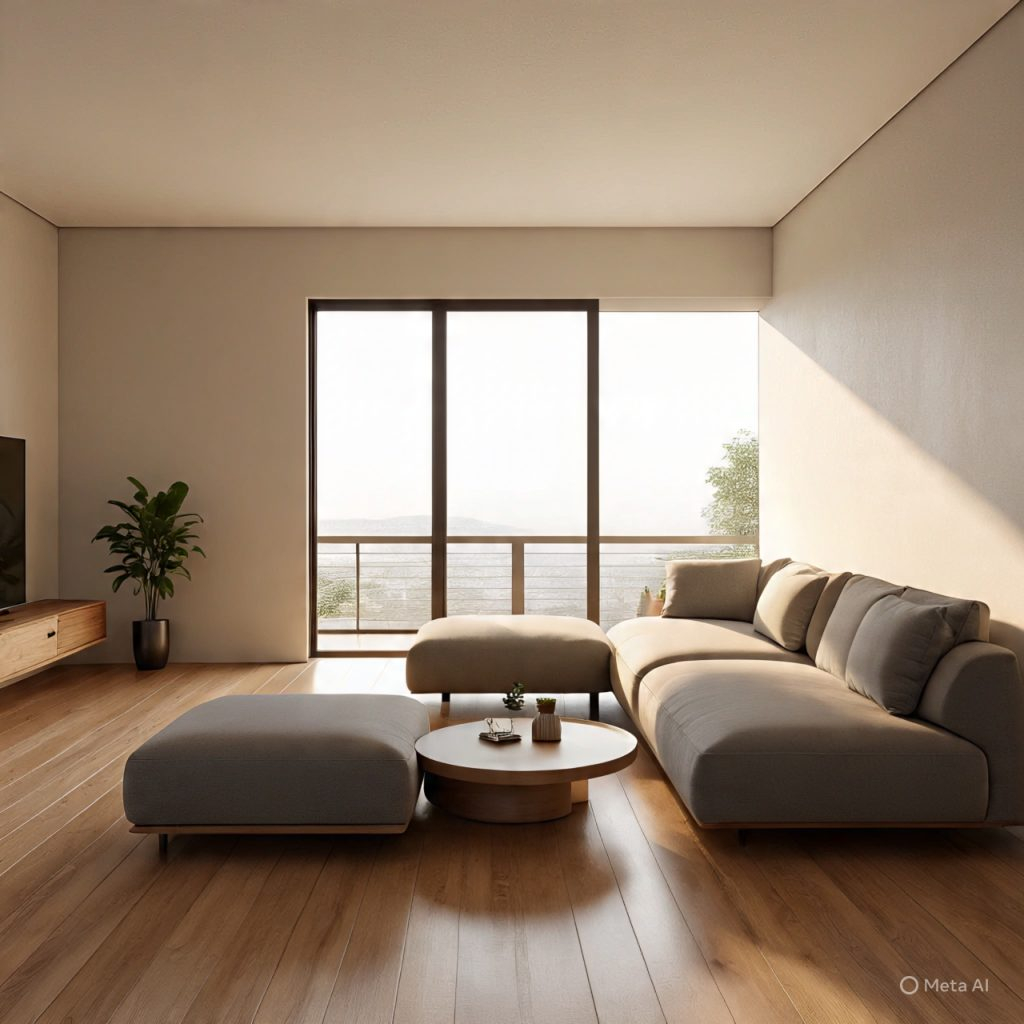
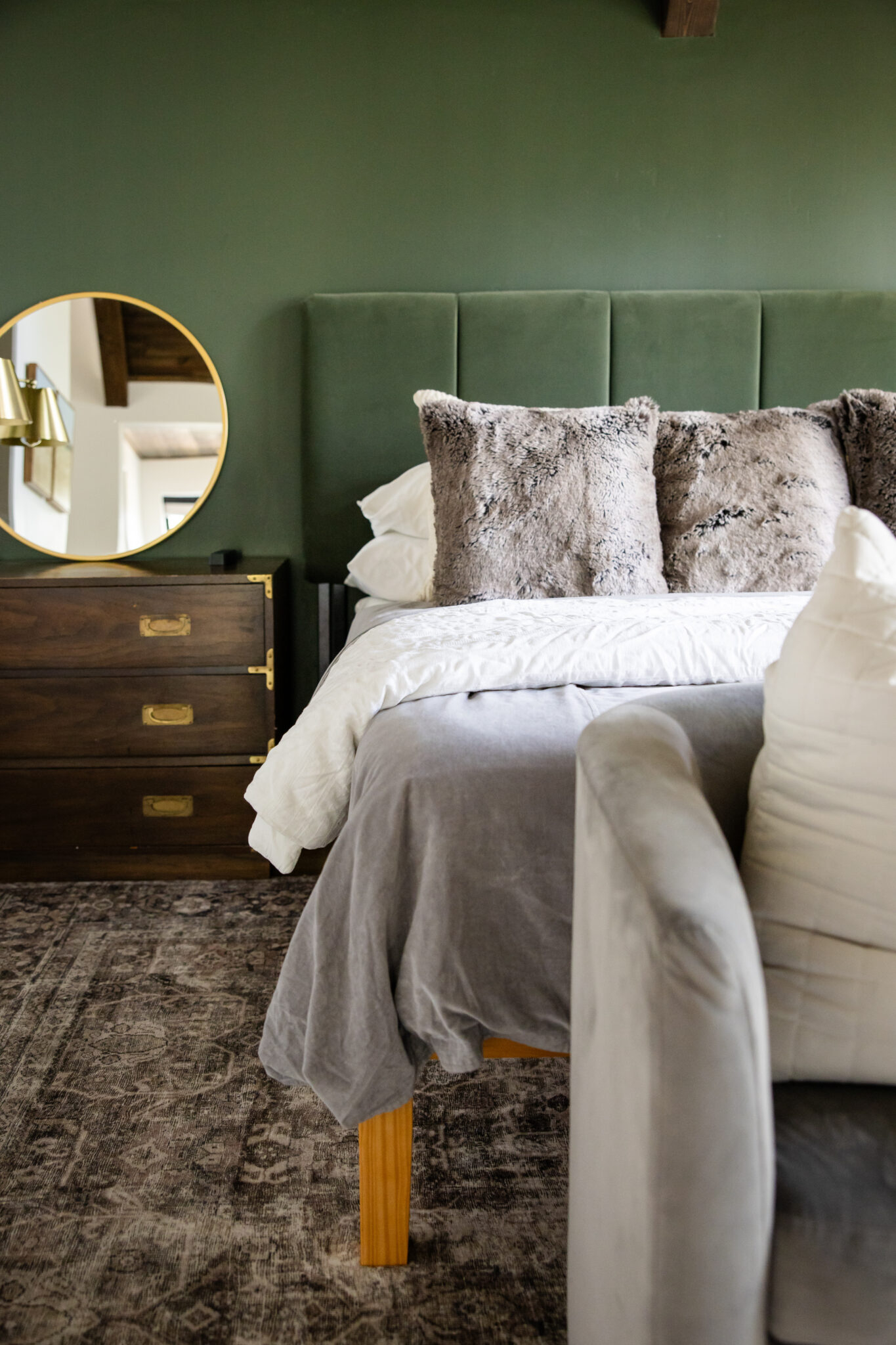
We have all done it. You open an app, look at a gorgeous photo of a pristine room, and think, if only my couch looked like that, I would finally feel at peace. But then reality hits. The moment you try to live in those hyper-curated spaces, you realize they are totally silent. They don’t talk back to your actual habits, and they definitely do not help you start a conversation with the people you love.
The truth is, a beautiful room can actually kill real connection if it is designed only to be stared at. When you arrange every piece of furniture toward a giant television or position chairs too far apart just to make a room look bigger, you create a chilly museum vibe. It is time to move past the screen and start a real daily relationship with your surroundings.
Why Perfectly Styled Rooms Can Feel So Empty
Have you ever walked into a house that looked flawless but felt completely cold. It happens because we often design for the eyes instead of the body. When we copy online pictures exactly, we forget about things like spatial flow and human warmth. A room that is too neat tells people "don’t touch anything," which is the exact opposite of what a comforting home should do.
True comfort comes from spaces that feel alive and flexible. If your living area requires you to yell across the room just to ask your partner about their day, the layout isn’t working for you. Your home should be a place where you naturally want to linger, not a sterile showroom.
Turning Your Layout Into an Invitation for Chitchat
If you want your friends and family to actually talk to each other, you have to invite them to do so through your furniture. Instead of pushing every single chair against the walls, try pulling them inward to create little islands of comfort. Designers often call these conversation circles, and they make a massive difference.
- Arrange seating within an easy speaking distance of about six to eight feet.
- Face chairs toward each other rather than pointing every single seat at the TV screen.
- Put down a plush rug to tie the seating zone together and make it feel cozy.
Designing Cozy Corners for Personal Quiet Time
Not every part of your home needs to be social. Sometimes, building a good relationship with your space means creating a tiny sanctuary just for yourself. Look for underused spots, like a quiet corner near a big window or an empty alcove under the stairs.
These little nooks whisper a gentle invitation to slow down and breathe. You only need a couple of things to make this work: a super comfortable armchair, a small table for your mug, and layers of soft lighting. It becomes a dedicated zone where you can read, think, or just stare out the window without any digital distractions.
The Secret Magic of Lighting and Feeling Safe
Lighting completely changes the mood of a room, yet so many people rely entirely on harsh overhead fixtures. To make a room feel truly welcoming, you need to turn off the big ceiling lights and use layered lighting instead. Think table lamps, floor fixtures, and even a few candles.
When the light is soft and warm, people instantly relax. Their shoulders drop, their voices soften, and they feel safe enough to share real stories. It is amazing how a simple shift from bright white bulbs to warm yellow light can change a tense room into a peaceful sanctuary.
Moving Things Around Costs Absolutely Nothing
You don’t need a massive budget or expensive new decor to change the energy of your house. One of the best and most inexpensive tricks is simply shifting what you already own. Rearranging your furniture lets you see your rooms with brand new eyes.
Try swapping a chair from the bedroom into the living room, or angled your sofa differently to open up a walkway. Walk through your front door and notice where your eyes go naturally. If your current setup feels blocked or messy, keep experimenting until the movement through the space feels totally effortless.
Letting Your Home Grow Along With You
Your life changes constantly, so your living space should change too. A home shouldn’t be a frozen project that you finish once and never alter again. It needs to be a continuous project that adapts to your changing hobbies, family size, and daily routines.
If you suddenly find yourself loving morning yoga, clear out a permanent spot on the floor for your mat. If you are reading more books, add a tiny bookshelf next to your favorite chair. When you allow your home to adapt to your actual human needs, it stops being a chore to maintain and becomes a true partner in your daily life.
Building a genuine dialogue with your home doesn’t happen overnight, and it certainly shouldn’t happen all at once. Start by picking one tiny area that feels annoying or uncomfortable and change just one thing about it today.
Listen to how you feel when you sit in your favorite chair, and don’t be afraid to break the design rules you see online. At the end of the day, your house shouldn’t look like an advertisement. It should look, feel, and breathe exactly like you.