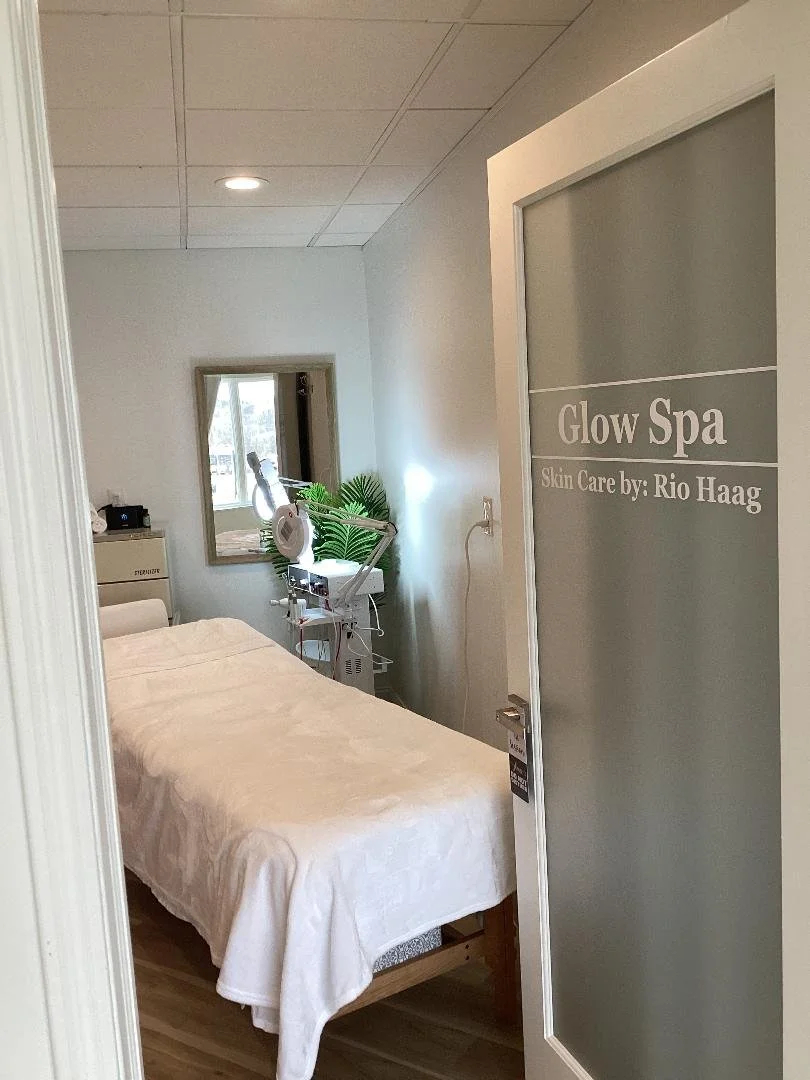
Ever walked into a high-end hotel bathroom and felt your shoulders instantly drop? That sigh of relief isn’t just in your head. It’s the result of intentional design choices that signal safety, comfort, and calm to your nervous system. You don’t need a contractor or a massive bank account to recreate that feeling at home. In fact, some of the most impactful changes cost less than a nice dinner out.
We spend a surprising amount of time in our bathrooms. It’s where we start our day, groggy and hopeful, and where we end it, washing away the stress of work, traffic, and endless notifications. Yet, so many of us treat this space as purely functional. A place to brush teeth and shower quickly. But what if it could be more? What if it became your personal recharge station? The trend toward "wellness interiors" has been growing steadily through 2024 and 2025, and by 2026, it’s clear that people are prioritizing mental health spaces within their existing footprints. You don’t need to knock down walls. You just need to shift the vibe.
Lighting Sets the Mood (Literally)
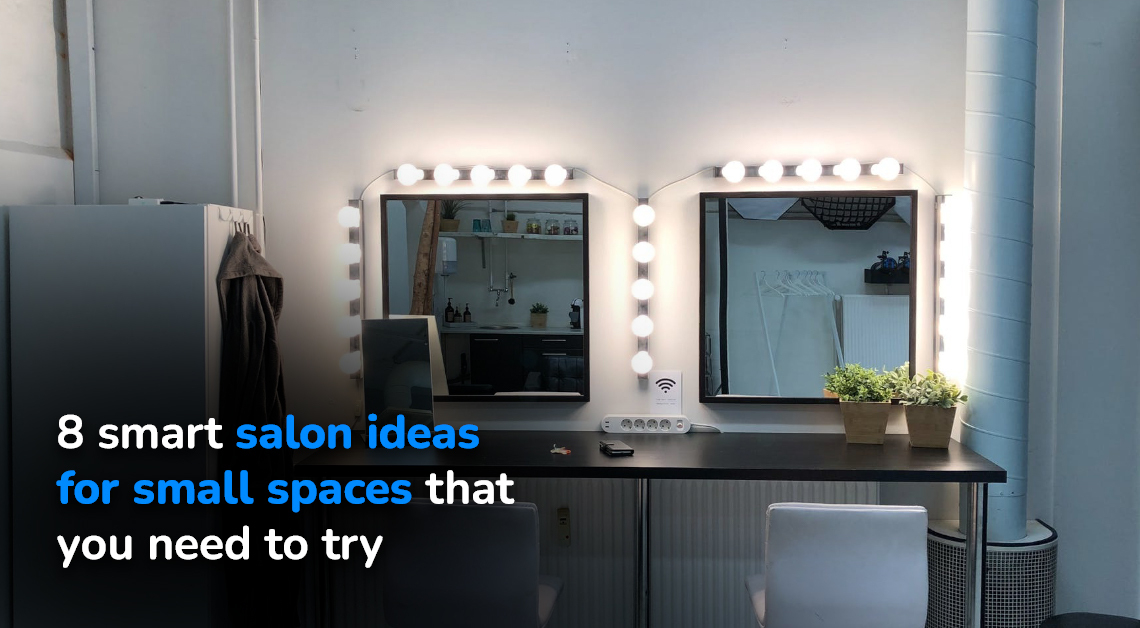
Lighting is probably the single most overlooked element in bathroom design. Most builders install bright, cool-toned overhead lights that mimic hospital fluorescence. While great for shaving or applying makeup, these lights are terrible for relaxation. They suppress melatonin and keep your brain in "alert" mode. To create a spa-like atmosphere, you need layers. Think of it like music; you wouldn’t only listen to one instrument, right? You want depth.
Start by swapping out those harsh bulbs for warm-white LEDs, ideally around 2700K to 3000K color temperature. This softer glow mimics candlelight or sunset, signaling to your body that it’s time to wind down. If you can’t rewire anything, don’t worry. Plug-in sconces or even a small, waterproof LED strip behind the mirror can work wonders. Dimmer switches are another game-changer. Being able to lower the light intensity during an evening bath transforms the room from a utility closet to a sanctuary. Some smart bulbs now even sync with your circadian rhythm, getting warmer and dimmer as the evening progresses. It’s a small tech upgrade with a huge payoff for your sleep hygiene.
Don’t forget natural light either. If you have a window, keep it uncluttered. Use sheer curtains if privacy is a concern, allowing diffuse daylight to filter in during the day. Shadows and soft contrasts are more relaxing than flat, uniform brightness. Try turning off the main overhead light entirely next time you take a bath. Use just a candle or a small lamp. Notice how the room feels larger, quieter, and more intimate. That’s the power of low-level lighting.
Engage All Five Senses
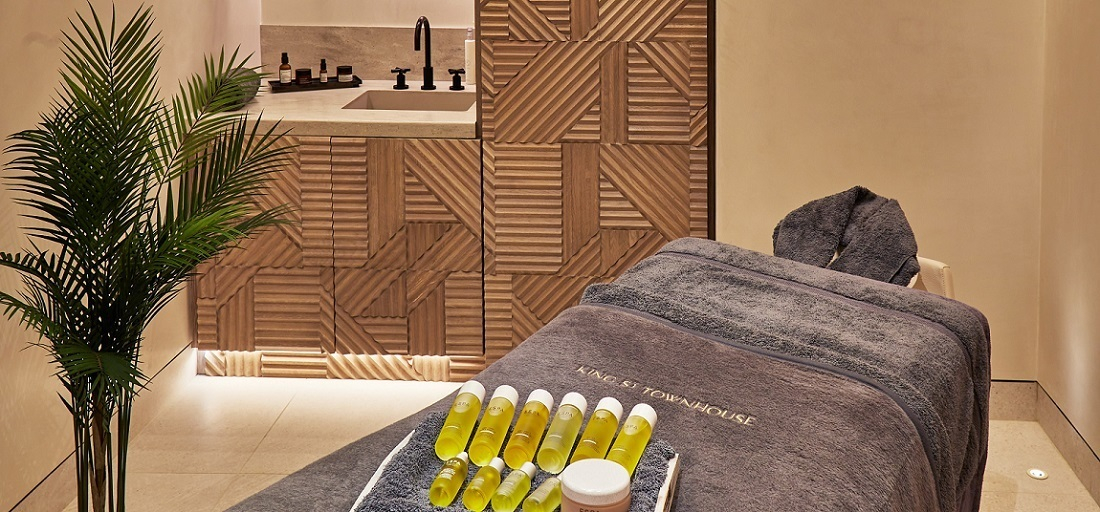
A true spa experience isn’t just visual. It’s multisensory. When you walk into a professional spa, you smell essential oils, hear gentle water features or soft music, and feel plush textures underfoot. Your home bathroom can do the same. Start with scent. Avoid synthetic air fresheners that just mask odors. Instead, opt for natural diffusers with lavender, eucalyptus, or sandalwood. These scents have been shown to lower cortisol levels. You can also keep a bundle of dried eucalyptus in the shower; the steam releases its natural oils, creating a mini aromatherapy session every time you bathe.
Sound is equally important. Bathrooms are often echoey, which can make them feel cold and sterile. Soften the acoustics with textiles. A thick bath mat, plush towels, and even a fabric shower curtain can absorb sound. For background noise, consider a small Bluetooth speaker. Create a playlist of ambient sounds—rain, forest winds, or slow instrumental tracks. Many people find that masking the hum of the house or street noise helps them disconnect mentally. If you’re tech-savvy, some modern showerheads even have built-in speakers, though a simple waterproof speaker on the shelf works just as well.
Touch matters too. Swap out scratchy, thin towels for high-GSM cotton or bamboo alternatives. Bamboo is naturally antimicrobial and incredibly soft, plus it’s sustainable. Add a heated towel rack if your budget allows, or simply warm your towels in the dryer before use. The shock of cold air on wet skin is jarring; warmth extends the feeling of comfort. Even small things like a smooth stone soap dish or a wooden bath tray add tactile variety that makes the space feel curated and cared for.
Declutter to Clear the Mind
Clutter creates visual noise. And visual noise creates mental noise. It’s hard to relax when your counter is covered in half-empty bottles, old razors, and toothpaste splatters. Spas are minimalist for a reason. They remove distractions so you can focus on the present moment. You don’t need to throw everything away, but you do need to edit. Adopt the "only essentials on display" rule. Keep daily items accessible but hidden if possible.
Use baskets, drawers, or closed cabinets to store backups and rarely used products. Clear acrylic organizers can help if you prefer seeing your items, but keep them tidy. Group similar items together. Decanting shampoos and lotions into matching pump bottles not only looks chic but also reduces label clutter. This is a popular hack on social media platforms in 2026, with many users sharing before-and-after shots of their "shelfies." It’s not just about aesthetics; it’s about reducing decision fatigue. When everything has a place, your morning routine becomes smoother and less stressful.
Take a look at your medicine cabinet. Expire old medications and toss products you haven’t touched in six months. Be ruthless. If it doesn’t spark joy or serve a current purpose, let it go. A clear surface invites calm. Wipe down counters daily to prevent buildup. The act of cleaning itself can be meditative if you view it as caring for your space rather than a chore. A clean bathroom feels lighter, airier, and more inviting. It tells your subconscious that this is a safe, controlled environment.
Bring Nature Indoors
Biophilic design—the practice of connecting indoor spaces with nature—is no longer a niche trend. It’s a standard for wellness-focused homes. Plants in the bathroom aren’t just decorative; they improve air quality and add a living, breathing element to the room. However, bathrooms can be tricky for plants due to humidity fluctuations and low light. Choose species that thrive in these conditions. Snake plants, pothos, and ferns are classic choices because they tolerate shade and moisture well.
If you don’t have a green thumb, don’t stress. High-quality faux plants have come a long way. Look for ones with realistic textures and varied leaf shapes. Place them on shelves, hang them from the ceiling, or set a small pot on the toilet tank. The goal is to break up the hard lines of tiles and fixtures with organic shapes. Natural materials also help. Incorporate wood, stone, or bamboo elements. A teak bath mat, a stone soap dispenser, or a rattan basket adds warmth and texture that plastic simply can’t match.
Water features are another way to bring nature in. While a full fountain might be impractical, a small tabletop fountain can add the soothing sound of trickling water. Or, simply focus on the water you already have. Enhance your shower experience with a rainfall showerhead. The wider spray pattern mimics rain, providing a more enveloping and gentle sensation than a standard jet. If you have a tub, consider adding bath salts or oils that contain natural ingredients like sea salt or jojoba oil. Connecting with natural elements grounds us. It reminds us that we are part of a larger ecosystem, which can be incredibly comforting in times of stress.
Create Zones for Ritual
Think about how you use your bathroom. Is it just a rush zone? Or can it be a ritual zone? Creating specific areas for different activities helps mentally separate "getting ready" from "unwinding." If space allows, designate a corner for self-care. This could be a comfy chair for reading, a small stool for foot soaks, or just a clear patch of floor for stretching. The key is intentionality. When you step into that zone, your brain knows it’s time to slow down.
Rituals don’t have to be elaborate. They just need to be consistent. Maybe your evening ritual involves lighting a candle, playing a specific song, and using a facial steamer. Maybe your morning ritual includes five minutes of mindful breathing while the shower warms up. By attaching these actions to your bathroom space, you create anchors. Over time, just entering the room triggers a relaxation response. This is classical conditioning at work, but for your benefit.
Consider adding a small bench or stool if you have the room. Sitting down to apply lotion or dry off changes the pace. It forces you to pause. Standing is active; sitting is passive. In our fast-paced world, passive moments are rare and valuable. Use this time to check in with yourself. How does your body feel? Where are you holding tension? The bathroom can become a place of body awareness, not just hygiene. It’s a private studio for your well-being.
You don’t need to remodel to transform. Some of the best changes are the cheapest. Paint is the most obvious one. A fresh coat of paint in a calming color like sage green, soft blue, or warm beige can completely change the energy of the room. These colors are associated with nature and tranquility. Avoid stark whites, which can feel clinical, or dark blacks, which might feel too heavy for a small space. Test samples on your walls to see how they look in different lights throughout the day.
Hardware swaps are another easy win. Replacing dated faucet handles, towel bars, and cabinet pulls with brushed gold, matte black, or brushed nickel finishes can modernize the space instantly. It’s like changing the jewelry on an outfit. Mirrors also play a huge role. A larger mirror or one with an interesting frame can make a small bathroom feel twice as big. Lean a large floor mirror against the wall if drilling isn’t an option. It adds depth and reflects light, making the room feel airier.
Textiles are the easiest way to add color and comfort without commitment. Swap out your shower curtain, bath mat, and towels seasonally. In winter, go for heavier, warmer fabrics in deep tones. In summer, switch to lighter linens in breezy colors. This keeps the space feeling fresh and aligned with the outside world. Finally, add art. Yes, art in the bathroom. It doesn’t have to be expensive prints. Framed botanical illustrations, abstract watercolors, or even a beautiful photograph can add personality. Just ensure it’s protected from humidity with glass or a sealant. These small touches show that you value the space, and that care radiates back to you every time you walk in.
Turning your bathroom into a spa retreat isn’t about perfection. It’s about intention. It’s about recognizing that this small room plays a big role in your daily well-being. By adjusting lighting, engaging your senses, clearing clutter, bringing in nature, creating rituals, and making smart budget choices, you can craft a sanctuary that supports your mental and physical health. Start with one change today. Maybe it’s buying a new candle. Maybe it’s decluttering one shelf. Small steps lead to big shifts. Your future self will thank you for taking the time to create a space that truly cares for you. After all, we all deserve a little luxury in our everyday lives.