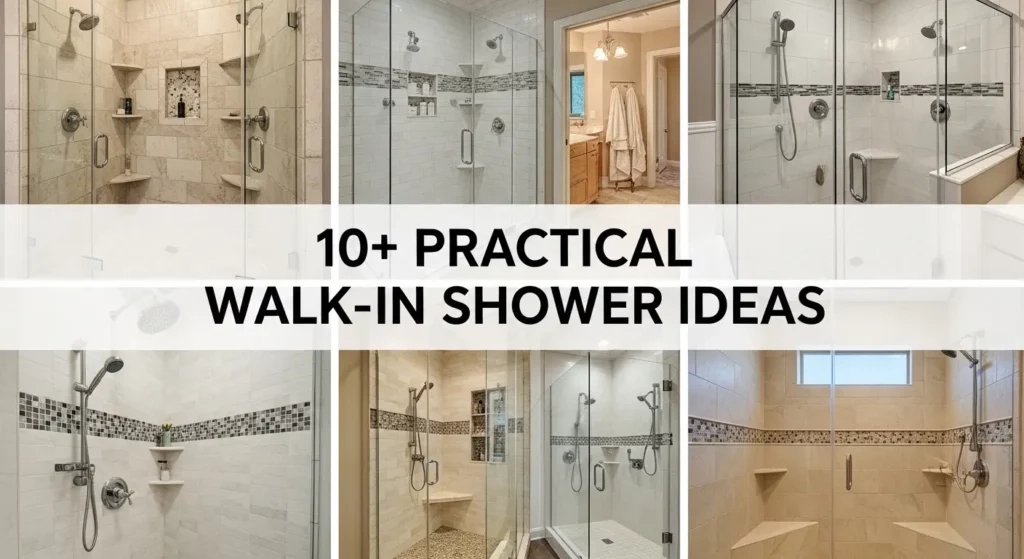
So you’re thinking about ripping out that old tub and putting in a sleek walk-in shower? Maybe you’ve been stepping over the high ledge for years, or perhaps you just want that spa-like vibe every morning. Whatever the reason, it’s a big move. And honestly? It can feel kinda overwhelming. There are tiles to pick, drains to worry about, and a whole lot of decisions hiding behind every wall. But here’s the good news: with the right plan, it doesn’t have to be a nightmare. In fact, it can be pretty exciting.
We’re in 2026 now, and bathroom design has shifted. It’s not just about looking good anymore (though that still matters). It’s about living well. Safety features are getting stylish. Tech is getting smarter but simpler. And people are realizing that a bathroom should work for them, not the other way around. Whether you’re doing a full gut job or just swapping out the shower pan, this guide is here to help you navigate the chaos. Think of it as your cheat sheet. No jargon, no sales pitch. Just real talk about what works, what doesn’t, and how to keep your sanity intact while you’re at it.
Getting Clear on Your Goals and Budget
Before you even look at a single tile sample, you need to know why you’re doing this. Is it for aging in place? Do you have kids who splash everywhere? Or are you just tired of scrubbing mildew off a curtain? Your "why" will drive every decision you make. If safety is the main goal, you’ll prioritize grab bars and non-slip floors. If it’s all about aesthetics, you might lean toward frameless glass and bold patterns. Write it down. Seriously. Put it on paper. It keeps you from getting distracted by shiny objects later on.
Then there’s the money talk. Nobody likes talking about budgets, but skipping this step is how projects go sideways. In 2026, material costs have stabilized somewhat, but labor is still pricey. A basic walk-in shower remodel can run anywhere from $5,000 to $15,000, depending on size and finishes. Luxury setups? Those can easily hit $20,000 or more. Set a number you’re comfortable with, then add 15-20% for surprises. Because there will be surprises. Maybe the subfloor is rotted. Maybe the plumbing isn’t where you thought it was. Having that buffer saves you from panic later.
Don’t forget to think about the timeline too. Are you hoping to finish before the holidays? Do you have guests coming in the summer? Be realistic. A full bathroom remodel usually takes 4-6 weeks if everything goes smoothly. If you’re moving pipes or changing the layout, add more time. Talk to your contractor about their current schedule. Good ones are booked out months in advance. Knowing this early helps you plan your life around the dust and noise. It’s not fun, but it’s better than being stuck without a shower for two months.
Designing for Safety Without Sacrificing Style
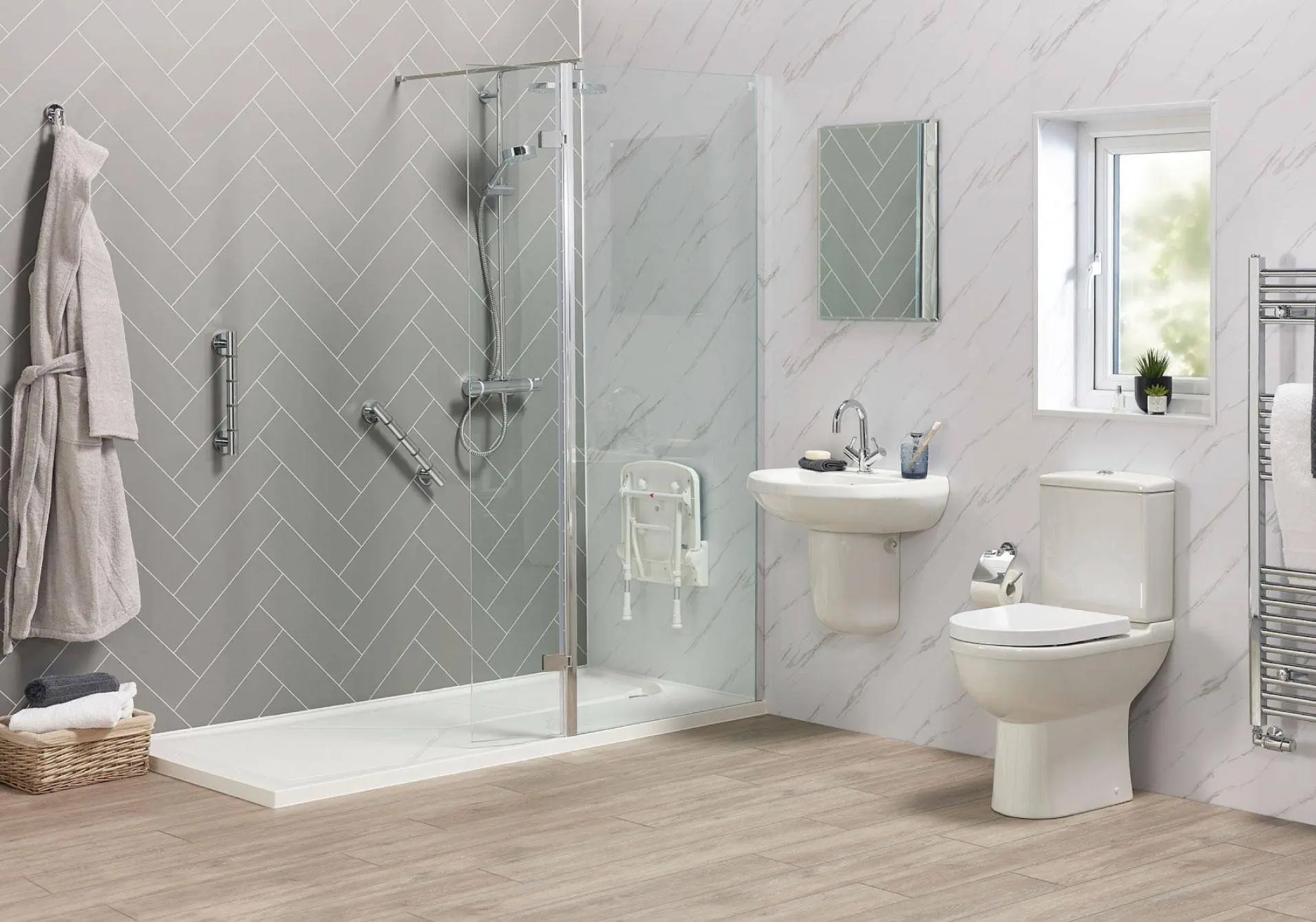
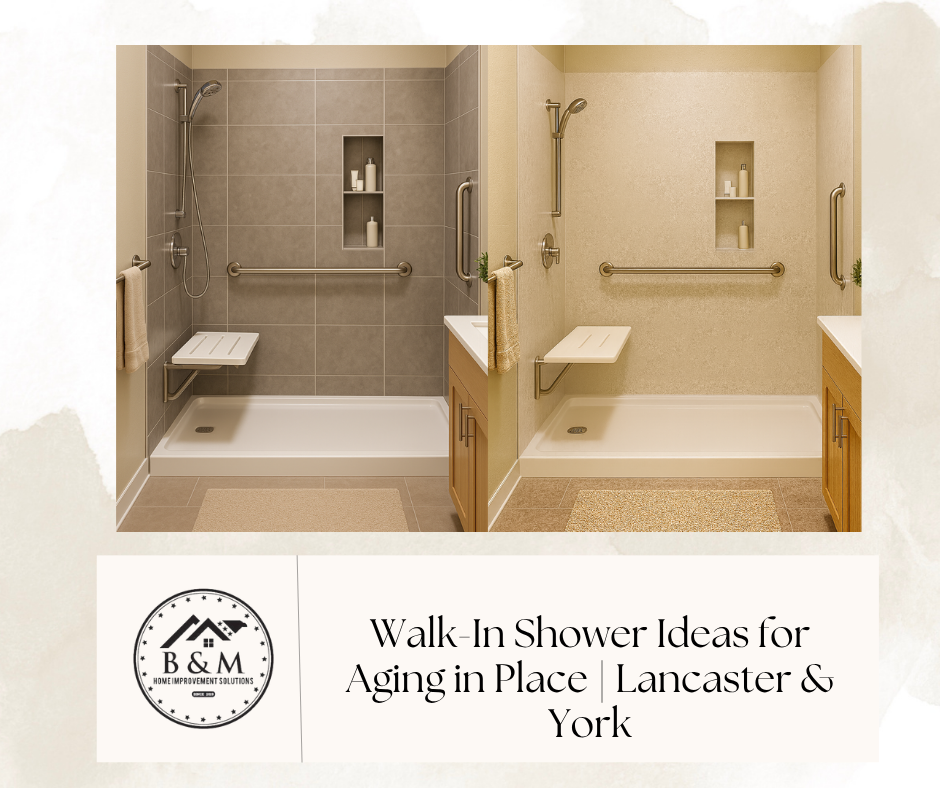
Let’s address the elephant in the room: safety features often get a bad rap for looking clinical. But that’s old news. In 2026, grab bars come in matte black, brushed gold, and even wood-look finishes. They can double as towel racks or shelf supports. See? Functional and fancy. The key is integrating them into the design from the start, not tacking them on as an afterthought. If you’re building new walls, ask your contractor to install blocking behind the drywall. This lets you add bars anywhere you want later, without tearing into tiles. It’s a small step that makes a huge difference.
Flooring is another big one. Slippery tiles are a no-go, especially when wet. Look for materials with a high coefficient of friction. Textured porcelain, natural stone with a honed finish, or specialized anti-slip coatings work great. Avoid glossy surfaces in the shower floor area. It might look nice in the showroom, but it’s a hazard at home. Also, consider the threshold. A zero-entry or low-profile curb is much safer than stepping over a high ledge. It’s easier on the knees and reduces tripping risks. Plus, it gives the space a modern, open feel.
Lighting matters more than you’d think. Shadows can hide wet spots or uneven surfaces. Make sure you have ample light inside the shower niche and around the entry point. Recessed LED lights with waterproof ratings are standard now. They’re energy-efficient and last forever. Add a dimmer switch so you can adjust the brightness for nighttime visits. Soft, warm light is less jarring than bright white bulbs when you’re half-asleep. These little touches make the space feel luxurious and safe at the same time. It’s about creating an environment where you feel confident moving around.
Choosing Materials That Last and Look Good
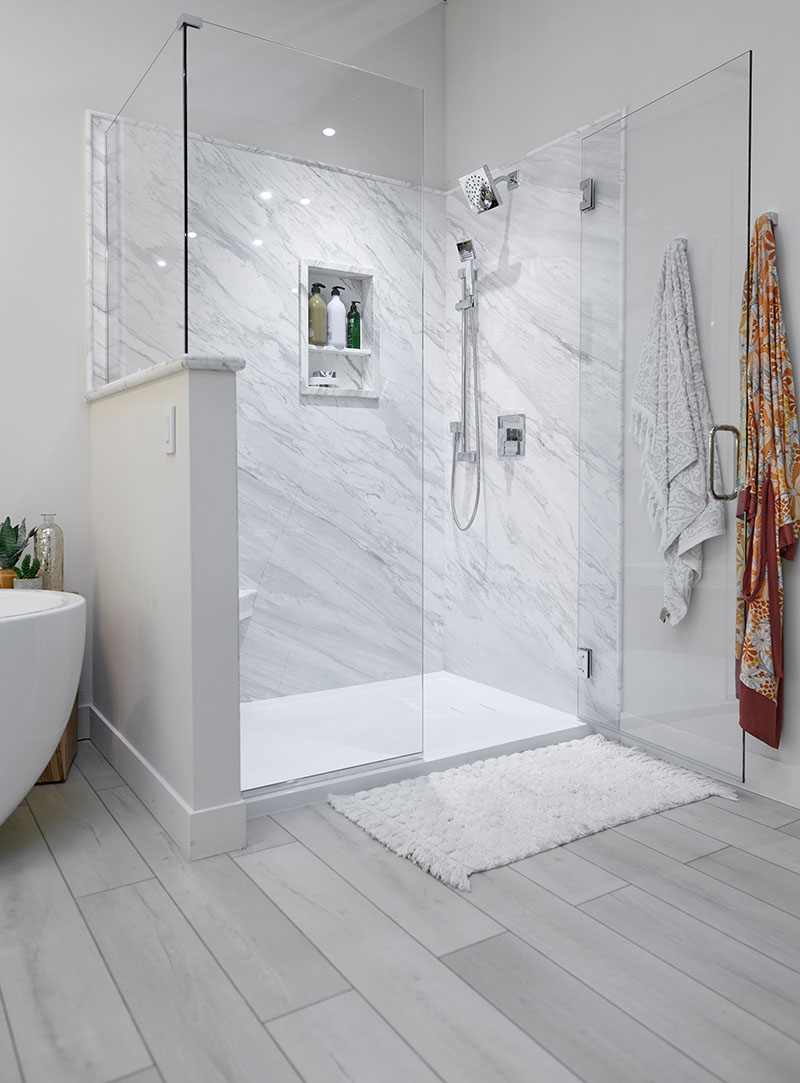
Picking tiles is fun, but it’s also where many people get stuck. There are so many options! Porcelain, ceramic, natural stone, glass mosaic… each has its pros and cons. For 2026, large-format tiles are still trending because they mean fewer grout lines. Less grout means less cleaning and fewer places for mold to hide. If you love the look of marble but hate the maintenance, look into porcelain slabs that mimic stone. They’re durable, stain-resistant, and way easier to care for. Just make sure the color and pattern speak to you. You’ll be looking at them every day.
Grout is the unsung hero of any shower. Don’t cheap out here. Epoxy grout is more expensive upfront, but it’s waterproof, stain-proof, and doesn’t need sealing. Traditional cement grout requires regular sealing and can discolor over time. If you’re on a tight budget, cement grout is fine, but commit to maintaining it. Pick a grout color that complements your tiles. Darker grout hides dirt better, but lighter grout can make small spaces feel bigger. Test samples in your actual bathroom lighting before committing. Colors look different under warm bulbs versus daylight.
Glass doors or panels add a touch of elegance, but they require upkeep. Water spots show up easily. If you hate cleaning, consider a frameless design with a protective coating. These coatings repel water and soap scum, making wipe-downs quicker. Alternatively, skip the door entirely. A well-designed walk-in shower with a slight slope and a good drain can work without a door, keeping the space open and airy. Just ensure your bathroom ventilation is top-notch to handle the extra moisture. It’s a trade-off between aesthetics and practicality, so choose what fits your lifestyle.
Plumbing and Technical Must-Haves
Behind the pretty tiles lies the guts of your shower: the plumbing. This is not the place to cut corners. Old pipes might need replacing, especially if your home was built before the 1980s. Copper and PEX are common choices now. PEX is flexible and resistant to freezing, making it a favorite for many plumbers. Ask your contractor to pressure-test the lines before closing up the walls. It’s a simple step that prevents leaks down the road. And speaking of leaks, waterproofing is critical. A proper shower pan liner and membrane system are non-negotiable. Skip this, and you’re asking for water damage in your walls and floor.
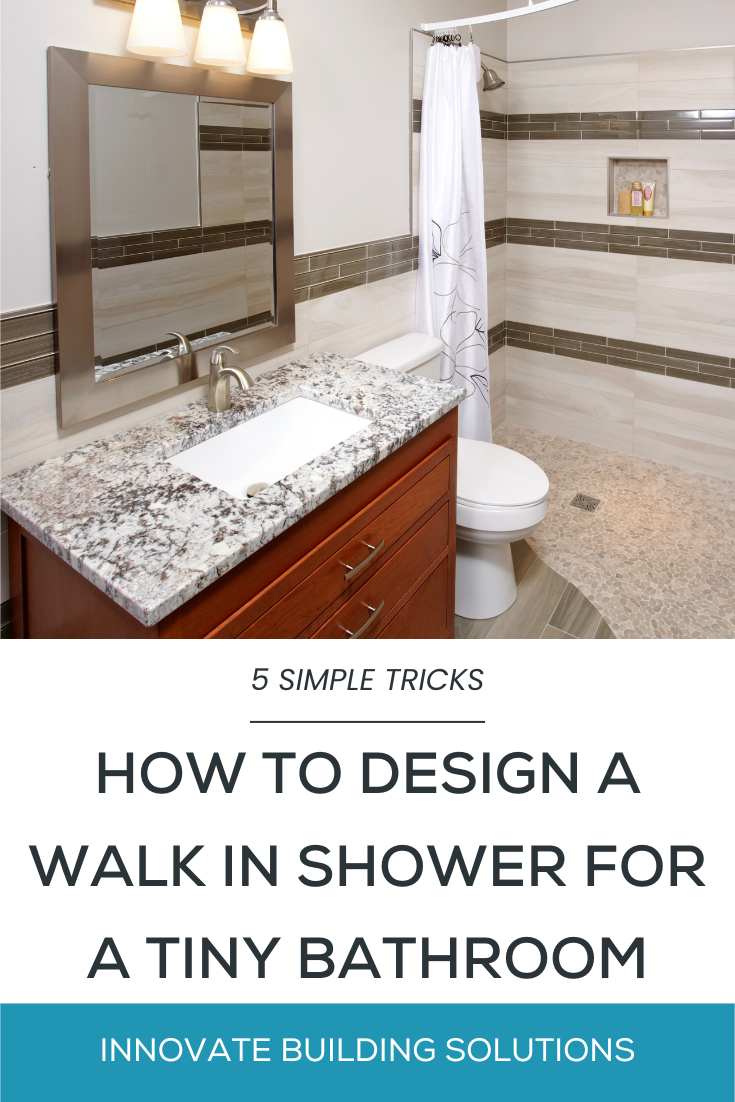
Drain placement affects both function and design. Center drains are traditional, but linear drains are gaining popularity in 2026. They allow for a single-slope floor, which is easier to walk on and looks super modern. Linear drains can also be placed against the wall, giving you more flexibility with tile patterns. Just make sure your plumber is experienced with installing them. Improper slope leads to standing water, which is never good. Also, consider adding a secondary floor drain in larger showers for extra peace of mind. It’s a small cost for big protection.
Water pressure and temperature control are key for comfort. Old mixing valves can be unpredictable. Upgrade to a thermostatic valve that maintains a steady temperature, even if someone flushes a toilet elsewhere in the house. No more cold shocks! If you’re adding multiple showerheads or body sprays, check your water heater’s capacity. You might need a tankless unit or a larger tank to keep up with demand. Talk to a professional about your household’s usage habits. They can recommend the right setup so everyone gets a hot shower without waiting forever.
Smart Features and Modern Conveniences
Technology has snuck into the bathroom, and it’s actually useful. Smart showers let you preset your preferred temperature and flow rate. Some even connect to apps, so you can start warming up the water from your phone before you step in. It sounds indulgent, but it saves water and time. In 2026, these systems are becoming more affordable and easier to install. You don’t need to be a tech wizard to use them. Most interfaces are intuitive, with simple buttons or voice commands. If you’re retrofitting, look for kits designed for existing plumbing.
Ventilation is often overlooked, but it’s crucial for preventing mold and mildew. A standard exhaust fan might not be enough for a large walk-in shower. Consider a fan with a humidity sensor that turns on automatically when moisture levels rise. Look for models with low sone ratings for quiet operation. Nobody wants a jet engine roaring every time they shower. Proper venting also helps your bathroom dry faster, reducing the chance of slippery floors. It’s a small investment that pays off in health and maintenance savings.
Storage is another area where smart design shines. Built-in niches are standard now, but think beyond the basics. How many shelves do you really need? What size bottles do you use? Customizing the niche dimensions to fit your products keeps clutter at bay. Add a small bench or ledge for shaving or resting a foot. Heated floors are also gaining traction. They’re not just for luxury; they help dry the floor quickly and feel amazing on cold mornings. If your budget allows, it’s a worthwhile upgrade that adds daily comfort.
Once the construction is done, the real test begins: living with it. Take time to inspect everything before the final payment. Check for loose tiles, proper caulking, and smooth door operation. Run the water and look for leaks. Test the drain speed. Make sure the lights work and the fan is quiet. Create a punch list of any issues and have your contractor fix them before they leave. It’s much harder to get things corrected once they’re gone. Don’t be shy about speaking up. This is your home, and it needs to be right.
Maintenance is simpler if you choose wisely from the start, but it still requires effort. Squeegee the glass after each use to prevent water spots. Wipe down tiles weekly with a mild cleaner. Avoid harsh chemicals that can damage grout or seals. Re-seal natural stone annually if you went that route. Keep an eye on caulking around edges. If it starts to peel or discolor, replace it promptly to prevent water intrusion. These small habits extend the life of your shower and keep it looking fresh.
Finally, enjoy it. You’ve put in the work, made the tough decisions, and navigated the stress. Now take a long, hot shower and appreciate the result. Notice how the light hits the tiles. Feel the warmth of the floor. Breathe in the clean air from the new fan. This space is yours, tailored to your needs and style. It’s more than just a bathroom upgrade; it’s an improvement in your daily quality of life. And that’s worth every penny and every headache along the way. Cheers to your new sanctuary.