Ever walk into a room and just feel… right? Like the space was waiting for you. That’s not magic. It’s design. But in 2026, it’s something more. It’s design that knows you. It’s materials that don’t hurt the planet. We’re done with houses that are just boxes to store our stuff. We want homes that work with us, not against us.
The vibe this year is different. It’s less about showing off and more about feeling good. You’ve probably noticed it too. Those open-concept mega-spaces? They’re getting chopped up. Not completely, but enough to give us some peace. And those shiny, plastic-looking finishes? Gone. Replaced by stuff you can actually touch and feel. Wood. Stone. Things that age well.
It’s a big shift. And honestly? It’s about time. We spent years stuck inside, realizing our homes needed to do more. They needed to be offices, gyms, schools, and sanctuaries. Now, we’re building them to handle all that without falling apart. Or driving up our energy bills to insane levels. Let’s dig into what’s actually happening in homes across the country this year.
The End of the Open Concept (Sort Of)
Remember when everyone knocked down every wall they could find? Yeah, that’s over. Well, mostly. In 2026, we’re seeing a move toward "broken plan" living. It’s a fancy term for adding some boundaries back. Think sliding doors. Glass partitions. Half-walls. You still get the light. You still feel connected. But now, you can close the door when you’re on a Zoom call or your partner is blasting music in the living room.
This isn’t just about noise. It’s about focus. And privacy. People are working from home more than ever. Maybe not full-time, but enough that having a dedicated spot matters. These smart layouts use movable elements. A bookshelf on wheels. A curtain track hidden in the ceiling. Simple stuff. But it changes everything. You control the space. The space doesn’t control you.
Architects are calling it "flexible zoning." I call it sanity. You can have a kitchen that flows into the dining area, but then shut it off when you’re cooking something smelly. Or create a quiet nook in the bedroom for reading. It’s about giving rooms multiple personalities. One minute it’s a play area. The next, it’s a guest room. The key is adaptability. If your life changes, your home should change with it. No sledgehammers required.
Tech That Disappears Into the Walls
Here’s the thing about smart homes in 2026. You don’t see the tech. It’s not a bunch of screens on every surface. That was so 2020. Now, technology is invisible. It’s embedded. Sensors in the floor that know when you’re walking around at night and turn on soft path lighting. Thermostats that learn your body temperature preferences, not just the room temp. Windows that tint automatically when the sun gets too harsh.
It’s subtle. And that’s the point. We want convenience, not complexity. Nobody wants to spend twenty minutes figuring out how to turn on the lights. AI plays a huge role here. But not the chatty robot kind. The quiet, helpful kind. Systems that monitor energy use and adjust things to save money. Leak detectors that shut off water before your basement becomes a pool. It’s protective. It’s efficient.
And let’s talk about health. Air quality monitors are standard now. Not optional extras. They link to your HVAC system. If CO2 levels rise, fresh air comes in. If pollen counts are high outside, the filters kick into high gear. It’s like having a lung for your house. This integration is seamless. You don’t think about it. You just breathe easier. Sleep better. Feel healthier. That’s the real luxury. Not gold faucets. Clean air.
Materials With a Story (and a Conscience)
Look at your floors. Your counters. Your cabinets. What are they made of? In 2026, the answer matters more than the look. We’re seeing a massive surge in bio-based materials. Mushroom mycelium bricks. Hempcrete insulation. Recycled glass countertops that look like marble but don’t cost the earth. Literally. These aren’t hippie experiments anymore. They’re mainstream. High-end. Durable.
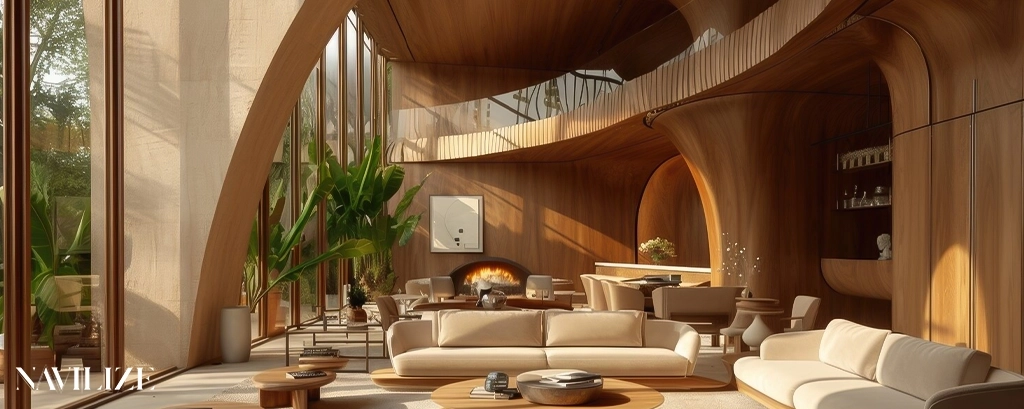
People want transparency. They want to know where their stuff comes from. Did it travel halfway around the world? Did it release toxic fumes? Or was it sourced locally? Made from waste products? There’s a pride in owning something that has a low carbon footprint. It feels good. It looks good too. Natural textures are huge. Rough-hewn wood. Unpolished stone. Linen fabrics. Imperfections are celebrated. They prove it’s real.
Vintage and reclaimed items are also having a moment. Why buy new when you can restore old? It’s unique. It’s sustainable. And it adds character you can’t fake. Designers are mixing these older pieces with modern, eco-friendly tech. A 19th-century table paired with a chair made from recycled ocean plastic. It works. It tells a story. Your home becomes a collection of conscious choices. Not just a showroom catalog.
Wellness as the New Square Footage
Square footage used to be the king. Bigger was better. Not anymore. Now, it’s about wellness. How does the space make you feel? Does it calm you? Energize you? Rest you? This is driving layout changes. Dedicated meditation corners. Yoga studios in spare bedrooms. Showers that feel like spas. Lighting that mimics the sun’s natural cycle to help your sleep.
Biophilic design is everywhere. That’s just a fancy way of saying "bring the outside in." Big windows. Indoor plants. Water features. Natural ventilation. Studies show this lowers stress. Boosts mood. Improves focus. So, we’re designing for it. Not as an afterthought. As a core principle. You’ll see more courtyards. More skylights. More connections to gardens. Even in small urban apartments.
It’s also about accessibility. Homes that work for everyone. Regardless of age or ability. Wider doorways. Zero-step entries. Lever handles instead of knobs. This isn’t just for older folks. It’s for parents with strollers. People with temporary injuries. Everyone. It’s universal design. And it’s becoming the norm. Because a home that’s easy to move through is a home that’s easy to live in. Less friction. More flow.
The Outdoor Room Is Here to Stay
Remember patios? They’re gone. Well, the basic concrete slabs are. In their place are fully furnished outdoor rooms. Heated floors. Weatherproof TVs. Kitchens with pizza ovens. Roofs that retract. The line between inside and outside is blurry. And we love it. After years of being cooped up, we crave fresh air. But we don’t want to sacrifice comfort.
These spaces extend the living area. Effectively adding hundreds of square feet without building a new wing. They’re perfect for entertaining. Or just chilling. Imagine reading a book under a pergola with vines growing overhead. Or having dinner outside even when it’s chilly, thanks to infrared heaters. It’s an lifestyle upgrade. And it boosts property value. Buyers want this. They expect it.
Sustainability plays a part here too. Native plants. Rainwater harvesting systems for irrigation. Solar-powered lighting. Permeable paving that lets water soak into the ground. It’s not just a pretty patio. It’s an ecosystem. It supports local birds and bees. It reduces runoff. It’s smart landscaping. And it makes your backyard a destination. Not just a view from the window.
Energy bills are scary. Climate change is real. So, homeowners are taking control. Net-zero homes are no longer a niche concept. They’re aspirational standards. Solar panels on roofs. Battery storage in garages. Heat pumps instead of gas furnaces. Induction cooktops instead of gas ranges. It’s all about electrification. And efficiency.
Insulation is sexy again. Seriously. Super-insulated walls. Triple-pane windows. Airtight construction. You seal the envelope tight. Then you ventilate it smartly. This cuts energy use by half. Or more. It’s cheaper to run. It’s quieter. It’s more comfortable. No drafts. No cold spots. Just consistent, cozy temps. Year-round.
Government incentives are helping too. Tax credits. Rebates. It makes the upfront cost easier to swallow. And the long-term savings are huge. Plus, there’s peace of mind. Knowing your home can keep running even if the grid goes down. That battery backup? It’s a security blanket. It’s resilience. And in 2026, that’s worth more than granite countertops. It’s about self-sufficiency. Taking care of your own needs. Without hurting the planet.
So, where does this leave us? With homes that are smarter. Greener. Kinder. To us and the earth. It’s not about following trends for the sake of it. It’s about responding to how we live now. And how we want to live in the future. Flexible layouts give us freedom. Sustainable materials give us conscience. Smart tech gives us ease. Wellness design gives us health.
You don’t have to do it all at once. Start small. Swap out a lightbulb. Add a plant. Rearrange a room. Notice how it feels. Listen to your home. It’ll tell you what it needs. And maybe, just maybe, you’ll find that perfect balance. That sense of rightness. Because at the end of the day, a home isn’t just a structure. It’s a feeling. And in 2026, that feeling is warm, wise, and wonderfully alive.