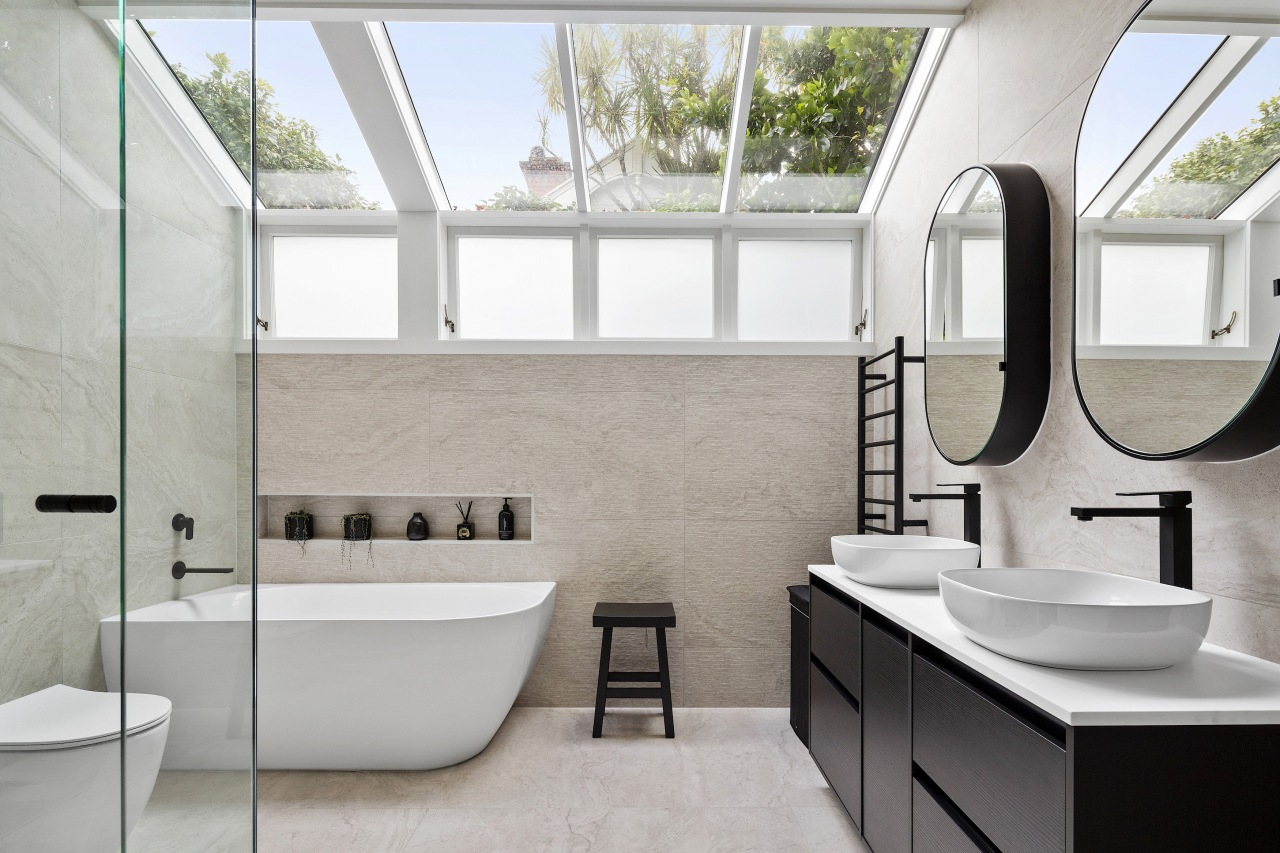
Ever walk into a tiny bathroom and feel your shoulders instantly drop? That’s not magic. It’s design. Specifically, it’s the quiet power of Japandi style. In 2026, as our homes get smaller and our lives get louder, this hybrid aesthetic has become more than just a trend. It’s a survival tactic for sanity. It mixes the rustic coziness of Scandinavian hygge with the sleek, disciplined minimalism of Japanese wabi-sabi. The result? A space that doesn’t just look bigger—it feels deeper. Cleaner. Quieter.
You might think you need square footage to achieve serenity. You don’t. You need intention. Japandi proves that constraint is actually the mother of invention. By stripping away the noise and focusing on what truly matters—light, texture, and function—you can turn a cramped city powder room or a shared family bath into a personal spa. It’s about creating a "deep exhale" every time you step inside. Let’s look at why this specific blend works so well for tight spaces, and how you can steal the look without breaking the bank or knocking down walls.
The Psychology of Less: Why Clutter Feels Heavy
Clutter isn’t just physical stuff. It’s visual noise. In a small bathroom, every extra bottle, towel, or decorative knick-knack fights for attention. Your brain has to process all of it, which creates low-level stress. Japandi design tackles this head-on by embracing the Japanese concept of ma, or negative space. This isn’t about emptiness for the sake of being empty. It’s about giving the eye a place to rest. When you clear the countertops and hide the essentials, the room literally expands.
Scandinavian design adds the crucial layer of warmth here. Pure minimalism can sometimes feel cold or clinical, like a hospital waiting room. Nobody wants to relax in a clinic. By adding warm wood tones and soft textiles, Japandi ensures the space feels inhabited and welcoming, not sterile. Research from recent interior psychology studies suggests that environments with natural materials and organized layouts lower cortisol levels. It’s science, really. A tidy, simple space signals safety to our primitive brains.
So, how do you start? Look at your current bathroom. What’s sitting out that doesn’t need to be? Toothbrushes can go in a drawer. Extra toilet paper can hide in a cabinet. Keep only the daily essentials visible, and choose containers that match. Uniformity reduces visual chaos. When everything has a home and that home is hidden, the remaining objects sing. The space breathes. And suddenly, those four feet by six feet feel like ten by twelve.
Color Palettes That Expand Space Visually
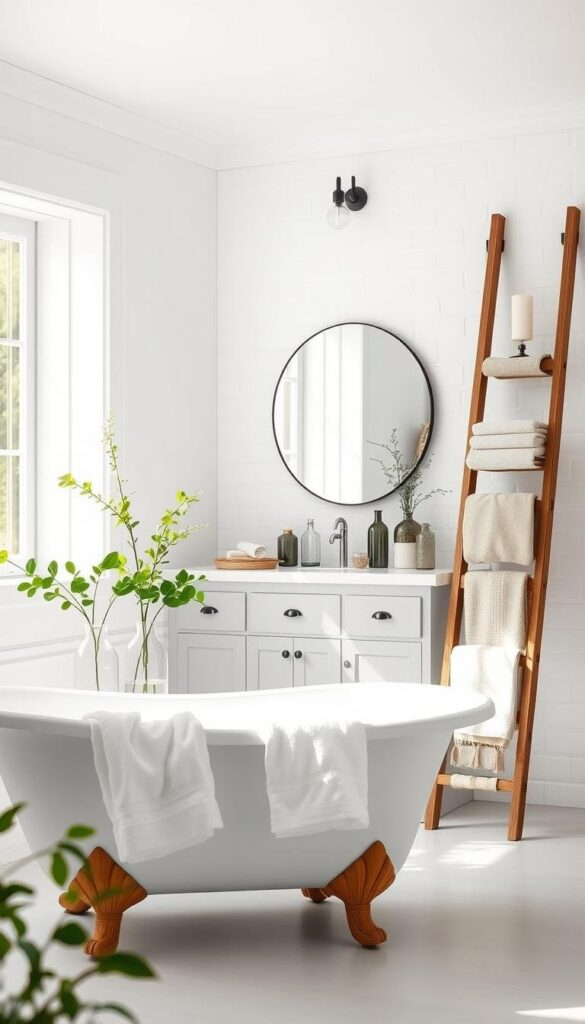
Color is the cheapest renovation tool you have. In small bathrooms, dark or busy patterns can make the walls feel like they’re closing in. Japandi relies on a neutral, earthy palette that reflects light rather than absorbing it. Think off-whites, soft grays, warm beiges, and muted greens. These shades blur the boundaries between walls, floor, and ceiling. When the contrast is low, the eye travels smoothly across the surface, making the room feel continuous and larger.
But it’s not just about painting everything white. That’s boring. The trick is layering tones. Use a slightly warmer white on the walls and a cooler gray on the floor tiles. Or vice versa. This subtle difference adds depth without breaking the visual flow. Natural light plays a huge role here too. If your bathroom lacks windows, mimic daylight with high-CRI (Color Rendering Index) bulbs. They show colors accurately, preventing that yellow, dingy cast that makes small spaces feel grimy.
In 2026, we’re seeing a shift toward "greige" (gray-beige) and soft clay tones. These colors ground the space while keeping it airy. Avoid stark, bright whites unless you’re balancing them with plenty of wood texture. Stark white can glare under artificial light, causing eye strain. Soft neutrals absorb light gently. They create a glow. Try painting your trim the same color as your walls. It removes the visual "frame" around the room, making the boundaries disappear. It’s a simple hack with a massive payoff.
Natural Materials Bring Warmth Without Bulk
One of the biggest mistakes in small bathroom design is using too many different materials. It creates a fragmented, choppy look. Japandi simplifies this by sticking to a core trio: wood, stone, and ceramic. Wood brings the Scandinavian warmth. Stone and ceramic bring the Japanese grounding. When you limit your material palette, the space feels cohesive. Cohesion equals calm. And because these materials are timeless, you won’t feel the urge to renovate again in three years.
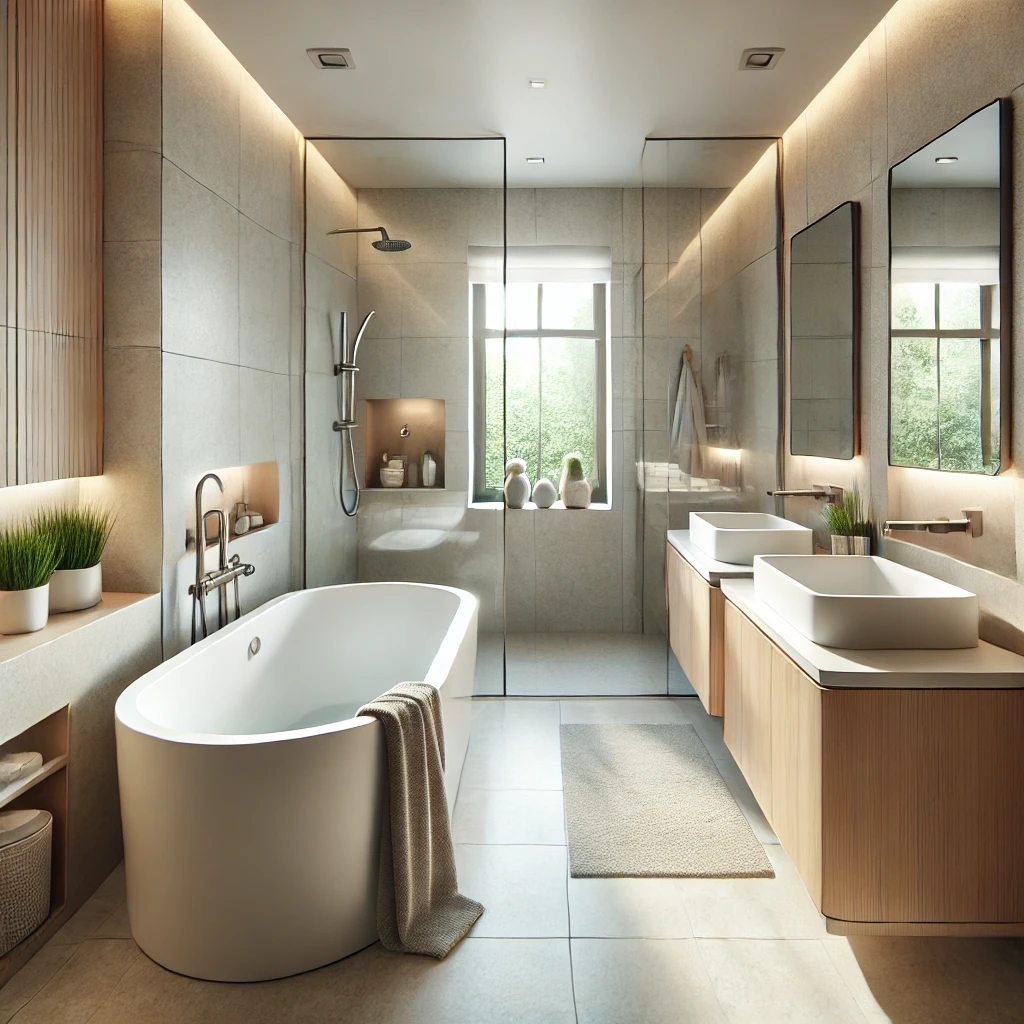
Wood is the star player here. But bathrooms are wet. So, you can’t just slap any plank on the wall. Use teak, cedar, or properly sealed oak for vanities or shelving. These woods resist moisture and age beautifully. If real wood worries you, high-quality wood-look porcelain tiles are a great alternative. They give you the grain and texture without the maintenance. Place wood elements at eye level or below to anchor the space. A floating wooden vanity, for instance, lifts off the floor, showing more tile underneath. This tricks the eye into thinking the floor area is larger than it is.
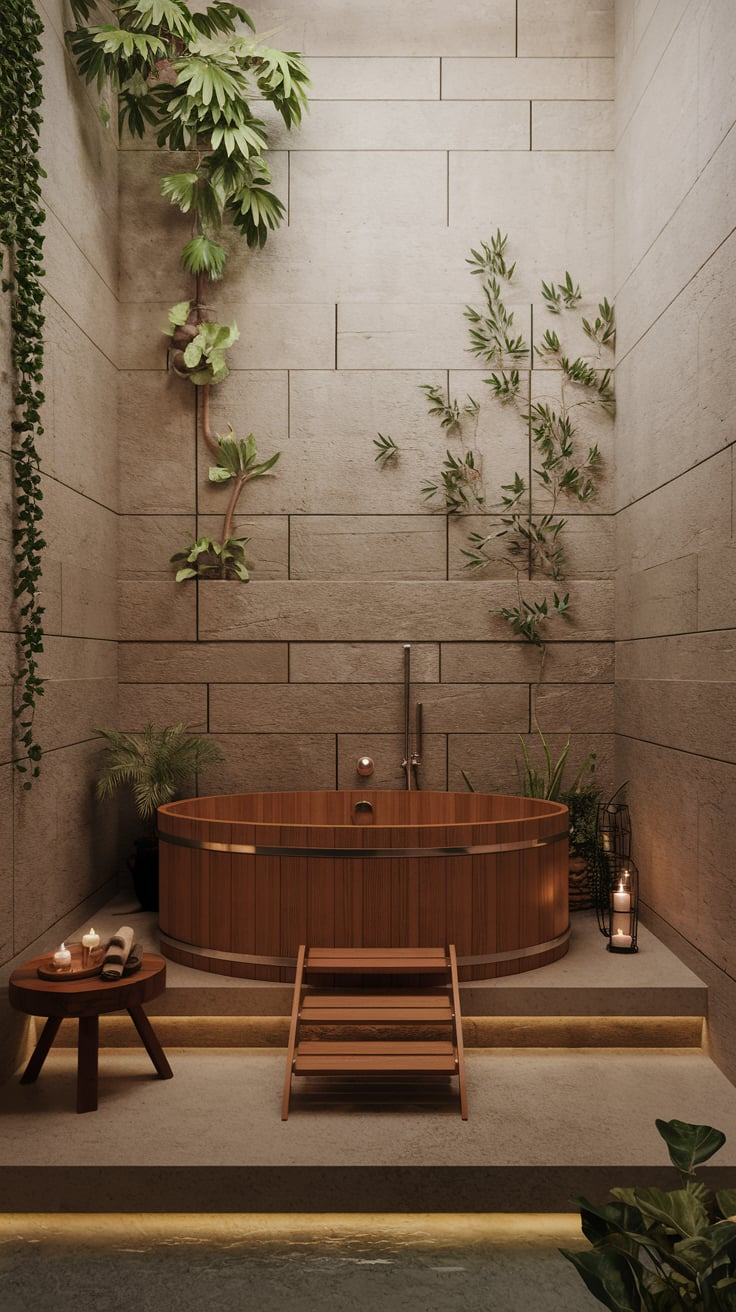
Stone doesn’t have to mean expensive marble. Slate, limestone, or even concrete-look ceramics work wonders. They add weight and permanence. Pair a smooth stone countertop with a rougher stone floor tile. The contrast in texture adds interest without adding color clutter. It’s tactile. You feel it when you walk barefoot. That sensory connection is key to the Japandi vibe. It makes the small space feel rich and considered, not cheap or cramped. Remember, quality over quantity. One beautiful wooden stool is better than five plastic ones.
Smart Storage: Hidden Functionality Is Key
You can’t have a calm bathroom if you’re tripping over shampoo bottles. Storage in Japandi design is invisible. It’s there, but you don’t see it. This is crucial for small spaces where every inch counts. Built-in niches in shower walls are a game-changer. Instead of bulky caddies hanging from the showerhead, recessed shelves keep products flush with the wall. It maintains the clean lines and prevents visual obstruction. If you’re renovating, ask your contractor for a niche. If you’re renting, look for tension-rod shelves that mimic this look.
Vanities should be streamlined. Floating vanities are popular for a reason. By lifting the cabinet off the floor, you expose the flooring underneath. This continuous line of sight makes the room feel wider. Choose a vanity with deep drawers rather than doors. Drawers are easier to organize and access in tight spaces. You don’t have to crouch and dig around a pipe. Use dividers inside to keep things tidy. A messy drawer is still clutter, even if it’s closed.
Don’t forget vertical space. Tall, narrow cabinets can store towels and linens without eating up floor space. Paint them the same color as the wall to make them recede. Mirrors are also storage heroes. A mirrored medicine cabinet doubles your visual space and hides toiletries. In 2026, we’re seeing more frameless, anti-fog mirrors with integrated lighting. They look sleek and modern. Keep the top of the mirror clear. Don’t stack items on top of the cabinet. That breaks the vertical line and draws the eye up to the clutter. Keep it clean. Keep it hidden.
Lighting Layers Create Depth and Mood
Bad lighting kills small bathrooms. Overhead fluorescent lights cast harsh shadows and make skin look terrible. They also flatten the space, making it feel two-dimensional. Japandi lighting is layered. It uses ambient, task, and accent light to create depth. Ambient light provides the overall glow. Task light helps you shave or apply makeup. Accent light highlights textures and architectural features. In a small room, you might not need all three, but you definitely need more than one source.
Start with the ambient. Recessed ceiling lights with dimmers are ideal. Dimmers let you adjust the mood. Bright for cleaning, soft for a evening bath. If you can’t install recessed lights, use a central fixture with a fabric or paper shade. Paper lanterns are very Japanese and diffuse light beautifully. They soften the edges of the room. For task lighting, avoid placing lights directly above the mirror. This casts shadows under your eyes. Instead, place sconces on either side of the mirror at eye level. This illuminates your face evenly.
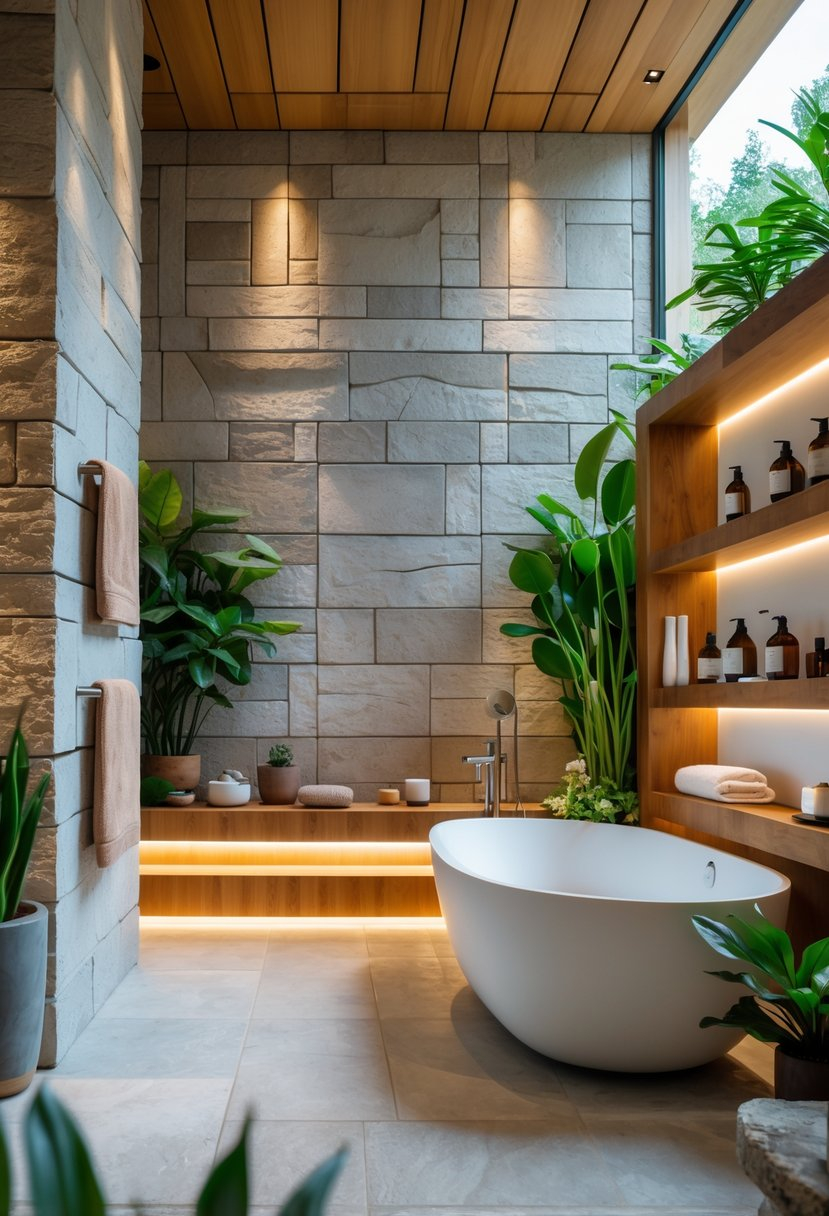
Accent lighting can be subtle. LED strips under the floating vanity or behind the mirror create a halo effect. This makes heavy fixtures appear to float. It adds a futuristic yet serene touch. Warm white bulbs (2700K-3000K) are essential. Cool white light feels energetic but cold. Warm light feels cozy and inviting. It enhances the wood tones and stone textures. Think of lighting as paint. You’re painting with light. Use it to highlight the best features of your small space and shadow the less perfect ones. It’s about control. Control the light, control the feel.
A bathroom without life feels dead. Japandi design always includes a touch of nature. Not a jungle. Just a hint. A single branch in a vase. A small potted fern. A piece of driftwood. These organic elements break the rigidity of the straight lines and hard surfaces. They remind us that we are part of the natural world. In a small space, one well-chosen plant is enough. Too many, and it looks messy. Choose plants that thrive in humidity. Snake plants, pothos, and peace lilies are tough and forgiving.
If you don’t have a green thumb, or if your bathroom has no windows, fake it. High-quality silk plants have come a long way. Or use natural materials that evoke nature. A bamboo bath mat. A stone soap dish. A wooden tray. These items bring the outside in without the maintenance. The goal is to create a connection to the earth. This grounds the space. It makes the small bathroom feel like a retreat from the digital world. No screens. No notifications. Just water, wood, and stone.
Texture is also part of this natural element. Use a woven basket for laundry. A linen shower curtain. A plush cotton towel. These soft textures contrast with the hard tile and wood. They invite touch. They make the space feel luxurious and comfortable. In 2026, sustainability is big. Choose eco-friendly materials. Bamboo grows fast. Cork is renewable. Recycled glass tiles are beautiful. Making ethical choices adds another layer of calm. You feel good about your space. And that feeling? That’s the real secret. It’s not just about how it looks. It’s about how it makes you feel.
So, there you have it. Japandi isn’t just a style. It’s a mindset. It’s about choosing less, but better. It’s about finding beauty in simplicity. For small bathrooms, it’s the perfect solution. It turns limitations into strengths. It creates space where there was none. It brings calm to the chaos. You don’t need a big budget. You don’t need a big room. You just need a little intention. Start small. Clear one shelf. Change one bulb. Add one plant. See how it feels. Then keep going. Your sanctuary is waiting.