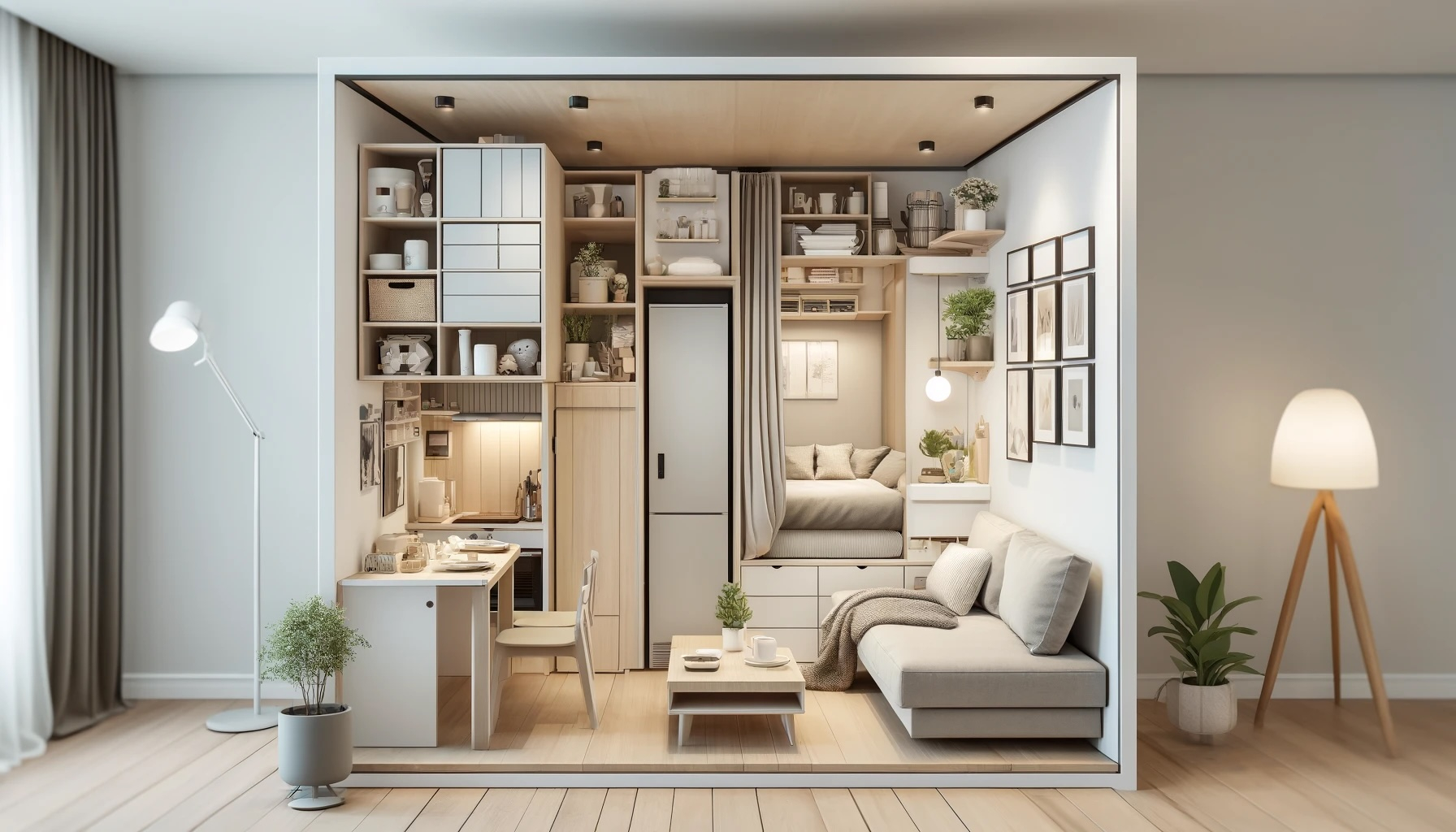
Remember when every apartment looked like a sterile hotel lobby? You know the vibe. White walls. Grey floors. A singular, sad piece of art that nobody really liked but everyone tolerated because it was "safe." For years, that was the rule. Landlords wanted blank slates. Tenants wanted to avoid losing their security deposits. So, we all lived in boxes of beige. It was fine. It was functional. But let’s be honest, it was also incredibly boring.
Well, guess what? The beige era is officially dead. Buried. Gone.
If you’ve scrolled through Pinterest or walked into a trendy coffee shop lately, you’ve probably noticed something different. The colors are louder. The patterns are wilder. People aren’t just decorating their homes; they’re injecting them with serious personality. In 2026, renting doesn’t mean sacrificing your style for the sake of a lease agreement. In fact, data shows a massive shift. Pinterest reported a 60% jump in searches for vibrant interiors, and Zillow says mentions of "color drenching" are up nearly 150% year-over-year. We are done hiding. We are ready to live in spaces that actually feel like us.
The Great Neutral Rebellion
Why did we ever think grey was a personality trait? It’s a question more designers are asking this year. For the better part of a decade, the "millennial grey" trend dominated everything from flipper houses to high-end rentals. It was easy to clean. It was easy to photograph. But it lacked soul. Now, consumers are pushing back hard. According to WGSN, color-rich furnishings are projected to make up 28% of global furniture sales by late 2026. That’s a huge leap from just 19% in 2023. People are voting with their wallets, and they’re choosing saturation.
This isn’t just about painting a single accent wall blue and calling it a day. That’s old news. The new wave is about immersion. It’s about "color drenching," where walls, trim, ceilings, and even furniture share the same bold hue. Imagine walking into a room where the walls, the doorframes, and the built-in shelves are all coated in a deep, moody olive green or a electric cobalt. It creates a cozy, enveloping effect that makes even a small rental bedroom feel intentional and luxurious. It’s surprising, right? You’d think bold colors would shrink a space, but done correctly, they blur the boundaries and add depth.
Landlords are catching on, too. While many still prefer neutral common areas, there’s a growing acceptance of personalized units. Some property managers are even offering "color packages" as an upgrade, knowing that distinctive, stylish apartments rent faster and hold tenants longer. The fear of color is fading. We’re realizing that a home should energize you, not just house you. If your living room makes you feel awake and alive instead of sleepy and subdued, you’re doing it right.
Renter-Friendly Hacks for Maximum Impact
But here’s the catch. Most of us don’t own our walls. We rent them. And while the desire for bold design is sky-high, the fear of losing that security deposit is still very real. So, how do you get that maximalist look without drilling holes or painting over pristine white drywall? The answer lies in temporary, high-impact solutions. The key is to think vertically and texturally. You don’t need to change the structure; you just need to change the surface.
Peel-and-stick wallpaper has come a long way. It’s no longer the flimsy, bubble-prone stuff from ten years ago. Today’s options are thick, textured, and genuinely beautiful. You can find everything from hand-painted floral murals to geometric Art Deco patterns. Apply it to a single feature wall, or even inside a closet for a surprise pop of joy every time you grab your coat. Another trick? Floor decals. Yes, really. High-quality vinyl floor stickers can mimic terrazzo tiles or intricate rugs, allowing you to define zones in an open-plan studio without buying expensive carpeting that you’ll have to haul away later.
Lighting is another undercover hero. Swapping out standard landlord-issue fixtures for statement pieces can transform a room instantly. Just keep the original fixtures in a box so you can swap them back before move-out day. Smart bulbs allow you to change the mood from bright white for working to warm amber for relaxing, adding layers to your color scheme without touching a paintbrush. It’s about layering. When you combine a bold rug, dramatic lighting, and a statement wall covering, the underlying neutral walls barely matter. They become a canvas, not a constraint.
Textiles as the New Architecture
If paint is off-limits, textiles are your best friend. In 2026, patterned fabrics are doing the heavy lifting in interior design. Think of rugs, curtains, throw pillows, and bedding not just as accessories, but as architectural elements. A large, vibrant rug can anchor a room and dictate the color palette for everything else. If you choose a rug with splashes of tangerine and teal, you can pull those colors into your pillow covers and lampshades. Suddenly, the whole space feels coordinated and bold, even if the walls remain stubbornly white.
Curtains are often overlooked, but they offer a massive surface area for expression. Instead of sheer, invisible panels, opt for heavy, floor-to-ceiling drapes in a saturated jewel tone or a bold print. They frame your windows like art pieces. When drawn, they become a focal point. When open, they add a splash of color to the corners of the room. Plus, they help with insulation and sound dampening, which is a bonus in thin-walled apartment buildings. It’s function meeting fashion in the most practical way possible.
Bedding is another easy win. Your bed is likely the largest piece of furniture in your bedroom. Dressing it in lively, patterned linens can set the tone for the entire space. Mix and match prints if you’re feeling brave—florals with stripes, or checks with abstracts. The goal is to create visual interest that draws the eye away from the plain walls. This approach is low-commitment. If you get bored of emerald green in six months, you just swap the sheets. No scraping, no sanding, no stress. It’s design that bends with your life, not against it.
The Rise of Whimsical Personalization
There’s a playful side to this trend that’s hard to ignore. 2026 isn’t just about bold colors; it’s about whimsy. Zillow’s recent report highlighted a rise in fun, unconventional features in homes, from cozy reading nooks to dedicated hobby spaces. For renters, this translates to creating corners that reflect specific passions. Maybe it’s a gallery wall of vintage concert posters. Maybe it’s a shelf dedicated to your collection of quirky ceramic mugs. It’s about curating items that tell your story.
Maximalism is back, but it’s a curated maximalism. It’s not about clutter; it’s about abundance of meaning. Display your travel souvenirs. Hang that weird painting you bought at a flea market because it made you laugh. Stack your books by color. These small acts of rebellion against minimalism make a space feel lived-in and loved. When guests walk in, they shouldn’t just see a nice apartment; they should see you. The sterility of the "ready-to-rent" look is being replaced by the warmth of the "ready-to-live" aesthetic.
This shift also ties into mental well-being. Surrounding yourself with objects and colors that bring you joy isn’t superficial; it’s supportive. A bright yellow chair might seem like a frivolous purchase, but if it’s the spot where you drink your morning coffee and feel a spark of happiness, it’s worth every penny. Design is emotional. In a world that often feels chaotic and uncertain, having a home that feels uniquely yours provides a sense of control and comfort. It’s a sanctuary built on your terms, not a landlord’s default settings.
Earth Tones Meet Electric Accents
While bold colors are trending, it’s not all neon and primary hues. There’s a sophisticated counter-movement toward grounded, earthy tones that pair beautifully with vibrant accents. Designers are predicting a global shift toward natural colors like soft clay, olive green, sand, and warm browns. These shades provide a calming backdrop that feels organic and stable. But here’s the twist: they’re being used as bases for popping accents. Think of a room painted in a warm, sandy beige, but furnished with electric blue velvet sofas and lime green artwork.
This combination offers the best of both worlds. The earth tones keep the space feeling serene and connected to nature, which is increasingly important as we spend more time indoors. The electric accents provide the energy and personality that pure minimalism lacks. It’s a balanced approach. You get the relaxation of a spa-like environment with the excitement of a creative studio. It’s versatile, too. Earth tones tend to age well and don’t clash with existing landlord fixtures, making them a safer bet for larger surfaces if you do decide to use temporary paint or large wall coverings.
Sustainability plays a role here, too. Many of these earthy palettes are inspired by natural materials—wood, stone, linen. Choosing second-hand furniture with good bones and refinishing it in these tones is a popular DIY project for renters. It’s eco-friendly and budget-conscious. Plus, mixing vintage wooden pieces with modern, colorful textiles creates a layered, eclectic look that feels timeless rather than trendy. It’s about building a home that respects the planet while expressing individual flair. The result is a space that feels both current and enduring.
One of the biggest challenges for renters is dealing with limited square footage. Open-concept studios and cramped one-bedrooms can feel impersonal if not handled carefully. The solution? Zoning through color and texture. Instead of trying to make the whole apartment bold, focus on creating distinct "moments." A reading nook by the window can be defined by a plush, oversized armchair in a rich burgundy, paired with a floor lamp and a small side table. This creates a destination within the room.
Color drenching works wonders here, too. Painting (or covering) a small alcove in a deep, dark color can make it feel like a separate, intimate room. It draws you in. Add a soft throw blanket and some cushions, and you’ve got a spot that invites you to slow down. In kitchen areas, use colorful dish towels, a bright kettle, or a patterned runner rug to break up the monotony of standard appliances. These small zones add rhythm to the space, preventing it from feeling like one big, undefined box.
Lighting helps define these corners as well. A pendant light over a dining table or a focused task light by a desk creates a visual boundary. When you layer these elements—color, texture, light—you create depth. The eye travels around the room, landing on different points of interest. This makes the space feel larger and more dynamic. It’s not about how many square feet you have; it’s about how you use them. By carving out these personalized pockets, you turn a generic rental into a home with multiple personalities, each suited to a different part of your day.
So, where does this leave us? The shift toward bold colors and personality in rental design isn’t just a fleeting fad. It’s a response to years of sterile, one-size-fits-all living. We’re craving connection, joy, and authenticity in our spaces. The data supports it, the designers are endorsing it, and most importantly, people are living it. Whether you’re using peel-and-stick wallpaper, layering vibrant textiles, or curating a whimsical gallery wall, the goal is the same: to make your rental feel like home.
Don’t let the word "rental" limit your creativity. You don’t need to own the walls to love them. You just need to respect them while you make them yours. Start small if you’re nervous. Buy that bright pillow. Hang that colorful print. Swap out the lampshade. See how it feels. Chances are, you’ll want to do more. And that’s okay. In 2026, more is more. More color, more pattern, more you.
The beige box is broken. Step out of it. Paint your world in the colors that make you smile. Because at the end of the day, your home should be the place where you can finally exhale and say, "This is me." And honestly? That’s a trend that’s never going out of style.