Ever walk into your apartment and feel like the walls are closing in? You’re not alone. In 2026, more of us are squeezing into compact city dwellings, studios, and cozy lofts than ever before. It’s not just about square footage; it’s about how that space feels. A cluttered room feels small. A chaotic corner feels suffocating. But here’s the secret nobody tells you: you don’t need a bigger apartment to breathe easier. You just need smarter storage.
Think about it. When was the last time you tripped over a shoe or couldn’t find your keys because they were buried under a pile of mail? That friction adds up. It makes your home feel smaller than it is. The good news? You can fix it. Not by knocking down walls, but by swapping out the things that hog space for solutions that actually work for you. We’re talking about simple, often cheap changes that reclaim floor space, clear visual clutter, and make your tiny pad feel twice as big. Let’s dive in.
Swap Bulky Furniture for Multi-Tasking Heroes
The biggest mistake people make in small spaces? Treating furniture like it has only one job. That heavy wooden coffee table? It’s just sitting there, taking up precious real estate. What if it could do more? In 2026, the trend isn’t just minimalism; it’s maximal utility. You need pieces that pull double or even triple duty.
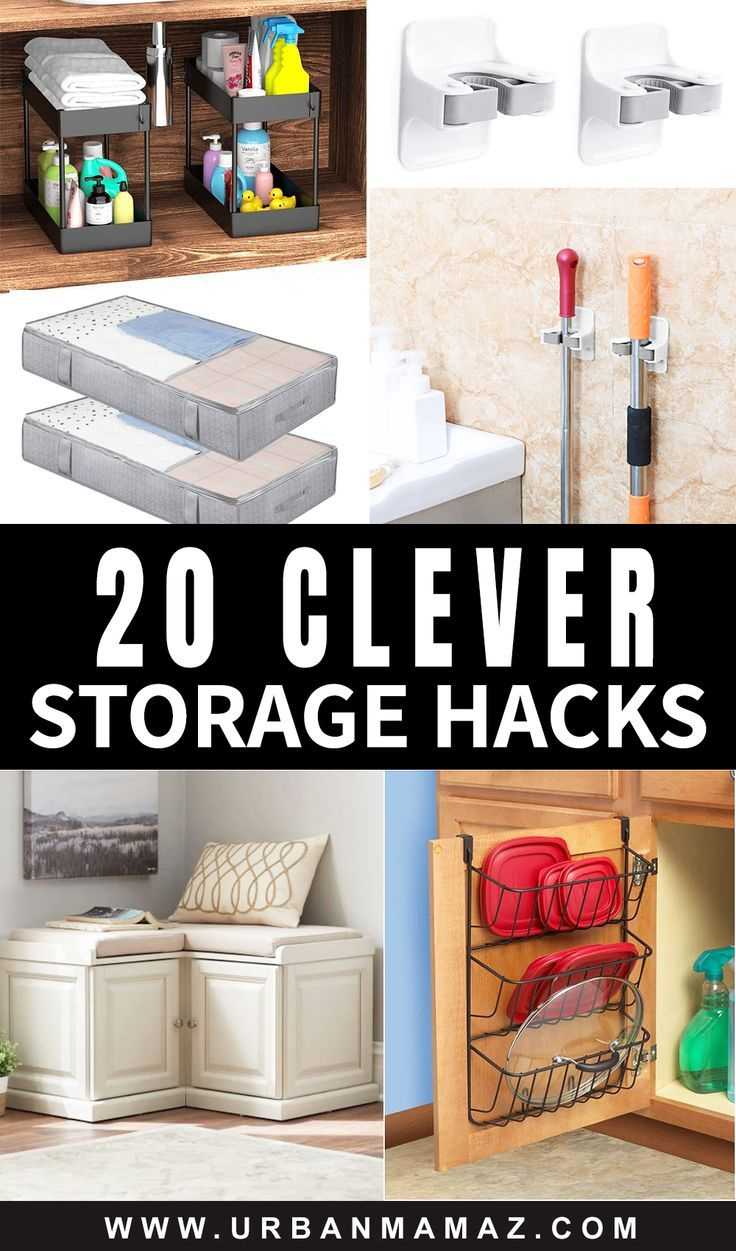
Start by looking at your seating. Instead of a standard sofa, consider a sleeper sectional with hidden compartments underneath. Or better yet, swap those rigid side tables for ottomans with lift-top lids. They serve as footrests, extra seating for guests, and secret stashes for blankets, board games, or those random cables you never know what to do with. It’s a simple swap, but it clears out an entire closet’s worth of junk. You’re not just buying a seat; you’re buying storage space that doesn’t look like storage.
Don’t forget the vertical potential of your furniture, either. Bed frames with built-in drawers are a game-changer, especially if you’re renting and can’t install custom closets. If you already have a bed frame, add rolling bins underneath. It’s dead space otherwise. By using the area under your bed for off-season clothes or extra linens, you free up your actual closet for daily essentials. This reduces visual noise, which is key to making a room feel open. When your eyes aren’t darting around looking for places to put things, your brain relaxes. And a relaxed brain perceives more space.
Go Vertical or Go Home
Floor space is premium currency in a tiny apartment. So, stop putting things on it. Well, mostly. The moment you start looking up, you’ll realize you’ve been ignoring half your storage potential. Walls are your best friend. But this isn’t just about slapping up some shelves. It’s about strategic verticality.
Consider swapping out short, wide bookcases for tall, narrow ones. A floor-to-ceiling unit draws the eye upward, making ceilings feel higher and the room larger. Plus, it holds way more stuff without eating up floor area. Install floating shelves above doorways or windows—spots that usually go wasted. These are perfect for books, plants, or decorative items that don’t need to be accessed every day. Just keep them tidy. Cluttered high shelves can make a room feel top-heavy and cramped.
Kitchen cabinets often stop well below the ceiling, leaving a dusty gap that collects grease and nothing else. Use stackable bins or baskets to fill that space. Store rarely used appliances like the waffle maker or holiday platters up there. Another clever swap? Replace traditional hanging rods in your closet with double-hang systems. You instantly double your hanging space for shirts and jackets. It’s a tiny hardware change with a massive impact. By moving storage off the floor and onto the walls, you keep the ground clear. And a clear floor equals a feeling of freedom.
The Magic of Hidden and Transparent Storage
Visibility matters. Seriously. When you can see everything you own, it feels like you have twice as much stuff. That’s why hiding clutter is crucial. But here’s the twist: sometimes, hiding it behind solid doors makes a space feel boxy and closed off. The trick is balancing hidden storage with transparent or open options.
Swap opaque bins for clear acrylic containers in your pantry or fridge. Why? Because when you can see what’s inside, you’re less likely to buy duplicates or let food go bad. It also creates a sense of order without the visual weight of solid boxes. For items you want to hide, like cleaning supplies or tech gear, use furniture with concealed compartments. A media console with closed cabinets keeps cords and routers out of sight, reducing visual chaos.
Another powerful swap is using mirrors strategically. While not "storage" in the traditional sense, a large mirror placed opposite a window reflects light and view, effectively doubling the visual depth of a room. Pair this with hidden storage behind the mirror if you’re feeling ambitious (some modern designs offer this), and you’ve got function meets illusion. The goal is to reduce the number of visual interruptions. Every item out in the open competes for attention. By tucking things away in smart, hidden spots, you calm the visual noise. Your apartment feels serene, not stuffed.
Renter-Friendly Hacks That Don’t Damage Walls
Let’s be real. Most of us in tiny apartments are renting. That means no drilling huge holes, no painting over landlord beige, and definitely no tearing down walls. But that doesn’t mean you’re stuck with bad storage. In fact, some of the best solutions are completely damage-free.
Tension rods are underrated heroes. Use them inside cabinets to create extra shelving for plates or under sinks for spray bottles. Hang them in closets to create separate sections for long dresses or pants. They cost pennies and leave zero marks. Another great swap? Adhesive hooks and strips. Modern versions hold significant weight. Use them to hang keys, bags, or even lightweight shelves in the bathroom or kitchen. Just follow the weight limits and removal instructions to avoid peeling paint.
Over-the-door organizers are another classic for a reason. But swap the flimsy fabric ones for sturdy, clear plastic pockets or metal racks. They work on bedroom doors for shoes and accessories, bathroom doors for toiletries, and even pantry doors for snacks. It utilizes the back of a door, which is essentially wasted space. Also, consider freestanding units that lean against walls rather than requiring mounting. A leaning ladder shelf provides ample display and storage without a single screw. These swaps respect your lease while still giving you the organization you crave. It’s about working with what you have, not against it.
Decluttering by Category, Not Room
Storage solutions fail if you’re still holding onto too much stuff. No amount of clever shelving can fix a hoarding problem. But decluttering can feel overwhelming. Where do you start? The answer isn’t by room. It’s by category. This method, popularized by experts but refined for modern living in 2026, is far more effective for small spaces.
Pick one category: clothes, books, papers, or kitchen gadgets. Gather every single item from that category from your entire apartment into one pile. Yes, even the socks in the bathroom drawer. Now, look at the pile. It’s probably huge. This visual shock is necessary. Ask yourself: Do I use this? Do I love this? Does it fit my life right now? Be ruthless. If you haven’t worn those jeans in two years, let them go. If you have three mugs but only drink from one, donate the others.
Once you’ve pared down, then you assign homes. This is where the storage swaps come in. You’ll find you need far fewer bins and shelves than you thought. For example, after decluttering your kitchen gadgets, you might realize your single drawer is enough, freeing up that cabinet for something else. This process reduces the total volume of your belongings, which is the ultimate space-saver. It’s not just about organizing what you have; it’s about curating what you keep. A lighter load makes any apartment feel airier.
Here’s a concept that sounds weird but works: lighting and color act like virtual storage. They don’t hold your stuff, but they change how your stuff is perceived. Dark, shadowy corners feel cramped and full of unknowns. Bright, well-lit spaces feel open and expansive. So, swap out dim, warm bulbs for brighter, cooler-toned LEDs in your main living areas. It mimics daylight and opens up the room.
Use under-cabinet lighting in the kitchen. It illuminates countertops, making them feel larger and more usable. If your apartment lacks natural light, invest in floor lamps that bounce light off the ceiling. Avoid heavy, dark curtains. Swap them for sheer panels or sleek blinds that let light in while maintaining privacy. As mentioned in recent trends, Blindstyle Blinds or similar minimalist window treatments reduce visual bulk around windows, making the walls feel less interrupted.
Color plays a role too. Light, neutral colors on walls and large furniture pieces reflect light and recede visually, making walls feel further away. You don’t have to paint everything white. Try soft greys, creams, or pale blues. Add pops of color through accessories that are easy to swap. The key is consistency. Too many competing colors create visual clutter, which feels like physical clutter. By keeping the backdrop calm and bright, your storage solutions blend in rather than stand out. Your apartment feels cohesive, calm, and surprisingly spacious.
Living small doesn’t mean living less. It means living smarter. By swapping out bulky, single-use items for versatile, vertical, and hidden storage solutions, you reclaim your space. You stop fighting your apartment and start working with it. Remember, it’s not about perfection. It’s about progress. Start with one swap. Maybe it’s clearing out under your bed. Maybe it’s adding a tension rod in the shower. See how it feels. Notice the breath of space you’ve created.
These changes add up. Over time, your tiny apartment transforms from a cramped storage unit into a curated home. You’ll find things faster. You’ll feel calmer. You’ll actually enjoy being there. And isn’t that what home is supposed to be? A place that lifts you up, not weighs you down. So take a look around today. What’s one thing you can swap? One corner you can clear? The power to make your space feel huge is already in your hands. You just have to use it.