You know that feeling. You’re exhausted. Your body is heavy, your mind is racing, and you just want to crash. But instead of drifting off, you’re staring at the ceiling, counting sheep, or worse, checking your phone for the third time in ten minutes. It’s frustrating, isn’t it? We often blame stress or caffeine, but what if the culprit is hiding in plain sight? What if the way you’ve decorated your bedroom is actually sending mixed signals to your brain?
In 2026, we have more sleep tech than ever before. Smart mattresses, white noise apps, circadian lighting systems. Yet, insomnia rates are still climbing. Why? Because we’re trying to tech our way out of a design problem. Your bedroom isn’t just a place to store a bed; it’s a cue for your nervous system. When the visual noise is too loud, the lighting is harsh, or the layout feels chaotic, your brain stays on high alert. It doesn’t matter how expensive your pillow is if your room is screaming "wake up" instead of whispering "rest."
Let’s be honest. Most of us decorate our bedrooms based on what looks good in a magazine or what fits in the space, not how it feels to sleep there. We hang mirrors opposite the bed because it makes the room look bigger. We keep our work laptops on the nightstand because it’s convenient. We choose paint colors because they’re trendy, not because they’re calming. These small, seemingly harmless DIY choices add up. They create an environment that fights against your natural sleep rhythm. But here’s the good news: fixing them doesn’t require a renovation budget. It just requires a shift in perspective.
The Mirror Trap and Visual Noise
Mirrors are tricky. Designers love them because they bounce light around and make small rooms feel expansive. But in a bedroom, they can be a major sleep disruptor. Think about it. When you’re lying in bed, half-asleep, and you catch a glimpse of movement in a mirror, your brain instantly wakes up to assess the threat. It’s a primal instinct. Even if it’s just your own shadow or a coat hanging on the door, that split-second alertness pulls you out of the relaxation zone. In 2026, with our already overstimulated minds, this extra visual input is the last thing you need.
It’s not just about mirrors facing the bed, either. Cluttered surfaces act like visual mirrors. A dresser topped with piles of clothes, a nightstand covered in receipts and water glasses, or a chair draped with laundry creates "visual noise." Your eyes scan the room before you close them, processing all those unfinished tasks. This subtle anxiety keeps your cortisol levels elevated. You might think you’re ignoring the mess, but your subconscious is definitely not. It’s registering every item as something that needs attention later.
The fix is simpler than you’d think. You don’t need to throw away your favorite vintage mirror. Just reposition it. Move it so it reflects a window during the day (for natural light) but not the bed at night. If that’s not possible, consider covering it with a beautiful piece of fabric or a sliding panel when you’re ready to sleep. As for the clutter, adopt a "clear surface" rule. Before bed, take five minutes to reset the room. Put clothes in the hamper, clear the nightstand, and hide the visual chaos. A calm space leads to a calm mind. It’s that simple, and yet so hard to remeber sometimes.
Lighting Layers That Fight Your Biology
Lighting is probably the biggest offender in modern bedrooms. We’ve all been guilty of relying on a single, harsh overhead light. It’s efficient for cleaning, sure, but it’s terrible for winding down. Bright, cool-toned light suppresses melatonin, the hormone that tells your body it’s time to sleep. In 2026, many of us are working from home, meaning our bedrooms often double as offices. This blurs the line between "work mode" and "rest mode," and bad lighting makes it worse. If you’re answering emails under a bright LED ceiling fixture at 9 PM, your brain thinks it’s noon.
The mistake isn’t just having bright lights; it’s lacking layers. A well-designed sleep sanctuary needs three types of lighting: ambient, task, and accent. Ambient light should be soft and dimmable. Task lighting, like a reading lamp, should be focused and warm. Accent lighting, like a small salt lamp or LED strip behind the headboard, provides a gentle glow that signals safety and relaxation. Most DIY decorators skip the accent layer entirely, leaving the room either too dark to navigate or too bright to relax.
Start by swapping out your main bulbs. Look for "warm white" bulbs with a color temperature of 2700K or lower. Install dimmer switches if you can; they’re cheap and easy to install yourself. Then, add a low-level light source near the floor. This mimics the natural drop in light as the sun sets, helping your circadian rhythm align. Avoid blue-light emitting devices in the bedroom entirely. If you need a nightlight, choose one with a red or amber hue, which has the least impact on melatonin production. Your body will thank you.
The Bed Position Power Struggle
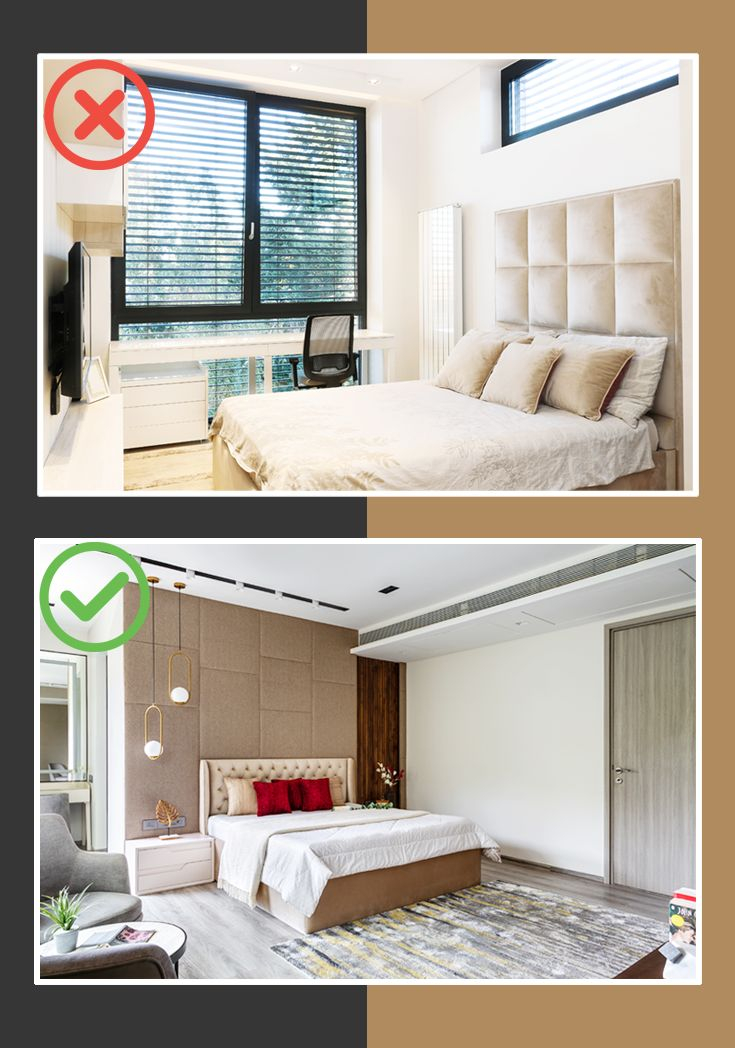
Where you put your bed matters more than you might realize. It’s not just about feng shui or aesthetics; it’s about security and airflow. One of the most common mistakes is pushing the bed against a wall or into a corner to save space. While this might free up floor area for a desk or a yoga mat, it can make the room feel cramped and restrict air circulation. Stagnant air can lead to poorer sleep quality, especially if you’re sensitive to temperature changes or allergens. Plus, sleeping with one side of your body against a cold wall can create discomfort that wakes you up.
Another frequent error is placing the bed directly in line with the door. This is often called the "coffin position" in feng shui, but even without the spiritual aspect, it’s psychologically unsettling. Having your feet point directly at the entrance can make you feel exposed and vulnerable. Your brain stays slightly on guard, watching the door, rather than fully letting go. In 2026, with rising anxiety levels globally, creating a sense of physical security in your sleep space is crucial. You want to feel protected, not on display.
Ideally, your bed should be positioned so you can see the door from your pillow, but you’re not directly in line with it. This is known as the "command position." It gives you a sense of control and safety. If your room layout makes this impossible, try using a solid headboard to create a barrier behind you. Ensure there’s space on both sides of the bed if possible, allowing for balanced energy flow and easier movement. Don’t sacrifice comfort for square footage. A bed that breathes is a bed that helps you breathe easier.
Color Psychology Gone Wrong
We’ve all seen the articles: "Blue is the best color for sleep!" So, we paint our walls navy or slate gray, expecting instant tranquility. But here’s the thing: color isn’t one-size-fits-all. Dark, moody colors can feel cozy to some, but claustrophobic and depressing to others. In 2026, there’s a trend toward "dopamine decor"—bright, bold colors that spark joy. While great for a living room or creative studio, these high-energy hues can be overstimulating in a bedroom. Yellow, orange, and bright red increase heart rate and mental activity. They’re energizing, not relaxing.
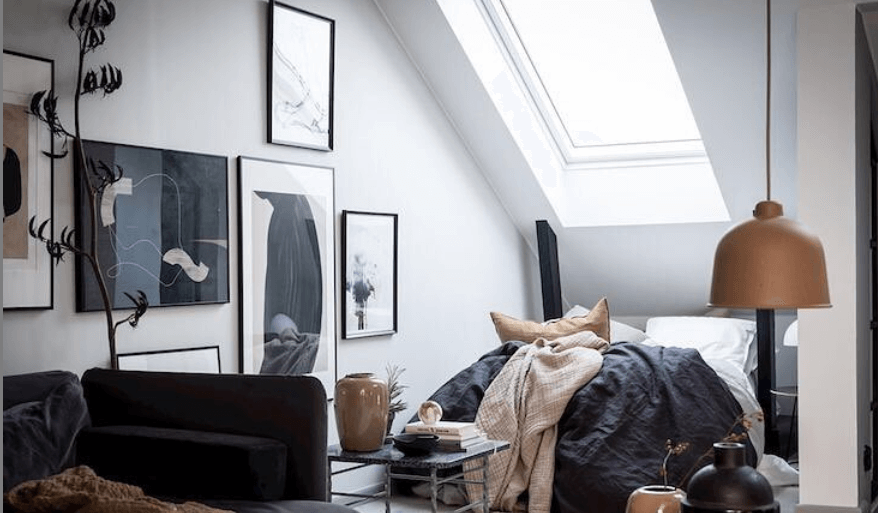
On the flip side, sterile white walls can feel clinical and cold. Without warmth or texture, a white bedroom can feel like a hospital room, which is hardly conducive to rest. The mistake is choosing color based on trends rather than personal response. How does a certain shade make you feel? Do you feel calm in sage green? Or do you prefer the warmth of terracotta? There’s no wrong answer, but there is a wrong application. Using a high-saturation color on all four walls is usually a recipe for sensory overload.
Try a softer approach. Use neutral bases like warm whites, soft grays, or muted beiges. Then, introduce color through textiles—pillows, throws, rugs—that can be easily changed. If you love bold colors, use them as accents rather than the main event. A deep blue accent wall behind the bed can be grounding, while the other walls remain light and airy. Test paint samples on your walls and live with them for a few days. Observe how the light changes the color throughout the day and how it makes you feel at night. Trust your gut, not just the Pinterest board.
Textile Overload and Allergen Havens
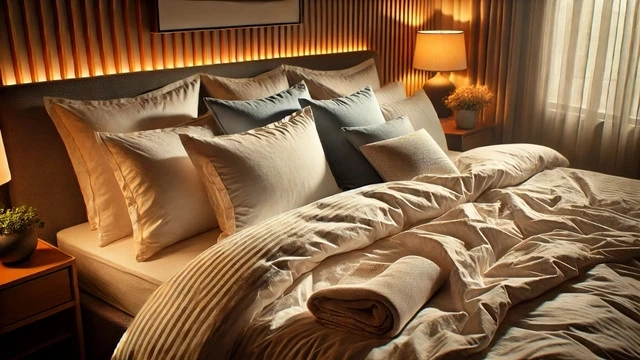
Bedrooms are cozy because of textiles. Pillows, duvets, rugs, curtains. We layer them on to create a plush, inviting nest. But there’s a fine line between cozy and cluttered. Too many pillows on the bed aren’t just annoying to move every night; they trap dust, pet dander, and dead skin cells. In 2026, awareness of indoor air quality is higher than ever. We know that poor air quality exacerbates allergies and asthma, which directly impacts sleep. A bed piled with ten decorative pillows is essentially a giant dust magnet sitting right next to your face for eight hours.
Heavy, floor-length curtains are another common issue. They look elegant, but if they aren’t washed regularly, they accumulate allergens. Worse, if they’re made of synthetic materials that don’t breathe, they can trap heat and humidity in the room. This creates a stuffy environment that disrupts thermal regulation. Your body needs to drop its core temperature to initiate sleep. If your room is trapping heat because of heavy, non-breathable fabrics, you’re fighting your own biology.
Simplify your textile game. Stick to two or three sleeping pillows and maybe one or two decorative ones that you remove before bed. Choose natural fibers like cotton, linen, or bamboo for your bedding. They breathe better and are less likely to irritate sensitive skin. Wash your bedding weekly in hot water to kill dust mites. For windows, consider layered treatments: sheer curtains for daytime privacy and light filtering, and blackout shades for sleep. Make sure everything is easy to clean. A fresh, clean room smells better and feels lighter, helping you breathe deeper and sleep sounder. Its a small change with big results.
Tech Intrusion and the Charging Station Chaos
Let’s address the elephant in the room. Or rather, the glowing rectangle on your nightstand. Keeping phones, tablets, and smartwatches within arm’s reach is perhaps the most damaging DIY habit for sleep. It’s not just the blue light; it’s the psychological tether. When your phone is next to your bed, you’re subconsciously waiting for a notification. Even if it’s on silent, the anticipation of a message keeps your brain in a state of low-level vigilance. In 2026, with AI assistants and constant connectivity, the pressure to be "on" never really stops unless we physically disconnect.
Many people create makeshift charging stations on their nightstands, resulting in a tangle of cords and devices. This visual clutter reinforces the idea that the bedroom is a hub for activity, not rest. The blinking lights from chargers, the hum of devices, the heat they generate—it all adds up. Studies consistently show that people who charge their phones outside the bedroom report better sleep quality and less anxiety. Yet, we keep doing it because it’s convenient. We tell ourselves we need the alarm clock, but our phones have alarms. We tell ourselves we need to check one last email, but it can wait until morning.
Create a tech-free zone. Buy a traditional alarm clock. It’s a small investment that pays dividends in rest. Set up a charging station in another room, or at least across the room, far from your bed. If you must have a device nearby for emergencies, put it in a drawer or cover it with a cloth so the light is blocked. Establish a "digital sunset" routine. An hour before bed, turn off screens and engage in analog activities: reading a physical book, journaling, or stretching. Reclaim your bedroom as a space for human connection and rest, not digital consumption. Your brain needs the boundary.
Fixing these mistakes doesn’t mean you need to redecorate your entire bedroom overnight. That’s overwhelming and counterproductive. Start with one thing. Maybe tonight, you just clear off your nightstand. Tomorrow, you move that mirror. Next week, you swap out a lightbulb. Small, intentional changes compound over time. The goal isn’t perfection; it’s progress. It’s about creating a space that supports your well-being, not just your aesthetic preferences.
Remember, your bedroom is a reflection of your priorities. If you prioritize sleep, your space will show it. If you prioritize convenience, your space will reflect that too. In 2026, sleep is a radical act of self-care. It’s the foundation of mental health, productivity, and happiness. By addressing these seven common DIY decor mistakes, you’re not just making your room look better. You’re signaling to your body that it’s safe to let go. That it’s okay to rest. That you deserve peace.
So, take a look around your room right now. What do you see? What feels off? Trust your instincts. You know what you need. Maybe it’s less stuff. Maybe it’s softer light. Maybe it’s just a little more space to breathe. Listen to your body. It’s been trying to tell you all along. And once you start making these shifts, you might find that the best decoration isn’t a new rug or a fancy headboard. It’s the deep, restorative sleep that follows. Sweet dreams.