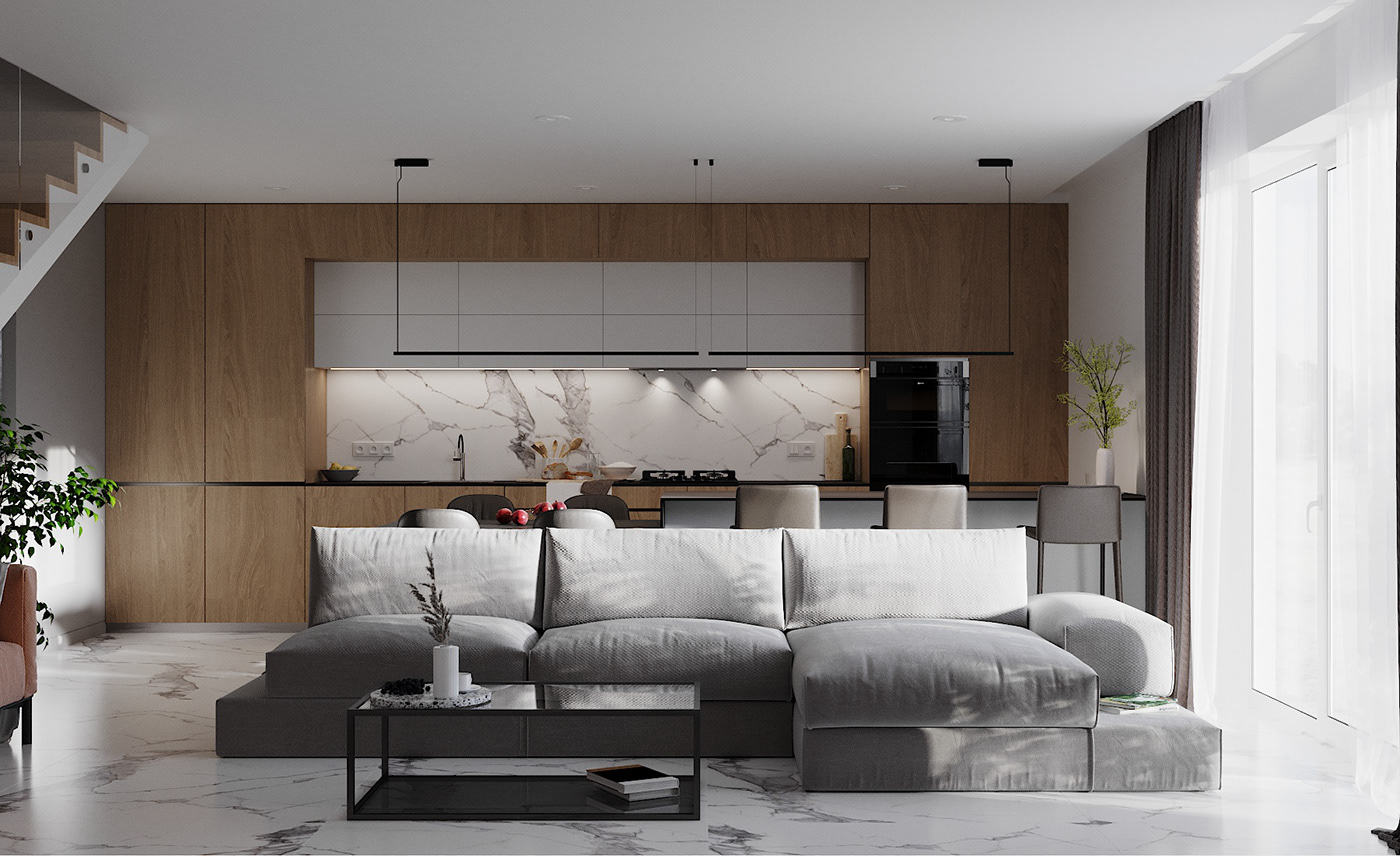
You know that feeling when you walk into a room and just… exhale? The shadows are soft, not harsh. The clutter you know is there isn’t screaming at you from every corner. It feels like the space is holding you, rather than demanding your attention. That’s the vibe everyone is chasing in 2026. It’s not about buying the most expensive stuff. It’s about intention. For years, we’ve been told to brighten everything up, to maximize every square inch with visible shelves and bins. But look around now. The trend has shifted. We’re moving away from the sterile, over-lit boxes of the past decade and toward something warmer. Something smarter.
The secret isn’t actually a secret anymore, though it feels like one until you see it done right. It’s the marriage of two things that used to be separate conversations: how light hits a surface, and where you put the things you own. In 2026, layered lighting plans are redefining home luxury. It’s becoming the backbone of what designers call "quiet luxury." And alongside it? Smart storage that doesn’t look like storage at all. It’s hidden. It’s intuitive. It works with the light, not against it. If you’ve ever felt like your home was slightly "off," even after cleaning, this is probably why. Let’s dig into how to fix it.
Why One Light Source Is Ruining Your Vibe
Think about the last time you sat in a room with just one big ceiling light. Maybe it was a kitchen with a single fluorescent panel, or a living room with a lonely chandelier. Notice how it made you feel? Probably a bit exposed. Harsh shadows under your eyes. Glare on your phone screen. That’s the problem with standalone builder-grade overhead lighting. It creates flatness. It kills depth. And frankly, it makes even beautiful furniture look cheap. In 2026, people are finally ditching the "one-and-done" approach. They’re realizing that variety is worth taking advantage of.
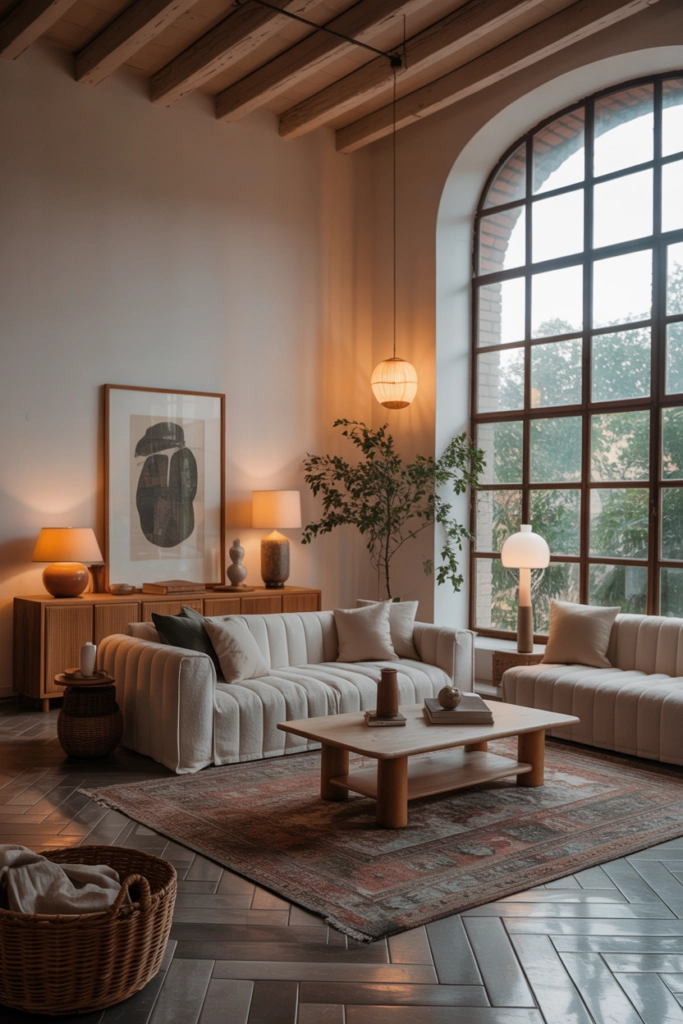
Layering lighting isn’t just about adding more lamps. It’s about creating a scene. You need three distinct layers to get it right. First, ambient light. This is your base layer, but it shouldn’t be blinding. Think warm, diffused glow. Second, task lighting. This is for doing stuff—reading, chopping veggies, applying makeup. It needs to be focused. Third, accent lighting. This is the magic. It highlights art, textures, or architectural details. When these three collaborate, they craft spaces defined by sculptural form and mood. It’s the difference between a warehouse and a sanctuary.
Strong overhead lighting feels institutional. People are leaning away from it hard. Instead, they’re using pendants, sconces, and floor lamps to break up the space. It’s softer on the eyes. It’s easier on the soul. By distributing light sources at different heights, you draw the eye around the room. You create pockets of intimacy. A reading nook becomes a cocoon. A dining table becomes a stage. It’s simple physics, really, but it feels like magic when you experience it.
The Rise of Asymmetrical and Sculptural Fixes
Here’s where it gets fun. Perfect symmetry is out. Seriously. If you have two identical lamps on either side of your sofa, consider swapping one out. In 2026, the look is "off-balanced." Designers are calling for asymmetrical lighting arrangements. It feels more organic. More human. Life isn’t perfectly symmetrical, so why should our homes be? An asymmetrical vignette adds visual interest. It keeps the eye moving. It prevents the room from feeling too staged or museum-like.
This ties into the love for sculptural fixtures. Lights aren’t just tools anymore; they’re art pieces. Even when they’re turned off, they should look good. We’re seeing bold designs, artisanal touches, and unique materials. Stone finishes are huge right now. Imagine a lamp base made of rough-hewn marble or travertine. It adds weight and texture. It grounds the space. Or maybe a pendant made of hand-blown glass with slight imperfections. These pieces tell a story. They add character that mass-produced items just can’t match.
Don’t be afraid to mix metals and styles, either. The old rules about matching all your brass or all your black fixtures? Gone. A matte black floor lamp next to a brushed gold sconce can look incredible if the shapes complement each other. The key is cohesion, not uniformity. Look for shared design languages—maybe both have curved lines, or both have an industrial edge. This freedom allows you to express your personality. Your home starts to feel like a collection of curated moments, rather than a catalog page.
Smart Tech That Feels Invisible, Not Technical
Let’s talk about the "smart" part. For a long time, smart lighting felt gimmicky. You had to pull out your phone, open an app, connect to Wi-Fi, and hope it worked. It was more hassle than help. But in 2026, smart lighting feels intuitive rather than technical. It’s about human-centric illumination. The tech is there, but it’s hidden. You don’t think about it. It just works. Systems now adjust automatically based on the time of day. This is called circadian lighting.
Your lights mimic the sun. Bright, cool white in the morning to help you wake up. Warm, dim amber in the evening to help you wind down. It’s better for your sleep. Better for your mood. And you don’t have to program it manually anymore. AI smart fixtures learn your habits. They notice when you usually read in the chair at 8 PM, and they adjust the nearby lamp to the perfect brightness. It’s seamless. It’s efficient. It makes your home feel alive, in a good way.
Dynamic color LEDs are also getting sophisticated. But we’re not talking about party-mode rainbow flashes. We’re talking about subtle shifts. Maybe your hallway lights glow a faint blue-ish white when you get up for water at night, so you don’t blind yourself. Or your kitchen lights shift to a warmer tone during dinner to make the food look more appetizing. It’s about enhancing life, not distracting from it. The best smart systems are the ones you forget are there. They just make everything feel… right.
Storage That Disappears Into the Architecture
Now, let’s pivot to storage. Because what good is beautiful lighting if it’s shining on a pile of laundry? The biggest shift in storage for 2026 is invisibility. We’re done with open shelving that requires constant styling. Nobody has time for that. The new desire is for smart storage that blends into the walls. Floor-to-ceiling cabinetry that matches the paint color. Panels that slide away to reveal desks or pantries. It’s about reducing visual noise.
This is where "quiet luxury" really shines. It’s not about showing off what you have. It’s about having space to breathe. Hidden compartments are everywhere. Under-stair drawers. Bench seats with lift-up lids. Mirrors that swing open to reveal medicine cabinets. These solutions keep surfaces clear. And clear surfaces reflect light better. Think about it. If your counters are cluttered, light bounces off junk. If they’re clear, light bounces off the stone or wood, creating sparkle and depth. Storage and lighting are partners.
Sustainability plays a role here too. People are choosing durable, timeless storage solutions over fast-furniture trends. Solid wood. High-quality hardware. Things that last. This reduces waste. It also means you’re not constantly replacing flimsy plastic bins. Invest in built-ins if you can. If you’re renting, look for modular systems that mimic built-ins. The goal is to make the storage feel like part of the architecture, not an afterthought. It should feel permanent. Solid. Calming.
Integrating Light and Storage for Maximum Impact
Here is the real secret sauce. The magic happens when you combine layered lighting WITH smart storage. Don’t just put a light in a room. Put light INSIDE the storage. LED strips inside cabinets. Motion-sensor puck lights in deep drawers. Backlit shelving units. This does two things. First, it makes finding things easier. No more digging in dark corners. Second, it adds another layer of ambient glow. When you open a cabinet at night, that soft internal light contributes to the overall mood of the room.
Consider your entryway. Instead of a dark closet, imagine a wardrobe with interior lighting that turns on when you open the door. Or a bench with under-lighting that guides your feet. In the kitchen, under-cabinet lighting is standard, but in 2026, it’s smarter. It adjusts based on how much natural light is coming in. If it’s a cloudy day, the under-cabinet lights brighten slightly. If it’s sunny, they dim. It’s all connected. It’s all working together to create a consistent, comfortable environment.
Natural light integration is key here too. Don’t block your windows with bulky storage. Use low-profile units that sit below the sill. Let the daylight flood in during the day, and let your artificial layers take over at night. Use mirrors strategically to bounce both natural and artificial light into dark corners. A mirror opposite a window doubles the light. A mirror inside a narrow hallway with a sconce makes the space feel twice as wide. It’s about maximizing every photon.
So, how do you actually do this without renovating your whole house? Start small. You don’t need to rip out drywall. First, audit your current lighting. Turn off all the overhead lights. Walk around with a lamp. See how the room feels. Identify the dark spots. Identify the harsh spots. Then, add layers. Buy a floor lamp for that dark corner. Add a small table lamp to your desk. Swap out a harsh bulb for a warm, dimmable one. It’s cheap. It’s easy. It makes a huge difference.
Next, tackle the clutter. You don’t need new cabinets to get smarter storage. Use baskets. Use boxes. But hide them. Put them on high shelves. Slide them under beds. Clear off your surfaces. Aim for 50% less stuff on display. See how the light changes? See how the room feels bigger? Then, add some intentional accents. A small picture light over a favorite print. A candle (or LED candle) on the mantle. These tiny additions build up the "vignette" effect.
Finally, look into smart plugs or bulbs. You don’t need a full home automation system. Start with one smart bulb in your main living area. Set it to dim in the evenings. See how it affects your relaxation. Once you feel the benefit, expand slowly. Remember, this is a journey. It’s not about perfection. It’s about progress. It’s about making your home work for you, not the other way around. Take your time. Enjoy the process.
At the end of the day, 2026 is about comfort. It’s about creating spaces that support our well-being. Layered lighting soothes our eyes. Smart storage soothes our minds. Together, they create a home that feels like a retreat. It’s not about following trends blindly. It’s about understanding why these trends exist. They exist because we’re tired of chaos. We’re tired of glare. We want peace. We want beauty that functions.
So, look at your space with fresh eyes. Where is the shadow too deep? Where is the clutter causing stress? Fix one thing today. Just one. Swap a bulb. Hide a basket. Notice the change. Then do another. Before you know it, you’ll have transformed your home into a place that truly reflects who you are. A place that lights you up, literally and figuratively. And isn’t that what home is supposed to be?