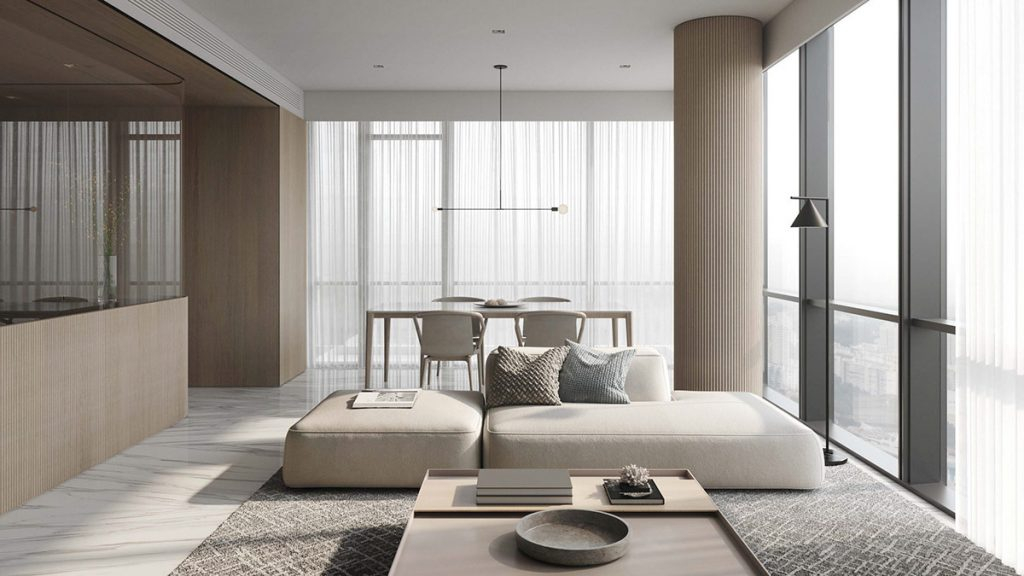
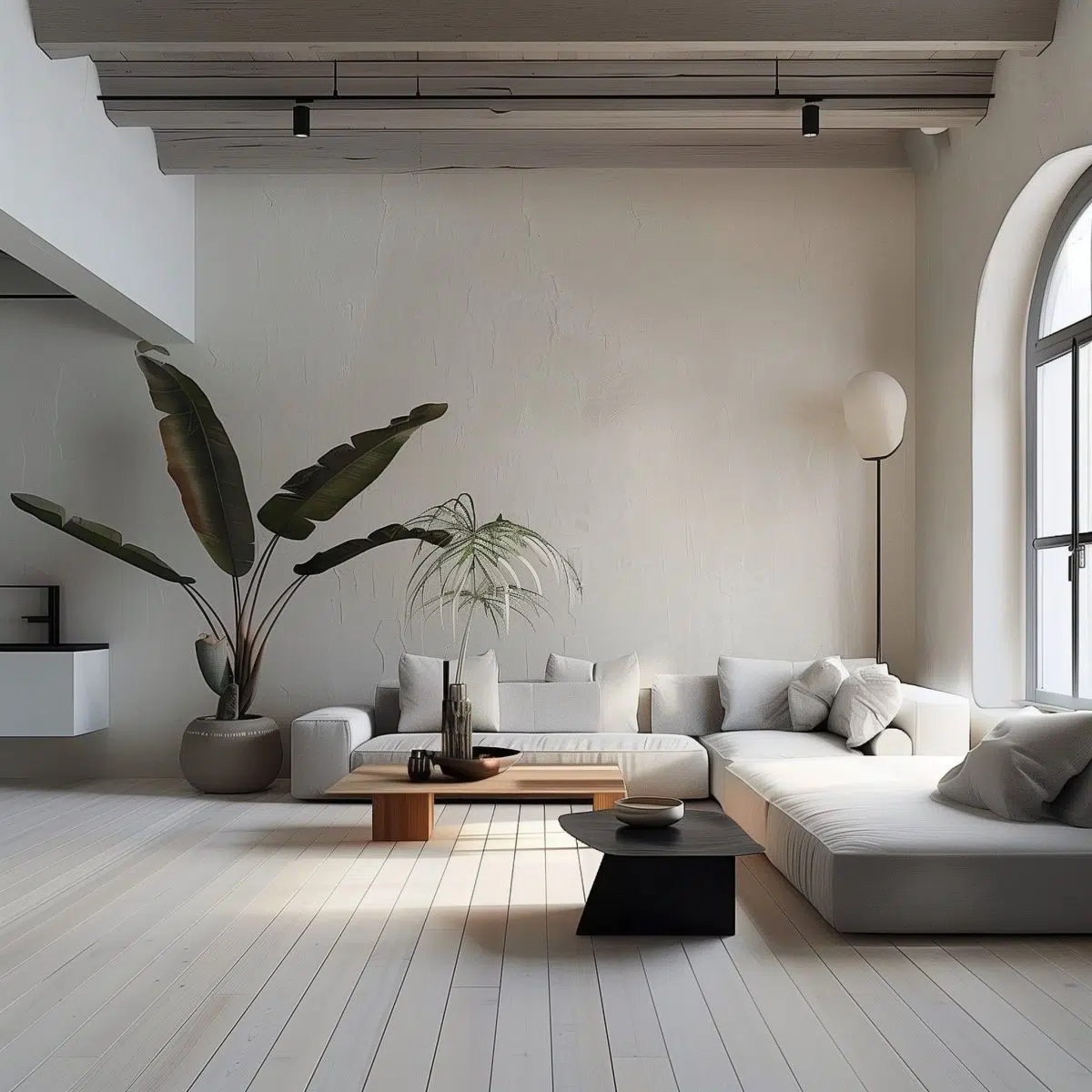
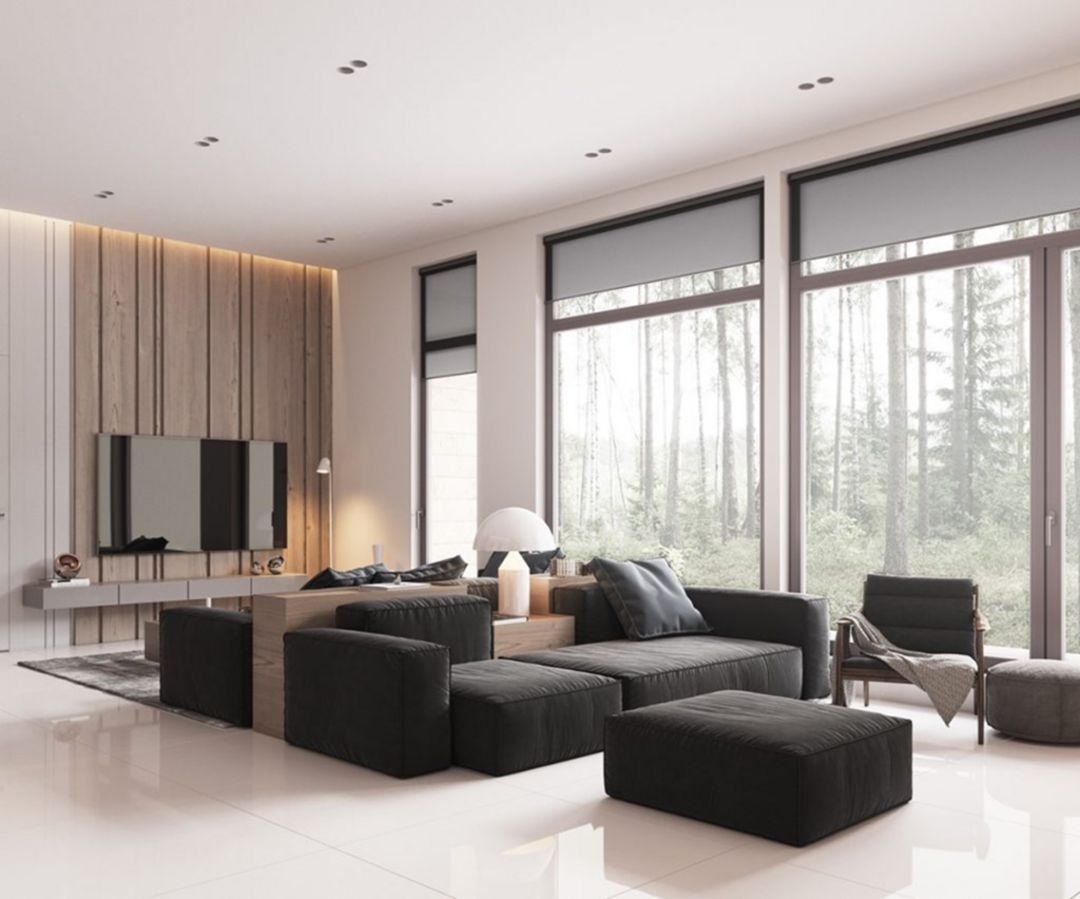
You walk into a showroom or scroll through Pinterest, and everything looks… clean. Sleek. Maybe a bit cold? You see the word "minimalist" slapped on a room with one chair and a white wall. Then you see "contemporary" on a space with curved sofas, warm wood, and bold art. They look similar, right? Both have open spaces. Both hate clutter. So why do designers insist they are different things?
It’s not just semantics. It matters. Because living in a home isn’t about looking at photos; it’s about how you feel when you wake up, how you cook dinner, and where you put your coffee mug. If you pick the wrong style for your personality, your house might look great but feel wrong. Like wearing a suit that’s tailored perfectly but made of scratchy wool. Uncomfortable.
Let’s clear the air. In 2026, the lines are blurrier than ever, but the core philosophies remain distinct. One is about reduction. The other is about now. Understanding this shift changes everything about how you build or buy your next home.
The Timeline Trap: Why "Contemporary" Keeps Moving
Here is the biggest source of confusion. People hear "modern" and "contemporary" and think they are synonyms. They aren’t. Not even close. Modern design refers to a specific historical period. Think mid-century. Think 1950s. Think Eames chairs and fixed rules. It’s stuck in time.
Contemporary design, on the other hand, is a chameleon. It means "of the moment." What was contemporary in 1990 looks nothing like what is contemporary in 2026. Today, contemporary design borrows from minimalism, industrial, and even traditional styles. It’s fluid. It changes as we change. If you read an article from ten years ago about contemporary homes, it might feel dated today. That’s the point.
Minimalism is also a philosophy, but it’s more static in its intent. It’s not about what’s trendy right now; it’s about stripping away the non-essential. It doesn’t care if it’s 2026 or 2050. The goal is always the same: less stuff, more space. While contemporary design chases the current vibe, minimalism chases clarity. This difference in timing affects every choice you make, from the floorboards to the light fixtures.
So, when you talk to an architect, ask them: "Are we designing for today, or are we designing for forever?" Contemporary answers "today." Minimalism answers "forever," or at least, "as long as possible." This mindset shift is crucial. Do you want a home that feels cutting-edge now but might look tired in five years? Or do you want a home that feels calm and relevant regardless of the decade?
The Philosophy of Space: Emptiness vs. Flow
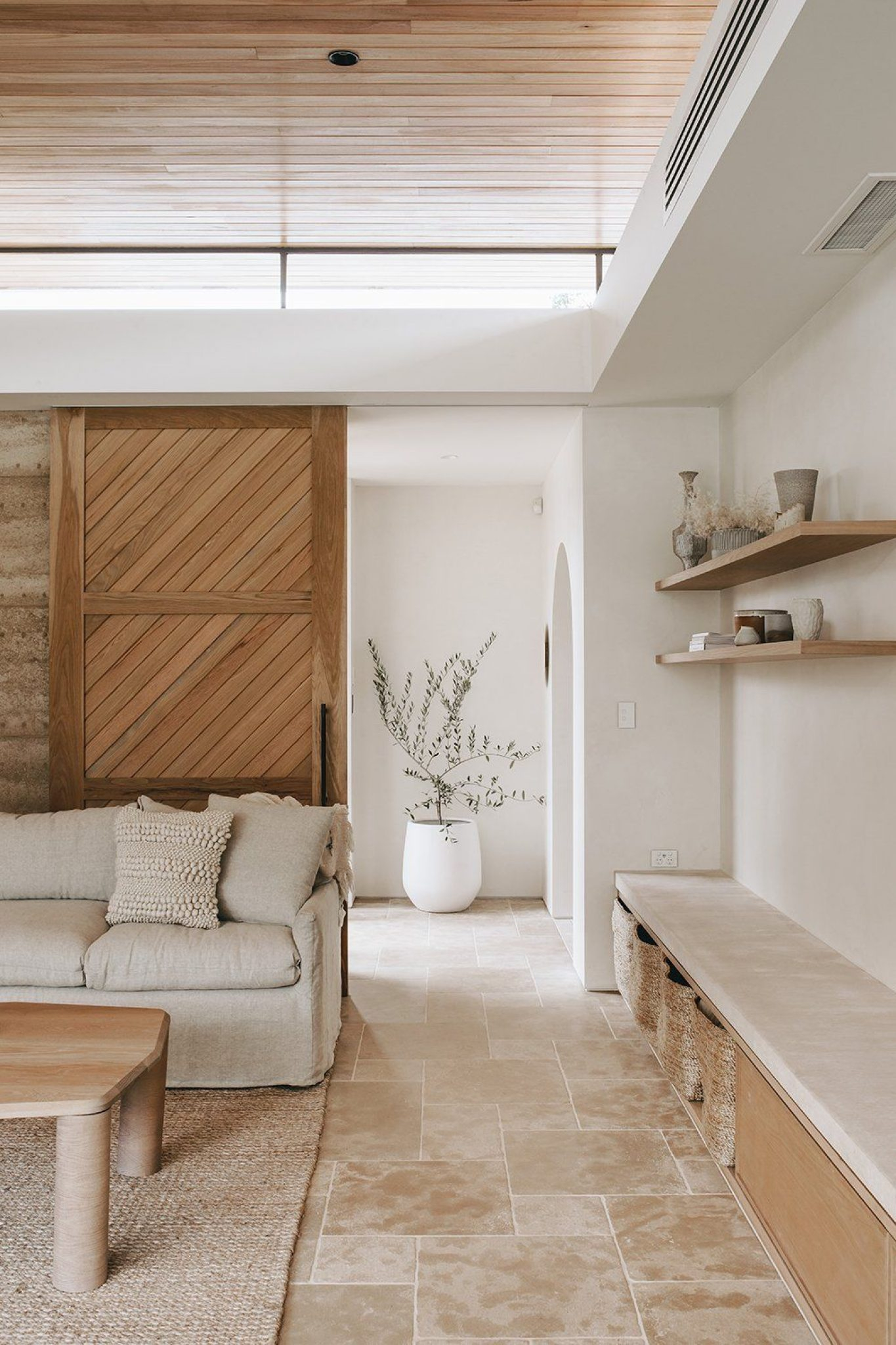
Walk into a minimalist home, and the first thing you notice is what’s missing. There is a deliberate void. It’s not just about having fewer objects; it’s about honoring the empty space itself. The air feels lighter. The walls breathe. In 2026, this has evolved beyond just "white boxes." Minimalist spaces now use texture to create interest without adding clutter. Think rough plaster walls or smooth concrete floors. The space itself is the decoration.
Contemporary homes treat space differently. They value flow and connection, but they aren’t afraid to fill that space. A contemporary living room might have a large, sculptural sofa, a statement rug, and a piece of abstract art. It’s curated, yes, but it’s not empty. The goal is comfort and visual interest. It’s about how the rooms connect to each other and to the outdoors. Large windows are common in both, but in contemporary design, they frame a view that becomes part of the decor.
This philosophical split shows up in daily life. In a minimalist home, you might feel a sense of discipline. Every item has a place, and if it doesn’t, it leaves. It encourages a certain mental clarity. Some people find this liberating. Others find it stressful. "Where do I put my kids’ toys?" is a common question. Minimalism demands maintenance of the aesthetic.
Contemporary design is more forgiving. It allows for life to happen. You can have a stack of books on the table if they look good. You can have colorful pillows. It’s designed for human interaction and comfort first, aesthetics second. In 2026, with so many people working from home, this flexibility is huge. A contemporary home adapts to your day. A minimalist home asks you to adapt to it. Which sounds more like your Tuesday morning?
Materials and Textures: Warmth vs. Precision
Let’s talk about what you actually touch. Minimalist design loves precision. It favors materials that are smooth, uniform, and often industrial. Steel, glass, concrete, and polished stone are staples. The finish is usually matte or satin, avoiding high gloss unless it’s a specific accent. The idea is to remove visual noise. If a material has a lot of grain or pattern, it might be too "busy" for strict minimalism.
But here’s the twist for 2026: pure minimalism can feel sterile. So, we’re seeing a rise in "warm minimalism." This still keeps the clean lines but introduces natural woods, linen textiles, and soft ceramics. It’s minimalism with a heartbeat. Yet, even in this softer version, the materials are chosen for their simplicity. A wooden table is simple in form, not ornate.
Contemporary design is a mixologist. It blends materials freely. You might see a sleek metal table paired with a plush velvet chair and a rustic wooden beam overhead. It’s about contrast. Contemporary interiors in 2026 are heavily influenced by sustainability, so you’ll see reclaimed wood, recycled metals, and eco-friendly fabrics mixed with high-tech smart home elements. It’s eclectic but cohesive.
The key difference is intention. In minimalism, materials are selected to disappear or blend. In contemporary design, materials are selected to stand out and interact. A contemporary kitchen might have a bold marble island that screams for attention. A minimalist kitchen would likely hide the appliances and use a monochromatic countertop to recede into the background. One invites you to look; the other invites you to relax.
Color Palettes: Neutrals vs. Current Trends
Color is where the distinction becomes obvious. Minimalist homes typically stick to a monochromatic or neutral palette. Whites, grays, beiges, and blacks dominate. If color is used, it’s sparingly. Maybe a single black vase on a white shelf. The theory is that color distracts from the form and space. By keeping things neutral, the eye rests. It’s calming. It’s safe.
Contemporary design, however, embraces the color trends of the moment. In 2026, we’re seeing a shift toward earthy tones—terracotta, olive green, deep blues—mixed with neutrals. But next year? It could be bright yellows or soft pastels. Contemporary design isn’t afraid of a bold accent wall or a colorful piece of furniture. It uses color to create mood and energy.
This doesn’t mean contemporary homes are rainbow explosions. They are still sophisticated. But they are dynamic. A contemporary bedroom might feature a headboard in a trending shade of sage green, paired with neutral bedding. A minimalist bedroom would likely have white walls, white sheets, and perhaps a light wood floor. No distractions. Just sleep.
Think about your own reaction to color. Does a bright red chair energize you or annoy you? If it energizes you, contemporary design might be your friend. If it annoys you, you probably crave the quiet of minimalism. Your emotional response to color is a huge clue. Don’t ignore it. Many people force themselves into minimalism because it looks "expensive" or "serious," but they miss the joy that color brings to their daily routine.
Furniture and Decor: Function vs. Statement
Furniture in a minimalist home is low-profile and functional. Legs are often thin or hidden. Shapes are geometric and simple. You won’t find ornate carvings or tufted upholstery. The furniture serves a purpose, and once that purpose is met, it tries to take up as little visual weight as possible. A minimalist sofa is often low to the ground, creating a sense of openness.
Decor is nearly non-existent in strict minimalism. If there is art, it’s usually large-scale and abstract, acting almost like architecture. Plants might be used, but often singular, sculptural ones like a fiddle leaf fig or an olive tree. No knick-knacks. No collections. The rule is: if it doesn’t serve a function or bring profound joy, it goes.
Contemporary furniture is bolder. It includes curvy shapes, oversized pieces, and mixed styles. A contemporary living room might feature a modular sofa that can be rearranged, paired with a vintage coffee table and a modern floor lamp. It’s about layering. Decor is encouraged. Sculptures, bowls, books, and textiles add personality.
In 2026, the line blurs with "functional art." Contemporary homes often feature furniture that is both useful and a conversation starter. A chair isn’t just for sitting; it’s a sculpture. Minimalist furniture is rarely a conversation starter unless you’re talking about how little there is. This impacts how you entertain. Do you want guests to admire your curated objects? Or do you want them to feel unburdened by visual clutter?
Living With It: Maintenance and Lifestyle
Let’s get real. How hard is it to live in these spaces? Minimalism requires discipline. It’s not a "set it and forget it" style. If you leave a jacket on the chair, it ruins the look. If you leave dishes in the sink, it feels chaotic. Minimalist homes demand constant editing. You have to be willing to let go of things. For some, this is a therapeutic practice. For others, it’s a chore.
Contemporary design is more resilient to mess. Because it already has layers and textures, a few items out of place don’t disrupt the entire aesthetic. It’s easier to maintain for families or people who just don’t want to think about their house all the time. You can toss a blanket on the couch, and it looks cozy, not messy.
Cost is another factor. People assume minimalism is cheap because there’s less stuff. Wrong. High-quality minimalist materials (like seamless concrete or custom cabinetry) are expensive. And because there’s nowhere to hide imperfections, the craftsmanship must be perfect. Contemporary design can be more flexible with budget. You can mix high-end pieces with affordable finds, and the eclectic nature makes it work.
Consider your daily habits. Do you have kids? Pets? Do you work from home with papers and cables? Minimalism can fight against this reality, requiring hidden storage solutions that cost a fortune. Contemporary design works with the reality of lived-in spaces. It accepts that life is a bit messy. In 2026, with housing costs high, choosing a style that matches your actual lifestyle, not your Instagram fantasy, is a smart financial move too.
So, which one is right for you? The truth is, most people don’t live in pure examples of either. We live in the gray area. You might love the clean lines of minimalism but crave the warmth of contemporary textures. That’s okay. In fact, it’s the trend. The best homes in 2026 are hybrids. They take the discipline of minimalism—keeping clutter down—and mix it with the comfort and personality of contemporary design.
Start by asking yourself what stresses you out. Is it visual chaos? Lean toward minimalism. Is it feeling like you’re in a museum? Lean toward contemporary. Look at your current home. What do you hate about it? Is it too crowded? Too cold? Your answers will guide you. Don’t worry about the labels. Worry about how the space feels.
Remember, design is personal. It’s not about following rules; it’s about creating a backdrop for your life. Whether you choose the quiet precision of minimalism or the dynamic flow of contemporary design, make sure it serves you. After all, you’re the one living there. Not the magazine editor. Not the algorithm. You.
Take your time. Collect ideas. But filter them through your own life. A home should feel like a deep breath, not a held breath. Whether that breath comes from empty space or curated comfort is up to you. Just make sure it’s yours.