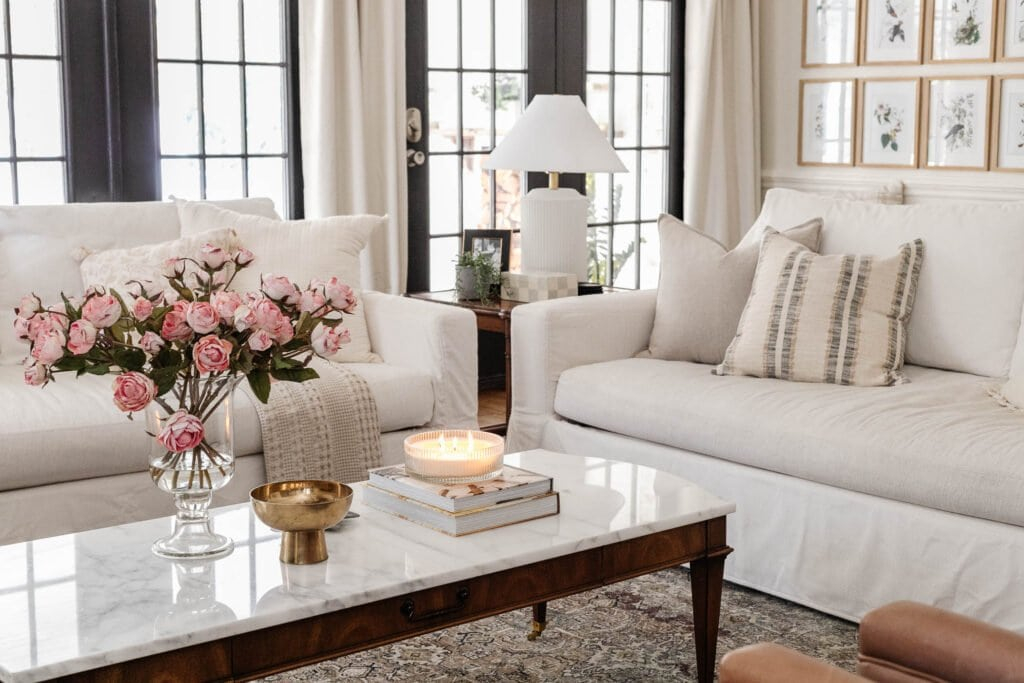
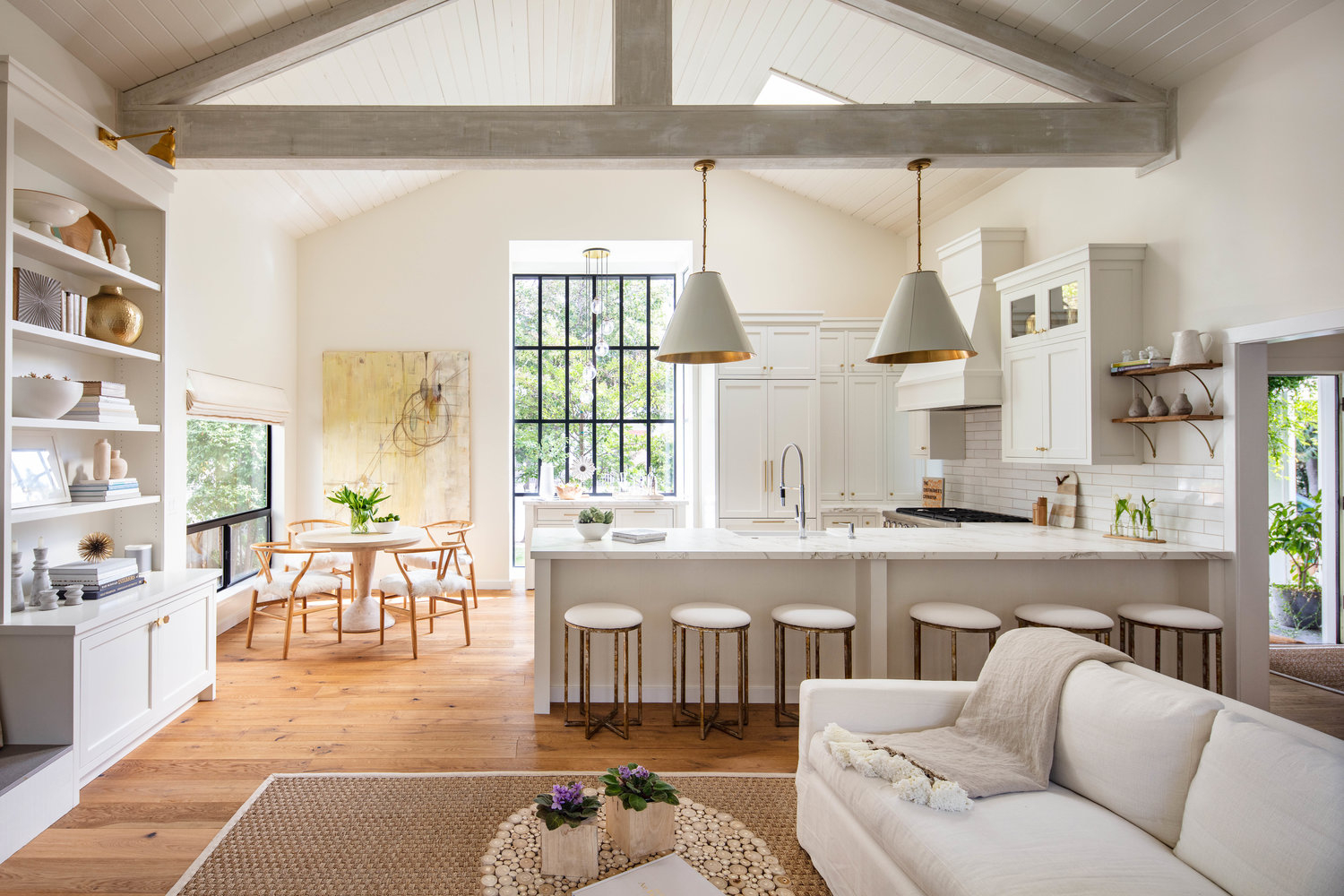
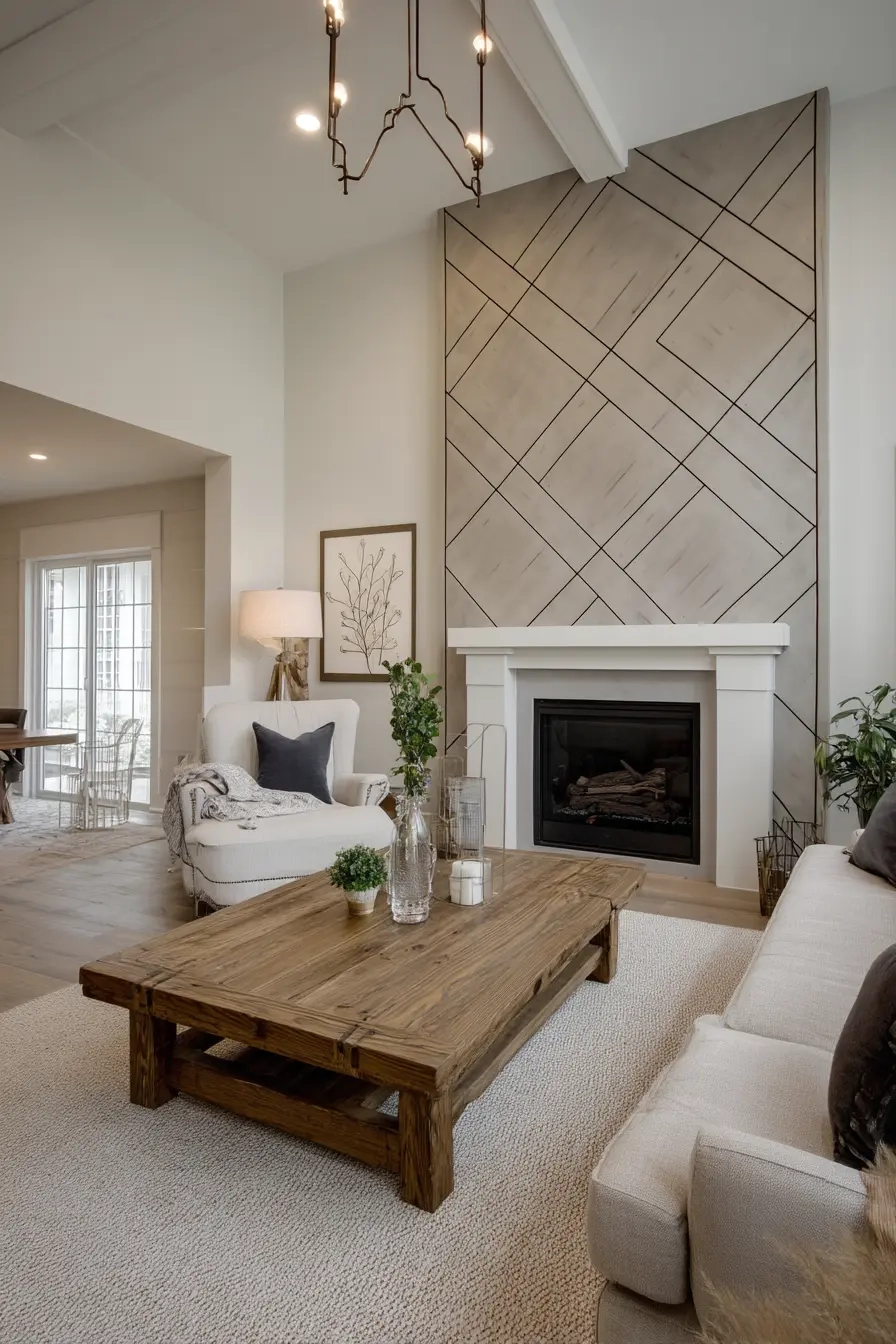
There is a distinct, visceral shift that occurs the moment you walk into a living room engineered for genuine comfort rather than mere visual performance. The harsh glare of synthetic lighting dissolves into pools of amber glow. The air carries a faint, earthy scent of raw timber and untreated wool rather than the chemical off-gassing of flame retardants and fresh polyurethane foam. You kick off your shoes, and your bare feet meet the rustic, unyielding embrace of a natural fiber rug. You settle onto a sofa upholstered in heavy, sun-baked linen, and instantly, your shoulders drop an inch. That sensation of sanctuary is not an accident of interior design. It is the calculated, soulful result of choosing materials that carry an authentic history, a natural pedigree, and a lower footprint on the living world.
For generations, the pursuit of cozy domestic spaces relied heavily on petrochemical shortcuts—cheap polyester fleece blankets, plastic-backed carpets, and vinyl-wrapped furniture that promised low maintenance at the direct expense of environmental health and indoor air quality. We built airtight boxes filled with synthetic materials, only to wonder why our homes felt sterile, electrically charged, and emotionally cold. The architectural and design currents of 2026 reflect a profound course correction. Homeowners are waking up to the realization that true warmth cannot be manufactured in a petrochemical refinery. It must be harvested from the earth, shaped by human hands, and invited into our living spaces with deliberate care.
This fundamental re-centering of domestic life bridges the ancient wisdom of building with local, organic resources and the sleek, understated sensibilities of modern organic design. When you strip away the extraneous plastic decor and replace it with tactile elements like sun-baked clay, unsealed white oak, raw wool, and living greenery, something remarkable happens. The room begins to breathe. It absorbs the harsh frequencies of modern life and reflects back a deep, grounding serenity. Crafting a cozy atmosphere through sustainable choices is not about sacrificing comfort for ideology; it is about discovering that sustainable materials are, by their very nature, the most physically comfortable and aesthetically rich substances available to us.
The Anatomy of Organic Comfort and Why Synthetics Fail at Warmth
To understand how to generate genuine warmth, we must first deconstruct why conventional living rooms so often fail to feel truly inviting. Synthetic materials—nylon, polyester, acrylic, and high-density polyurethane foams—are thermal insulators, but not in a way that feels organic to the human body. They trap static electricity, repel moisture rather than managing it gracefully, and block the subtle air and thermal exchanges that make a room feel alive. When you sit on a 100% polyester velvet sofa, you are interacting with a petroleum derivative. Over time, it traps body heat without breathing, leading to an uncomfortable, clammy microclimate. Contrast this with an unrefined wool or heavy linen upholstery blend: these organic fibers possess hygroscopic properties, meaning they actively absorb and release atmospheric moisture, helping to regulate temperature and maintain a soft, tactile breathability that adapts dynamically to your skin.
The psychological dimension of tactile authenticity runs parallel to its physical performance. Human evolution has hardwired our nervous systems to respond to organic textures. The irregular grain of a reclaimed timber coffee table, the microscopic variations in a hand-loomed jute or sisal area rug, and the matte, light-absorbing qualities of mineral-based lime wash paints all signal safety and permanence to our brains. Synthetic perfection, conversely, registers on a subconscious level as artificial, triggering a low-level vigilance. By replacing slick laminates and factory-perfect plastics with the rich, tactile footprint of nature, you remove the visual friction that keeps our minds racing even when we are trying to rest.
Furthermore, the indoor air quality of a living room dictates its livability far more than most realize. Standard furniture manufacturing often relies on formaldehyde-laden glues, stain-resistant per- and polyfluoroalkyl substances (PFAS), and toxic flame retardants that continuously off-gas into the tight spaces where we spend our evenings relaxing. A genuinely cozy room must first be a healthy room. Selecting artisan-crafted pieces finished with natural hardening oils like linseed or tung oil, paired with organic latex cushioning wrapped in untreated cotton or wool, eliminates invisible chemical burdens. You cannot truly relax in an environment where your respiratory system is quietly fighting invisible toxins, no matter how many throw pillows you pile onto the sofa.
Translating the Earthy Palette into Daily Living Spaces
Color is the fastest emotional shortcut in interior design, yet the contemporary obsession with sterile greys and stark minimalism often leaves living rooms feeling like clinical waiting areas. Shifting toward an earthy, nature-inspired palette immediately grounds a room, anchoring the eye and calming the nervous system. Think beyond basic brown and beige; modern earthy living rooms draw inspiration from the shifting tones of a forest floor, sun-baked terracotta, olive groves, and deep mineral charcoals. These hues do not scream for attention; they envelop the room, working in concert with natural daylight to create soft, shifting shadows throughout the day.
Achieving this look requires looking closely at how wall treatments and large textiles interact with light. Standard acrylic latex paints create a uniform, plasticized film over drywall that bounces light harshly. Natural mineral paints, such as lime wash or clay paints, contain microscopic pores that allow walls to breathe while creating a cloud-like, multidimensional texture that catches and diffuses light in a remarkably organic way. When the afternoon sun hits a clay-pigmented wall, the surface appears to glow from within, casting a soft, golden-hour warmth across the entire living space even on an overcast Tuesday.
Furniture upholstery and foundational textiles must follow this same chromatic logic. Instead of fighting the natural color variations of unbleached flax linen, raw hemp, and undyed wool, lean into them. A deep moss-green linen sofa paired with walnut wood accents and terracotta ceramic vessels creates an instantly balanced ecosystem within four walls. These colors are inherently timeless because they are not tethered to fast-moving micro-trends. They are the permanent colors of the natural world, ensuring your living room remains a comforting, relevant sanctuary for decades rather than seasons.
Step-by-Step Methodology for Curating a Sustainable, Cozy Living Room
Transforming a living room into a sustainable haven of warmth requires a methodical approach. Skipping steps or rushing to buy "eco-friendly" items off a mass-market shelf defeats the purpose of mindful curation. Follow this structured roadmap to build your space with intention, durability, and deep tactile comfort.
- Step 1 (Audit and Clear the Synthetic Clutter): Begin by evaluating your current living room inventory. Identify items built from compressed particle board, synthetic petroleum-based carpets, and plastic-heavy decor that contribute to poor air quality and cold acoustics. Donate or repurpose what you can, keeping in mind that the most sustainable object is the one already in use, but ruthlessly phase out items that actively degrade your indoor environment or fail to bring tactile joy.
- Step 2 (Establish a Natural Foundation with Rugs and Flooring): Anchor the room with a sustainable, heavy-duty area rug made from natural, renewable fibers. Opt for dense weaves of unbleached jute, sisal, or seagrass for high-traffic zones, or layer a plush, hand-knotted wool rug over reclaimed wood flooring. These natural fibers provide essential acoustic dampening, kill harsh echoey sounds, and offer a warm, grounding texture underfoot.
- Step 3 (Select Heirloom-Quality Organic Furniture): Invest in seating and tables constructed from sustainably harvested, FSC-certified hardwoods or reclaimed timber. For upholstery, prioritize frames built without toxic glues, cushioned with natural Dunlop latex or organic wool instead of polyurethane foam, and covered in breathable, heavy-weight linen, hemp, or organic cotton velvet.
- Step 4 (Layer Lighting with Circadian Intention): Eliminate harsh, overhead cool-toned lighting fixtures entirely. Implement a layered lighting scheme utilizing low-wattage, warm-spectrum LED bulbs (2200K to 2700K) housed in handmade ceramic, rattan, or paper lampshades. Introduce vintage brass floor lamps and beeswax taper candles to cast flickering, organic light sources that signal the brain to wind down.
- Step 5 (Integrate Living Botanicals and Natural Artifacts): Finish the space by bringing the outdoors in. Select hardy, air-purifying houseplants such as large-leafed Fiddle Leaf Figs, cascading Pothos, or sculptural Snake Plants planted in porous terracotta or unglazed ceramic pots. Complement the greenery with raw stones, driftwood, or hand-thrown ceramics that tell a story of human craftsmanship and geological time.
Common Pitfalls and Field-Tested Workarounds in Eco-Interior Design
The modern green marketplace is rife with marketing buzzwords, and navigating it requires a discerning eye. It is remarkably easy to fall into traps that undermine both your sustainability goals and your quest for genuine coziness. Recognizing these missteps before you spend hard-earned money saves resources and prevents domestic frustration.
- Pitfall 1 (Greenwashing and Fake Eco-Materials): Falling for products marketed as "eco-friendly" or "natural" that actually conceal heavy synthetic blends or toxic backing adhesives. Always read fiber content labels meticulously. Workaround: Insist on 100% single-source organic certifications (such as GOTS for textiles or FSC for wood) and demand transparency regarding finishes and glues directly from makers.
- Pitfall 2 (Over-Minimalism that Feels Sterile): Stripping a room down so drastically in the name of clean, sustainable design that the space ends up feeling cold, echoey, and unapproachable. Workaround: Balance clean layouts with maximum tactile variance. If your furniture silhouettes are sleek and modern, offset them with thick-pile wool throws, heavily textured ceramics, and rustic wood grains.
- Pitfall 3 (Ignoring Acoustic Softness): Relying solely on hard surfaces like exposed brick, bare hardwood floors, and minimalist leather furniture, which bounce sound waves and create an anxious, cavernous auditory environment. Workaround: Introduce sound-softening organic elements like heavy linen drapery, upholstered wall panels, or multi-layered natural fiber rugs to absorb ambient noise and quiet the room.
- Pitfall 4 (Buying New Sustainable Items Instead of Reimagining): Purchasing brand-new designer eco-furniture shipped across oceans, which incurs a massive carbon footprint despite the green materials used. Workaround: Prioritize vintage, antique, and locally salvaged furniture. The coziest living rooms are layered with pieces that have lived previous lives and carry an irreplaceable patina of human history.
- Pitfall 5 (Neglecting Maintenance Realities): Choosing delicate, untreated natural materials for high-traffic family zones without understanding how they age, leading to immediate staining, frustration, and premature disposal. Workaround: Select forgiving weaves and resilient natural fibers like tightly spun wool or heavy-duty hemp that naturally resist stains and look better as they acquire a gentle, lived-in patina over the years.
The Broader Impact: How Sustainable Living Rooms Heal Both Home and Earth
When we zoom out from the micro-details of throw pillows and floorboards, the act of crafting a sustainable living room connects our private domestic lives to a much larger global ecosystem. Every time we choose a coffee table built from reclaimed structural timber over a tropical hardwood logged illegally from an ancient rainforest, we cast a vote for forest preservation. When we purchase a hand-loomed wool rug from a transparent, fair-trade cooperative instead of a synthetic carpet manufactured in an unregulated industrial complex, we support traditional artisan communities and reduce the relentless microplastic shedding that plagues our oceans.
This interconnectedness redefines luxury. For decades, the design industry equated luxury with excess, rarity, and novelty—expensive materials shipped from thousands of miles away, wrapped in layers of single-use plastic, designed to be replaced the moment a new trend cycle took hold. True sustainable luxury is rooted in permanence, provenance, and peace of mind. It is the profound luxury of knowing that your living room is a carbon-storing, health-promoting sanctuary that honors the hands that made its components and respects the earth from which they came.
Furthermore, this mindful approach to our immediate environment trickles outward into our mental well-being and daily habits. A room built around natural rhythms and sustainable choices naturally encourages slower living. When your living space feels like a quiet extension of the natural world, you find yourself less compelled to fill empty hours with mindless consumption. The living room ceases to be a showroom designed to impress transient guests and transforms instead into a deeply restorative cocoon designed to restore the spirit of its inhabitants at the end of a demanding day.
Actionable Frameworks for Maintaining Long-Term Sanctuary and Warmth
Creating a cozy, sustainable living room is not a finite project with a hard completion date; it is an ongoing practice of stewardship and mindful evolution. To ensure your space continues to radiate warmth and maintain its ecological integrity over the coming years, adopt a cyclical maintenance and adaptation mindset.
- Embrace Seasonal Rotation: Rather than buying new decor for every holiday or changing trend, rotate a small, curated collection of seasonal textiles. Bring out heavier wool and chunky knit throws in the biting depths of winter, and swap them for breathable, lightweight linen cushions and dried botanical stems when summer arrives. This keeps the room feeling fresh without generating unnecessary waste.
- Prioritize Proper Material Care: Protect your investment in natural materials by using non-toxic, plant-based cleaning balms and wood conditioners. Regularly condition leather or wood surfaces with natural beeswax, and spot-clean wool rugs with mild, biodegradable soaps. Proper maintenance ensures your organic pieces age gracefully, developing that rich, honeyed patina that defines truly beloved heritage furniture.
- Cultivate Repair Culture: View minor wear and tear not as a defect requiring replacement, but as an opportunity for visible mending or artisan restoration. A water ring on a reclaimed wood table or a pulled thread in a linen cushion can be embraced as part of the home’s ongoing narrative, reinforcing a mindset of permanence over disposability.
- Support Local Artisans and Makers: When adding new functional art or statement pieces to your living room, source directly from regional craftspeople, woodworkers, and textile weavers. Buying local drastically reduces transportation emissions while ensuring your home is filled with unique, soulful creations imbued with the distinct character of your geographic region.
The living room occupies a sacred space in our daily rituals. It is where we decompress after navigating the complexities of the outside world, where we share vulnerable conversations in the dim light of dusk, and where we teach our children what a safe, nurturing environment feels like. By anchoring this vital room in sustainable choices, we do more than simply curate an aesthetically pleasing backdrop; we realign our domestic lives with the enduring wisdom of the natural world.
We discover that genuine warmth cannot be bought in a flat-pack box or sprayed from an aerosol can. It is grown in soil, spun on wooden looms, shaped by human hands, and invited slowly into our homes through deliberate, conscious decisions. As you look around your own living space today, consider what simple shifts you can make. Replace one synthetic element with an organic counterpart. Open your windows to let the air circulate through natural textiles. Let your home become a quiet, breathing testament to the fact that living sustainably and living in absolute, enveloping comfort are one and the same.