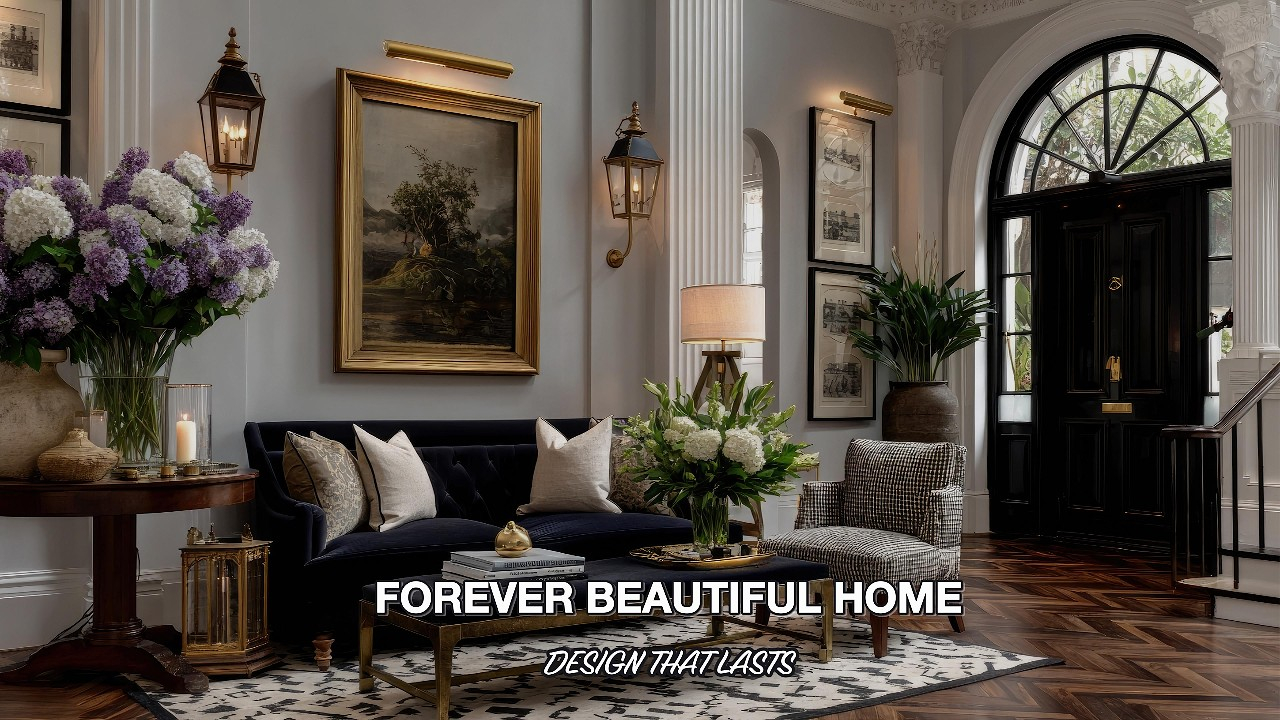
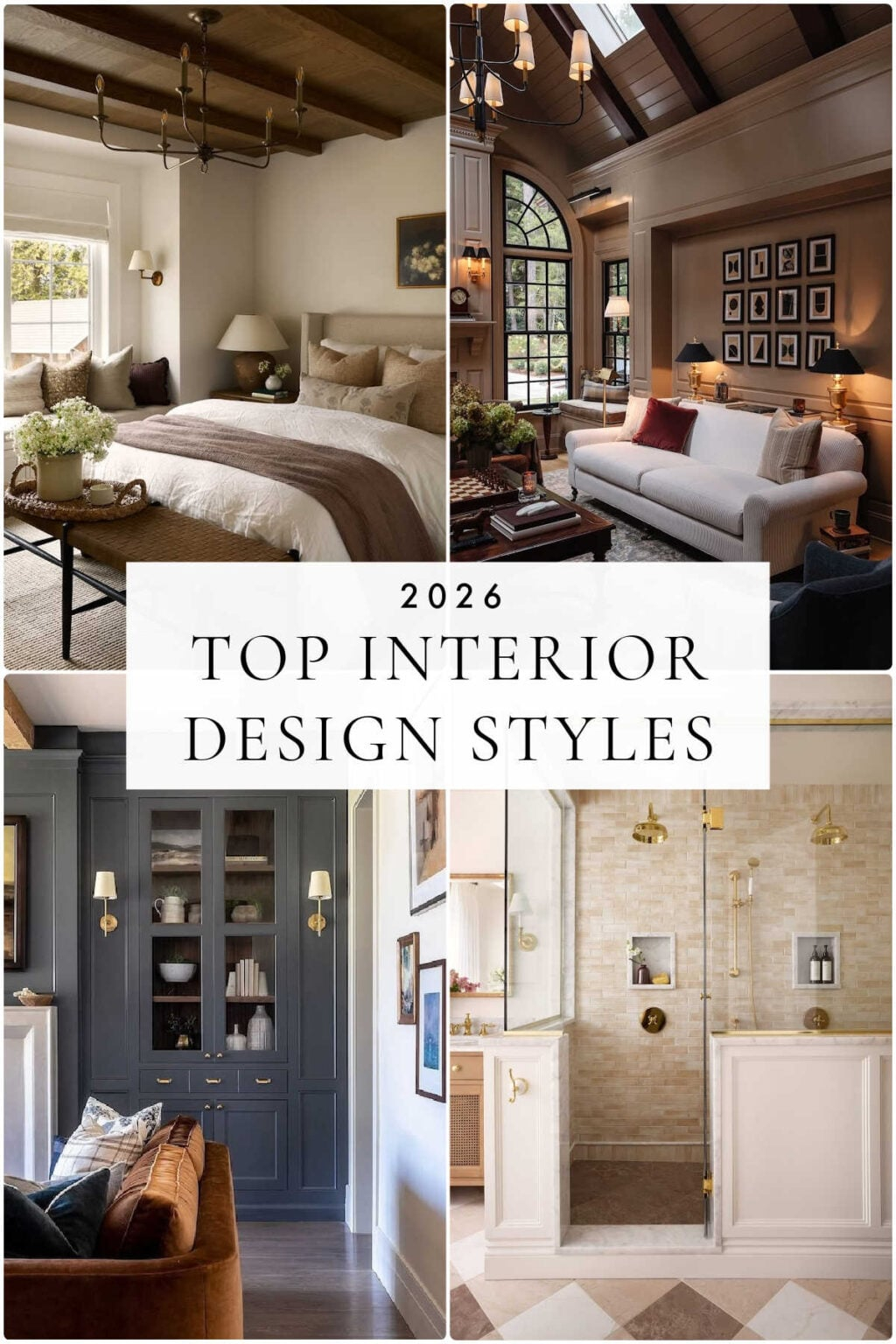
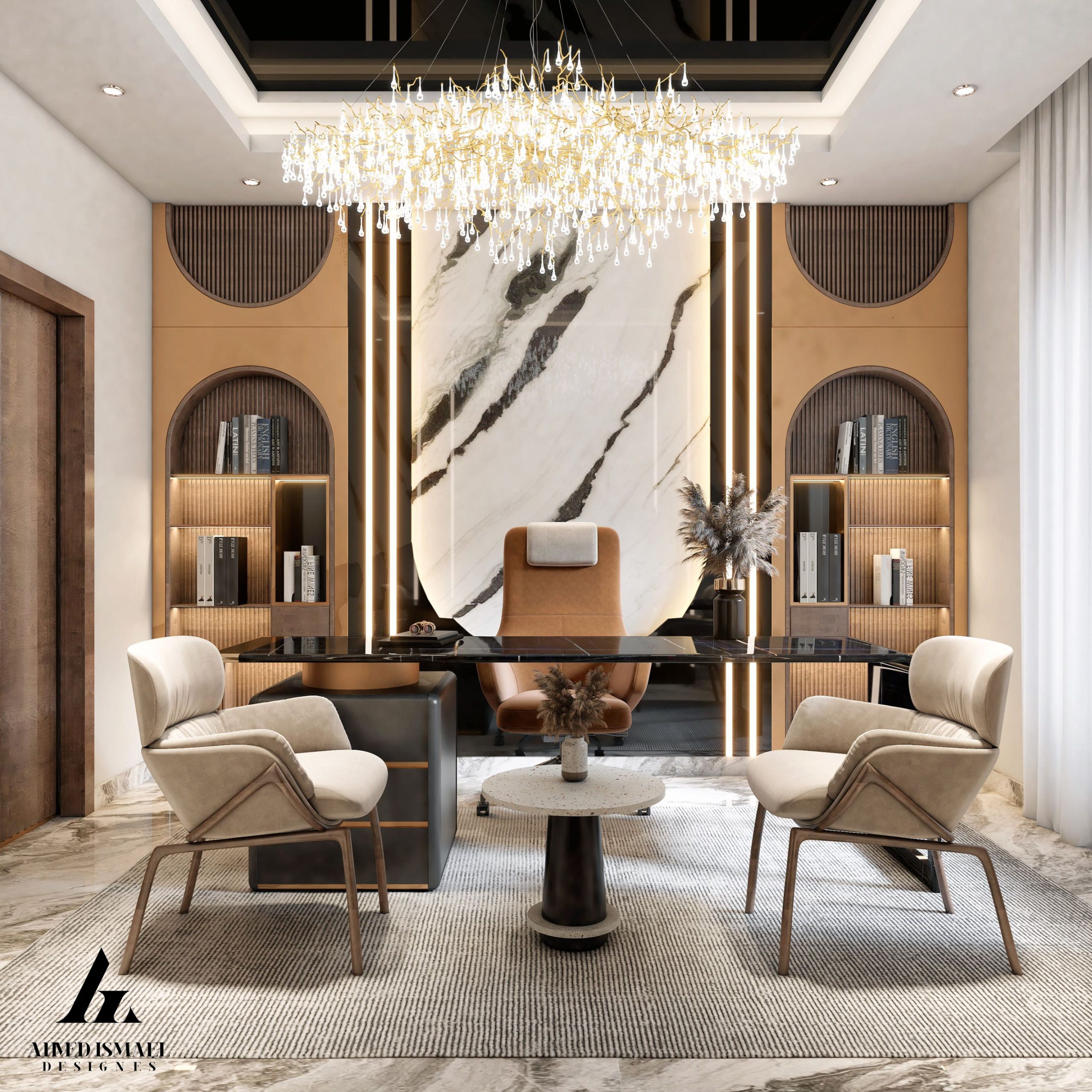
Step into any newly built suburban model home or scroll through a high-engagement digital feed for longer than thirty seconds, and a strange, unsettling uniformity takes over. You see the exact same fluted media consoles, the identical arches painted in chalky terracotta tones, and those omnipresent boucle armchairs looking less like functional seating and more like museum props. These spaces are undeniably photogenic, yet walking through them reveals an uncanny valley of interior design. They whisper of algorithms rather than human life, trading raw personal history for a sanitized, homogenized perfection that leaves zero room for mess, memory, or genuine soul.
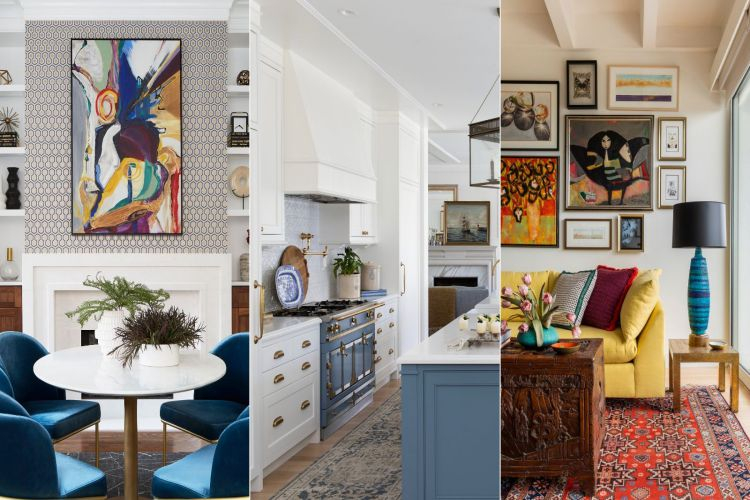
For the past decade, the design industry operated on a relentless, hyper-accelerated treadmill. Micro-trends bled into one another so quickly that by the time a homeowner finished installing a trendy tiled backsplash or a vibrant checkerboard rug, that exact aesthetic had already cycled from cutting-edge to dated. This perpetual churn of fast decor created a quiet psychological exhaustion. People grew tired of living inside permanent staging environments where a misplaced coffee mug or a stack of unread paperback books felt like an aesthetic failure.
Now, a profound correction is underway. Homeowners and designers alike are stepping off the trend carousel, choosing instead to anchor their living spaces in intentionality, provenance, and deep personal narrative. This shift is not about adopting a new rulebook or swapping one aesthetic dictation for another. Rather, it marks a return to the true purpose of domestic architecture: building a sanctuary that reflects who you actually are, honors authentic craftsmanship, and evolves naturally alongside the messy, beautiful reality of your daily life.
The Architecture of Authenticity: Deconstructing the Anti-Trend Movement
The pivot away from hyper-curated, algorithmic interiors represents a fundamental psychological shift in how we relate to our physical spaces. For years, the dominance of fast-paced visual platforms trained homeowners to design rooms primarily through a camera lens. Every corner had to be styled for maximum digital impact, resulting in static, museum-like environments where nothing could be touched, shifted, or lived in without ruining the composition. This approach treats a home as an ephemeral product rather than a long-term ecosystem for human thriving.
Moving beyond trends requires dismantling the myth that a home should ever feel "finished" in a static, magazine-ready sense. Authentic interiors are defined by their capacity for continuous, organic evolution. When you stop chasing the aesthetic of the month, you begin to value materials that age with grace rather than those that require constant replacement. Solid hardwoods that pick up minor dents and patinate over time, unlacquered brass hardware that darkens with the oils of human hands, and heavy linens that soften with every wash all contribute to a living environment that bears the physical imprints of human habitation.
This anti-trend movement also brings a much-needed antidote to decision fatigue. When every design choice is filtered through the lens of longevity and personal resonance rather than market validation, the exhausting pressure to keep up evaporates. You no longer feel compelled to gut a perfectly functional kitchen just because a new color palette dominates social media. Instead, you develop a discerning eye for what truly serves your daily rituals, creating a home that anchors your mental health and offers a genuine refuge from an increasingly noisy world.
The Economics and Ethics of Slow Decor and Provenance
Embracing an authentic interior demands a complete overhaul of how we source, buy, and value objects for the home. The fast decor economy relies on cheap materials, opaque supply chains, and rapid obsolescence, encouraging consumers to treat furnishings as disposable commodities. In contrast, the philosophy of slow decor prioritizes transparency, ethical craftsmanship, and deep respect for provenance. Knowing who made your dining table, where the clay for your ceramic vessels was harvested, or how a vintage kilim rug was hand-knotted transforms an inanimate object into a vessel of human stories and cultural heritage.
When you invest in pieces with genuine provenance, the financial calculus of home design shifts entirely. Instead of buying five cheap, flat-pack side tables over a span of ten years—each one eventually ending up in a landfill—you purchase a single, well-constructed vintage or artisan-made piece that lasts multiple lifetimes. This approach requires patience, discipline, and a willingness to live with empty corners while you search for the right element. Yet, the reward is an interior rich with depth, texture, and a distinct lack of cookie-cutter uniformity.
Furthermore, supporting independent makers and antique dealers breathes economic life into traditional trades that mass manufacturing threatens to erase. Woodworking, upholstery, ceramics, and textile weaving require rigorous skill and years of dedicated practice. By inviting these works into your home, you participate in a living lineage of craft. You are not merely decorating a room; you are curating a personal archive of human ingenuity and artistic expression that stands completely outside the dictates of commercial marketing cycles.
A Practical Roadmap to Curating Your Lived-In Sanctuary
Translating the philosophy of authentic interior design into your own living space requires a structured, deliberate methodology. Moving away from trends does not mean living in chaos; it means applying a rigorous internal filter to every item you bring across your threshold.
- Step 1 (Audit Your Existing Space): Walk through every room in your home with a critical eye, identifying items bought purely to chase a trend versus objects that genuinely serve a practical purpose or evoke deep emotional joy. Relinquish or donate anything that feels performative rather than personal.
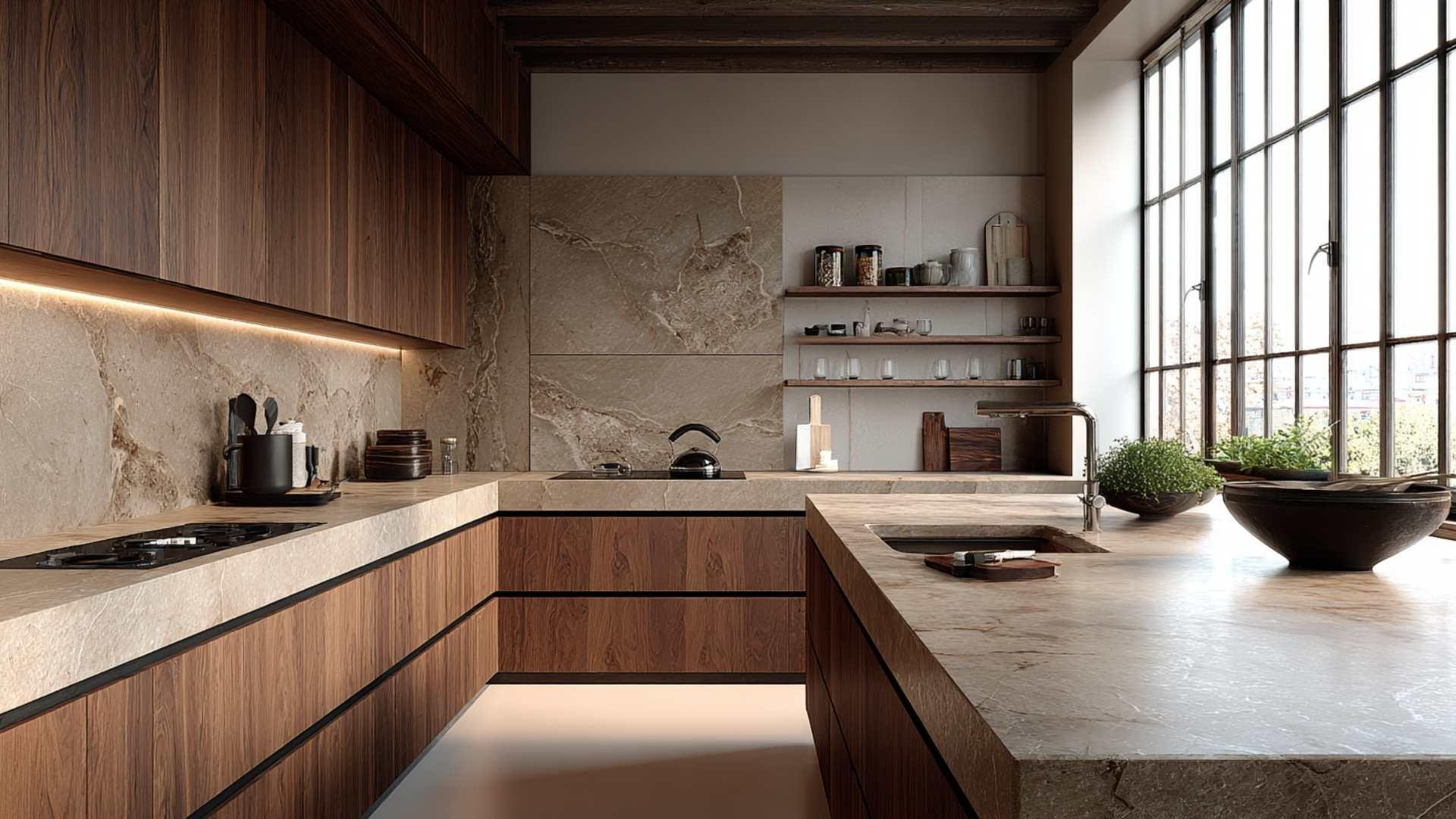
- Step 2 (Establish Your Sensory Baseline): Document the materials, lighting conditions, and tactile qualities that naturally draw you in when you feel most relaxed. Pay attention to whether you gravitate toward moody, shadowed corners with dark woods or expansive, light-filled rooms dominated by raw stone and pale plaster.
- Step 3 (Prioritize Provenance and Craft): Commit to sourcing furniture and decor through a mix of heirloom pieces, independent artisans, and reputable antique or vintage dealers. Research the origin of materials, ensuring that wood is sustainably harvested and textiles are ethically produced.
- Step 4 (Layer Personal Artifacts Intentionally): Integrate objects collected from travels, family history, and everyday life rather than styling surfaces with generic decorative filler books and mass-market trinkets. Let your books, art, and utilitarian items sit proudly on display because they reflect your actual intellectual and creative footprint.
- Step 5 (Embrace Imperfection and Evolution): Allow your interior to develop character naturally over time without rushing to fill every void. Accept that a well-loved home shows wear, and view those minor scuffs and patinas as living proof of a vibrant life unfolding within the walls.
Navigating the Traps of Anti-Trend Design and Superficial Authenticity
Even as the design world embraces authenticity, new marketing traps emerge to commercialize the very concept of "non-conformity." Brands now sell pre-distressed furniture designed to look like a vintage heirloom straight out of the box, or mass-produced pottery engineered with artificial imperfections to mimic artisan craft. Falling for these shortcuts undermines the entire premise of an authentic interior, replacing corporate trend-chasing with corporate nostalgia. True character cannot be manufactured on an assembly line.
Another common misstep is confusing curation with accumulation. In an effort to build a deeply personal space, homeowners often swing too far in the opposite direction, packing every square foot with miscellaneous vintage finds, flea market trinkets, and cluttered knick-knacks until the rooms feel anxious and suffocating. Authenticity requires negative space. A curated room needs room to breathe, allowing individual focal points—whether it is a striking piece of inherited art or a singular, masterfully crafted armchair—to command attention without visual competition.
Finally, beware of falling into the trap of rigid aesthetic purity. Some people become so obsessed with avoiding modern trends that they refuse to incorporate contemporary conveniences or functional innovations that would genuinely improve their quality of life. An authentic home does not require you to live like a historical reenactor. The goal is to blend timeless craftsmanship, personal storytelling, and modern functionality into a seamless, livable whole that supports your actual lifestyle today.
The Psychological and Spatial Ecology of a Soulful Home
The impact of an authentic interior extends far beyond visual appreciation; it directly influences our neurological well-being, stress levels, and sense of identity. Environmental psychology demonstrates that spaces filled with natural materials, personal narratives, and harmonious tactile qualities lower cortisol levels and foster a profound sense of psychological safety. When your home acts as a true external expression of your internal world, it stops being a source of aesthetic anxiety and becomes a reliable restorative anchor.
This spatial ecology also transforms how we host, gather, and interact with others. A home designed around trends often makes guests feel hesitant to sit down, afraid of spilling wine on a pristine white boucle sofa or knocking over a precariously balanced decorative arrangement. In contrast, an authentic, lived-in space radiates an effortless hospitality. Scratched dining tables invite long, wine-soaked dinner parties; worn leather armchairs beckon readers to curl up for hours; and unpretentious layouts encourage relaxed conversation.
By rejecting the sterile perfection demanded by digital feeds, we reclaim our homes as private sanctuaries of human experience. The physical layout adapts to our changing needs as families grow, careers shift, and personal tastes mature over decades. This fluid resilience ensures that your living space remains deeply relevant to your life, functioning not as a static stage set frozen in a single trend cycle, but as a living, breathing autobiography written in wood, stone, fabric, and light.
Strategic Frameworks for Long-Term Interior Longevity
Building a home that transcends the lifespan of any single design trend requires adopting a disciplined framework for decision-making. Every addition to your interior should be subjected to a rigorous set of criteria that ensures it adds lasting value to your physical and mental environment.
- The Utility Test: Does this object serve a clear, undeniable functional purpose in our daily routine, or is it merely occupying space to fill a visual void?
- The Tactile Test: How does this material feel against the skin? Does it invite touch and improve with physical contact, or is it delicate, synthetic, and prone to rapid degradation?
- The Narrative Test: Can you trace where this object came from, who made it, or why it matters to your personal history? If it was purchased new, does its maker practice transparent, ethical craftsmanship?
- The Adaptability Test: Can this piece easily transition to a different room, a different layout, or even a different home entirely if your living situation changes in the future?
- The Patience Rule: Never furnish an entire room in a single shopping trip. Allow rooms to develop over months and years, leaving space for serendipity and unexpected discoveries.
Applying these filters transforms the act of interior curation from a stressful consumer exercise into a deeply rewarding creative practice. You stop asking what is fashionable and start asking what is enduring.
The journey toward an authentic interior is ultimately an exercise in self-awareness. It asks you to quiet the external noise of algorithmic feeds, marketing campaigns, and societal expectations to listen to your own aesthetic instincts. When you strip away the pressure to impress transient audiences, you unlock the profound luxury of living in a space that truly supports, nurtures, and represents you.
Your home should never be a finished monument to a fleeting moment in design history. It should be a living record of your passions, your travels, your quiet mornings, and your celebratory gatherings. By prioritizing slow decor, genuine craftsmanship, personal history, and uncompromising comfort, you build more than just a beautiful room. You construct an enduring sanctuary—an authentic interior that stands resilient against the tide of trends, offering a true home for your soul for years to come.