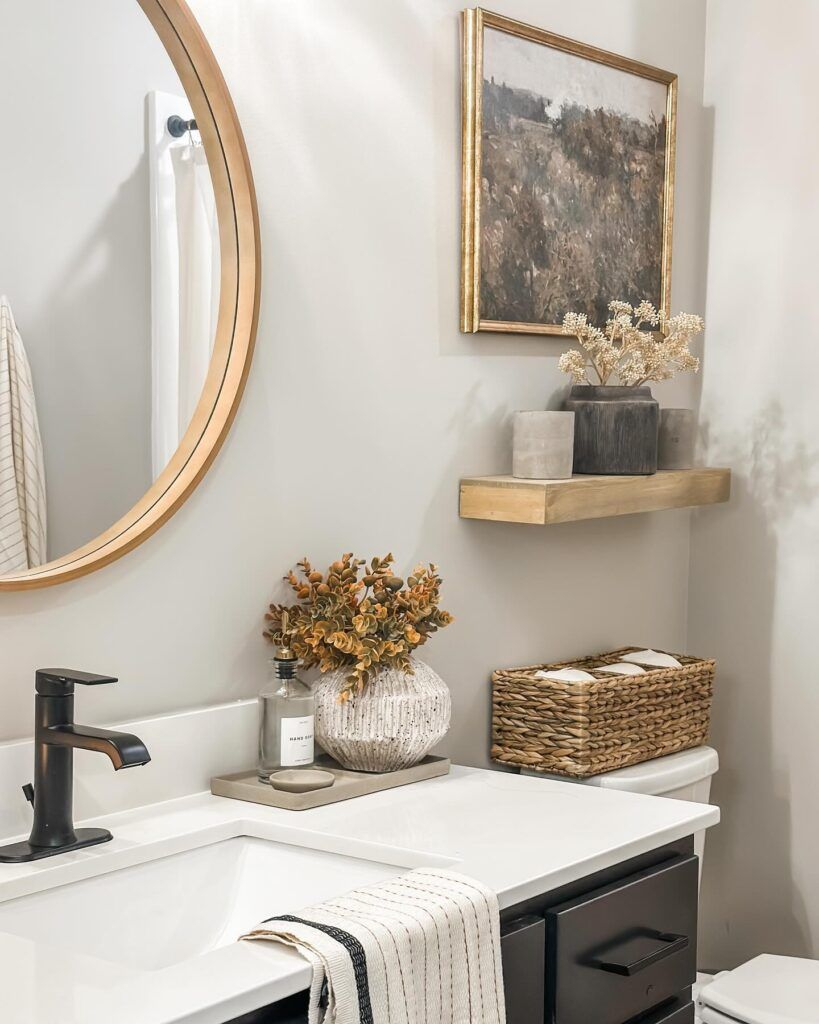
Picture this: It is 11:45 PM. You have just survived a three-leg commercial flight, a delayed baggage claim ordeal, and a grueling cross-town taxi ride through unfamiliar traffic. You finally unlock the door of your friend’s or host’s home, your shoulders knotted with tension and your eyes burning from recycled cabin air. The first place you ask to visit isn’t the kitchen or the plush living room sofa; it’s the bathroom. You need to wash away the collective grime of transit, brush your teeth with something familiar, and catch your breath in a private sanctuary.
When you push open that door, the difference between an ordinary guest room and an exceptional one reveals itself instantly. It is not about marble countertops or imported Italian tilework. Rather, it is the silent, empathetic curation of small details. A pristine stack of hand towels, a tube of toothpaste that doesn’t taste like industrial chalk, a charging cable resting neatly by the vanity, or a clearly labeled basket of emergency sundries. These items speak a universal language of care. They whisper that your arrival was anticipated, your fatigue understood, and your comfort prioritized long before you turned the key in the lock.
For too long, guest bathroom preparation has been treated as an afterthought—a dumping ground for hotel shampoo miniatures collected over a decade or an erratic assortment of expired sunscreens. Yet, for the discerning traveler, the guest bathroom serves as the ultimate litmus test of a host’s situational awareness. It is a micro-environment where psychology, architecture, and hospitality intersect. When executed correctly, a well-stocked guest bathroom bridges the gap between the clinical impersonality of a boutique hotel and the warm intimacy of a private home.
The Psychology of Arrival and Sensory Relief
The transition from the chaotic outside world into a private residence triggers an immediate psychological shift. Humans are sensory creatures, and transit strips away our control over our immediate environment. We sit in cramped seats, breathe filtered air, and navigate endless transit hubs. Consequently, the guest bathroom functions as the decompression chamber for the entire journey. When a host understands this transitionary phase, they curate the room not just with objects, but with targeted sensory interventions that accelerate physical and mental recovery.
Consider lighting as the first line of hospitality defense. Blinding overhead vanity lights at midnight feel like a physical assault on a traveler with a migraine or jet lag. An exceptional guest bathroom offers layered illumination—warm, dimmable secondary lighting or a soft amber nightlight that guides navigation without shattering the circadian rhythm. The tactile experience of textiles matters equally. Heavy-weight, 600-to-800 GSM (grams per square meter) cotton bath sheets provide an immediate sensation of being enveloped and protected from the elements. Thin, scratchy towels that smell faintly of basement storage do the exact opposite, reinforcing feelings of displacement and discomfort.
Olfactory cues also play a potent role in resetting a weary traveler’s nervous system. Harsh artificial chemical fragrances can trigger headaches or allergies in exhausted guests. Instead, subtle, grounding botanical notes like eucalyptus, lavender, or cedarwood signal cleanliness and tranquility without overwhelming the senses. When these sensory elements align—warm light, plush fabrics, clean air, and intuitive spatial layout—the guest’s brain registers safety. The physical tension built up during hours of travel begins to dissipate before they even turn on the shower tap.
Designing for Autonomous Utility and Problem-Solving
Beyond sensory comfort, a truly well-stocked guest bathroom operates as an autonomous problem-solving machine. Travelers inevitably forget something. Whether it is a phone charger, a contact lens case, a razor, or ibuprofen, the moment of realization usually occurs when stores are closed and asking the host feels awkward or burdensome. Anticipating these micro-emergencies transforms a good host into an exceptional one, removing the friction of travel dependencies.
The key to achieving this autonomy lies in visibility and intuitive organization. Stashing emergency supplies deep inside a vanity cabinet defeats the purpose if the guest has to go rummaging through private cupboards in their pajamas. Open-shelf storage, clear acrylic bins, or neatly labeled wicker baskets allow guests to scan the inventory in seconds. The curation should cover three distinct categories: personal care essentials, technical conveniences, and health maintenance items. Personal care must extend beyond generic soap to include high-quality shampoo, conditioner, body wash, makeup remover wipes, and dental hygiene tools—ideally featuring both standard toothpaste and sensitive-formula options.
Technical integration within the bathroom space is an emerging frontier of modern hospitality. While traditional guides focus solely on soaps and towels, contemporary travelers live tethered to digital devices. Providing a dedicated, moisture-safe charging station or a discreet vanity mirror with integrated LED lighting demonstrates a deep understanding of modern routines. Furthermore, simple provisions like a lint roller, a stain-removal pen, and a mini sewing kit address the wardrobe crises that plague business travelers and vacationers alike. By empowering guests to solve their own minor dilemmas, hosts preserve their guests’ dignity and foster a relaxed, self-sufficient stay.
A Step-by-Step Blueprint for Curating the Ultimate Guest Vanity
Building a world-class guest bathroom requires a systematic approach that balances generosity with visual clutter control. You want abundance without chaos, accessibility without intrusion. Follow this step-by-step methodology to audit and elevate your guest bathroom from functional to unforgettable.
- Step 1 (The Spatial Audit & De-Cluttering): Clear every surface completely. Remove all personal toiletries, outdated medications, and decorative items that serve no practical purpose. Evaluate the counter space from the perspective of someone holding a heavy toiletry bag who needs an uncluttered landing zone.
- Step 2 (Textile & Linens Upgrade): Stock matching sets of fresh bath sheets, hand towels, and face cloths. Ensure the GSM weight is at least 600 for plushness and absorbency. Hang them visibly on hooks or racks rather than folding them into distant linen closets, making their availability unmistakable.
- Step 3 (The High-Utility Amenity Curation): Assemble a basket of fresh, sealed personal care items. Include full-sized or high-end travel-sized shampoo, conditioner, body wash, hand lotion, dental floss, toothbrushes, toothpaste, cotton rounds, and Q-tips. Avoid mystery hotel leftovers; invest in cruelty-free, universally appealing botanical brands.
- Step 4 (Emergency Sundries & First Aid Integration): Create a clearly marked "just in case" kit. Stock it with travel-sized pain relievers, antacids, band-aids, tampons, spare contact lens solution, breath mints, a lint roller, and a fabric stain removal pen.
- Step 5 (Finishing Touches & Environmental Controls): Place a digital clock or small analog timepiece visible from the shower area. Ensure a high-capacity trash can with a lid is easily accessible. Add a subtle, non-offensive reed diffuser and verify that ventilation fans and locks are in flawless working order.
Navigating Common Pitfalls and Guest Friction Points
Even well-intentioned hosts frequently stumble when stocking their guest bathrooms, falling into traps that inadvertently cause friction or discomfort for their visitors. Recognizing these missteps is essential for maintaining an environment of effortless hospitality.
- Pitfall 1 (The Outdated Hotel Miniature Graveyard): Accumulating half-used, decades-old shampoo bottles from random international hotels looks cheap and unsanitary. Workaround: Purge all unsealed or mystery liquids. Invest in matching, pump-dispenser bottles filled with high-quality, dermatologically tested products that look sleek and maintain product hygiene.
- Pitfall 2 (Sensory Overload & Heavy Perfumes): Relying on overpowering plug-in air fresheners or heavily scented chemical potpourri that triggers asthma or migraines. Workaround: Opt for natural ventilation, neutral unscented soaps, and mild essential oil reed diffusers that guests can easily move or ignore if sensitive.
- Pitfall 3 (Hidden Essentials & Scavenger Hunts): Tucking toilet paper rolls, spare towels, and feminine hygiene products away in unmarked, locked, or hard-to-reach cabinets. Workaround: Follow the rule of transparent abundance. Keep an obvious basket of backup toilet paper within arm’s reach of the toilet and display towel stacks openly.
- Pitfall 4 (Neglecting Practical Maintenance): Ignoring dripping faucets, sluggish shower drains, flickering vanity bulbs, or sticking door locks before a guest arrives. Workaround: Conduct a pre-arrival "test drive" of the bathroom. Turn on every light, flush the toilet, test the water temperature, and check the drainage speed 24 hours prior to check-in.
- Pitfall 5 (Zero Counter Space): Filling every square inch of the vanity with decorative trays, fake succulents, and candles, leaving no room for the guest’s own toothbrush and skincare bag. Workaround: Apply the 70/30 rule—reserve at least 70 percent of flat counter surfaces completely empty for the guest’s personal belongings.
The Intersection of Sustainability, Hygiene, and Modern Luxury
As we navigate through 2026, the definition of luxury in hospitality has undergone a profound transformation. Gone are the days when luxury meant dozens of single-use plastic bottles destined for immediate landfill disposal. Today’s travelers—particularly Millennials and Generation Z—associate true high-end care with environmental stewardship, ingredient transparency, and ethical production. A modern, well-stocked guest bathroom reflects these evolving values without sacrificing opulence or convenience.
Refillable glass or heavy-duty ceramic pump bottles have officially replaced single-use plastics as the gold standard of upscale hosting. Brands utilizing biodegradable formulas, organic plant-based surfactants, and recyclable packaging signal respect not only for the guest’s body but for the planet. Furthermore, offering eco-friendly alternatives such as bamboo toothbrushes, organic cotton facial rounds, and bar shampoos crafted by artisanal makers adds an authentic layer of storytelling to the bathroom experience. Guests notice when a host curates items that align with conscious consumerism.
Simultaneously, hygiene standards have permanently shifted toward touchless and hyper-clean concepts. High-traffic guest bathrooms benefit immensely from touchless soap dispensers, washable fabric bath mats laundered between every guest rotation, and UV-sanitized utility spaces. Balancing rigorous hygiene with a warm, residential aesthetic prevents the bathroom from feeling sterile or clinical. When sustainability and immaculate cleanliness merge, the guest bathroom ceases to be merely a functional utility space and becomes a manifestation of thoughtful, future-forward hospitality ethics.
Actionable Frameworks for Different Guest Personas
Not all travelers arrive with the same needs. A business traveler attending a three-day convention requires a vastly different spatial setup than a family traveling with a toddler or a close friend escaping for a weekend reunion. Tailoring the guest bathroom stock to the specific profile of the visitor demonstrates elite-level hospitality intelligence.
For the corporate or professional traveler, the priorities center on efficiency, grooming maintenance, and device management. Stocking a high-powered ionic hair dryer, a full-length mirror outside the shower radius, a clothes steamer, and a multi-port USB charging station on the vanity counter will earn immediate gratitude. These items save precious morning minutes for someone preparing for high-stakes meetings.
For leisure travelers, families, or guests staying extended durations, the focus shifts toward relaxation, pampering, and holistic wellness. Enhance the inventory with luxury bath salts, a plush bath pillow, exfoliating body scrubs, and high-end botanical lotions. If hosting guests with children, ensure safety items are integrated seamlessly—such as non-slip bath stickers in the tub, step stools tucked beneath the sink, and tear-free, hypoallergenic wash products. By categorizing your hosting approach based on who is walking through your front door, you eliminate guesswork and deliver a tailored, deeply resonant experience.
The guest bathroom is ultimately a stage upon which hospitality is performed without words. Long after the suitcases are unpacked and the itineraries are set, the small, quiet moments spent washing away the dust of travel in a thoughtfully provisioned space leave an indelible mark on a visitor’s memory. It proves that care is not accidental; it is the result of intention, empathy, and meticulous attention to detail.
As we look toward the future of hosting, the core tenets remain remarkably constant even as technologies and preferences evolve. People will always remember how a space made them feel when they were vulnerable, tired, and far from home. By treating the guest bathroom not as a service closet, but as a sanctuary of restoration, you elevate the art of hosting into an act of genuine human connection. Stock your shelves with empathy, design for autonomy, and watch how a simple room transforms the entire trajectory of a traveler’s journey.