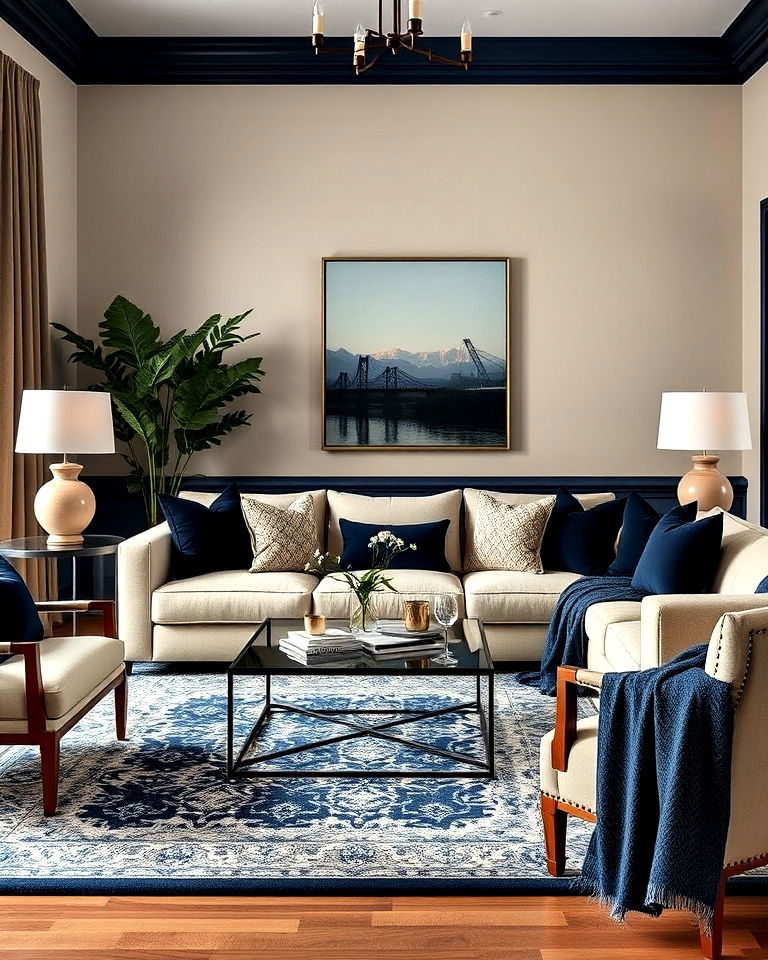
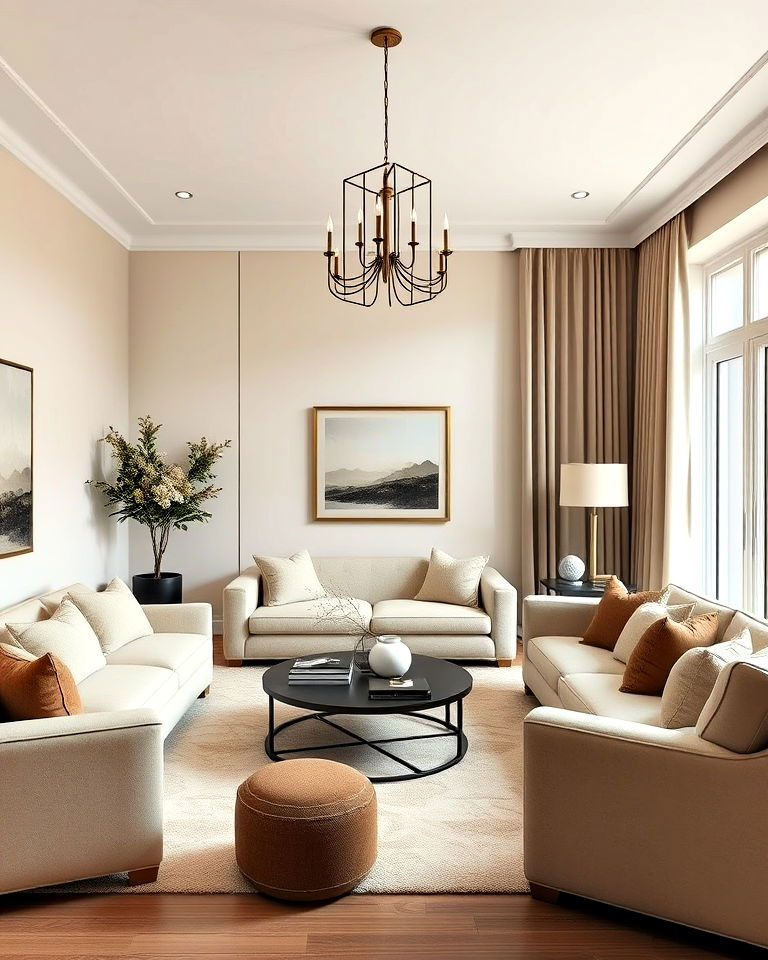
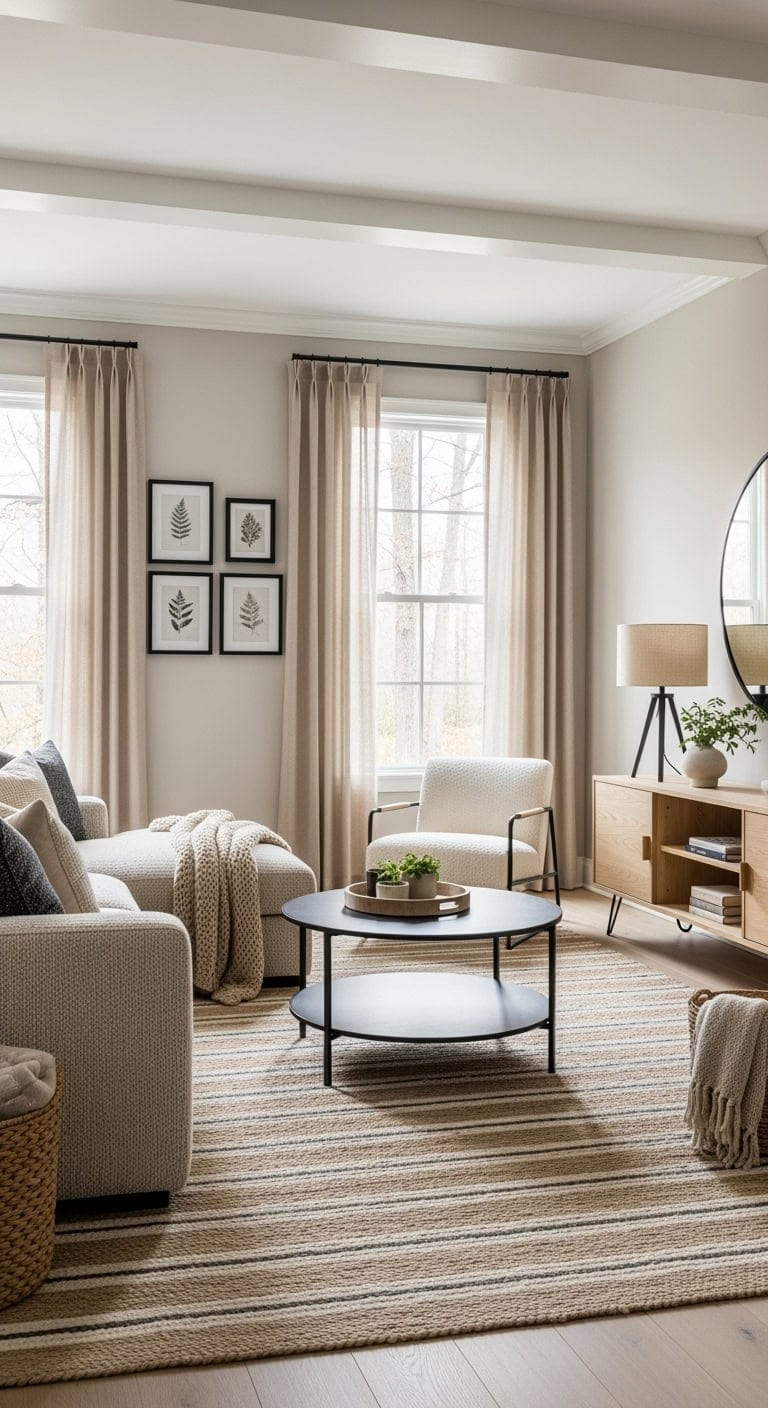
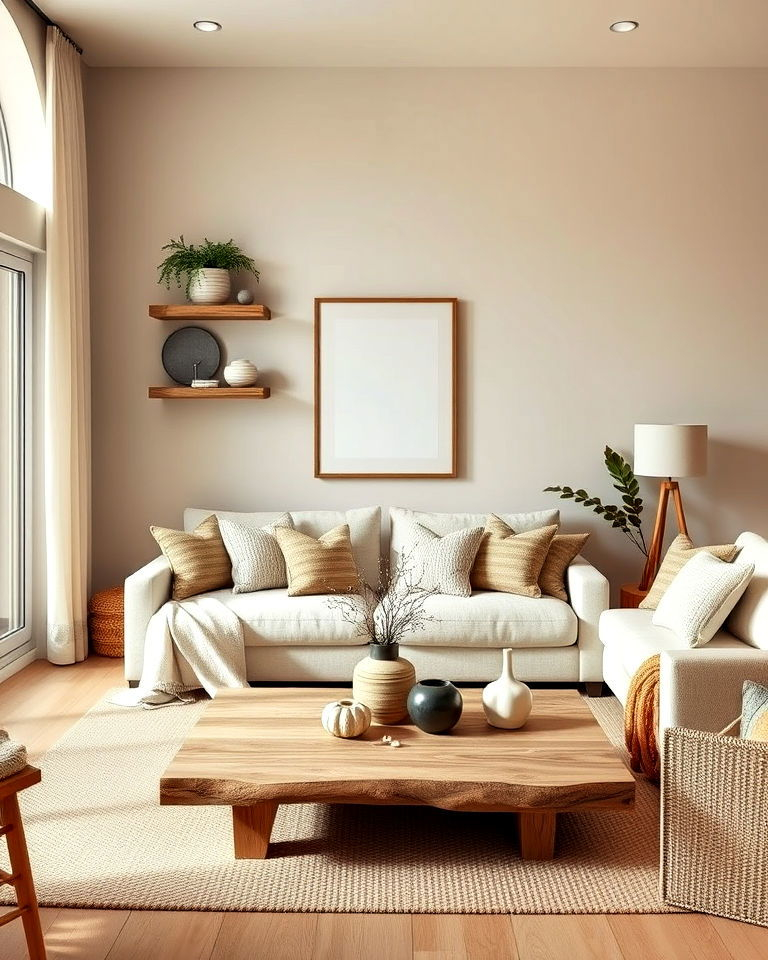
The front door clicks shut, sealing out the relentless hum of traffic, glowing screens, and the dizzying velocity of the outside world. Instantly, the nervous system shifts down a gear. Your eyes do not stumble over clutter or clash against chaotic colorways. Instead, they sweep across an expanse of soft alabaster walls, unadorned white-oak floorboards, and the tactile silhouette of a low-profile linen sofa. This is not the sterile, museum-like minimalism of the early 2010s that left homeowners shivering in high-gloss white boxes. This is a deliberate, soulful evolution. It is a space designed around breath, texture, and silence.
For years, interior design swung wildly between maximalist explosions of pattern and cold, industrial interpretations of minimalist restraint. But a quiet revolution has taken root in contemporary domestic spaces. Drawing inspiration from the fashion world’s shift toward "quiet luxury"—where branding is stripped away in favor of heirloom-grade craftsmanship and superlative fabrics—interior stylists are rethinking what it means to live with less. Home decor has stopped trying to shout for attention. Instead, it whispers, grounding its beauty in the subtle interplay of light, touch, and negative space.
Achieving this atmospheric shift requires more than simply buying a gallon of greige paint and tossing out half your possessions. It demands an intimate understanding of how materials speak to one another, how natural light charts the passage of a day across a plastered wall, and how restraint can ultimately feel richer than accumulation. Stripping a room down to its essential bones exposes everything. Every flaw, every poorly chosen synthetic fabric, and every hollow piece of flat-pack furniture becomes glaringly obvious. To do minimalist neutral decor well, you have to trade speed for intention, choosing items that age gracefully rather than trend rapidly.
Anatomy of Tactile Neutrality and Subdued Palettes
When people hear "neutral minimalist home decor," their minds often drift toward flat, lifeless grays or stark institutional whites. True quiet elegance rejects flatness entirely. A sophisticated neutral palette is actually an intricate study in undertones, warmth, and chromatic depth. It balances cool architectural elements with organic warmth, relying on shades of bone, warm ecru, raw umber, parchment, and deep charcoal. The secret weapon here is not color, but texture. Without a vibrant palette to stimulate the eye, the hand takes over as the primary sensory organ of the room.
Consider how light behaves when it hits different surfaces within a monochrome space. If every single item in a room possesses the same smooth, matte finish, the space feels dead. However, when you layer a rough, limewashed plaster wall against a heavy boucle armchair, a raw-edge travertine coffee table, and brushed-brass hardware, the room comes alive. The neutrality of the palette acts as a quiet canvas, allowing the intrinsic character of raw materials to take center stage. Wood shows its grain, stone reveals its geological fissures, and unbleached linen showcases its slubs and irregularities.
Building this palette requires a disciplined eye for undertones. Neutrals are notoriously slippery; put a yellow-based cream next to a blue-based gray, and one of them will instantly look dirty. Master stylists combat this by selecting a dominant thermal category—either warm (ochres, terracottas, warm ivories) or cool (slates, silvers, crisp chalks)—and sticking to it rigidly across paint, textiles, and large furniture investments. By maintaining tonal harmony, you create an effortless visual flow from the entryway to the bedroom, reinforcing the psychological calm that defines the entire aesthetic.
The Economics and Philosophy of Investing in Fewer, Better Things
The quiet luxury movement inside our homes serves as a direct antidote to disposable consumer culture. Fast-furniture trends, driven by algorithmic cycles and seasonal collection drops, have historically filled landfills with fragile, short-lived items. Minimalist neutral decor turns this model on its head by adopting a rigorous "buy once, cry once" philosophy. When your decor is stripped back to essentials, every remaining piece carries enormous weight. A sofa is no longer just a place to sit; it is the visual and structural anchor of the entire room. Therefore, investing in a hand-tied frame upholstered in heavy Belgian linen is not an extravagance—it is an economy of longevity.
This philosophy shifts how we evaluate value in interior design. A mass-produced veneer coffee table might save money today, but its synthetic surface will scratch, peel, and look dated within three years. Conversely, a solid-oak or unfilled travertine table develops a patina over time. It absorbs the history of the household—a spilled glass of wine, a scratch from a toy, the daily wear of bare feet—and integrates these marks into its overall beauty. This is the core essence of wabi-sabi and understated luxury: embracing authenticity, transience, and the quiet dignity of materials that age without losing their integrity.
Budgeting for this aesthetic requires a strategic approach. You do not need to liquidate your savings to achieve a high-end, quiet luxury look. Instead, allocate funds toward anchor pieces that you touch and use daily—seating, dining surfaces, and primary lighting. Save on secondary accessories by scouring vintage markets for hand-thrown ceramic vessels, or invest time in DIYing lime-wash wall treatments that mimic the expensive plaster finishes seen in high-end editorial spreads. By prioritizing substance over superficial styling, you build a home that feels substantial, grounded, and financially resilient against changing trends.
A Practical Blueprint for Curating Your Neutral Sanctuary
Transforming a chaotic, over-furnished room into a haven of quiet elegance cannot happen overnight. It is an exercise in editing, curation, and patience. Rushing through the de-cluttering process often leads to regret, while moving methodically ensures that every retained object earns its place in the spatial ecosystem.
- Step 1 (The Radical Edit): Remove every single decorative accessory, throw pillow, and piece of secondary furniture from the space. Live with the stripped-back room for forty-eight hours to reset your spatial baseline and identify what the room actually needs to function.
- Step 2 (Establishing the Thermal Baseline): Select your primary neutral paint color based on the room’s natural light orientation. North-facing rooms require warm, red- or yellow-based ivories to combat cool light, while south-facing rooms can handle cooler, balanced chalks and bone whites.
- Step 3 (Curating the Foundation Textures): Introduce large-scale foundational elements with high tactile value. Prioritize natural fibers like heavy wool rugs, untreated oak or walnut wood, and heavy-weight drapery that pools slightly on the floor to soften hard architectural lines.
- Step 4 (Layering Functional Illumination): Banish harsh overhead recessed lighting. Layer your illumination across three distinct heights using dimmable floor lamps, ceramic table lamps with linen shades, and warm architectural wall sconces to cast soft, sculptural shadows.
- Step 5 (Intentional Styling and Negative Space): Return only the most meaningful objects to the room, adhering to the principle of negative space. Leave large areas of walls and surfaces completely bare to allow the eye to rest and emphasize the sculptural forms of your furniture.
Avoiding Common Missteps in Minimalist Neutral Design
Even the most well-intentioned interior projects can veer off course. Minimalism is deceptively difficult to execute because there is nowhere for design errors to hide. In a maximalist room, a cluttered corner or mismatched lamp gets lost in the visual noise. In a quiet, neutral space, every imbalance acts like a flashing neon sign. Recognizing these common traps helps ensure your home maintains its serene equilibrium rather than slipping into sterility or unintentional blandness.
- Pitfall 1 (The Sterile Showroom Trap): Filling a room exclusively with brand-new, ultra-modern furniture makes it feel like an uninhabited hotel lobby. The Workaround: Counterbalance sleek modern silhouettes with vintage ceramics, antique wooden stools, or handmade objects that carry human imperfections and historical depth.
- Pitfall 2 (Monochrome Monotony): Using identical shades of beige or gray for walls, floors, upholstery, and accessories creates a washed-out, visually exhausting environment. The Workaround: Vary your tones across a five-step gradient from deep charcoal down to pale parchment, ensuring every layer contrasts subtly with its neighbor.
- Pitfall 3 (Neglecting Lighting Physics): Relying on stark 5000K LED bulbs instantly turns a warm neutral room into an interrogation cell. The Workaround: Standardize all interior bulbs to a warm 2700K color temperature and install dimmer switches on every circuit to control the mood dynamically.
- Pitfall 4 (Clutter Disguised as Decor): Accumulating small, meaningless trinkets—trays of crystals, dozens of tiny picture frames, redundant decorative bowls—ruins spatial flow. The Workaround: Practice the rule of replacement; if a new item enters the home, an existing decorative object of equal size must leave.
- Pitfall 5 (Ignoring Acoustic Comfort): Stripping away carpets, heavy drapes, and upholstered furniture creates a hard-surfaced echo chamber where every footstep and conversation reverberates. The Workaround: Integrate sound-absorbing elements such as acoustic plaster, wool area rugs, and upholstered wall panels hidden behind linen textiles.
The Psychological Architecture of Serene Spaces
Design does not merely alter the physical dimensions of a room; it actively programs human psychology. Neurological studies consistently show that visual clutter increases cortisol production, keeping the brain in a low-grade state of fight-or-flight reactivity. Conversely, orderly spaces characterized by low-stimulus palettes, symmetrical lines, and natural materials signal safety to the amygdala. Embracing minimalist neutral decor is, at its core, a form of self-care. It designs a physical boundary between the chaotic stimuli of modern life and the inner sanctuary of the mind.
This psychological architecture extends far beyond stress reduction; it actively fosters mindfulness and intentional living. When your physical environment is calm and uncluttered, daily routines slow down. Making morning coffee, folding laundry, or sitting down to read a book feels ceremonial rather than purely functional. The absence of visual noise allows thoughts to organize themselves more clearly. In a world that demands continuous partial attention, a home styled with quiet elegance acts as an anchor, reminding its inhabitants to be fully present in the room they currently occupy.
Furthermore, this design ethos encourages sustainable habits that ripple outward into other areas of life. When you stop chasing micro-trends and fast-furniture releases, you develop a deeper appreciation for craftsmanship, local makers, and material provenance. You begin to value the artisan who hand-turned a wooden bowl or the weaver who spent days on a wool textile. This shift transforms the home from a passive collection of commodities into an active, breathing narrative of personal values, restraint, and mindful stewardship.
Long-Term Maintenance and Evolution of a Timeless Interior
A truly great interior design scheme is never permanently "finished"; it evolves organically alongside the people who inhabit it. The beauty of a minimalist neutral foundation is its incredible adaptability. Because the base architecture and major furniture investments rely on quiet, timeless tones and natural textures, the room can easily shift its personality across seasons without requiring a total overhaul. Swapping heavy wool throws for lightweight linen blankets in the summer, or introducing a single ceramic vase of winter branches, is all it takes to keep the space feeling fresh and responsive to nature.
Maintenance in a neutral, minimalist home requires a shift in household routines. Lighter color palettes, particularly those featuring unbleached linens, untreated wood, and porous stones like travertine, demand a proactive approach to cleaning and protection. Conditioning leather, sealing natural stone surfaces annually, and spot-cleaning high-traffic upholstery with gentle, eco-friendly cleaners protects your investment. Rather than viewing these chores as a burden, many practitioners find that caring for these high-quality materials deepens their emotional connection to the home. Every touch is a reminder of the craftsmanship embedded in the walls.
As the years pass, your minimalist sanctuary will absorb your life’s chapters. Children will leave minor scuffs on the baseboards, sun will slowly bleach the edge of an oak dining table, and your collection of art will mature. In a poorly designed room, these signs of aging look like deterioration. In a home built on quiet elegance and authentic materials, they look like a biography. The space gains a rich, lived-in patina that money simply cannot buy from a showroom floor, proving that true luxury is not about perfection—it is about grace, longevity, and peace.
Stepping back to survey a completed minimalist neutral room reveals something profound: the absence of excess is not a void; it is a profound presence. By stripping away the superficial noise, visual clutter, and aggressive branding that saturate contemporary life, we carve out physical and mental space to simply be. The quiet elegance of understated design teaches us that our homes do not need to prove anything to the outside world. They only need to welcome us home at the end of a long day, slow our breathing, and offer a quiet harbor of warmth and clarity.
The journey toward minimalist living is not an overnight sprint, nor is it a rigid aesthetic dogma to be followed blindly. It is an ongoing practice of discernment—an ongoing dialogue between yourself and the physical objects you choose to surround your life with. Start small. Edit one corner, upgrade one foundational textile, or turn off the overhead lights and light a single candle. As you experience the immediate shift in atmosphere, you will realize that quiet luxury was never about how much money you spend. It is about how deeply you choose to live.