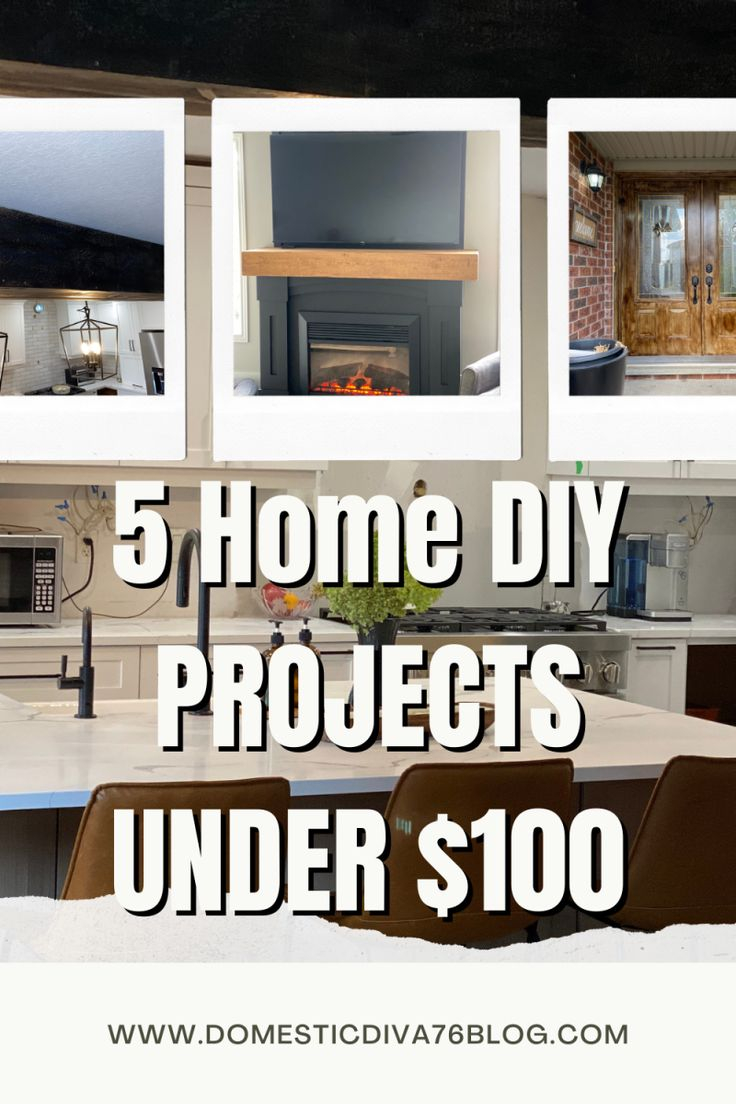
There is a distinct, quiet satisfaction that comes from walking into a room, pointing to a striking piece of decor, and telling a guest, "I built that." But that satisfaction often comes with a secret asterisk. For years, the internet-driven craft culture has lied to us. You click on a charming tutorial for a rustic wooden coffee table or a hand-woven macrame wall hanging, only to realize by step three that you need a $400 table saw, specialized imported linen, and rare hardware components that require a master’s degree in structural engineering to assemble. By the time you check out at the craft superstore, your "budget weekend project" has quietly ballooned into a $70 financial misadventure.
That frustration is precisely why the sub-$10 handmade movement has quietly exploded across workshops, apartments, and suburban garages. We are living through an economic and cultural re-evaluation of how we spend our leisure time and our hard-earned dollars. People are hungry for tangible accomplishments that do not require emptying a wallet. The secret to cracking the sub-$10 threshold is not compromising on aesthetics or settling for flimsy paper crafts; it is about ruthless resourcefulness, creative material repurposing, and knowing where to source raw supplies without paying the retail craft-store markup.
The 24 projects covered in this definitive guide prove that low cost does not mean low quality. Whether you are looking to refresh a tired living space with minimalist farmhouse accents, organize your chaotic junk drawers with custom-labeled storage, or hand-craft deeply personal gifts for friends and neighbors, every single concept here can be executed right now for pocket change. Armed with dollar-store finds, leftover hardware store offcuts, thrifted glassware, and a healthy dose of imagination, you can entirely transform your immediate environment before the sun goes down today.
The Anatomy of Budget Crafting and Material Sourcing Strategies
Mastering the art of sub-$10 creation begins long before you pick up a paintbrush or a glue gun. It starts with how you view raw materials. Most people walk down the aisles of a traditional retail hobby shop and pay a three-hundred-percent markup for items packaged in neat plastic bags with cute marketing labels. Experienced makers operate differently. They look past the branding and identify raw utility. A floor tile at a home improvement store becomes a minimalist desk tray; a humble glass mason jar becomes an artisanal bathroom dispenser with the addition of a $2 metal pump; a bundle of untreated pine furring strips transforms into chic wall art.
Understanding material costs requires a shift toward fractional budgeting. When a project calls for a tablespoon of acrylic paint or a few inches of jute twine, you are not buying a new supply inventory; you are utilizing fractional percentages of bulk items. This is why building a basic kit of foundational craft supplies—such as multi-purpose wood glue, a hot glue gun, standard sandpaper grits (80, 120, and 220), and a neutral palette of chalk paints—pays for itself within the first three projects. Once your foundational toolkit is established, individual project costs plummet drastically.
Furthermore, shopping smart means learning the rhythm of discount retail. Dollar stores have evolved far beyond flimsy plastic toys; they are now goldmines for clear glass vases, ceramic planters, wire baskets, and cotton dish towels begging to be stenciled or dyed. Thrift stores and garage sales offer an endless supply of wooden cutting boards, brass candlesticks, and picture frames that can be modernized with a simple coat of matte black spray paint. By shifting your sourcing strategy away from convenience and toward ingenuity, you unlock an entire universe of high-end design on a pocket-change budget.
24 Incredible Sub-$10 DIY Projects You Can Start Right Now
To bring your creative vision to life without breaking the bank, this curated compendium of 24 projects spans home decor, organization, personal accessories, and gifting. Each concept utilizes readily available materials and can be completed in a single afternoon.
- Project 1 (Chalk-Painted Terracotta Planters): Transform standard, ultra-cheap orange terracotta pots ($1.50 each) into high-end ceramic lookalikes by applying two coats of homemade chalk paint (flat latex paint mixed with non-sanded grout) and distressing the rims lightly with 120-grit sandpaper.
- Project 2 (Industrial Pipe Bookends): Assemble rustic bookends using black iron floor flanges and short nipples from the plumbing aisle, screwed down to a stained scrap piece of 2×6 construction lumber for an industrial chic aesthetic totaling roughly $8.50.
- Project 3 (Minimalist Rope Basket): Take a plastic dollar-store storage bin and wrap it tightly from bottom to top with natural sisal rope, securing each rotation with hot glue to create a high-end textured storage basket for under $6.
- Project 4 (Pressed Botanical Glass Frames): Collect backyard ferns or wildflowers, press them between heavy book pages for a week, and mount them inside two panes of inexpensive floating glass picture frames for a botanical display costing under $9.
- Project 5 (Faux Concrete Tray): Mix standard interior wall joint compound with a splash of gray acrylic paint and apply a thick, textured layer over an old wooden serving tray or cardboard box lid to mimic the industrial weight of raw concrete for less than $4.
- Project 6 (Upcycled Amber Glass Soap Dispensers): Salvage empty commercial glass kombucha or sparkling water bottles, wash them thoroughly, and top them with a stainless-steel or matte-black soap pump adapter purchased online in a multi-pack, bringing unit costs to around $3.25.
- Project 7 (Custom Stenciled Tea Towels): Buy a pack of plain, 100% white cotton flour sack kitchen towels ($5 for a four-pack) and use a homemade cardboard stencil and fabric paint to stamp geometric or botanical patterns onto the fabric.
- Project 8 (Floating Leather Shelf): Suspend a narrow, stained pine board from the wall using two loops of thick leather utility straps secured with brass screws, creating a sleek boho wall ledge for under $7 total.
- Project 9 (Geometric Wood Wall Art): Use leftover lathe strips or paint stirrers from the hardware store (often free or pennies) arranged in an abstract geometric chevron pattern on a piece of cardboard backing, stained in varying wood tones.
- Project 10 (Scented Soy Wax Mason Jar Candles): Melt down bulk soy wax flakes in a double boiler, add a few drops of essential lavender oil and a cotton wick, and pour the mixture into a clean jelly jar for an artisanal candle costing under $4 to produce.
- Project 11 (Hand-Dipped Ceramic Dipped Mugs): Buy plain white porcelain mugs from a thrift store or dollar store for $1 each and dip the bottom halves into vibrant ceramic enamel paint, curing them in your home oven for a custom designer look.
- Project 12 (Macrame Plant Hanger): Purchase a single spool of 4mm cotton macrame cord for $6 and follow a basic square-knot tutorial to craft a stunning hanging planter that elevates your indoor green space.
- Project 13 (Gold-Gilded Ring Dishes): Sculpt small catch-all dishes using oven-bake polymer clay, paint the rims with liquid gold leaf leafing pen, and bake according to package directions for an elegant jewelry dish costing roughly $3.
- Project 14 (Rustic Wood Photo Clipboards): Cut scrap plywood into 5×7 rectangles, apply a dark walnut wood stain, and attach a small bulldog clip to the top with wood glue or a tiny screw to create interchangeable tabletop photo displays for under $2.
- Project 15 (Painted Accent Doormat): Buy a plain coir utility doormat for $7 and use a stencil and outdoor acrylic paint to stamp a welcoming message or geometric Moroccan tile pattern across the fiber surface.
- Project 16 (Concrete Votive Candle Holders): Pour quick-setting concrete mix into small empty yogurt cups or plastic molds, pressing a smaller cup into the center to create cavities for tealights, resulting in brutalist candleholders costing less than $5 for a set of three.
- Project 17 (Fabric-Wrapped Storage Boxes): Revamp ugly cardboard shipping boxes by wrapping them cleanly in inexpensive cotton fabric remnants or burlap using Mod Podge, creating custom closet organizers for pennies.
- Project 18 (Twine-Wrapped Pendant Light Shade): Wrap a cheap wire wastebasket or balloon in twine coated generously with white school glue or wallpaper adhesive, letting it dry completely before popping the base to reveal a modern woven light fixture shade for $5.
- Project 19 (Pressed Flower Phone Case): Arrange delicate dried petals inside a clear silicone phone case backing and seal them safely under a thin, glossy layer of clear UV resin cured with a small handheld light for an $8 custom accessory.
- Project 20 (Ombre Yarn Wall Hanging): Tie various lengths of colored yarn onto a fallen tree branch gathered from your yard, trimming the bottom edge into a sharp V-shape and dipping individual sections into fabric dye for a soft ombre effect totaling $6.
- Project 21 (Custom Leather Cord Organizers): Cut scrap pieces of genuine leather into small strips with snap fasteners attached, creating chic cord wrappers to keep your earbud and phone charger cables tangle-free for under $4.
- Project 22 (Painted Ceramic Tile Coasters): Buy plain 4×4 unglazed ceramic tiles at a home improvement store for 20 cents each, paint them with abstract terracotta and sage brushstrokes, and stick cork squares to the bottom for a set of four coasters costing under $3.
- Project 23 (Beaded Wooden Garland): String unfinished wooden craft beads onto thick jute twine, paint alternate beads with matte white chalk paint, and finish the ends with handmade cotton tassels for a farmhouse drapery garland costing $5.
- Project 24 (Botanical Cyanotype Prints): Coat heavy watercolor paper with a cheap cyanotype chemical solution in a dim room, place leaves on top, expose them to sunlight, and rinse in water to create striking indigo-blue botanical art prints for under $8.
Step-by-Step Practical Implementation Guide
Executing a sub-$10 DIY project with professional-grade results requires discipline, patience, and adherence to proven workshop methodologies. Whether you are mixing concrete or cutting wood, following a structured workflow prevents costly mistakes and wasted materials.
- Step 1 (Material Audit and Sourcing): Inventory what you already own in your garage, junk drawer, or craft bin before spending a single cent. Visit local dollar stores, thrift shops, or hardware clearance bins for missing foundational components, ensuring your total spend remains strictly under $10.
- Step 2 (Surface Preparation and Workspace Setup): Clear a dedicated work area, protect your surfaces with drop cloths or old newspaper, and prep your raw materials by cleaning glass, sanding rough wood edges, or wiping down metal components to ensure proper paint and adhesive adhesion.
- Step 3 (Precision Measuring and Cutting): Measure twice and cut once using a straightedge, utility knife, or hand saw. For wood or fabric projects, accurate alignment at this stage determines whether your final piece looks professionally crafted or hastily assembled.
- Step 4 (Assembly and Structural Bonding): Apply glues, nails, or hardware fasteners according to project specifications. Allow adequate clamp time for wood glues and structural adhesives to cure fully before moving on to finishing touches.
- Step 5 (Finishing, Sealing, and Curing): Apply protective topcoats, matte sealants, or paint layers. Allow your finished creation to cure completely in a well-ventilated area before displaying or gifting it, ensuring long-term durability.
Common Pitfalls and Field-Tested Workarounds
Even the most straightforward craft projects can go sideways if you fall into common beginner traps. Understanding these pitfalls before you start saves time, money, and frustration.
- Pitfall 1 (Skimping on Surface Prep): Painting directly over greasy glass or dusty wood leads to peeling paint and messy finishes. Workaround: Always wipe down smooth surfaces with rubbing alcohol or dish soap and lightly scuff glossy or non-porous materials with fine sandpaper before applying paint.
- Pitfall 2 (Rushing the Glue Curing Process): Touching or moving hot-glued or wood-glued assemblies before the adhesive has fully cooled or bonded causes joints to slip out of alignment. Workaround: Use painter’s tape or spring clamps to hold pieces firmly in place and respect the manufacturer’s recommended drying times.
- Pitfall 3 (Ignoring Material Tolerances): Forcing heavy hardware onto weak cardboard or thin plastic causes structural collapse. Workaround: Match your fastening method to the weight of the material; use drywall anchors or wood screws for load-bearing items and reserve hot glue exclusively for lightweight decorative accents.
- Pitfall 4 (Buying Brand-New Retail Supplies): Purchasing full-price retail bottles of paint, brushes, or hardware when you only need a fraction of the quantity blows your budget instantly. Workaround: Shop dollar stores, clearance racks, or borrow leftover supplies from friends and neighbors to keep material costs fractional.
- Pitfall 5 (Neglecting Safety Equipment): Working with power tools, utility blades, spray paint, or concrete mixes without basic protection leads to injuries or respiratory irritation. Workaround: Always wear safety glasses, work in well-ventilated outdoor spaces when using chemical sprays or sealants, and use cut-resistant gloves when handling sharp glass or metal.
Holistic Perspectives and Long-Term Impact
Engaging in budget-friendly DIY projects is about much more than saving a few dollars on home decor or holiday gifts; it represents a fundamental shift in how we interact with the material world. In an era dominated by mass production, fast retail, and disposable goods, making things with your own hands restores a sense of agency and personal connection to your living space. When every object in a room tells a story of personal effort, resourcefulness, and intentional design, your home transforms from a generic showroom into a deeply personal sanctuary.
Furthermore, the environmental implications of upcycling and low-cost crafting cannot be overstated. By diverting glass bottles, cardboard shipping boxes, fabric scraps, and wooden offcuts from the municipal waste stream and turning them into functional art, you actively participate in a circular economy. You reduce the demand for carbon-heavy manufacturing and global shipping logistics, proving that sustainable living does not require expensive eco-friendly specialty products. It simply requires a shift in perspective—seeing potential where others see trash.
Economically, mastering sub-$10 crafting builds financial resilience and creative confidence. The skills you learn while building a $5 concrete planter or a $3 rope basket—measuring accurately, working with adhesives, understanding color theory, and problem-solving structural challenges—transfer directly to larger, more complex home improvement tasks. You transition from a passive consumer who relies on retail stores for every domestic need into an empowered maker who looks at a broken or drab item and thinks, "I can fix that, and I can make it better."
Actionable Recommendations and Key Takeaways
To ensure your transition into budget DIY crafting is successful and sustainable, following a structured framework of best practices will maximize your results while keeping expenditures minimal.
- Build a Dedicated Craft Fund: Keep a small cash jar or designated digital envelope for your hobby, funding it with small amounts or savings from upcycling projects to ensure your crafting remains strictly self-sustaining.
- Embrace Batch Crafting: When making gifts or seasonal decor, buy supplies in bulk quantities (such as packs of canvas blanks, twine spools, or candle wicks) to drive down the per-unit cost of each individual project well below the $10 ceiling.
- Maintain an Organized Scrap Bin: Never throw away leftover wood strips, fabric remnants, glass jars, or hardware fasteners. Keep a designated storage tote for offcuts, as these free materials will form the foundation of your next impromptu weekend build.
- Invest in Versatile Tools First: Spend your limited initial budget on high-utility tools that serve multiple projects—such as a reliable hot glue gun, a sharp utility knife, a set of fine paintbrushes, and a cordless drill—rather than single-use specialty gadgets.
The beauty of the sub-$10 DIY movement is that it levels the playing field of design. You do not need a trust fund, a sprawling professional workshop, or a degree in interior architecture to create a home that feels warm, intentional, and uniquely yours. All you need is curiosity, a willingness to make mistakes, and the audacity to look at a pile of discarded cardboard and $2 thrift store finds and see a masterpiece waiting to happen.
As you step away from this guide and into your workshop, kitchen table, or garage, remember that perfection is never the goal. The slightly uneven brushstroke, the rustic knot in the wood, and the fingerprints pressed into the clay are what separate handmade treasures from sterile factory lines. Embrace the process, keep your receipts under ten dollars, and enjoy the profound quiet joy of building your world with your own two hands.