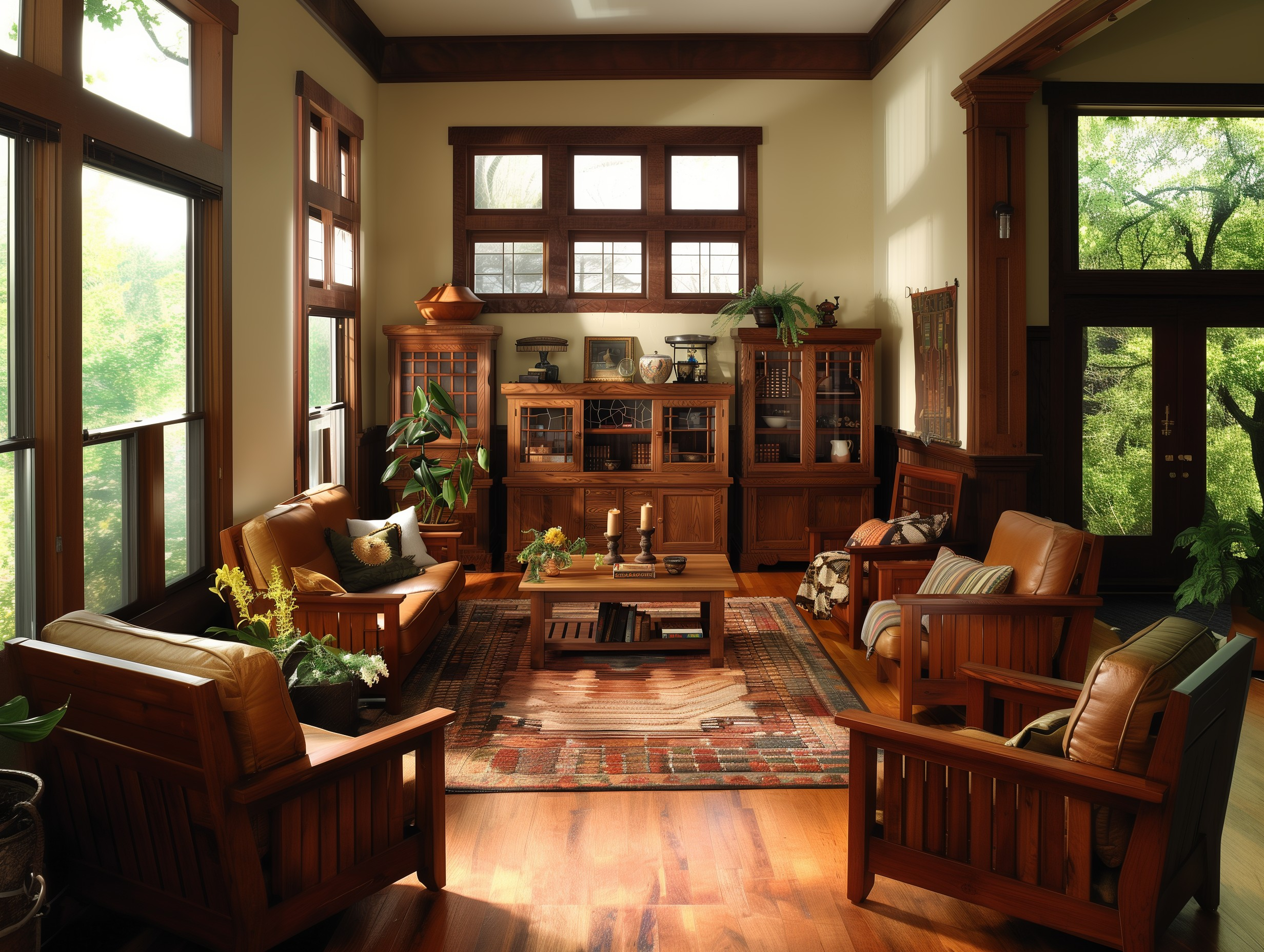
Ever looked out the window at a patch of green grass during a grueling workday and felt an instant wave of relief. You are definitely not alone. For decades, we have trapped ourselves in sterile, grey cubicles, wondering why we feel drained by noon. But things are shifting quickly. By this year, 2026, companies are finally waking up to a simple truth: humans belong in nature, and bringing that nature inside changes everything about how we work.
It is called biophilic design, a fancy term for a pretty basic concept—incorporating natural elements into our built environments. But we are moving past just putting a lonely potted fern in the corner of the room. Today, it is all about the actual furniture we sit at and use every single day. We are talking desks with living moss built right into the center, privacy panels made of woven hemp, and chairs that mimic the organic curves of tree roots.
Why Our Brains Crave a Little Green
Our bodies are hardwired to respond to the natural world. When we spend nine hours staring at sharp angles and synthetic plastics, our brains stay in a low-key state of alertness. Research shows that just looking at natural wood grains or living plants can drop our heart rates and lower cortisol levels. It is like a biological reset button.
When you swap out a cold metal desk for one made from sustainably harvested timber with a raw edge, your workspace changes instantly. People report feeling less trapped. It turns out that tactile contact with real, earthy textures tricks our minds into feeling like we are exploring the outdoors, even if we are just filing spreadsheets.
The Surprising Data Behind the Plant Power
This isn’t just hippie science or a passing aesthetic trend. The numbers backing this up are wild. Recent workplace studies from early 2026 show that offices incorporating natural light, plants, and organic furniture see a massive 15% jump in overall output. Think about that for a second. That is like gaining an extra day of work every single week just by changing the scenery.
On top of that, absenteeism drops significantly. When employees actually enjoy the physical space they occupy, they don’t get sick as often and they don’t burn out nearly as fast. The return on investment for companies buying these natural setups is becoming impossible to ignore.
Desks that Breathe and Chairs that Grow
So, what does this stuff actually look like. We are seeing some incredible innovations hitting the market right now. One popular trend is the living workstation. These are desks featuring recessed channels where real, low-maintenance mosses or succulents grow right alongside your keyboard.
Other designers are focusing on recycled and regenerative elements. Mushroom mycelium is being grown into sturdy, lightweight acoustic panels that block out noisy office chatter far better than old synthetic foam ever did. And because these materials are porous and alive, they actually help clean the indoor air.
Shifting Focus from Stiff to Flowing
Traditional office setups are built on rigid lines and perfect symmetry. But nature doesn’t do straight lines. Biophilic furniture embraces what designers call curvilinear forms. These are soft, sweeping shapes that mimic riverbeds and rolling hills.
When you walk into a meeting room with a large, oval table made of cross-sectioned stone rather than a sharp rectangular slab, the vibe changes entirely. The flow of conversation becomes more natural. People collaborate better because the environment feels cooperative rather than competitive.
Small Ways to Naturalize Your Current Desk
You don’t need a massive corporate budget to bring this vibe to your own workspace. If your company isn’t ready to buy everyone a living moss desk just yet, you can take small steps yourself. Start by swapping out plastic organizers for wooden or bamboo trays.
Adding a small terracotta pot with a snake plant right next to your computer screen can make a noticeable difference. Even choosing a desk mat made from natural wool felt instead of synthetic rubber adds that much-needed textured feel to your daily routine.
As we navigate the middle of this decade, the line between home, nature, and the office keeps blurring. We are realizing that productivity isn’t about squeezing people into tight, optimized boxes. It is about creating spaces where human beings can actually thrive.
Biophilic furniture is a huge piece of that puzzle. By surrounded ourselves with elements that remind us of the earth, we stay calmer, think clearer, and create better things. It is time to ditch the concrete jungle for something a little more green.