Ever walk into your living room after a long day, flip the switch, and instantly feel a wave of irritation instead of relaxation. You are not alone. Your furniture might be beautiful and your paint color could be perfect, but if the lighting is off, the entire space feels flat.
Most of us do not think twice about our light bulbs until they burn out. But the truth is, light shapes how we feel, how we rest, and how we connect with others. Let’s dive into the quiet mistakes that might be draining the warmth right out of your favorite room.
The Big Overhead Trap
We have all been there. You walk into a room, hit the main wall switch, and a flood of harsh brightness fills every single corner. Relying solely on a central ceiling fixture is one of the quickest ways to kill a cozy atmosphere. It casts heavy shadows downward, making people look tired and spaces look smaller.
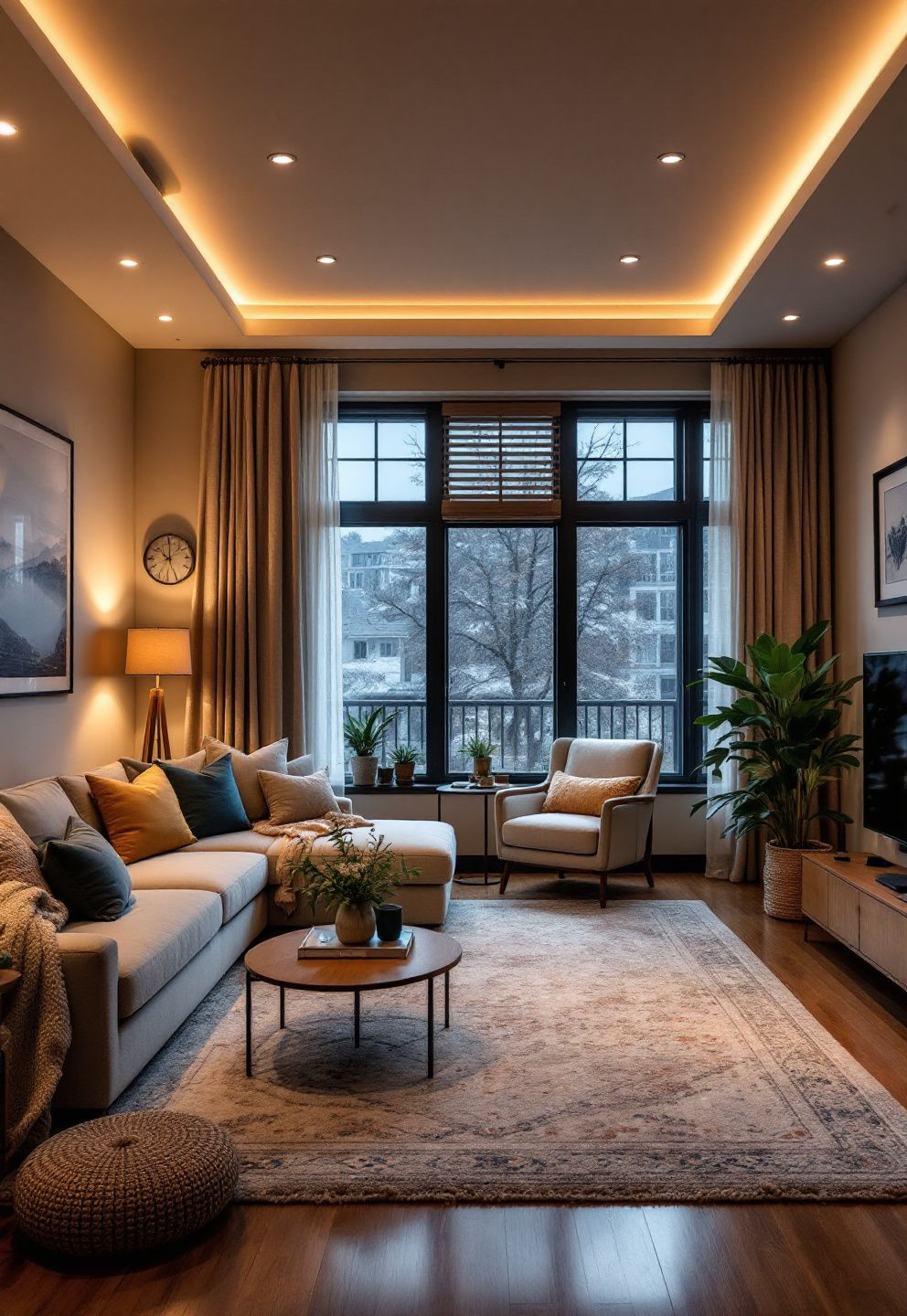
Think of it like a sports stadium versus a candlelit dinner. You want your living space to feel like the latter. Instead of blasting the room from above, try spreading smaller light sources around the perimeter to create a soft, inviting glow.
Choosing the Wrong Bulb Temperature
Have you ever bought a bulb that looked normal in the store, but turned your living room into a sterile hospital clinic. That is a color temperature issue. Light color is measured in Kelvins, and picking a number that is too high brings in cold, blue tones that prevent your brain from winding down in the evening.
For a space where you want to relax, look for bulbs labeled "warm white" which usually sit around 2700K. This mimics the gentle, amber glow of traditional incandescent bulbs and helps create a sense of true comfort after dark.
Forgetting about Layers
A common miscalculation is treating a living room like it only does one job. In reality, you watch TV there, you read books, you play games, and you host friends. If you only have one type of light, you cannot adapt to those different activities.
A great space needs three layers: ambient light for general visibility, task light for things like reading, and accent light to highlight art or cool features. Skipping these layers leaves the room feeling one-dimensional.
The Missing Dimmer Switches
Ignoring dimmers is a huge missed opportunity for your home’s atmosphere. Without them, you are stuck with two extreme options: total darkness or blinding brightness. Dimmers give you complete control over the intensity of your room throughout the day.
Installing them is a relatively simple fix that makes a massive impact. Being able to lower the lights by even twenty percent completely changes the mood and signals to your body that it is time to relax.
Placing Lamps in the Wrong Spots
Bad placement can throw off the balance of an entire room. If all your lamps are clustered on one side of the space, the other side ends up trapped in deep shadows. It makes the room feel lopsided and visually uncomfortable.
Try to spread your lamps out so they form a loose triangle across the room. Also, pay attention to the height of your tables; you do not want a lampshade sitting so high that the bare bulb shines directly into your eyes when you sit down.
Shadows on Your TV Screen
We love our screens, but watching a movie with a giant glare bouncing off the television is incredibly frustrating. Placing a bright lamp directly opposite your TV screen causes reflections that strain your eyes and ruin the viewing experience.
To solve this, try using bias lighting, which involves placing a soft light strip right behind the television screen. This reduces eye strain without casting annoying reflections across your display.
Fixing these minor issues does not require a massive budget or a full renovation. By simply swapping out a few cold bulbs, spreading your lamps around, and embracing dimmers, you can turn a cold space into a warm haven.
Take a look around your living room tonight when the sun goes down. A few small tweaks might be all it takes to finally get the peaceful, cozy atmosphere you have been looking for.