You know that feeling when you walk into a kitchen and just… sigh? Maybe the cabinets are a weird shade of orange from the nineties. Or maybe the layout makes it impossible to cook without bumping into three different people. It’s frustrating. For years, we’ve been told that fixing it requires a contractor, a massive loan, and months of living in chaos. But is that really true anymore? Not if you ask the thousands of homeowners who have rolled up their sleeves and done it themselves.
The internet is flooded with these stories now. In 2026, the trend isn’t just about saving money; it’s about pride. It’s about looking at a space that was broken and making it whole again with your own two hands. These aren’t professional designers with unlimited budgets. These are teachers, nurses, accountants, and parents who decided they’d had enough of their dingy, dated rooms. They grabbed paintbrushes, power drills, and a whole lot of patience. The results? Honestly, they’re jaw-dropping.
We’re talking about transformations that go from "barely functional" to "dreamy bright rooms" that actually handle the daily grind of family life. It’s not just about aesthetics, though looking good is a nice bonus. It’s about creating a space that fits your needs. Whether it’s opening up a closed-off wall to let light pour in or swapping out cramped counters for something usable, these DIYers proved that you don’t need special training to create something professional-looking. You just need the guts to start.
The Budget Breakthrough: Doing More with Less
Let’s talk numbers, because that’s usually the first thing that stops people. We assume a kitchen remodel costs tens of thousands of dollars. But look at Courtney Sjoberg’s story, which made waves online recently. She managed a total DIY kitchen redo for under $2,000. Two thousand dollars! In an era where a single appliance can cost that much, her achievement feels almost rebellious. She didn’t hire anyone. She did it all herself, relying on skills passed down from family members—like how to patch a hole or hang a frame properly.
This isn’t an isolated incident. Across forums and social media groups, regular people are sharing receipts that defy logic. They’re finding ways to keep costs low by focusing on high-impact, low-cost changes. Painting cabinets instead of replacing them is a classic move, but it’s effective. Swapping out hardware, like handles and knobs, can change the entire vibe of a room for less than the cost of a nice dinner out. These small tweaks add up to a massive visual shift without draining your bank account.
The key here is resourcefulness. Many of these DIYers scoured salvage yards for unique tiles or bought gently used fixtures from online marketplaces. They learned that "new" isn’t always better. Sometimes, a vintage find adds more character than something mass-produced. By mixing smart shopping with sweat equity, they created luxe-looking spaces that feel custom-made, even though the budget was tiny. It proves that style doesn’t have a price tag; it has a creativity requirement.
Small Spaces, Big Impact
You might think you need a huge kitchen to make a dramatic statement. Actually, the opposite is often true. Some of the most stunning before-and-after photos come from tiny, cramped apartments or older homes with galley-style layouts. When every square inch counts, thoughtful planning becomes a superpower. A small change in a small space feels monumental because it affects your entire daily routine.
Take the case of closed-off kitchens. In many older homes, the kitchen was tucked away, dark and isolated from the rest of the house. DIYers are knocking down non-load-bearing walls to open up the space. Suddenly, the person cooking isn’t alone; they’re part of the conversation. Light floods in from adjacent windows. The room feels twice as big, even if the square footage hasn’t changed. It’s a structural change, sure, but one that many determined homeowners have tackled with proper research and caution.
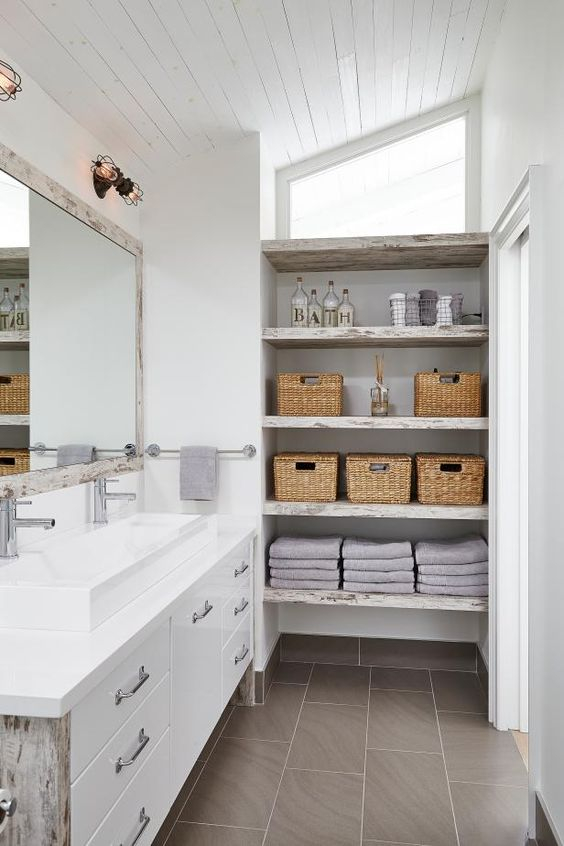
Functionality is king in these small transformations. It’s not just about making it look pretty; it’s about making it work. Adding vertical storage, using mirrors to reflect light, or choosing lighter colors for cabinets can make a tiny room feel airy and spacious. These aren’t just design tricks; they’re survival tactics for small-space living. The result is a kitchen that doesn’t just look good in photos but actually makes life easier. You can move around. You can breathe. And that’s a huge win.
The Emotional Journey of Renovation
We often focus on the physical changes—the new countertops, the shiny floors—but we ignore the emotional rollercoaster. Renovating your own kitchen is hard. Like, really hard. There are moments of doubt. There are days when nothing goes right, the tile won’t cut straight, or the paint looks wrong in the evening light. One homeowner shared on Facebook that she and her husband did their entire renovation themselves, and while the photos show a beautiful result, the comments reveal the struggle behind it.
It’s a test of relationships, too. Working closely with a partner in a dusty, stressful environment can bring out tensions. But it can also strengthen bonds. There’s a shared pride in saying, "We built this." It’s a memory etched into the drywall and the floorboards. When you sit down to eat your first meal in the new space, it tastes different. It tastes like accomplishment. That emotional connection is something you can’t buy from a contractor.
And let’s be real about the mess. Living through a remodel is chaotic. You’re eating off paper plates. You’re washing dishes in the bathtub. You’re trying to work from home while someone is sanding cabinets in the next room. It’s temporary, but it feels endless in the moment. Preparing for this phase is crucial. Setting up a temporary kitchen station, even if it’s just a microwave and a mini-fridge in the living room, can save your sanity. Knowing that the chaos has an end date keeps you going.
Style Shifts: From Dated to Dreamy
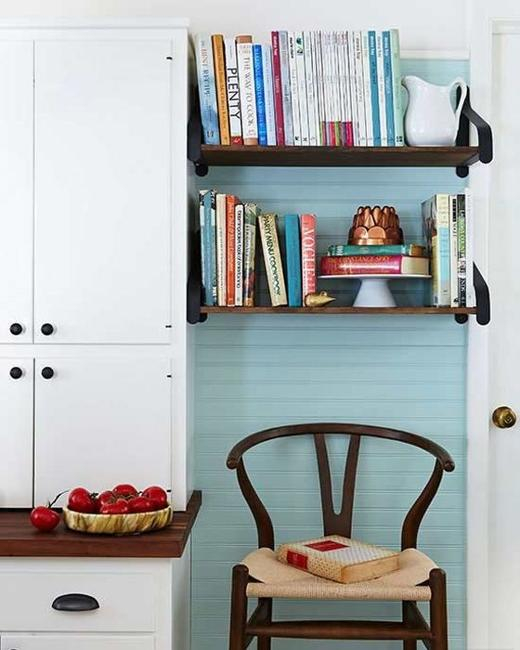
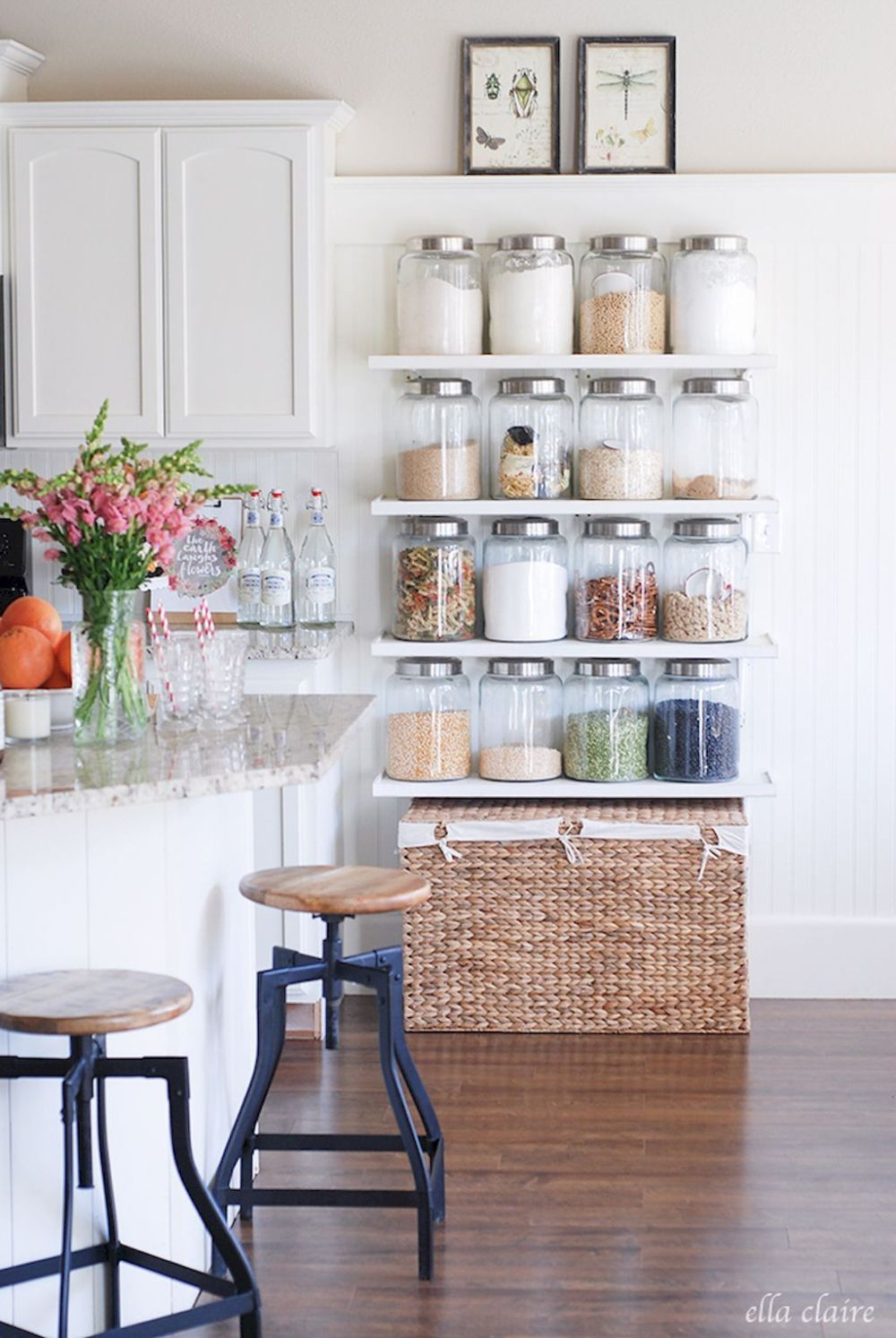
What are people actually doing to these kitchens? The trends in 2026 show a move away from the ultra-minimalist, sterile looks of the past decade. People want warmth. They want character. We’re seeing a rise in "vintage charm" mixed with modern functionality. Think open shelving filled with colorful dishes, farmhouse sinks, and backsplashes with personality. It’s about creating a space that reflects who you are, not what a magazine says you should have.
Lighting plays a huge role in these transformations. Old kitchens often had one sad ceiling fixture that cast weird shadows. DIYers are adding under-cabinet lighting, pendant lights over islands, and even smart bulbs that change color based on the time of day. This simple upgrade changes the mood entirely. A kitchen that felt dingy and dark suddenly feels inviting and bright. It’s amazing how much light matters.
Color is another big player. While white kitchens remain popular for their ability to make spaces feel larger, we’re seeing more bold choices. Deep blues, earthy greens, and even black cabinets are making appearances. These colors add depth and sophistication. Paired with natural wood tones or brass hardware, they create a look that feels both current and timeless. The key is balance. You don’t want to overwhelm the space, but you do want it to have soul.
The Power of Community and Inspiration
Why do we love looking at before-and-after photos so much? It’s not just voyeurism. It’s motivation. Seeing a real person, with a normal job and a normal budget, transform their space makes it feel possible for us too. It breaks down the barrier of "I could never do that." When you see the messy middle stages—the stripped cabinets, the exposed wires—it humanizes the process. It shows that perfection isn’t the starting point; it’s the finish line.
Online communities have become essential support systems for these DIYers. Forums and social media groups are filled with advice, troubleshooting, and encouragement. Stuck on how to install a backsplash? Someone has a video for that. Unsure about paint colors? Post a picture and get fifty opinions in an hour. This collective knowledge is powerful. It means you’re never really alone in the project. You have an army of strangers cheering you on and offering tips.
This sharing culture also holds people accountable. When you post your progress, you’re more likely to finish. You want to share that final reveal. It creates a sense of commitment. Plus, celebrating each other’s wins builds a positive community. We’re not competing; we’re inspiring. Every completed project adds to the pool of ideas, making the next person’s job a little easier. It’s a cycle of creativity and support that keeps the DIY spirit alive.
So, you’re thinking about taking the plunge. Where do you start? First, be realistic about your skills and your timeline. Don’t try to do everything at once if you’re new to this. Start with small wins, like painting or changing hardware, to build confidence. Then, tackle bigger projects as you learn. Research is your best friend. Watch tutorials, read blogs, and ask questions. Knowledge reduces fear.
Second, plan for the unexpected. Things will go wrong. You’ll order the wrong size sink. You’ll discover mold behind the wall. It happens. Build a buffer into your budget and your schedule. If you think it will take two weeks, plan for four. If you think it will cost $1,000, save $1,500. This flexibility reduces stress when things don’t go according to plan. And they rarely do.
Finally, enjoy the process. Yes, it’s hard work. But it’s also creative and rewarding. Put on some good music. Take breaks. Celebrate small milestones. And remember, it doesn’t have to be perfect. Handmade things have charm precisely because they aren’t machine-perfect. Your quirks and mistakes become part of the story of your home. So grab that paintbrush. You’ve got this.
In the end, these dramatic DIY kitchen stories aren’t just about renovations. They’re about reclaiming our spaces. They’re about refusing to settle for a home that doesn’t serve us. Whether you spend $2,000 or $20,000, whether it takes two weeks or two months, the result is the same: a kitchen that feels like yours. A place where you can recharge, share meals, and be yourself. And honestly, isn’t that worth a little sweat?