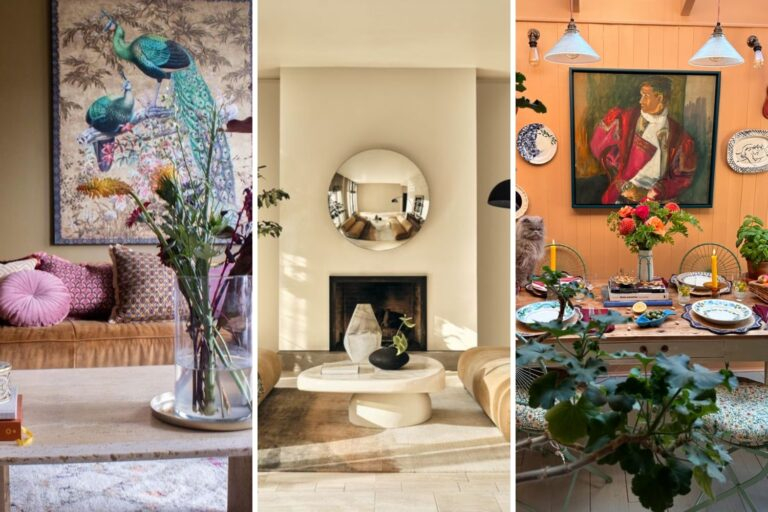
Have you ever walked into a room and instantly felt your shoulders drop? A couple of years ago, everyone was obsessed with sleek, cold minimalism. It looked great on social media, but let’s be honest—living in a sterile white box can feel a bit like living inside a refrigerator. This year, things have radically shifted. Our indoor spaces are being asked to do some pretty heavy lifting when it comes to helping us recover from digital fatigue.
Enter the era of "warm minimalism" and tactile green sanctuaries. We are no longer just looking at nature through a window or watering a sad little fern in the corner. Instead, design in 2026 is all about bringing the physical texture of the forest right onto our walls. Tactile moss art and biophilic design have officially moved from niche corporate lobbies straight into the heart of our everyday living spaces.
The Sensory Awakening of Living Architecture
For a long time, interior decoration was purely visual. You picked a color, you hung a flat frame, and you called it a day. But humans aren’t flat, and our brains crave more than just pretty sights. Biophilic design—the practice of weaving natural elements into our built environments—is tapping into our ancient, biological need to connect with the earth.
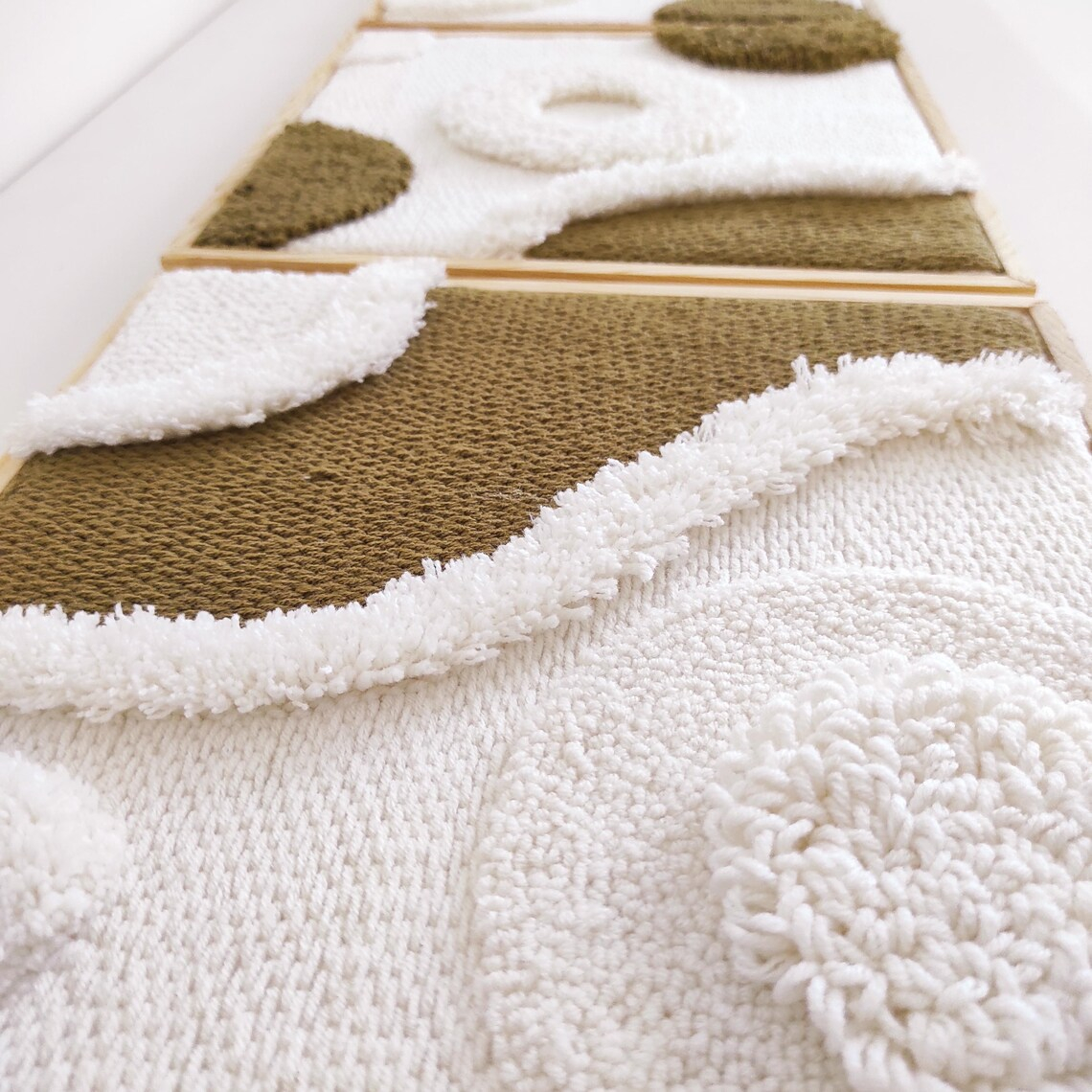
What makes preserved moss art the absolute superstar of this movement is its incredible texture. These aren’t artificial plastic replicas; they are real, texturised plants that have been preserved using eco-friendly methods like replacing their internal water with plant-based glycerin. The result? A vibrant, cushiony surface that literally begs to be touched. When you run your hand across a patch of cushion moss or sheet moss, it grounds you. It breaks the endless loop of tapping on smooth glass phone screens and brings a moment of pure, analog reality back into your day.
Why Moss is the Ultimate High-Performance Artwork
Let’s address the elephant in the room: keeping indoor plants alive can be a logistical nightmare. Between fluctuating sunlight, forgetful watering schedules, and soil bugs, vertical gardens often turn into expensive heartbreaks. This is exactly why moss panels are exploding in popularity across modern homes and workspaces this year.
The Maintenance Miracle: Preserved moss art gives you 100% of the emotional and visual benefits of a living wall with absolutely zero upkeep. No watering, no soil, no special grow lights, and no trimming.
It is essentially plug-and-play nature. Because the moss is preserved, it stays lush and green for years without consuming precious resources. For busy urbanites who crave a green escape but can barely remember to water their own grass, it’s a total game-changer. You just hang it up and let it breathe life into your room.
The Acoustic Blessing of Velvet Walls
Did you know that sound plays a massive role in how stressed you feel in your own home? Hardwood floors, high ceilings, and minimal furniture create an acoustic nightmare where every dropped spoon echoes like a thunderstorm. This is an overlooked superpower of tactile moss art: it is an incredible acoustic dampener.
Because of the natural, multi-layered structure of turf and cushion mosses, these art pieces act like organic acoustic panels. They absorb high-frequency sounds, softening the noise of chatter, clacking keyboards, and televisions. Home offices and open-concept living rooms are being completely transformed by this. By putting up a large moss installation, you aren’t just decorating—you are creating a quiet snug where your ears can finally rest from the constant buzz of modern life.
Styling the 2026 Color Palette
Design trends this year have moved far away from pale, bleached woods and high-gloss plastics. Instead, we are seeing a massive return to rich, weighted materials like smoked oak, dark walnut, and textured clay plaster. This darker, moodier aesthetic pairs beautifully with the deep greens of moss art.
Designers are calling shades like "Inky Moss" and "Smoky Jade" the new neutrals of high-end design. To truly make a moss piece pop, you don’t want to place it on a stark white drywall. Instead, hanging it against a soft limewash or a warm "greige" paint allows the piece to look like it is naturally emerging from the wall rather than just sitting on it.
Science Backs Up the Green Mood Boost
It sounds a bit poetic to say that nature heals, but the data backing this up has become completely undeniable recently. Neuropsychological studies released over the last couple of years show that even looking at natural forms and textures can cut down cortisol levels by around 20%.
- Stress Reduction: The organic asymmetry of moss relaxes the visual cortex.
- Focus Enhancement: Placing a moss panel in a home workspace has been shown to boost creative focus and relieve digital eye strain.
- Biophilic Grounding: The presence of raw wood frames and preserved greenery creates an emotional anchor that lowers your heart rate after a long day.
We are seeing these installations make huge waves in memory care facilities and wellness spaces too, proving that our brains are hardwired to thrive when green is nearby.
Practical Tips for Bringing Moss Indoors
If you are ready to jump into the biophilic lifestyle, you don’t need a total jungle overhaul to make a difference. You can start small and still get that calming, organic punch.
- Mind the Light: Unlike living plants, preserved moss actually hates direct sunlight. Keep it indoors and away from harsh rays to stop the vibrant greens from fading over time.
- Give it Room to Breathe: The "sanctuary" look relies heavily on negative space. If you get a gorgeous, custom-made moss frame, don’t clutter the area around it. Give it at least 30cm of clear space on all sides to let the visual calm expand.
- Light it Up Right: Deep green art absorbs a lot of light. To keep your moss from looking like a dark hole on the wall, use a warm directional ceiling spot or a picture light (around 3000K). This will make those rich, velvety textures glow beautifully at night.
At the end of the day, the massive surge in tactile moss art isn’t just about catching a fleeting design wave. It is a collective sigh of relief from an over-stimulated society. We are choosing to slow down and create homes that feel alive, authentic, and restorative.
By bridging the gap between structure and soul, biophilic elements allow us to create personal sanctuaries where we can truly unwind. Whether it’s a massive, floor-to-ceiling seamless monolith wall in a lobby or a small, handcrafted geometric piece above your bed, bringing the textures of the forest inside reminds us of where we come from—and helps us breathe a little easier along the way.