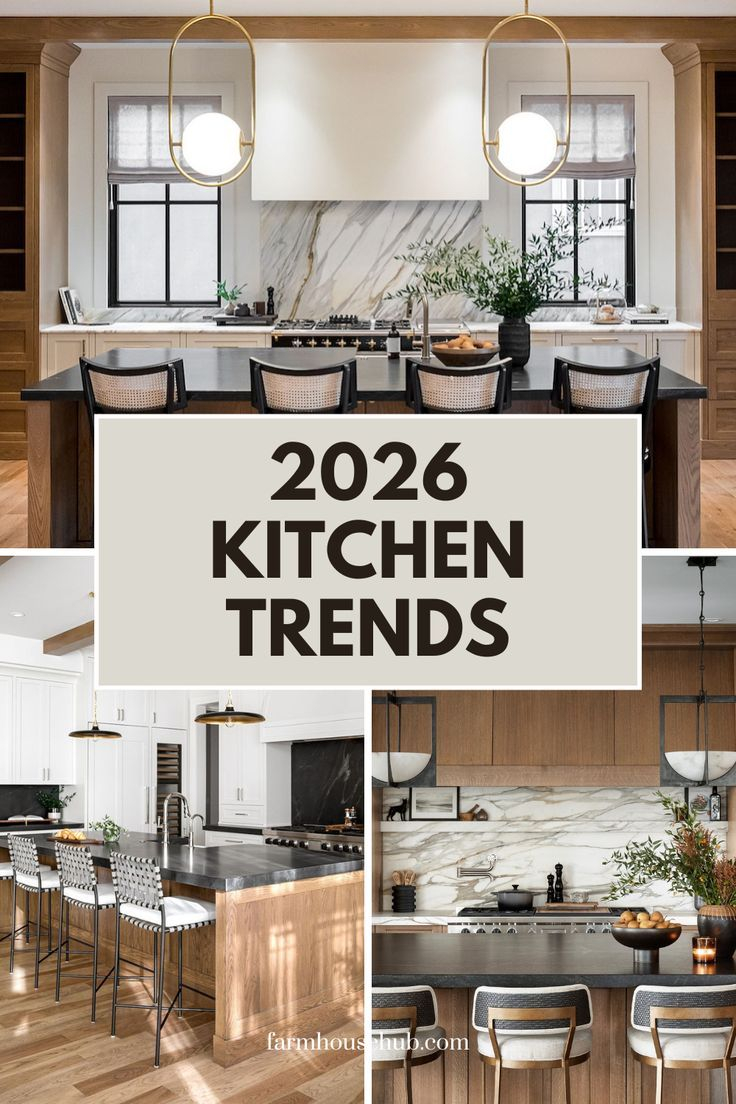
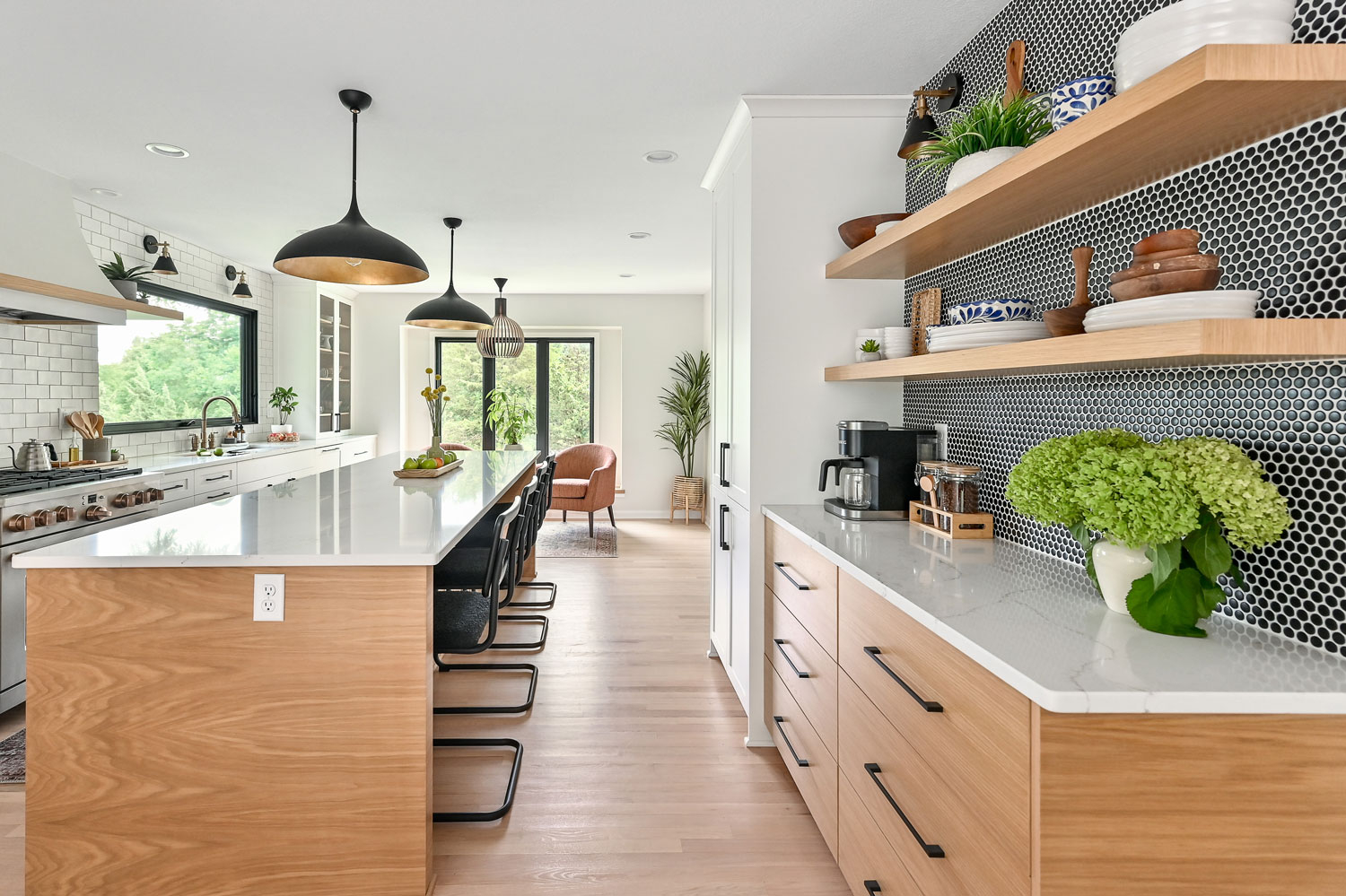
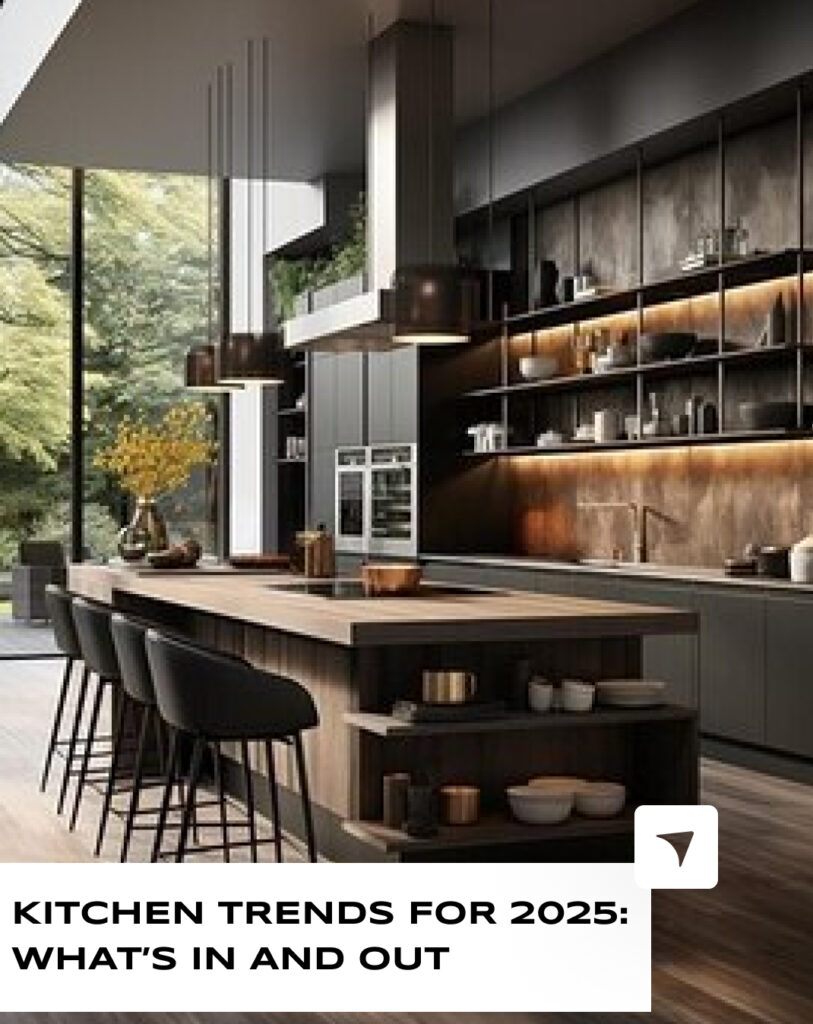
Walk into any high-end restaurant kitchen today, or even a newly remodeled home down the street, and you will notice something fascinating. The sterile, blindingly bright stainless steel boxes of the early 2000s are fading away. Instead, we are seeing heavy cast-iron ranges, rich copper finishes, and warm wood accents that look like they belong in a nineteenth-century French manor.
But don’t let the pretty face fool you. Underneath that vintage brass dial sits a microchip capable of controlling heat down to a single degree. This is the new reality of the culinary world in 2026: a beautiful marriage between old-world looks and heavy-duty, industrial-grade power. Why are we suddenly obsessed with making our high-tech tools look like heirlooms. Let’s dive into how we got here and why it matters for anyone who loves food.
The Backstory of the Shiny Kitchen
For a long time, professional kitchens prioritized one thing above all else: pure efficiency. Stainless steel became the gold standard because it was easy to bleach down and didn’t catch fire. It was practical, sure, but it also felt cold and a bit like a hospital operating room.
Eventually, this sterile look leaked into home design. Everyone wanted commercial-grade appliances, which meant our homes started looking like factory floors. But humans are emotional creatures. We eventually started missing the warmth of grandma’s kitchen, where the stove felt like the beating heart of the house rather than a cold tool.
Enter the Age of Techno-Nostalgia
So, how do manufacturers fix this. They started practicing what designers call techno-nostalgia. The goal is simple: give the chef all the horsepower of a factory machine but wrap it in a package that tells a story.
Take modern induction cooktops, for example. In 2026, you can buy a cooktop with advanced magnetic coils that boil water in sixty seconds, but the control knobs are heavy, satisfyingly clicky brass switches modeled after 1920s stoves. It gives you the tactile joy of the past without making you wait twenty minutes for your pan to heat up.
Why Builders are Choosing Rugged Materials
This trend isn’t just about sticking pretty colors on a fridge. It is about using authentic materials that age gracefully over time. Matte blacks, unlacquered brass, and hand-hammered metals are replacing the brushed steel of yesterday.
- Living Finishes: Materials like raw copper develop a patina over time, meaning your kitchen changes color based on how you use it.
- Heavyweight Cast Iron: Grates and doors are being built thick and heavy, which retains heat better and simply feels more substantial.
- Enamelled Steel: Bright, baked-on porcelain colors give a nod to mid-century design while being nearly impossible to scratch.
These materials give a sense of permanence in a world where most tech feels disposable. When you grab a heavy handle, your brain instantly registers quality.
The Secret Software Keeping it Steady
Behind those thick metal doors sits the real magic of 2026 engineering. Industrial performance means your oven cannot have hot spots, and your fridge must stay exactly at the right humidity level to keep expensive ingredients fresh.
Smart sensors now monitor airflow inside vintage-styled baking ovens. If the temperature drops because you opened the door to sneak a peek, the system instantly boosts power to compensate. You get the perfect bake on your sourdough bread while looking at a appliance that looks like it ran on coal a century ago. It is the ultimate culinary illusion.
Real Examples from Modern Dining Rooms
You can see this playing out vividly in the restaurant industry. Open kitchens are more popular than ever, meaning guests watch their food being made. Chefs want their workspaces to look beautiful, like a stage theater.
Many top eateries are installing massive, custom-built hearths that blend wood-fired cooking with precise gas assist plumbing. The guests see leaping flames and glowing embers, but the chef knows exactly how much fuel is pumping through the system to keep the steaks cooking evenly. It keeps the drama alive without sacrificing consistency.
Tips for Bringing the Look Home
If you want to bring this vibe into your own cooking space, you do not need to spend fifty thousand dollars on a custom French range. You can start small by mixing textures.
First, try replacing standard cabinet handles with heavy iron or unlacquered brass hardware. Next, instead of hiding your appliances, display a few rugged tools like a well-seasoned cast iron skillet or a heavy copper mixing bowl right on the counter. The key is balance; too much industrial power feels cold, but too much heritage styling can feel outdated.
At the end of the day, food is about connection and comfort. We want our kitchens to feel safe and inviting, but we also live busy lives and need our tools to work flawlessly when we are in a rush.
As we move forward through 2026, the gap between beauty and power will likely keep shrinking. We will continue to see smarter tech hidden inside more beautiful, timeless designs. It proves that we do not have to give up our history just to enjoy the benefits of modern progress.