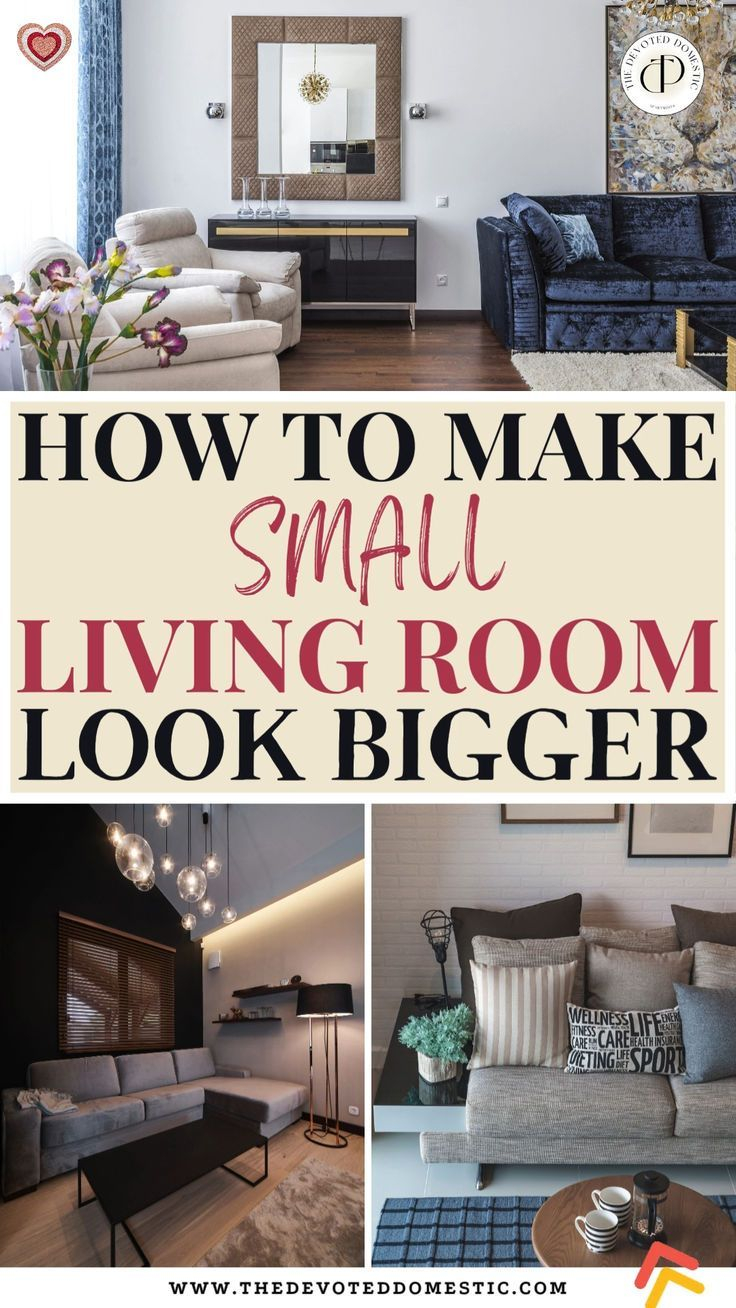
Ever walk into a tiny apartment and feel like the walls are closing in? Or maybe you’ve tried the "minimalist" look before, only to end up with a space that feels cold, sterile, and utterly uninviting. You’re not alone. In 2026, the conversation around small-space living has shifted dramatically. It’s no longer just about having less stuff. It’s about having the right stuff. The kind of stuff that breathes life into your square footage instead of suffocating it.
We’ve all seen those Instagram-perfect rooms with white walls, one chair, and zero personality. Sure, it looks clean. But can you actually live there? Can you curl up with a book? Host a friend for coffee? The answer is usually no. Real minimalism isn’t about deprivation. It’s about intention. And in 2026, with housing prices still sky-high and urban apartments shrinking, mastering this balance is more crucial than ever. This guide isn’t about stripping your life bare. It’s about curating a sanctuary that works hard so you don’t have to.
Rethinking the "Empty" Aesthetic
Let’s get one thing straight: minimalism doesn’t mean empty. That’s a myth from ten years ago that needs to die. In 2026, we’re seeing a rise in what designers call "warm minimalism" or "soft minimalism." It’s the antidote to the clinical look. Think textured fabrics, warm earth tones, and objects that have meaning. If you live in a 400-square-foot studio, you don’t need a vast expanse of blank wall. You need layers.
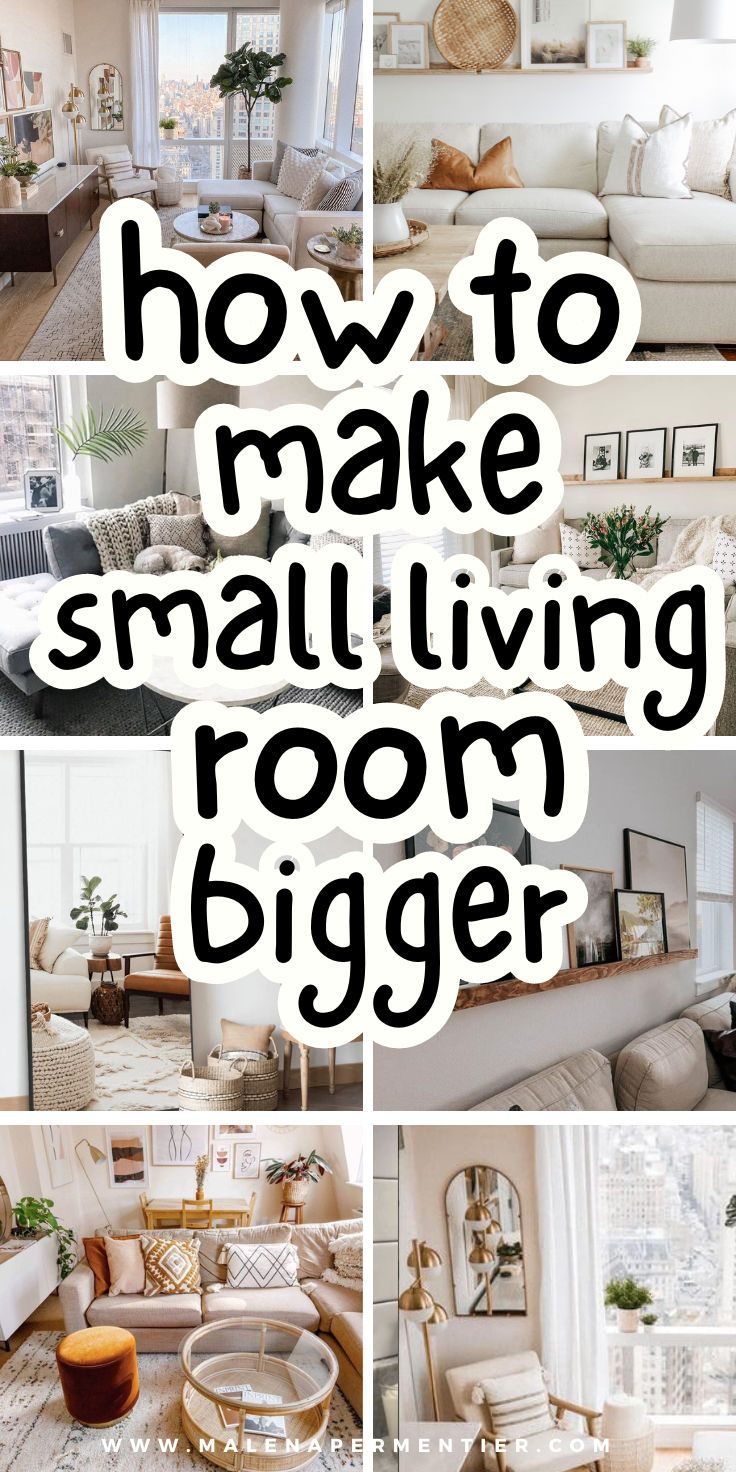
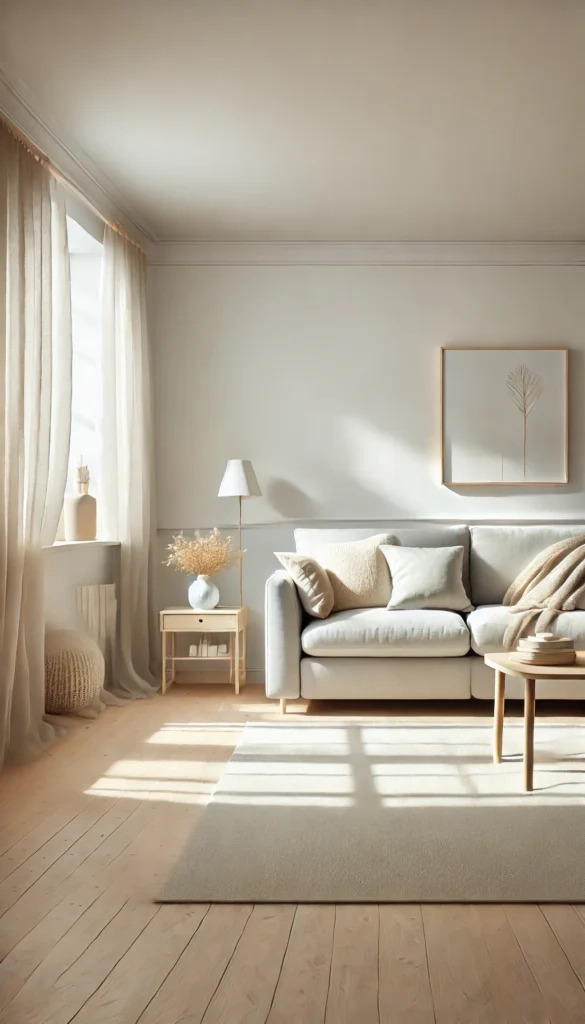
Start with your palette. Gone are the days of stark, hospital-white interiors. Current trends favor off-whites, creamy beiges, and soft greys. These colors reflect light, making the room feel bigger, but they also add warmth. Add a touch of terracotta or sage green through a single accent piece, like a ceramic vase or a throw pillow. It grounds the space. It makes it feel human. When you strip away the clutter, what remains should sing. If it’s silent and cold, you’ve gone too far.
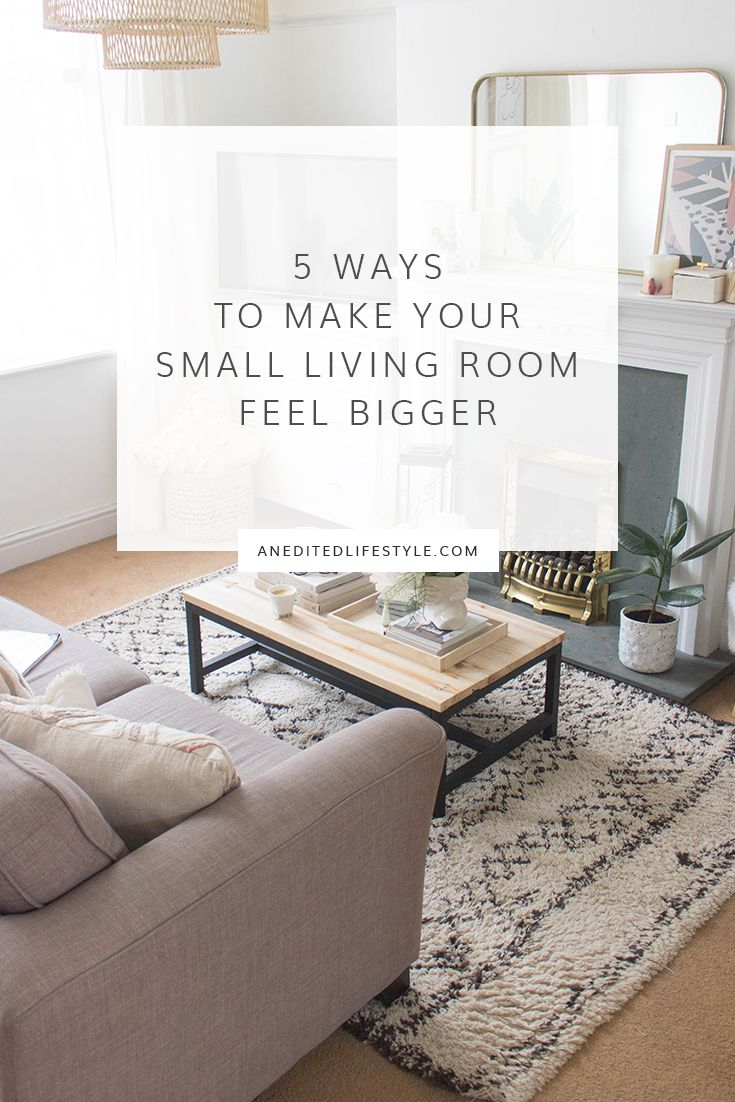
Consider the texture of your materials. A smooth leather sofa might look sleek, but a bouclé or linen blend invites touch. It adds visual weight without physical bulk. In a small room, this distinction matters. You want surfaces that catch the light differently throughout the day. A rattan side table, a wool rug, a wooden beam. These elements create depth. They trick the eye into seeing more space than there actually is. It’s not magic; it’s just good design psychology.
Furniture That Pulls Double Duty
In a small living room, every piece of furniture needs a job description. If it’s just sitting there looking pretty, it’s taking up valuable real estate. The 2026 market is flooded with modular and multi-functional pieces, but you have to choose wisely. Avoid the bulky, overstuffed sectionals of the past. Instead, look for low-profile seating with exposed legs. Seeing the floor continue underneath the sofa creates an illusion of continuity. It makes the room feel wider.
Think about verticality. Floor space is premium, but wall space is often wasted. Floating shelves are a classic trick, but in 2026, we’re seeing more integrated wall units that combine storage, display, and even workspace. Imagine a slim console table that folds down into a desk, or a coffee table with hidden compartments for remotes, magazines, and blankets. These aren’t just gimmicks. They’re essential tools for maintaining a clutter-free surface. Clutter on surfaces makes a small room feel chaotic. Hidden storage keeps the visual noise down.
Don’t forget about scale. This is where most people mess up. They buy a tiny loveseat thinking it will save space, but it often looks awkward and out of proportion. Sometimes, one larger, well-proportioned piece is better than several small ones. A single, comfortable armchair can anchor a corner better than two flimsy stools. Measure twice, buy once. And remember, you can always sit on the floor if you have a nice rug. Flexibility is key in small spaces.
The Light and Air Factor
Light is the cheapest renovation you can do. Yet, it’s often the most overlooked. In a small living room, natural light is your best friend. Keep windows bare or use sheer curtains that filter light without blocking it. Heavy drapes swallow space. They make the room feel boxed in. If you need privacy, consider top-down bottom-up shades or window films that obscure views while letting light pour in. It’s a small change with a huge impact.
Artificial lighting needs layers too. Never rely on a single overhead light. It casts harsh shadows and makes the ceiling feel lower. Instead, use a mix of floor lamps, table lamps, and wall sconces. Place lights in the corners of the room to push the boundaries outward. Warm bulbs (2700K-3000K) create a cozy atmosphere. Cool bulbs feel like an office. You want your living room to feel like a hug, not a interrogation room.
Mirrors are still a valid trick, but use them strategically. A large mirror opposite a window bounces light around the room. It doubles the view. But don’t just slap a mirror anywhere. Frame it nicely. Make it a piece of art. In 2026, we’re seeing irregularly shaped mirrors—organic, blob-like forms—that add interest without feeling too traditional. They break up the rigid lines of a small room. They add flow.
Curating, Not Collecting
This is the hardest part for most people. Letting go. But minimalism isn’t about throwing everything away. It’s about keeping only what sparks joy or serves a purpose. Marie Kondo said it years ago, but in 2026, we’re taking it a step further. We’re asking: Does this item tell my story? If you have a collection of vintage cameras, display them. Don’t hide them. But if you have five mugs from conferences you barely remember, let them go.
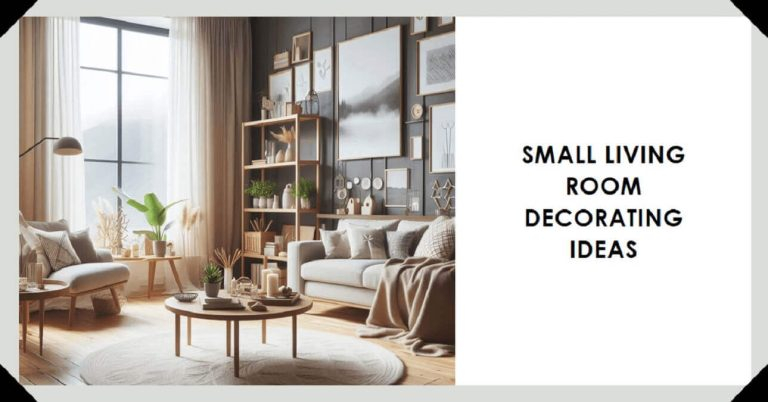
Displaying items intentionally creates focal points. Instead of cluttering every surface, pick one wall or one shelf to showcase your favorite things. Group items in threes or fives. Vary heights and textures. This creates visual interest without chaos. It gives the eye a place to rest. When everything is on display, nothing stands out. When you curate, each piece shines.
Be ruthless with paper and tech cables. These are the silent killers of small spaces. Use cable management clips. Go wireless where possible. Digitize your documents. A tangle of wires behind your TV makes the whole room feel messy, even if the rest is pristine. Take ten minutes to organize your cords. It’s the quickest win you’ll get all week.
Bringing the Outside In
Biophilic design isn’t a trend anymore; it’s a standard. In 2026, integrating nature into small spaces is non-negotiable. Plants add life, color, and improved air quality. But don’t just buy any plant. Choose ones that thrive in your specific light conditions. Snake plants and pothos are forgiving. Fiddle leaf figs are dramatic but demanding. A single large plant in a corner can act as a sculpture. It fills vertical space without blocking views.
If you don’t have a green thumb, try dried flowers or high-quality faux plants. Technology has come a long way. Some faux plants are indistinguishable from the real thing. The goal is to bring organic shapes into a room that’s likely full of straight lines and right angles. Nature is rarely perfectly straight. Embracing imperfect, organic forms softens the hardness of urban living.
Also, consider natural materials in your decor. Wood, stone, cotton, linen. These materials age beautifully. They develop a patina over time. Synthetic materials often look cheap and wear poorly. Investing in a few high-quality natural pieces is better than buying ten cheap plastic ones. They last longer. They feel better. They connect you to the earth, even when you’re thirty stories up.
Finally, remember that minimalism is a mindset, not just a design style. It’s about clearing mental clutter too. A tidy space leads to a tidy mind. When your living room is calm, you feel calmer. It’s a refuge from the noisy, fast-paced world outside. In 2026, with digital overload at an all-time high, having a physical space that demands nothing from you is precious.
Don’t strive for perfection. Life happens. Toys get left out. Laundry piles up. That’s okay. Minimalism isn’t about being rigid. It’s about having systems in place so you can reset easily. Have a basket for stray items. Have a designated spot for your keys. Small habits maintain the space. It doesn’t take hours of cleaning. It takes minutes of mindfulness.
Enjoy your space. Don’t be afraid to change it up. Move furniture around. Swap out art. Try a new rug. Your living room should evolve with you. It’s a living entity, not a museum exhibit. If something isn’t working, change it. The beauty of small-space minimalism is its flexibility. It allows you to breathe. To think. To just be.
So, where do you start? Look around your room right now. What’s the one thing that bothers you? Maybe it’s that pile of mail. Maybe it’s the dark corner. Tackle that one thing. Then move to the next. Small steps lead to big changes. You don’t need to overhaul your life overnight. You just need to start. And honestly? It feels pretty great once you do.