Ever felt like making your home a little bit kinder to the planet was some kind of secret club, only for folks with endless budgets and a team of contractors? Well, let me tell you, that’s just not the case anymore. In 2026, the world of home sustainability isn’t just for the pros; it’s bursting with brilliant, accessible ideas for every savvy do-it-yourselfer. We’re talking about real, tangible changes you can implement yourself, changes that don’t just help Mother Earth but also make your living space comfier, healthier, and often, much cheaper to run.
It’s an exciting time, isn’t it. People everywhere are realizing that our homes are more than just four walls and a roof; they’re vital parts of a larger ecosystem. And with technology evolving faster than ever, coupled with a growing collective consciousness, making greener choices has become not just a preference, but a smart move for everyone. So, if you’re ready to roll up your sleeves and dive into the future of eco-friendly living, you’ve come to the right place. We’re going to explore what’s truly happening in home sustainability this year and how you can be a part of it.
The Rise of Smart Energy Management Systems
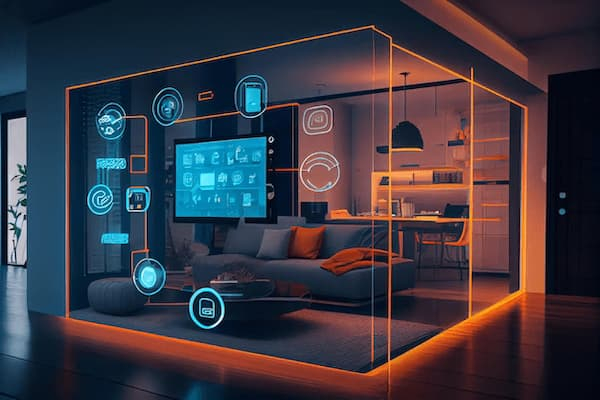
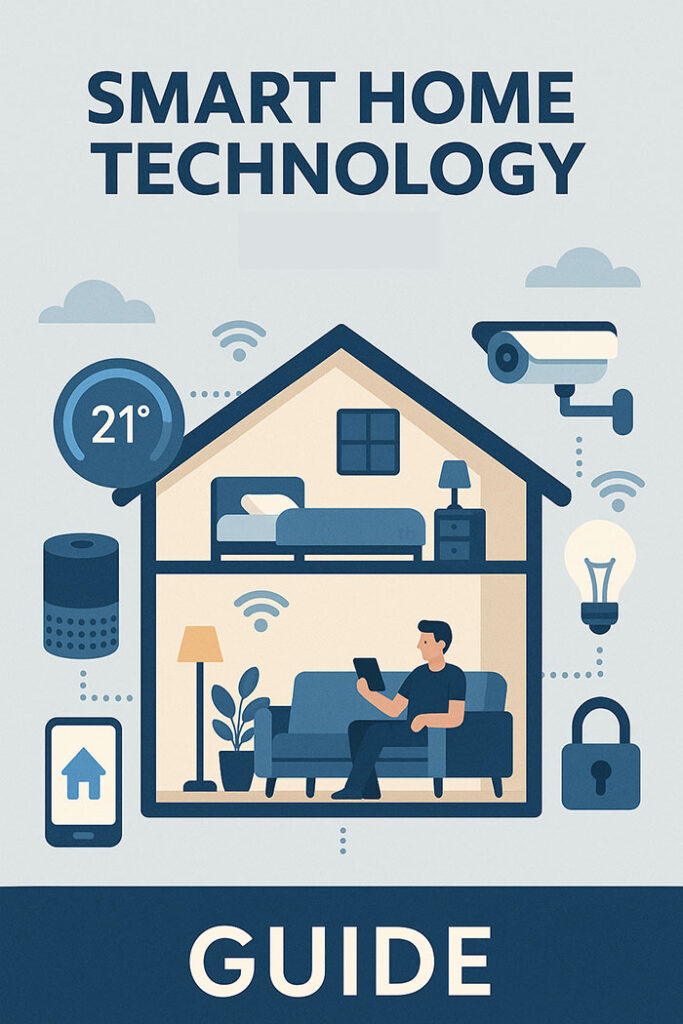
Gone are the days when "smart home" just meant being able to switch your lights on with your phone. Today, in 2026, smart energy management systems are becoming the real game-changer for eco-conscious homeowners. These aren’t just gadgets; they’re integrated brainy networks that learn your habits, predict energy needs, and optimize consumption across your entire dwelling. Think about it: a system that knows when you’re away and automatically adjusts your thermostat, or one that directs excess solar energy to charge your electric vehicle or heat your water tank.
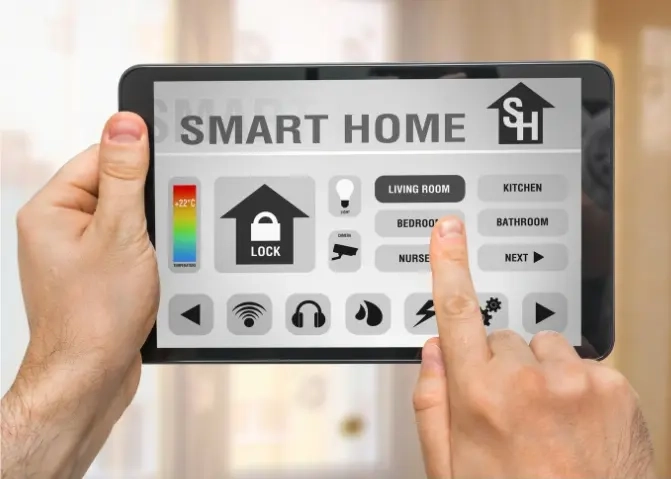
Many systems now offer granular data, letting you see exactly where your power is going. A recent survey showed that homes employing these advanced energy monitors saw an average reduction in electricity bills by nearly 18% over the past year. That’s a significant saving, and it’s all thanks to better information and automated adjustments. For the DIY enthusiast, installing these hubs and connecting compatible devices is more straightforward than ever, often involving user-friendly apps and wireless setup.
Water Conservation: Every Drop Counts, Literally
Water is a precious resource, and its sensible use at home is a massive sustainability trend for 2026. It’s not just about shorter showers anymore; we’re seeing brilliant innovations that can be easily incorporated into any household. High-efficiency fixtures, like low-flow showerheads and dual-flush toilets, have become standard, but the real buzz is around greywater recycling systems. These ingenious setups take water from your sinks and showers, filter it lightly, and redirect it for non-potable uses like watering your garden or flushing toilets.
While a full-scale greywater system might seem daunting, there are increasingly modular and simpler versions available for DIY installation. Think about a small unit that collects bathwater to irrigate your outdoor plants. Even simpler, rain barrels are seeing a huge resurgence. Collecting rainwater for outdoor use can drastically cut down on your municipal water consumption, especially during dry spells. Experts suggest that a typical household could reduce its outdoor water use by up to 50% just by incorporating a few of these methods.
Embracing Sustainable Building Materials
What your home is made of matters, and in 2026, the focus on sustainable building materials is stronger than ever. People are moving away from resource-intensive options and opting for alternatives that are recycled, renewable, or have a lower carbon footprint. Recycled denim for insulation, bamboo flooring, and reclaimed wood accents are just a few examples that are becoming widely popular and readily available for the DIYer. These choices not only help the environment but also often bring a unique aesthetic and character to your space.
Another exciting development is the rise of low-VOC (Volatile Organic Compound) paints and finishes. These products release fewer harmful chemicals into your indoor air, making your home healthier for everyone living there. When tackling a painting project or refinishing some furniture, choosing low-VOC options is a simple, impactful step. It’s about thinking beyond just the initial look and considering the entire lifecycle and health impact of the materials we bring into our homes.
The Backyard Biodiversity Boom
Our gardens and outdoor spaces are no longer just for aesthetics or recreation; they’re becoming crucial havens for local ecosystems. The "backyard biodiversity" trend for 2026 encourages homeowners to transform their yards into thriving micro-habitats. This means planting native species that support local pollinators like bees and butterflies, creating small ponds for amphibians, and even installing insect hotels. It’s about letting nature do its thing, a little bit.
This isn’t about having a wild, untamed jungle, but rather cultivating a harmonious balance. Think about reducing your lawn size and replacing it with drought-tolerant native plants. Not only does this save water and reduce the need for chemical fertilizers, but it also provides food and shelter for beneficial insects and birds. A recent study indicated that even small urban green spaces, when managed with biodiversity in mind, can boost local pollinator populations by over 30%. It’s a wonderful way to connect with nature right outside your door, and it’s surprisingly simple to start.
Energy-Efficient Lighting and Appliance Upgrades
Sometimes, the most significant changes come from the simplest swaps. In 2026, upgrading to energy-efficient lighting and appliances continues to be a cornerstone of home sustainability, and it’s perfectly suited for the DIYer. LED bulbs are practically a given now, but the latest versions offer even better light quality and longevity, consuming a fraction of the power of older incandescents or even early CFLs. Swapping out every bulb in your residence can lead to immediate and noticeable savings on your electricity bill.
Beyond lighting, consider your older appliances. While a new refrigerator or washing machine is a larger investment, the energy savings over its lifespan can be substantial. Look for the Energy Star label, which indicates top-tier efficiency. For example, a new Energy Star clothes washer uses about 25% less energy and 33% less water than a standard model. These upgrades aren’t just about being green; they’re about smart financial planning and ensuring your home operates at peak efficiency.
Waste reduction is a foundational pillar of sustainability, and 2026 sees a renewed focus on what we do with our organic discards. Composting isn’t just for serious gardeners anymore; it’s a straightforward practice that significantly diverts food scraps and yard waste from landfills. And guess what. It creates nutrient-rich soil for your plants, too. There are various types of composters available, from small kitchen counter bins for vermicomposting (using worms!) to larger outdoor tumblers, making it accessible for any living situation.
Beyond composting, a general push for mindful consumption and waste reduction is gaining traction. This means thinking about what you buy, opting for products with minimal packaging, and repairing items instead of replacing them. It’s about creating less trash in the first place. Many communities are also expanding their recycling programs, but what you do at home, like understanding what can and cannot be recycled, makes a huge difference. Every little bit of effort in this area adds up to a substantial positive impact.
So, there you have it. The world of home sustainability in 2026 is vibrant, innovative, and incredibly welcoming to the hands-on homeowner. From smart systems that learn your habits to cultivating a thriving backyard ecosystem, there are so many ways to make a genuine difference, right where you live. These aren’t just passing fads; they’re smart investments in your home’s future, your family’s well-being, and the health of our shared planet.
Remember, you don’t have to tackle everything at once. Pick one or two areas that resonate with you, do a little research, and just begin. Whether it’s swapping out some lightbulbs or starting a small compost bin, every step you take brings you closer to a more sustainable, more efficient, and more enjoyable home. It’s your home, your planet, and your power to make a real change. Happy DIYing.