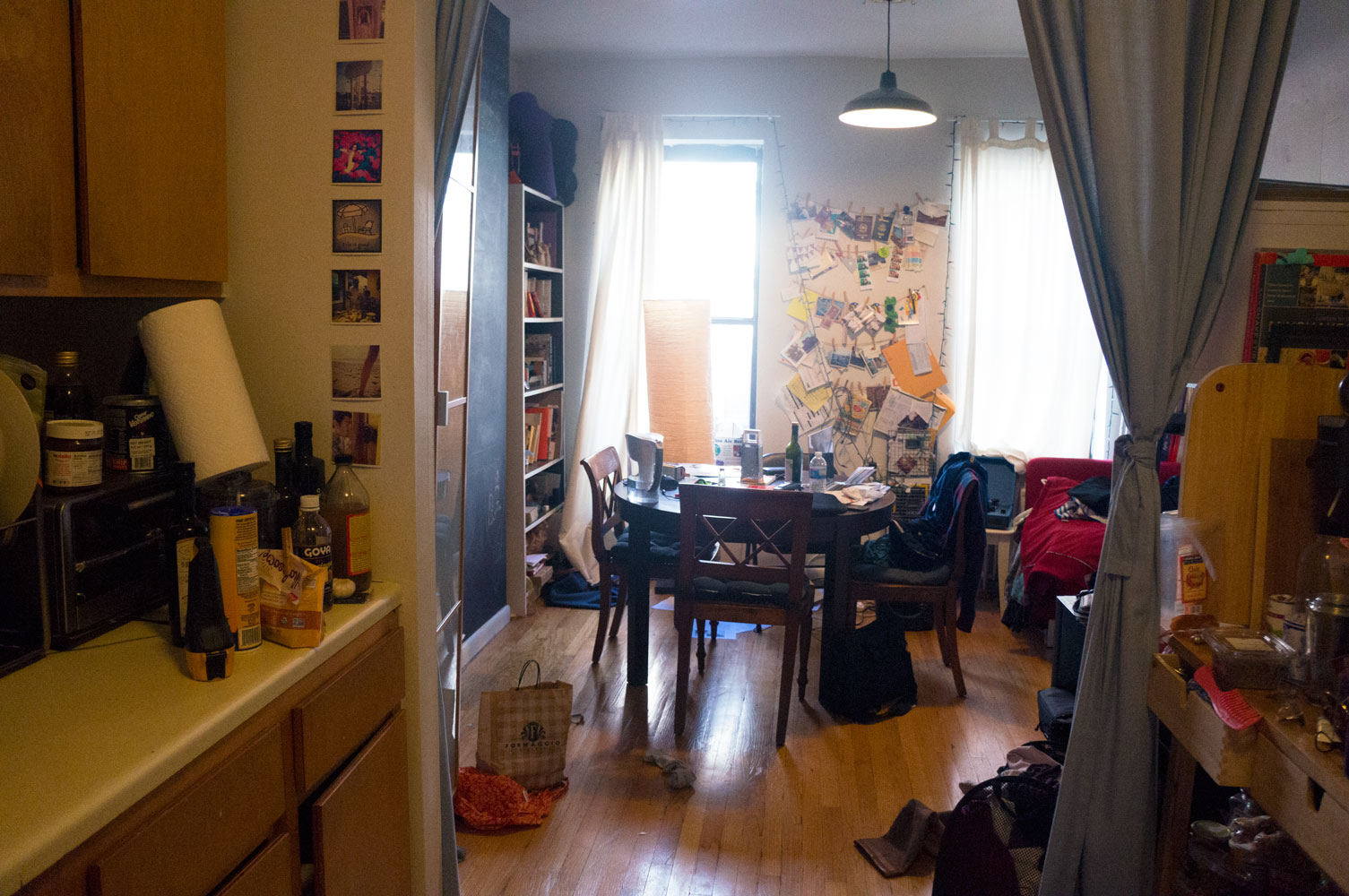
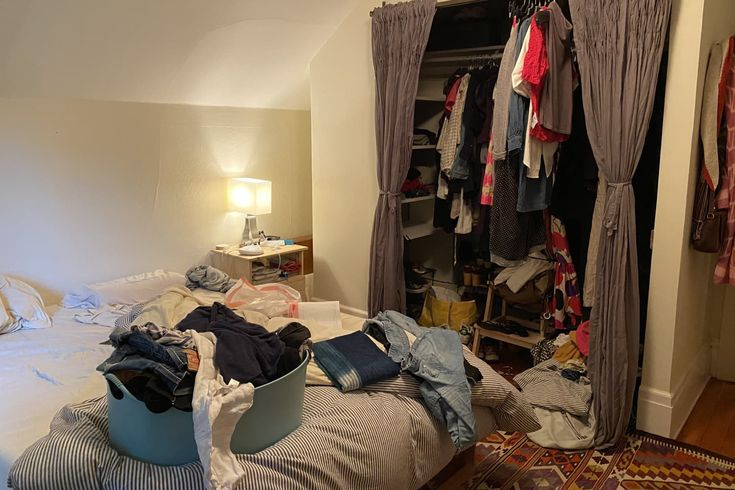
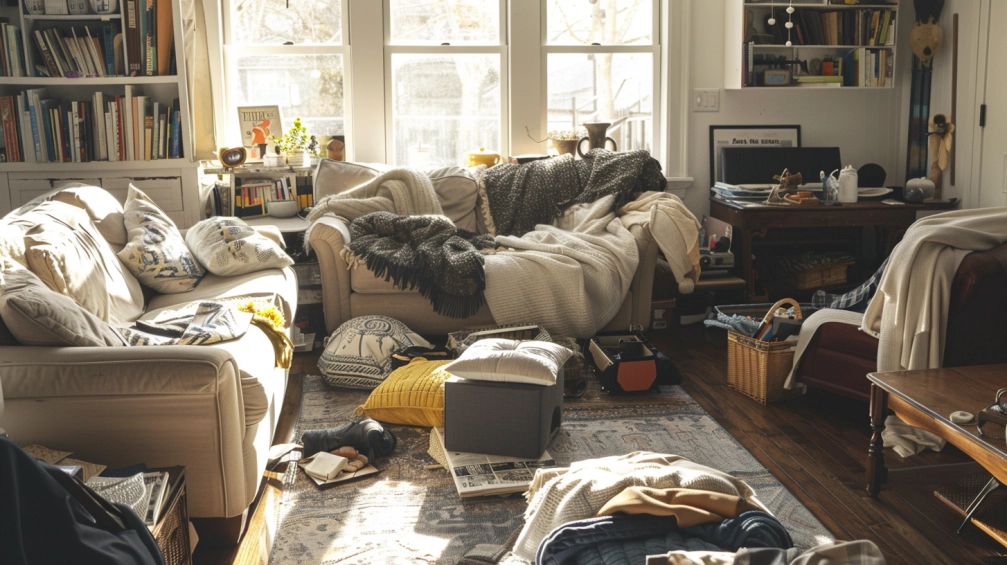
You walk into your apartment after a long day, drop your keys on the counter, and immediately feel that familiar tightness in your chest. It’s not just the rent. It’s the visual noise. The pile of mail you can’t quite hide. The chair draped with clothes because the closet is technically full but practically useless. We’ve all been there. Living in a small space shouldn’t feel like a constant battle against your own belongings. Yet, so many of us make the same few critical errors when trying to organize, mistakes that actually shrink our rooms instead of expanding them.
It’s easy to blame the square footage. But here’s the truth: most small homes aren’t failing because they’re too small. They’re failing because we’re treating them like big homes that got shrunk in the wash. We buy furniture that’s too bulky. We ignore vertical space. We clutter surfaces with "organizers" that just add more clutter. In 2026, with housing sizes still trending compact in urban centers, knowing how to work with your constraints rather than against them is the ultimate luxury. Let’s look at the surprising storage and scale errors that are sabotaging your sanctuary, and how to fix them for good.
The Trap of Buying Furniture Before Measuring Reality
One of the biggest heartbreaks in small-space living is the oversized sofa. You see it in the showroom, and it looks perfect. Plush. Inviting. But once it’s squeezed into your 12-by-14 living room, it dominates the entire view. There’s no room to walk around it. No space for a coffee table that doesn’t block the TV. This is a classic scale error. When you fill a small room with large-scale furniture, you eliminate the negative space—the empty air—that makes a room feel breathable.
Instead of starting with what you want, start with what fits. Use painter’s tape to map out furniture footprints on your floor before you buy anything. Live with those tape outlines for a few days. Walk around them. Do you bump into them? Does the room feel claustrophobic? If yes, size down. Look for pieces with exposed legs. A sofa that sits on the floor visually weighs down the room, while one raised on slender legs lets light and eye travel underneath, creating an illusion of more floor space. It’s a subtle trick, but it works wonders.
Also, consider multi-functional pieces that don’t compromise on style. An ottoman with hidden storage is great, but only if it’s proportional to your seating area. If it’s too big, it becomes a obstacle course. In 2026, designers are leaning into modular furniture that can be reconfigured. A sectional that breaks into two chairs and a chaise offers flexibility that a massive, single-piece couch never could. Scale isn’t just about size; it’s about proportion and adaptability.
Ignoring the Vertical Real Estate Above Your Head
We spend so much time looking at our floors that we forget the walls are basically free storage waiting to happen. A common mistake is keeping everything at eye level or below. Bookshelves that stop at six feet leave a huge gap of unused space above them. Kitchen cabinets that don’t reach the ceiling collect dust on top and waste precious cubic footage. In a small home, every inch counts, and the vertical dimension is often the most underutilized asset.
Go high. Install shelves that go all the way to the ceiling. Yes, you’ll need a step stool to reach the top shelves, but that’s fine. Store items you rarely use up there—holiday decorations, extra linens, archived documents. Keep daily essentials within arm’s reach. This draws the eye upward, making the ceilings feel higher and the room larger. It’s a psychological trick as much as a practical one. When your gaze travels up, the room feels less boxed in.
Don’t be afraid to use wall-mounted organizers in unexpected places. Behind doors, inside cabinet doors, even on the side of a fridge. Magnetic strips for knives or spice jars free up counter space. Pegboards in the kitchen or home office offer customizable storage that grows with your needs. The key is to keep surfaces clear. Cluttered counters make a small kitchen feel chaotic. By moving items off the horizontal planes and onto vertical ones, you create breathing room where it matters most.
The Myth of More Bins Equals More Organization
Walk into any home goods store, and you’ll see aisles dedicated to bins, baskets, and boxes. It’s tempting to think that buying more containers will solve your clutter problem. But here’s the harsh reality: bins don’t reduce clutter; they just hide it. And if you’re not careful, they can make it worse. Mismatched bins create visual noise. Opaque bins mean you forget what’s inside, leading to duplicate purchases. And too many bins can make a small space feel like a warehouse.
Before you buy a single bin, declutter. Really declutter. Get rid of things you don’t use, don’t love, or don’t need. Once you’ve pared down, then—and only then—should you introduce storage solutions. And choose wisely. Clear bins are often better than opaque ones because you can see what’s inside at a glance. Uniform bins create a calm, cohesive look. If you must use different types, try to keep them within the same color family to minimize visual chaos.
Also, avoid over-segmenting. You don’t need a separate bin for every single category of sock. Sometimes, a simple drawer divider is enough. The goal is accessibility, not perfection. If a storage system is too complicated, you won’t use it. Keep it simple. Label if necessary, but don’t let the organization system become a project in itself. Remember, the best storage is invisible. It holds your stuff without drawing attention to itself.
Underestimating the Power of Light and Reflection
Storage isn’t just about physical containers; it’s about perception. A dark, cramped room feels smaller than a bright, airy one, even if they’re the same size. Many small-home dwellers make the mistake of using heavy, dark curtains or blocking windows with tall furniture. This cuts off natural light, which is the cheapest and most effective way to make a space feel open. Light bounces. It expands. It lifts the mood.
Maximize natural light wherever possible. Use sheer curtains or blinds that can be pulled completely away from the window frame. Mirror placement is another powerful tool. A well-placed mirror opposite a window reflects light and view, effectively doubling the visual depth of the room. Don’t just stick a mirror anywhere; think about what it reflects. A mirror reflecting a blank wall does nothing. A mirror reflecting a plant or a piece of art adds life and dimension.
Artificial lighting matters too. Relying on a single overhead light creates harsh shadows and makes corners feel cave-like. Layer your lighting. Use floor lamps, table lamps, and sconces to create pools of light throughout the room. This breaks up the space and makes it feel larger and more inviting. Warm white bulbs are generally more flattering and cozy than cool white ones, which can feel clinical. Light is free real estate. Use it.
Cluttering Surfaces with "Decorative" Storage
It’s ironic, but some of the biggest storage offenders are items meant to help us organize. Decorative trays on coffee tables. Stacks of books used as risers. Baskets on open shelving filled with random knick-knacks. While these items might look nice in a magazine spread, in a small home, they contribute to visual clutter. Every object on a surface competes for attention. When everything is vying for focus, nothing stands out, and the room feels busy and stressful.
Adopt a "less is more" approach to surfaces. Keep countertops, tables, and shelves as clear as possible. If you need to store something, put it away in a drawer or cabinet. If you want to display something, choose one or two meaningful pieces rather than a collection of small items. Negative space is your friend. It allows the eye to rest. It highlights the pieces you do choose to show.
This doesn’t mean your home has to be sterile. It means being intentional. Ask yourself: Does this item serve a function? Does it bring me joy? If the answer is no, let it go. If yes, give it a proper home. Not a temporary spot on the counter, but a designated place where it belongs. When surfaces are clear, cleaning is easier, and the space feels calmer. It’s a small change with a huge impact on your daily mental load.
The final, and perhaps most surprising, error is designing storage based on how you wish you lived, rather than how you actually live. You might buy a beautiful, intricate shoe rack, but if you’re the type of person who kicks off shoes by the door, that rack will remain empty while shoes pile up on the floor. Or you might install high shelves for kitchen staples, but if you’re short or hate climbing, you’ll just leave them on the counter.
Storage has to work with your habits, not against them. Observe your routine for a week. Where do you naturally drop your keys? Put a bowl there. Where do you fold laundry? Make sure there’s a hamper nearby. Where do you charge your devices? Create a dedicated station. When storage aligns with behavior, it becomes effortless. When it fights behavior, it fails.
Be honest about your limitations. If you’re not going to fold fitted sheets perfectly, don’t buy a linen closet organizer that requires it. Use a simple basket instead. If you cook every night, prioritize accessible spice storage over decorative displays. Flexibility is key. Your needs will change. Your storage should be able to evolve with you. Don’t lock yourself into rigid systems that don’t accommodate the messy, beautiful reality of daily life.
Living small doesn’t mean living less. It means living more intentionally. By avoiding these common storage and scale errors, you can transform your compact space into a haven that feels spacious, calm, and uniquely yours. It’s not about having less stuff; it’s about making room for what matters. So take a deep breath. Look at your space with fresh eyes. And start small. One shelf, one drawer, one decision at a time. You’ve got this.