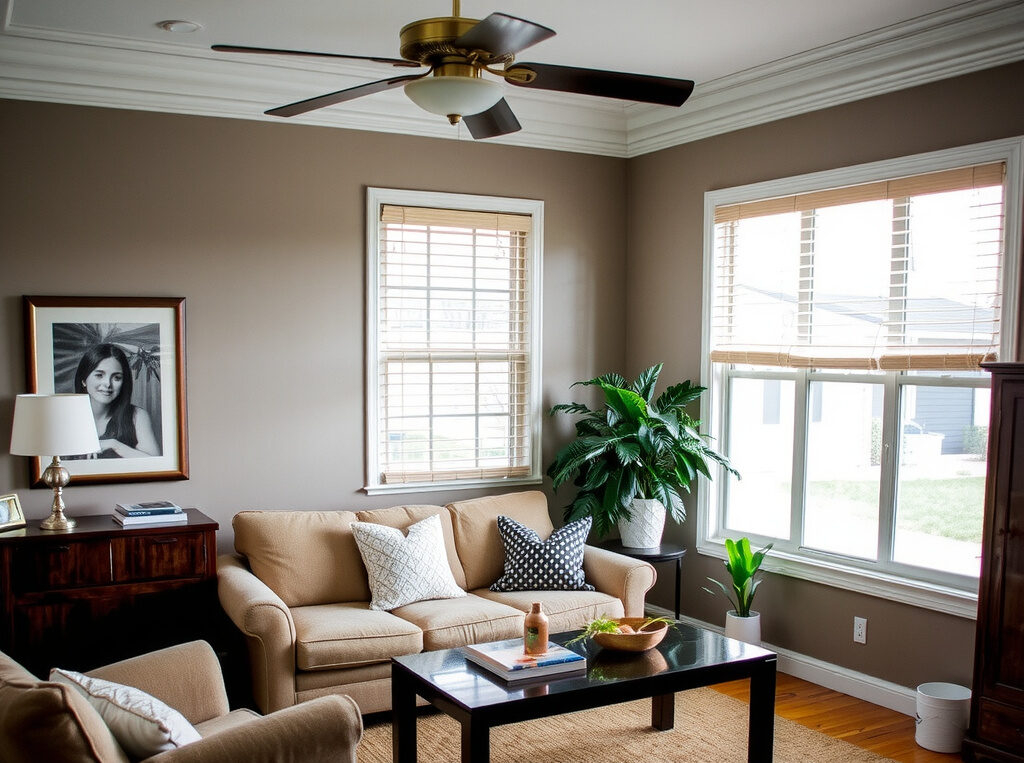
You know that feeling when you walk into a room and it just feels… off? Maybe it’s cluttered, or maybe it’s just stale. The air feels heavy. You’ve been staring at the same four walls for months, maybe years. It’s easy to think the solution is a new sofa. Or a fresh coat of paint. Or those trendy lamps you saw on social media last week. But what if I told you the fix is already sitting in your house? Probably gathering dust in a corner you ignore.
We live in a world that screams "buy more" at us every single day. Especially in 2026, where trends move faster than ever. But there is a quiet rebellion happening in homes across the globe. It’s called "shopping your home." It’s not about spending zero dollars because you’re cheap. It’s about spending zero dollars because you’re smart. You already own the tools to make your space sing. You just forgot they were there.
This isn’t magic. It’s perception. It’s about how your eye moves through a room. When you shift a chair, you change the flow. When you remove a cluttered shelf, you create breath. These are small acts, but they add up to a massive shift. Let’s talk about how to do it. No credit card required. Just a little bit of sweat equity and a fresh pair of eyes.
The Art of Seeing What You Already Own
Most of us suffer from what designers call "furniture blindness." We stop seeing the objects in our rooms because they’ve been there so long. They become invisible. A decorative bowl sits on a table, empty, for three years. You don’t even notice it anymore. But it’s taking up visual space. It’s adding noise. The first step to a zero-cost refresh is to wake up your eyes. You have to look at your home like a stranger would. Imagine walking in for the first time. What jumps out? What feels heavy?
Start by doing a hard reset. This sounds scary, but it’s liberating. Take everything off your surfaces. Every book, every candle, every knick-knack. Put them in a box or another room. Now, look at the bare shelves and tables. Do they look better? Often, yes. The negative space—the empty air—feels luxurious. It gives your eyes a place to rest. Now, be picky. Only put back the things you truly love or use weekly. If you haven’t lit that candle since 2019, let it go. Or move it to a bathroom where it might actually get used.
This process is about curation, not accumulation. Think of your home as a gallery. A gallery doesn’t hang every painting it owns on one wall. It chooses the best ones and gives them room to breathe. By removing the clutter, you aren’t losing style. You’re gaining focus. The few items you keep become stars instead of background noise. It’s a simple shift, but it changes the entire energy of the room. Suddenly, that one nice vase looks intentional, not accidental.
Rearranging Furniture to Change the Flow
Layout is the skeleton of your room. If the bones are wrong, no amount of decorating will fix it. Most people push their furniture against the walls. It’s a habit we learn early. But pushing everything to the edges often creates a dead zone in the middle. It makes the room feel like a waiting area, not a living space. Try pulling your sofa away from the wall. Even just two inches. Or float it in the center of the room to create a conversation pit. This instantly makes the space feel more intimate and designed.
Think about how you actually use the room. Do you watch TV from that angle? Or do you mostly talk to people? If you entertain often, arrange chairs so they face each other, not just the screen. Create pathways that make sense. You shouldn’t have to squeeze past a coffee table to get to the kitchen. Smooth flow makes a room feel bigger. It reduces friction in your daily life. And when movement is easy, the room feels calmer. It’s a psychological trick, but it works every time.
Don’t be afraid to swap rooms entirely. That armchair in the bedroom might look amazing in the living room corner. The rug from the hallway could anchor your dining area. This is the core of "shopping your home." Treat every room like a store. Walk through your house with a notebook. Note what feels stuck. Then, move it. Drag that heavy dresser to a different wall. See how the light hits it now. Maybe it looks better there. The beauty of this method is that it’s reversible. If you hate it, move it back. No harm done. But you might just find a new favorite spot.
Decluttering to Create Visual Breath
Clutter is visual noise. It raises your stress levels without you even realizing it. In a 280-square-foot living room, you might have 34 objects you stopped seeing months ago. These items compete for your attention. They make the space feel smaller and chaotic. Removing them doesn’t cost a penny. In fact, it saves you money because you stop buying storage solutions for things you don’t need. The goal is to clear the decks. Make surfaces clean and open.
Start with the obvious offenders. Stacks of mail. Old magazines. Cords tangled behind the TV. Get rid of them. Then, look at decorative items. Do you need five throw pillows on a two-seater sofa? Probably not. Keep two. Put the others in a closet. Rotate them later if you want a change. Less is more, but only if the "less" is high quality. One beautiful object is better than ten mediocre ones. This principle applies to art, too. Take down half your pictures. Leave some walls blank. The emptiness highlights the pieces you keep.
This isn’t about minimalism for the sake of being stark. It’s about intentionality. Every item should have a purpose or bring joy. If it does neither, it’s just occupying space. When you clear out the unused items, you create room for life. You create space for new memories. And visually, the room expands. Your eyes can travel further without hitting obstacles. This sense of openness is luxurious. It’s something money can’t buy, but it’s free if you’re willing to let go. It’s a bit disorganized at first, sure. But the end result is clarity.
Swapping Decor Between Rooms for Freshness
One person’s trash is another person’s treasure, especially when both people are you. We tend to compartmentalize our homes. The kitchen stuff stays in the kitchen. The bedroom art stays in the bedroom. Break these rules. That large mirror leaning against the wall in your closet? It might be perfect above your fireplace. The colorful throw blanket from the guest bed? It could add a pop of color to your neutral sofa. Moving items between rooms resets your brain’s association with them.
Lighting is a huge part of this. Lamps are rarely fixed in place. Swap the lamp from your bedside table to your desk. See how the light quality changes. Maybe the warm glow works better for reading in the evening than the harsh overhead light. Move floor lamps to dark corners to brighten them up. Lighting changes the mood more than almost anything else. By shifting sources of light, you change the shadows and highlights in the room. It makes the space feel dynamic and alive.
Artwork is another easy swap. Frames are universal. Take a print from the hallway and hang it in the dining room. Change the orientation. If it was horizontal, try it vertical. You’ll be surprised how different it looks. This keeps your decor feeling current without buying new prints. It also allows you to experiment with color schemes. Maybe that blue picture ties together the blues in your living room rugs. You won’t know until you try. So, grab a hammer and some nails. Or just lean the art against the wall for a casual vibe. Experimentation is key here.
Styling Surfaces With Intention and Balance
Once you’ve cleared and swapped, it’s time to style. But don’t just plop things down. Think about composition. Designers use rules like the "rule of three." Group items in odd numbers. It’s more pleasing to the eye. A stack of books, a small plant, and a candle create a vignette. Vary the heights. Tall, medium, short. This creates a rhythm that guides your eye across the surface. It looks curated, not accidental. You can achieve this with things you already own. Look for objects with different textures and shapes.
Mirrors are a secret weapon. They bounce light around and make spaces feel larger. If you have a dark corner, place a mirror there. Reflect a window if possible. This doubles the natural light. It’s a free way to brighten a room. Also, consider the scale of your decor. A tiny vase on a large table looks lost. A large bowl on a small shelf looks cramped. Match the size of the object to the space it occupies. If you don’t have the right size, move the object to a different surface where it fits better.
Greenery adds life. You don’t need to buy new plants. Propagate the ones you have. Cut a stem from your pothos and put it in water in a nice glass jar. Place it on a shelf. It looks fresh and intentional. Even a single branch from outside in a vase can look sculptural and chic. Nature brings an organic element that softens the hard lines of furniture. It connects the indoors with the outdoors. And it costs nothing. Just a bit of creativity and a walk around the yard. These small touches add layers of interest without clutter.
Light is the most underrated design element. It can make or break a room. In 2026, we spend so much time indoors that good lighting is essential for well-being. Start by cleaning your windows. It sounds basic, but dirty windows block light. Let the sun in. Remove heavy curtains if you have them. Replace them with sheer ones you already own, or just leave the windows bare if privacy allows. Natural light makes colors look truer and spaces feel airier. It’s the best filter you can get.
Reflective surfaces help too. Polish your wood furniture. Clean your glass tables. Shine your metal fixtures. These small acts increase the amount of light bouncing around the room. It creates a sparkle that feels clean and fresh. Also, consider the color of your walls. You aren’t painting them, but you can influence how they look. Hang light-colored art on dark walls to brighten them. Use mirrors to reflect light onto shadowed areas. It’s about manipulating the existing light to work for you.
Bring the outside in. Besides plants, use natural materials. A wooden bowl, a stone paperweight, a woven basket. These textures add warmth and depth. They ground the space. In a world of digital screens and plastic, natural elements feel calming. They remind us of the earth. Arrange them thoughtfully. Let the grain of the wood show. Let the texture of the weave be seen. These details invite touch. They make a room feel lived-in and cozy. And again, you likely already have these items. They’re just hiding in cupboards. Pull them out. Let them shine.
Refreshing your space doesn’t require a renovation budget. It requires a shift in perspective. By shopping your home, you rediscover the value of what you already have. You learn to see your possessions not as static objects, but as flexible tools for creating atmosphere. You declutter to create peace. You rearrange to improve flow. You swap to spark joy. These actions are free, but their impact is priceless.
In a consumer-driven world, choosing to refresh without spending is a powerful statement. It says you are content with what you have. It says you value creativity over consumption. And honestly? It’s more fun. There’s a thrill in finding a new use for an old item. It’s like solving a puzzle. The reward is a home that feels new, yet familiar. A space that reflects your current self, not your past self.
So, start today. Pick one room. Clear one surface. Move one chair. See how it feels. Notice the change in the light. Notice the change in your mood. You might find that the home you’ve been dreaming of buying is already here. You just needed to uncover it. The zero-cost refresh isn’t just about saving money. It’s about reclaiming your space. And in 2026, that’s worth everything.