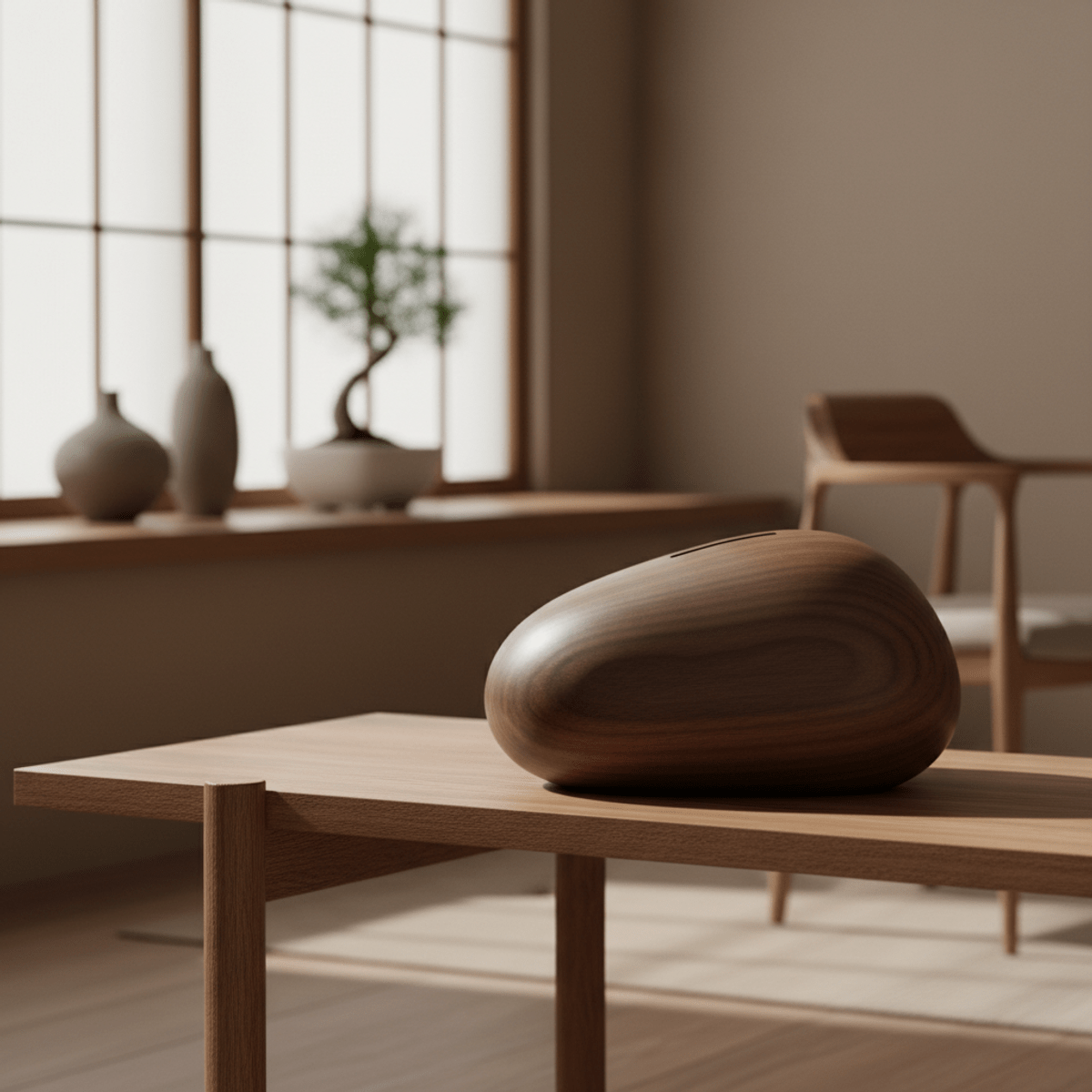
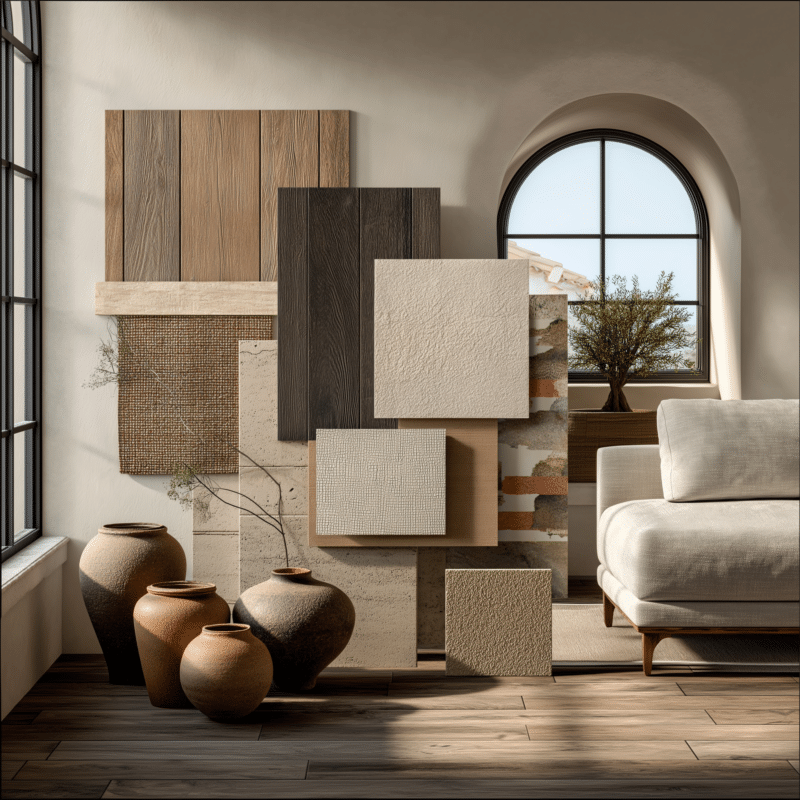
We all need a place to breathe. A spot where the noise of the world fades into a dull hum, and you can just… be. It isn’t about having a mansion or a dedicated yoga studio. Sometimes, it’s just a corner of your bedroom or a nook by the window. But have you ever noticed how certain objects make you feel instantly calmer? There is a quiet magic in things that are made by hand, things that carry the weight of earth and fire.
In 2026, the rush for "smart" everything has left many of us craving the opposite. We want slow. We want tangible. This is where pottery and warm metals step in. They aren’t just decor; they are anchors. When you combine the rough, organic texture of clay with the soft, glowing luster of brass or copper, something shifts in the room. The air feels heavier, but in a good way. Grounded. Safe. Let’s talk about how you can bring this alchemy into your own space, without needing a degree in interior design or a massive budget.
The Soul of Clay: Why Pottery Calms the Nervous System
There is a reason we are drawn to pottery. It’s primal. Before screens, before steel, there was mud. Shaping clay is one of the oldest human activities, and looking at a ceramic piece triggers a deep, subconscious recognition of that history. It’s not perfect. It has fingerprints. It has slight asymmetries. In a world of mass-produced precision, these imperfections are comforting. They remind us that humans made this, and humans are imperfect. That’s okay.
When you introduce ceramic elements into your home, you are adding texture. Visual texture is just as important as tactile texture. A smooth, glossy vase reflects light differently than a matte, unglazed bowl. The latter absorbs light, creating shadows and depth. This visual softness reduces sensory overload. Think about walking into a room filled with sharp angles and shiny plastics versus a room with rounded clay forms. Your shoulders drop in the second room. It’s physiological.
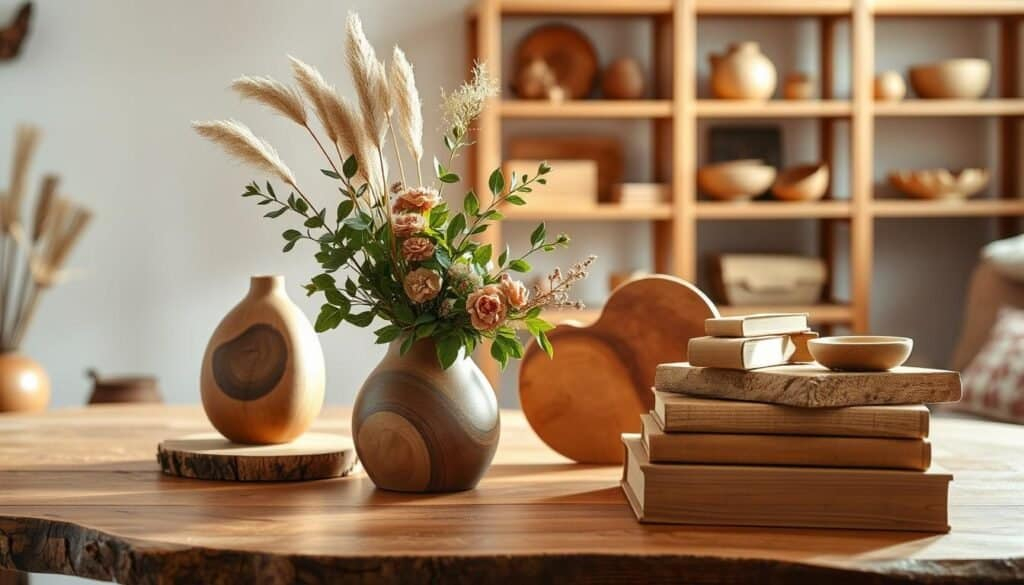
Start small. You don’t need to overhaul your entire living room. Maybe it’s a set of mugs on open shelving. Or a large, statement jar in the entryway. The key is intentionality. Don’t just buy it because it matches the couch. Buy it because it makes you pause when you look at it. As noted by design experts, pottery adds coziness and charm that other materials simply can’t replicate. It’s an unsung hero in creating a space that feels lived-in and loved.
The Warmth of Metal: Brass, Copper, and Bronze as Light Catchers
If clay is the earth, then warm metals are the sun. They catch the light. They change throughout the day. A brass lamp base looks different at noon than it does at dusk. This dynamic quality keeps a space feeling alive, yet serene. Unlike chrome or stainless steel, which can feel cold and clinical, warm metals invite touch. They feel welcoming.
Why warm metals specifically? Because they complement the earth tones of pottery. Terracotta, sage green glazes, deep blues—they all sing when paired with the golden hue of brass or the reddish warmth of copper. It’s a natural partnership. In recent years, there has been a shift away from the ultra-minimalist, sterile white-and-gray aesthetics. People are craving warmth. They want their homes to feel like a hug. Warm metals provide that glow without being overpowering.
Consider the patina. One of the beautiful things about copper and brass is that they age. They develop a story. A scratch here, a tarnish there. This aligns perfectly with the wabi-sabi philosophy often associated with Zen spaces. It’s about accepting the transient nature of things. When you choose fixtures or decor items in these metals, you are choosing materials that will evolve with you. They won’t look "old" in a bad way; they’ll look seasoned. Rich.
The Art of Pairing: Balancing Texture and Tone
So, how do you actually put them together without it looking like a clutter shop? It’s all about balance. You don’t want every surface covered. You want breathing room. Think of your sanctuary as a composition. If you have a large, heavy ceramic pot, pair it with a slender, delicate brass candlestick. The contrast creates interest. The heaviness of the clay is lifted by the lightness of the metal.
Color coordination is subtle here. You aren’t matching colors exactly. You are harmonizing temperatures. A cool-toned blue glaze might pop beautifully against warm bronze. A neutral, sandy-colored ceramic might blend seamlessly with brushed gold. The goal is cohesion, not uniformity. Look for pieces that share a similar vibe—perhaps both are hand-forged or hand-thrown. This shared humanity in their creation ties them together visually.
Placement matters too. Don’t cluster all your pottery on one shelf and all your metals on another. Mix them. Put a small brass tray under a ceramic diffuser. Place a copper bowl next to a stack of stone coasters. This interplay encourages the eye to move slowly across the space, discovering connections. It slows down your gaze. And when your gaze slows, your mind tends to follow. It’s a simple trick, but it works wonders for creating that tranquil vibe we’re after.
Curating Your Sanctuary: Less Noise, More Nuance
A sanctuary isn’t just about what you add; it’s about what you leave out. Clutter is the enemy of calm. But "minimalism" doesn’t mean empty. It means curated. Every object should earn its place. Does this vase bring you joy? Does this brass frame hold a memory? If the answer is no, let it go. In 2026, we are more aware than ever of the mental load of physical stuff. We are tired of managing excess.
Focus on quality over quantity. One stunning, hand-thrown pitcher is better than ten cheap, identical ones. One solid brass lantern is better than five flimsy plastic imitations. When you invest in fewer, better pieces, you treat them with more care. You notice them more. This mindfulness extends to the rest of your life. It becomes a practice.
Think about the surfaces in your sanctuary. Are they hard and reflective? Soften them. Add a woven jute rug under your ceramic side table. Drape a linen cloth over a metal cabinet. These soft textiles bridge the gap between the hard materials, adding another layer of comfort. The combination of clay, metal, and fabric creates a triad of textures that is deeply satisfying to the senses. It’s lush without being busy.
Lighting the Way: Enhancing Mood with Reflective Surfaces
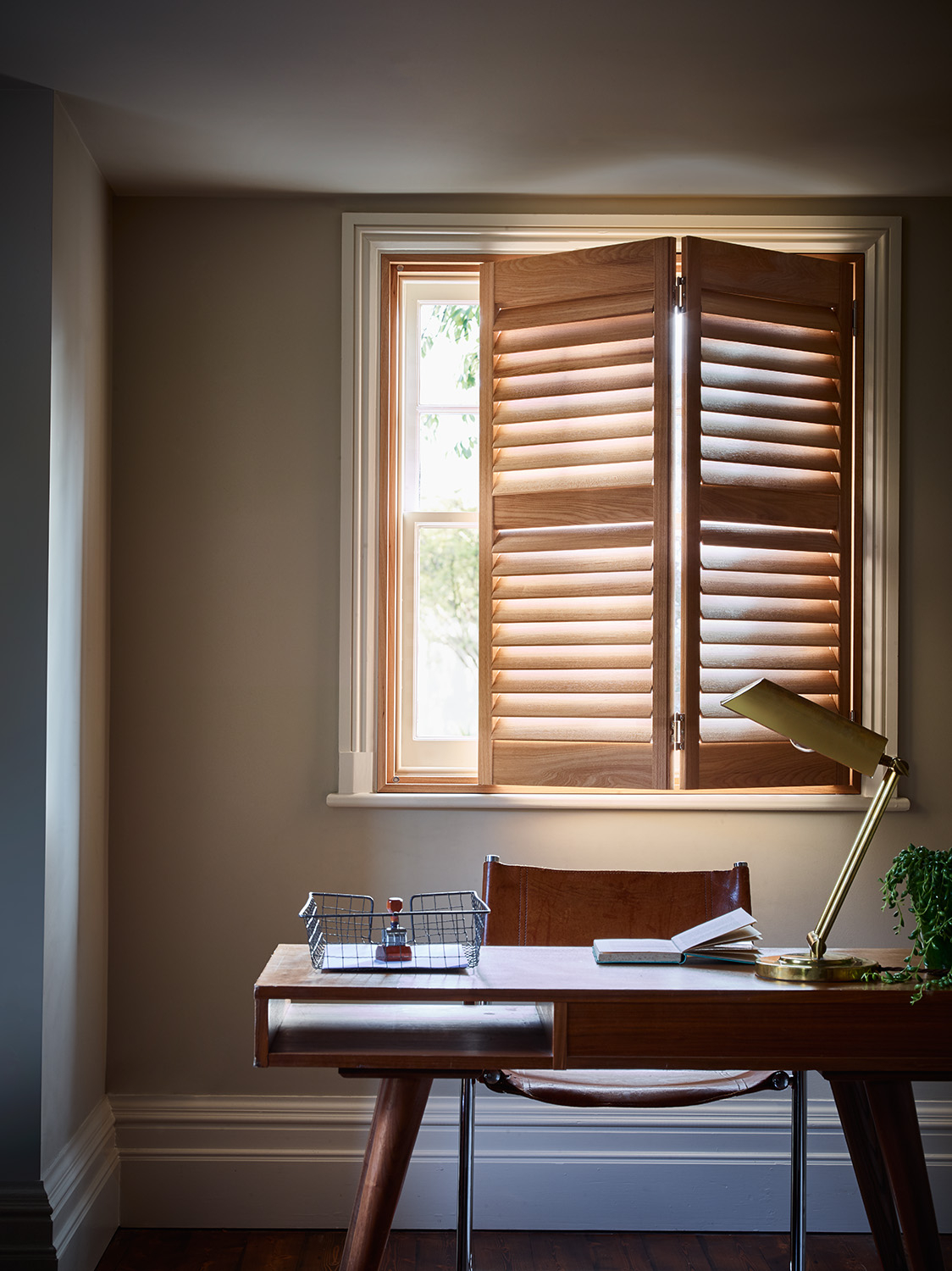
Lighting can make or break a sanctuary. Harsh overhead lights are a no-go. You want layers. You want pools of light. This is where your warm metals shine—literally. A brass lamp shade casts a warm, golden glow that mimics sunset. It’s flattering. It’s relaxing. It signals to your brain that it’s time to wind down.
Use your pottery to play with light as well. Glazed ceramics reflect light in soft, diffuse ways. Unglazed ceramics absorb it. By placing a light source near these different finishes, you create a complex lighting landscape. It’s not just bright or dark; it’s nuanced. Shadows dance. Highlights shimmer. This visual complexity is engaging but not stimulating. It’s the kind of light that invites you to sit and stare into space, letting your thoughts wander.
Candles are also essential. The flicker of a flame reflected in a copper bowl is mesmerizing. It’s a primitive form of entertainment that never gets old. Place candles at different heights. Use ceramic holders for some, metal for others. The mix of materials catches the flame’s movement in different ways. It adds a kinetic element to your still space. Just remember safety, obviously. But don’t underestimate the power of a single flame to transform the energy of a room.
A sanctuary isn’t a museum. It’s not meant to be looked at from behind a rope. It’s meant to be used. Drink your morning coffee from that handmade mug. Feel the weight of it in your hands. Notice the irregularity of the rim. Light a candle in your brass holder every evening. Make it a ritual. These small actions ground you in the present moment. They turn your decor into a tool for mindfulness.
Care for your pieces. Wipe down the brass. Dust the pottery. This act of maintenance is meditative in itself. It’s a way of showing gratitude for the objects that serve you. In a disposable culture, caring for things is a radical act. It connects you to the material world in a respectful, sustainable way. It reminds you that things have value beyond their price tag.
Finally, listen to your space. Does it feel right? If something feels off, move it. Trust your instincts. There are no rigid rules here. Your sanctuary is personal. It should reflect who you are and what you need. Maybe you need more green plants in your terracotta pots. Maybe you need more mirrors to bounce light around. Adjust as you go. Let the space evolve with you. After all, tranquility isn’t a destination; it’s a practice. And your home is the perfect place to start.
Creating this kind of environment doesn’t happen overnight. It’s a gradual process of selection and refinement. But each piece you bring in, each adjustment you make, brings you closer to that feeling of deep, resonant calm. So go ahead. Hunt for that perfect imperfect bowl. Polish up that old brass tray. Your sanctuary is waiting.