Ever walked past a curbside pile of trash and spotted something that made your heart skip a beat? Maybe it was a dusty wooden chair with a cracked seat, or perhaps a velvet armchair that had seen better days. Most people see junk. But you? You see potential. You see a story waiting to be rewritten. In a world where fast furniture falls apart after a single move, there is a quiet revolution happening in living rooms and workshops across the globe. It’s about slowing down. It’s about taking what’s old and making it feel new again, not by hiding its history, but by celebrating it.
We are living in 2026, and the appetite for sustainable, character-rich homes has never been stronger. People are tired of the same beige, mass-produced items that lack soul. They want pieces that talk. A repurposed vintage chair does exactly that. It bridges the gap between the past and the present. It offers a level of craftsmanship that is hard to find in today’s market. But here is the tricky part: how do you make a hundred-year-old chair comfortable for modern backs? How do you keep the charm without making your home look like a museum exhibit? That is the art form we are diving into today.
The Art of Selecting the Right Candidate
Not every old chair is worth saving. Some are just broken. Others are structurally unsound in ways that cost more to fix than they are worth. The first step in any successful repurposing project is knowing what to look for. You want solid wood frames, preferably hardwoods like oak, walnut, or maple. Avoid particle board or veneer that is peeling off; those are signs of a piece that has lived a hard life and might not have much left to give. Look for joints that are tight. If the chair wobbles, can it be fixed with some glue and clamps? Or is the wood splintered beyond repair?
Comfort is key, but structure comes first. A chair can have the most beautiful fabric in the world, but if it collapses when you sit on it, it is useless. When scouting thrift stores, estate sales, or even online marketplaces, bring a small flashlight. Shine it under the seat. Look for cracks in the legs. Check the backrest for stability. Don’t be afraid to sit in it, even if it looks dirty. Feel the balance. Does it lean too far back? Is the seat depth awkward for your height? These are things you can change, but they require more work. Starting with a solid foundation saves you hours of frustration later.
Also, consider the style. Mid-century modern pieces are still hugely popular in 2026, but don’t overlook Victorian, Industrial, or even rustic farmhouse styles. Each has its own vibe. A heavy oak rocker might become a cozy reading nook centerpiece. A sleek metal-and-wood bistro chair could find new life on a balcony. The goal is to find a piece that speaks to you, one that makes you imagine where it could go in your home. Trust your gut. If you love it, you will find a way to make it work.
Modernizing with Paint and Finish Techniques
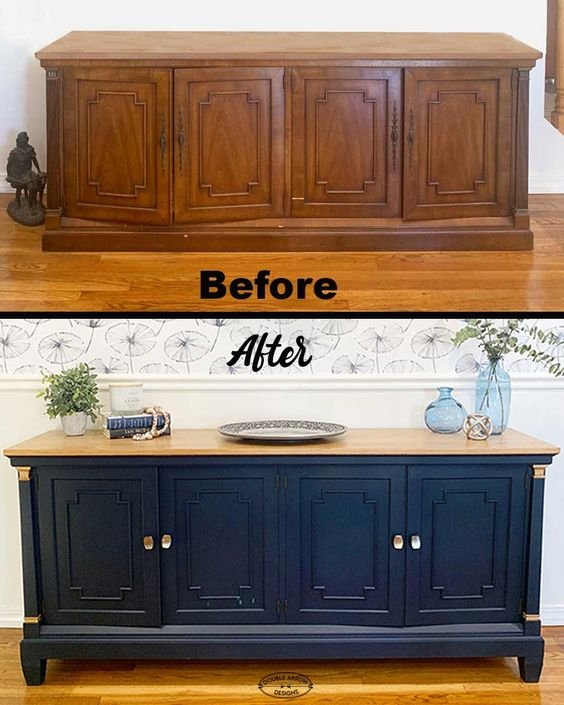
Paint is the most powerful tool in your upcycling arsenal. It can hide a multitude of sins, from water stains to mismatched wood tones. But slapping on a coat of white latex isn’t enough if you want a professional, modern look. The trend in 2026 is towards finishes that feel tactile and authentic. Chalk paint remains a favorite for its matte, velvety texture and ease of use, but milk paint is gaining ground for its eco-friendly properties and historic authenticity. For a sleeker, more contemporary vibe, consider using high-quality acrylic enamels in bold, unexpected colors. Think deep navy, forest green, or even a vibrant mustard yellow.
Preparation is everything. You don’t always need to strip a chair down to bare wood, but you do need to clean it thoroughly. Grease and grime prevent paint from adhering properly. Use a degreaser and let it dry completely. Light sanding helps create a surface for the paint to grip. If the original finish is in good condition, you might just need to scuff it up a bit. This is called "deglossing." It saves time and preserves some of the original character. If you do strip it, be patient. Chemical strippers are messy and smelly, so work in a well-ventilated area. Sanding discs on a power sander can speed up the process, but hand-sanding gives you more control over delicate details.
Don’t forget the hardware and accents. Sometimes, painting the frame a neutral tone and leaving the original wood stain on the arms or legs creates a stunning two-tone effect. This highlights the craftsmanship of the joinery. Alternatively, you can use metallic waxes or leafing pens to add subtle gold or copper accents to carved details. This adds a touch of luxury without being overpowering. The key is balance. You want the chair to look updated, not like it’s trying too hard. Test your colors on a small, hidden area first. Lighting changes how colors look, so check your sample in both natural and artificial light.
Upholstery Choices for Contemporary Comfort
Let’s talk about the seat. This is where comfort meets style. Old chairs often have sagging springs or flattened foam that makes sitting unpleasant. Re-upholstering is not as scary as it sounds. Start by removing the old fabric carefully, taking photos at each step so you remember how it went together. Replace any broken springs or webbing. High-density foam is your best friend here. It provides support and lasts longer than the cheap stuff. Top it with a layer of batting for softness. This simple upgrade can transform a rock-hard seat into a cloud.
Fabric choice defines the mood of the chair. In 2026, sustainability is a major factor in material selection. Look for fabrics made from recycled plastics, organic cotton, or hemp. These materials are durable and eco-conscious. Velvet is having a huge moment, adding richness and depth to any room. It’s also surprisingly durable if you choose a performance grade. For a more casual, relaxed look, linen blends are excellent. They breathe well and age beautifully, developing a soft patina over time. If you have pets or kids, consider performance fabrics that resist stains and scratches. They come in all textures now, so you don’t have to sacrifice style for practicality.
Pattern mixing is another way to modernize. Don’t be afraid to combine solids with prints. A solid colored frame with a patterned seat cushion can be striking. Or vice versa. Geometric patterns, abstract florals, and even tribal prints can inject personality into a classic shape. If you are unsure, start with a neutral base and add pops of color through throw pillows or blankets draped over the back. This allows you to change the look seasonally without re-upholstering. Remember, the fabric should complement the room it lives in, but it doesn’t have to match everything perfectly. A little contrast keeps things interesting.
Functional Twists: Beyond the Sitting Experience
Who says a chair has to be for sitting? Repurposing opens up a world of functional possibilities. One popular trend is turning old dining chairs into plant stands. Remove the seat and replace it with a woven basket or a custom-made wooden box filled with soil. Succulents and trailing ivy look fantastic spilling over the edges. This brings nature indoors and uses the chair’s structure as a unique display pedestal. It’s perfect for corners that feel empty or for adding vertical interest to a balcony.
Another clever idea is the chair-as-storage solution. Keep the seat intact but add hooks to the backrest for towels, coats, or blankets. This works wonderfully in entryways or bathrooms. You can also remove the backrest entirely and convert the seat into a small side table. Add casters to the legs for mobility. This creates a versatile piece that can move from the living room to the bedroom as needed. For book lovers, consider attaching small shelves to the sides of the chair frame. It becomes a personal reading station, with space for your current read and a cup of tea.
Lighting is another unexpected avenue. Wire a lamp kit through the back of a tall-backed chair. The chair becomes a floor lamp, casting a warm glow and serving as a sculptural element. This requires some basic electrical knowledge, so safety is paramount. If you are not comfortable with wiring, stick to battery-operated LED strings draped artistically around the frame. These ideas challenge the traditional definition of furniture. They encourage you to think about space and function in new ways. It’s about solving problems with creativity. What does your home need? A plant stand? A coat rack? A nightstand? The answer might be hiding in an old chair.
Blending Eras: Styling Vintage in Modern Spaces
Integrating a repurposed vintage chair into a modern home is all about contrast. If your room is sleek and minimalist, a ornate, painted chair adds warmth and history. It breaks up the sterility. Conversely, if your space is eclectic and bohemian, a clean-lined mid-century chair can provide a visual anchor. The key is to let the chair be a focal point. Don’t clutter around it. Give it room to breathe. Position it near a window to highlight its silhouette against the natural light. Or place it opposite a modern sofa to create a conversation area that feels curated, not matched.
Color coordination helps tie the old and new together. Pick up a hue from the chair’s upholstery or paint job and repeat it in other elements of the room. This could be in a rug, a piece of art, or even a vase. This creates a cohesive look without everything matching perfectly. Texture is also important. Mix the smooth wood of the chair with rough wool rugs, soft leather cushions, or glass tables. This layering adds depth and interest. It makes the space feel lived-in and inviting.
Accessories play a big role in styling. Drape a modern, geometric throw blanket over the back of a Victorian chair. Place a contemporary ceramic vase on the seat. These juxtapositions highlight the unique qualities of both the vintage and the modern. It shows intentionality. It tells guests that you care about design, but you don’t take it too seriously. Your home should reflect who you are. If you love old things and new things, let them coexist. The friction between eras is where the magic happens. It creates a dynamic energy that static, showroom-perfect rooms often lack.
Beyond aesthetics, repurposing vintage chairs is an act of environmental stewardship. In 2026, the conversation around waste is louder than ever. Furniture ends up in landfills at an alarming rate. By choosing to restore and reuse, you are keeping usable materials in circulation. You are reducing the demand for new resources. This matters. It feels good to know that your beautiful chair didn’t require cutting down a new tree or shipping plastic components across the ocean. It’s a small act, but it contributes to a larger shift towards conscious consumption.
There is also a profound emotional benefit to DIY projects. In a digital world, working with your hands is grounding. It connects you to the physical reality of your environment. The process of sanding, painting, and sewing is meditative. It requires focus and patience. When you sit in your finished chair, you aren’t just sitting on furniture. You are sitting on your effort, your creativity, and your vision. There is a pride in that. It builds confidence. You realize you can change your surroundings. You don’t have to accept what is given to you. You can shape it.
Sharing this journey inspires others. When friends visit and ask about your chair, you have a story to tell. You might inspire them to look at their own discarded items differently. You become part of a community of makers and restorers who value quality over quantity. This connection is valuable. It fosters a culture of repair and appreciation. So, don’t hoard your knowledge. Share your tips. Post your before-and-after photos. Talk about the mistakes you made and how you fixed them. This openness helps normalize the idea that imperfect, handmade, and repurposed items are not just acceptable, but desirable.
Repurposing vintage chairs is more than a hobby. It is a way of seeing the world. It teaches us to look deeper, to value history, and to believe in transformation. Whether you are a seasoned carpenter or a beginner with a paintbrush, there is a place for you in this movement. The chairs are out there, waiting. They have stories to tell. All they need is someone willing to listen and a little bit of love to bring them into the present. So go ahead. Find that chair. Bring it home. And make it yours.