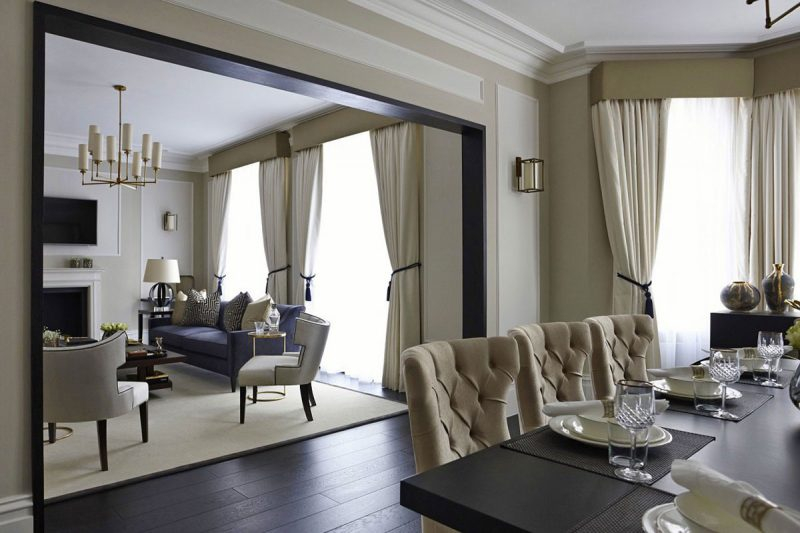
Have you ever walked into a room that felt… stiff? Like it was waiting for someone to actually live in it? Or maybe the opposite—a space so packed with knick-knacks and heavy furniture that you couldn’t find a place to rest your eyes. It’s a tricky balance, isn’t it. We all want our homes to have soul. We crave that warm, lived-in feeling that only history can provide. But we also love the calm, breathing room of modern design. The clean lines. The lack of visual noise.
Trying to marry these two styles often feels like forcing oil and water to mix. You end up with a mess. Or worse, a room that looks like a furniture store display where nothing quite belongs together. But here is the secret: it doesn’t have to be hard. In fact, when done right, the contrast between the old and the new creates a tension that is incredibly beautiful. It makes a house feel curated, not just decorated.
In 2026, we are seeing a huge shift away from the ultra-sterile minimalism of the early 2020s. People are tired of cold spaces. They want comfort. They want stories. But they don’t want the chaos that sometimes comes with collecting antiques. This guide is about finding that sweet spot. It’s about keeping the charm but losing the clutter. Let’s dive into how you can make your space feel both grounded and airy.
The Foundation: Choosing Your Anchor Pieces
Every great room needs a hero. When you are mixing styles, you need to decide which era is leading the dance. Is this a modern room with vintage accents? Or a traditional room with contemporary updates? Most designers agree that picking one style as the "anchor" prevents the space from feeling confused. If you try to make everything equal, nothing stands out. And that is when clutter creeps in.
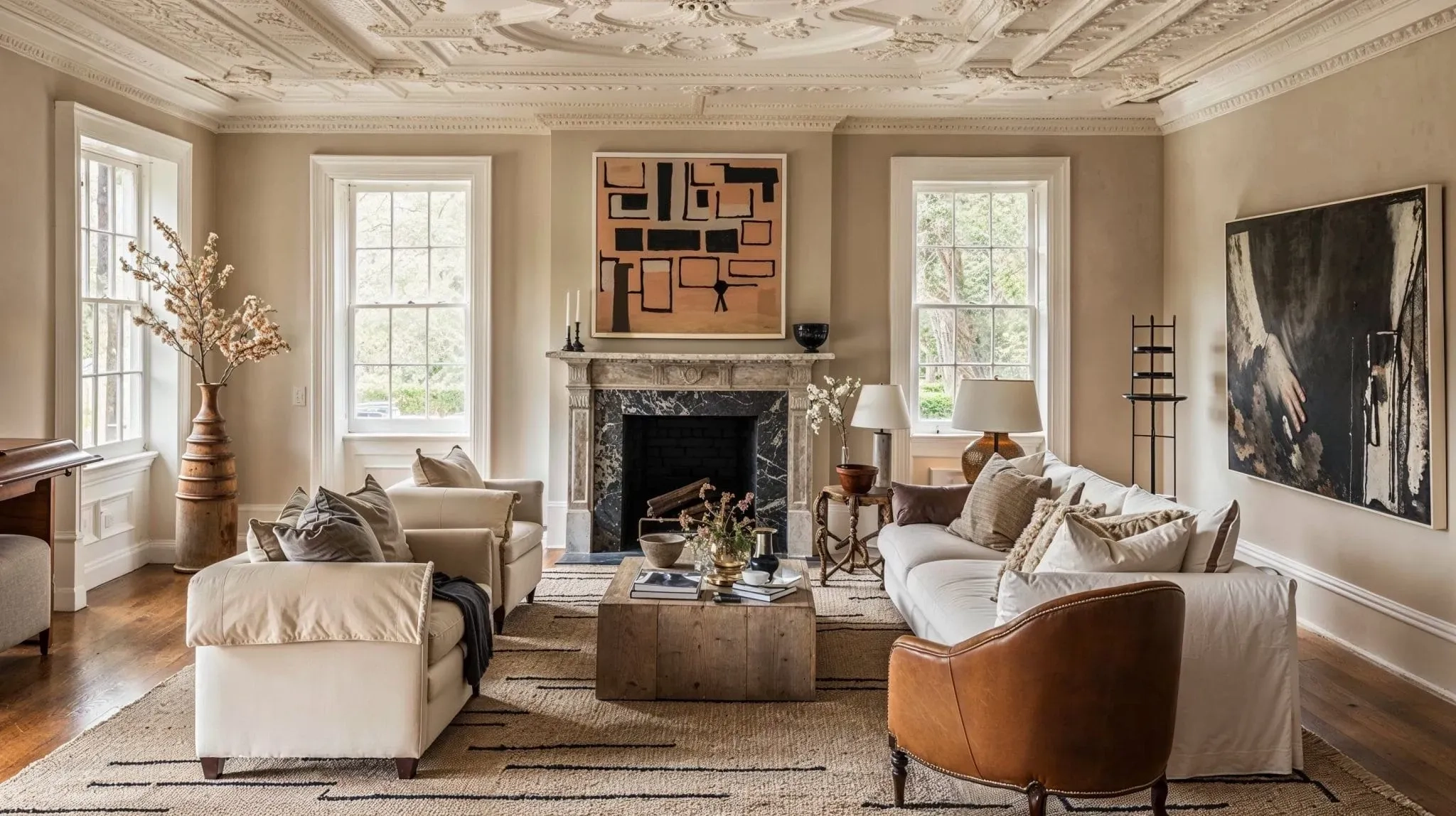
Let’s say you choose modern as your base. This means your walls are likely neutral. Your flooring might be sleek wood or polished concrete. Your main sofa has clean, simple lines. Now, you bring in the old world charm through specific, intentional pieces. Maybe it’s a massive, carved wooden armoire from the 19th century. Because the rest of the room is quiet, this piece sings. It doesn’t fight for attention. It just exists, beautiful and heavy with history.
The key here is scale and proportion. Old furniture tends to be bigger. Heavier. Darker. If you put three antique cabinets in a small modern living room, it will feel cramped. But one? One becomes a statement. Think of it like jewelry. You wouldn’t wear five heavy necklaces at once. You pick one stunning piece and let it shine against a simple shirt. Same logic applies to your floors. Keep the background simple so the character pieces can breathe.
Texture Over Trinkets: The Secret to Warmth
One of the biggest mistakes people make when trying to avoid clutter is removing all personality. They strip a room down to bare essentials and call it minimal. But minimal doesn’t mean empty. It means intentional. The bridge between cold modern lines and warm old-world vibes is texture. This is where you can add depth without adding "stuff."
Think about materials. A sleek, modern glass coffee table can feel icy. But place a hand-woven, slightly imperfect wool rug underneath it. Suddenly, the room has warmth. The rug adds that old-world craft feel without taking up visual space like a bulky side table would. In 2026, natural fibers are more popular than ever. Linen, cotton, jute, and wool are being used to soften the sharp edges of contemporary architecture.
You can also look at wall treatments. Instead of hanging ten small framed photos (which creates visual noise), try one large piece of textured art. Maybe a tapestry. Or a piece of reclaimed wood mounted on the wall. These items have history. They have touchable surfaces. They invite you to run your hand over them. This tactile experience replaces the need for dozens of small decorative objects. It satisfies the urge for charm without the clutter of collectibles.
The Power of Negative Space
This is the hardest part for most of us. We are afraid of empty space. We think if a shelf isn’t full, it looks unfinished. If a wall is bare, it looks neglected. But negative space—the empty areas—is what allows the eye to rest. It is the silence between the notes in a song. Without it, the music is just noise. When mixing old and new, negative space is your best friend.
Look at your shelves. Really look at them. Are they packed? Try removing half the items. Then remove two more. What’s left? Those few items should be special. A single ceramic vase from your grandmother. A stack of three beautiful books. A small bronze sculpture. By giving each item room to breathe, you elevate its importance. It becomes a curated object, not just part of a pile. This is how you keep the old-world charm (the objects themselves) while maintaining clean lines (the space around them).
Windows are another place to practice this. Modern design loves big, unobstructed windows. Old-world design often loves heavy drapes. The compromise? Simple, floor-length linen curtains in a neutral tone. They frame the window without blocking the light. They add softness and a hint of traditional elegance, but they don’t fuss. They hang straight and clean. This respects the modern architecture while adding a layer of cozy tradition.
Color Palettes That Bridge the Gap
Color can make or break this mix. If you go too bright and poppy, the vintage pieces might look out of place. If you go too dark and moody, the modern elements might disappear. The solution lies in earthy, muted tones. These colors have been used for centuries, so they naturally complement antique wood and brass. But when used in a flat, matte finish, they feel thoroughly modern.
Think sage green, terracotta, warm beige, or deep charcoal. These are grounding colors. They connect the indoors to the outdoors. In 2026, we are seeing a return to "quiet luxury" palettes. This means less contrast, more harmony. Paint your modern trim in a soft white, not a stark, blinding white. It blends better with the aged patina of old furniture.
Also, consider the finish of your colors. High-gloss paint feels very modern, but it can clash with rough, old wood. Matte or eggshell finishes absorb light. They feel softer. More inviting. They help blend the sharp lines of modern cabinetry with the irregular surfaces of vintage finds. When the light hits the room, it diffuses gently rather than bouncing around harshly. This creates a cohesive atmosphere where old and new feel like they grew up together.
Lighting: The Invisible Glue
Lighting is often an afterthought, but it is crucial for blending styles. Old-world lighting tends to be ornate. Chandeliers with crystals. Brass lamps with fringed shades. Modern lighting is geometric. Sleek. Often black or brushed nickel. So, how do you choose? The trick is to find fixtures that have the form of one style but the material of the other.
For example, take a modern, geometric chandelier shape. But make it out of aged brass or wrought iron. The lines are clean and contemporary, but the material feels historic. Or, take a traditional lantern shape but render it in black metal with clear glass. No fuss. No ornamentation. Just pure form. This hybrid approach works wonders. It signals to the brain that this room respects both eras.
Don’t forget ambient light. Old houses were often dim. Modern houses are often brightly lit with recessed cans. Aim for a middle ground. Use floor lamps with simple silhouettes but fabric shades that cast a warm glow. Place them near your vintage seating areas. This creates pools of light that highlight the texture of the old furniture without illuminating every corner of the room. Shadows are important. They add mystery. And mystery is a key part of old-world charm.
You have picked your anchor pieces. You have added texture. You have respected negative space. You have chosen a soothing palette and smart lighting. Now, you must edit. This is the step most people skip. They bring in one last vase. One last pillow. And suddenly, the balance tips. The room feels busy again.
Walk through your space with a critical eye. Ask yourself: Does this item earn its place? Does it add value? Or is it just filling space? Be brutal. If you have a beautiful antique desk, you don’t need a modern side table next to it. The desk is enough. If you have a stunning modern sculpture, you don’t need a gallery wall behind it. Let it stand alone.
Clutter is not just about having too many things. It is about having too many competing things. When you mix old and new, every item is already competing for attention because they are from different worlds. You must reduce the number of players on the field. Keep the team small. Keep the stars bright. This discipline is what separates a sophisticated home from a chaotic one. It takes courage to leave a surface bare. But trust me, the result is worth it.
Mixing old-world charm with clean lines is not about following strict rules. It is about feeling. It is about creating a home that honors the past while living fully in the present. It’s about knowing when to stop. As we move further into 2026, the trend is clear: we want homes that heal us. Spaces that are calm but not cold. Rich but not heavy.
Start small. Pick one corner. Swap out a busy accessory for a single, meaningful object. Paint a wall a softer shade. Let some light in. See how it feels. You might be surprised by how much peace a little editing can bring. Remember, your home is a living thing. It changes as you do. Don’t be afraid to take things away. Often, less is not just more. Less is enough.