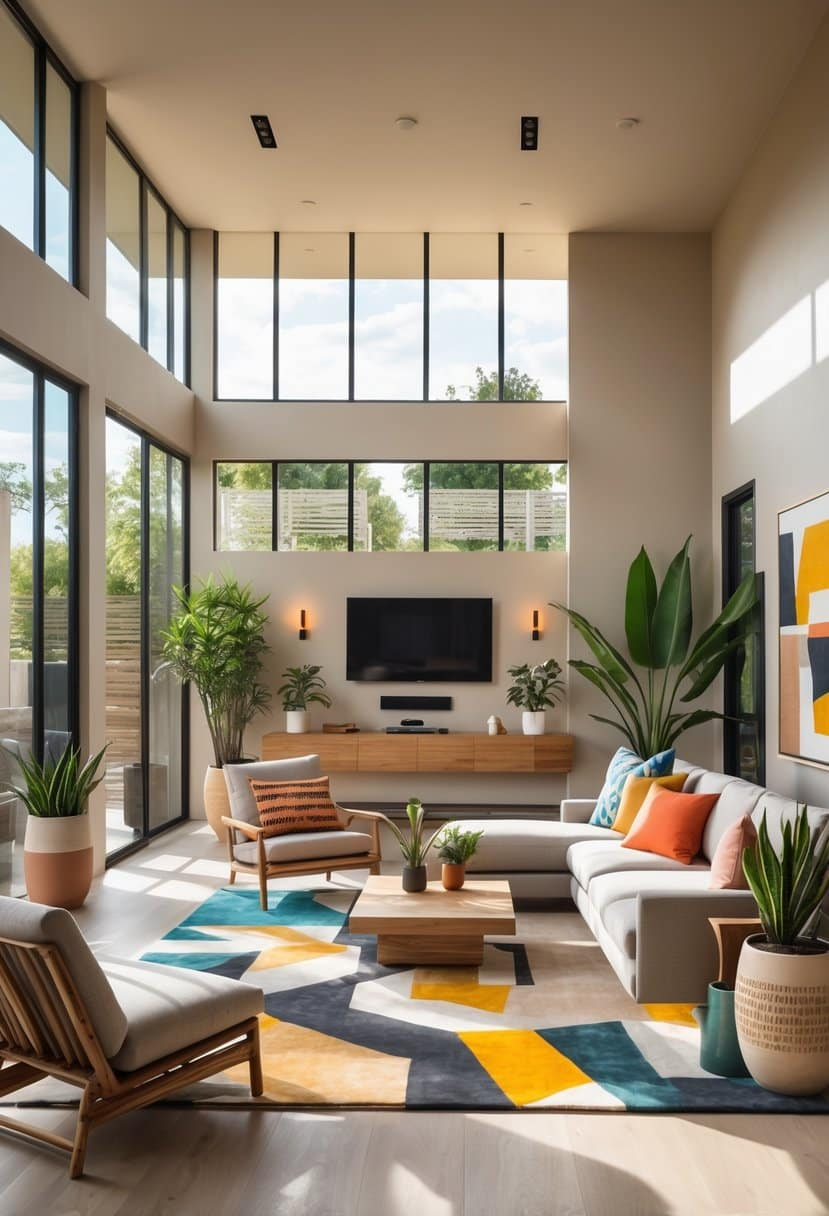
Ever walk into a small room and feel like the walls are closing in on you? It’s a weirdly specific kind of anxiety. You love your apartment, or maybe your cozy starter home, but that living room just feels… tight. Like you’re holding your breath every time you sit down. But here’s the thing: square footage is just a number. It doesn’t dictate how a space feels. I’ve seen 200-square-foot boxes that felt like ballrooms, and massive open-concept lofts that felt cold and empty. The difference isn’t the size. It’s the strategy.
In 2026, we’re still dealing with compact urban living. Rents are high, spaces are shrinking, and everyone wants their home to be a retreat, not a storage unit. The good news? You don’t need a contractor to fix it. You don’t even need a huge budget. You just need to know how to trick the eye. It’s about light, line, and letting go of the idea that "small" means "cluttered." Let’s dig into the secrets that designers have been using for years to make tiny spaces sing.
Let There Be Light (And Reflections)
Light is the cheapest paint you can buy. Seriously. If your room feels dark, it feels small. Period. The first move is always to maximize natural light. Strip those heavy, floor-length drapes if they’re blocking the sun. Swap them for sheer linen or lightweight cotton that lets the glow filter through. It softens the edges of the room and makes the windows feel larger than they are. But what if you’re facing a brick wall or live on the ground floor? That’s where artificial lighting comes in, and most people get it wrong. They rely on one big overhead light, which casts harsh shadows and makes the ceiling feel lower. Instead, layer your lighting. Use floor lamps in corners to push the boundaries out. Add table lamps at eye level to create warmth. And please, use warm-white bulbs. Cool blue light feels clinical and shrinks a space.
Then there’s the magic trick: mirrors. We’ve all heard "put a mirror opposite the window," and yes, it works. It bounces light around and creates a fake window effect. But don’t stop there. A large, floor-leaning mirror in a corner can double the visual depth of the room. It’s like adding an extra ten feet of space for the price of a piece of glass. Just be careful with placement. You don’t want to reflect a cluttered bookshelf or a messy hallway. Aim the reflection at something nice—a plant, a piece of art, or that beautiful light you just curated. In recent design trends from 2024 and 2025, we’ve seen a shift away from tiny decorative mirrors toward massive, statement pieces that act as architectural elements. They don’t just reflect; they expand.
The Furniture Scale Game
Here’s a counterintuitive truth: putting small furniture in a small room makes it look smaller. I know, it sounds backwards. You think a petite loveseat will save space, but it actually creates visual clutter. It looks like dollhouse furniture in a real room, emphasizing the lack of space. Instead, go for fewer, larger pieces. One substantial sofa is better than a sofa and two chairs crammed in. Choose pieces with exposed legs. When you can see the floor continuing underneath the furniture, your brain registers more floor space. It’s a simple optical illusion, but it works wonders. Avoid bulky, skirted sofas that hit the floor. They look heavy and block the flow of the eye.
Think about transparency too. Glass coffee tables or acrylic side chairs (often called "ghost chairs") are lifesavers. They provide function without visual weight. You can see right through them, so they don’t interrupt the sightlines. In 2026, sustainable materials are huge, so look for recycled acrylic or responsibly sourced light woods like ash or oak. These materials feel airy and modern. Also, consider the height of your backrests. Low-profile sofas keep the view open. If you have high ceilings, you can go taller, but in standard apartments, keeping the furniture line low helps the ceiling feel higher. It’s all about maintaining clear paths for your eyes to travel. If your gaze hits a wall of fabric every three feet, the room feels boxed in. Let it breathe.
Color Isn’t Just White
For years, the advice was "paint everything white." And sure, white is safe. It reflects light. But it can also feel sterile and flat. In recent years, designers have moved toward monochromatic schemes in deeper, richer tones. Think sage green, warm taupe, or soft navy. When you paint the walls, trim, and even the ceiling the same color, you blur the boundaries. The corners disappear. The eye doesn’t know where the wall ends and the ceiling begins, so the space feels endless. It’s cozy, not cramped. If white is your jam, try an off-white with a warm undertone. Pure bright white can sometimes feel too stark, creating harsh contrasts that chop up the room.
Texture is your best friend when working with a limited palette. If everything is the same color, you need variation in touch to keep it interesting. Mix a chunky knit throw with a smooth leather pillow. Add a jute rug under a sleek wool carpet. These tactile differences add depth without adding visual noise. And don’t forget the ceiling. Painting it the same color as the walls is a bold move that pays off in small spaces. Or, if you’re feeling adventurous, try a high-gloss finish on the ceiling. It reflects light downward and adds a subtle shimmer that lifts the lid off the box. Just keep the walls matte or eggshell to avoid looking like you’re inside a mirror ball. The goal is harmony, not chaos.
Verticality and the Eye Lift
Most of us focus on the floor plan, but the vertical space is where the magic happens. Draw the eye up. How? With vertical lines. Floor-to-ceiling curtains are a must, even if your windows are small. Hang the rod as close to the ceiling as possible, not just above the window frame. This tricks the brain into thinking the windows—and the ceilings—are much taller. Bookshelves should do the same. Go tall and narrow rather than short and wide. Fill them thoughtfully, not chaotically. Leave some breathing room. Empty space on a shelf is just as important as the objects on it. It gives the eye a place to rest.
Artwork placement matters too. Don’t cluster small pictures at eye level. Go for one large statement piece, or a vertical gallery wall that stretches from near the sofa back up toward the ceiling. This elongates the wall. In 2026, we’re seeing a return to maximalist art in minimal spaces—one huge canvas that dominates a wall can actually make the room feel bigger because it becomes a focal point, distracting from the room’s dimensions. Plants are another vertical tool. A tall fiddle leaf fig or a snake plant in a corner draws the gaze upward and adds life without taking up much floor space. They soften the hard angles of the room, making it feel more organic and less like a shoebox.
The Clutter Conversation
Let’s be real. Clutter is the enemy of space. In a small room, every object counts. If it’s not useful or beautiful, it has to go. But "decluttering" sounds exhausting. So let’s reframe it as "editing." Keep only what you love. Store the rest. Hidden storage is key. Ottomans with lids, coffee tables with drawers, benches that open up—these are your secret weapons. They hide the remote controls, the magazines, the blankets. When surfaces are clear, the room feels larger. It’s about visual quiet. If your eye lands on a pile of mail, the room feels busy. If it lands on a smooth surface, it feels calm.
Use vertical storage to keep floors clear. Floating shelves are great, but keep them styled minimally. Baskets are underrated. A few woven baskets on a shelf can hold odds and ends while adding texture. And doors? Use them. Over-the-door organizers aren’t just for coats. They can hold shoes, cleaning supplies, or even pantry items if you’re tight on kitchen space. The goal is to keep the horizontal planes—floors, tabletops—as open as possible. This creates a sense of flow. You can walk through the room without navigating an obstacle course. That physical ease translates to mental ease. A tidy room feels bigger because you can actually move in it.
Just because it’s one room doesn’t mean it has to be one zone. In fact, defining areas can make the space feel more intentional and spacious. Use rugs to anchor different functions. A rug under the seating area defines the "living" zone. A different texture or runner can define a reading nook or a workspace. But keep the rugs proportional. Too small, and they look like islands floating in a sea of floor. Too big, and they overwhelm. The front legs of your furniture should sit on the rug to tie the group together. Lighting can also zone. A pendant light over a dining table (even a small drop-leaf one) separates eating from lounging.
Furniture arrangement plays a huge role here. Don’t push everything against the walls. It’s tempting, but it creates a "dance floor" in the middle that feels unused and awkward. Pull the sofa out a few inches. Float a chair. Create conversation groups. This breaks up the boxy feel and adds depth. In 2026, modular furniture is trending hard for this reason. You can rearrange pieces to suit your needs, creating flexible zones that adapt to your life. A sectional that splits into two chairs allows you to open up the room for parties or close it in for movie nights. Flexibility is the ultimate luxury in a small space. It means the room grows with you, rather than constraining you.
So, does your living room need a renovation? Probably not. It needs a rethink. Look at the light. Check the scale of your furniture. Edit the clutter. Lift the eye. These aren’t just tricks; they’re ways of respecting the space you have. When you design with intention, even the smallest room can feel like a sanctuary. It’s not about having more. It’s about making what you have work harder. And honestly? There’s something deeply satisfying about mastering the squeeze. It forces you to be creative, to choose wisely, and to appreciate the cozy. After all, a home isn’t measured in square feet. It’s measured in how good it feels to be there.