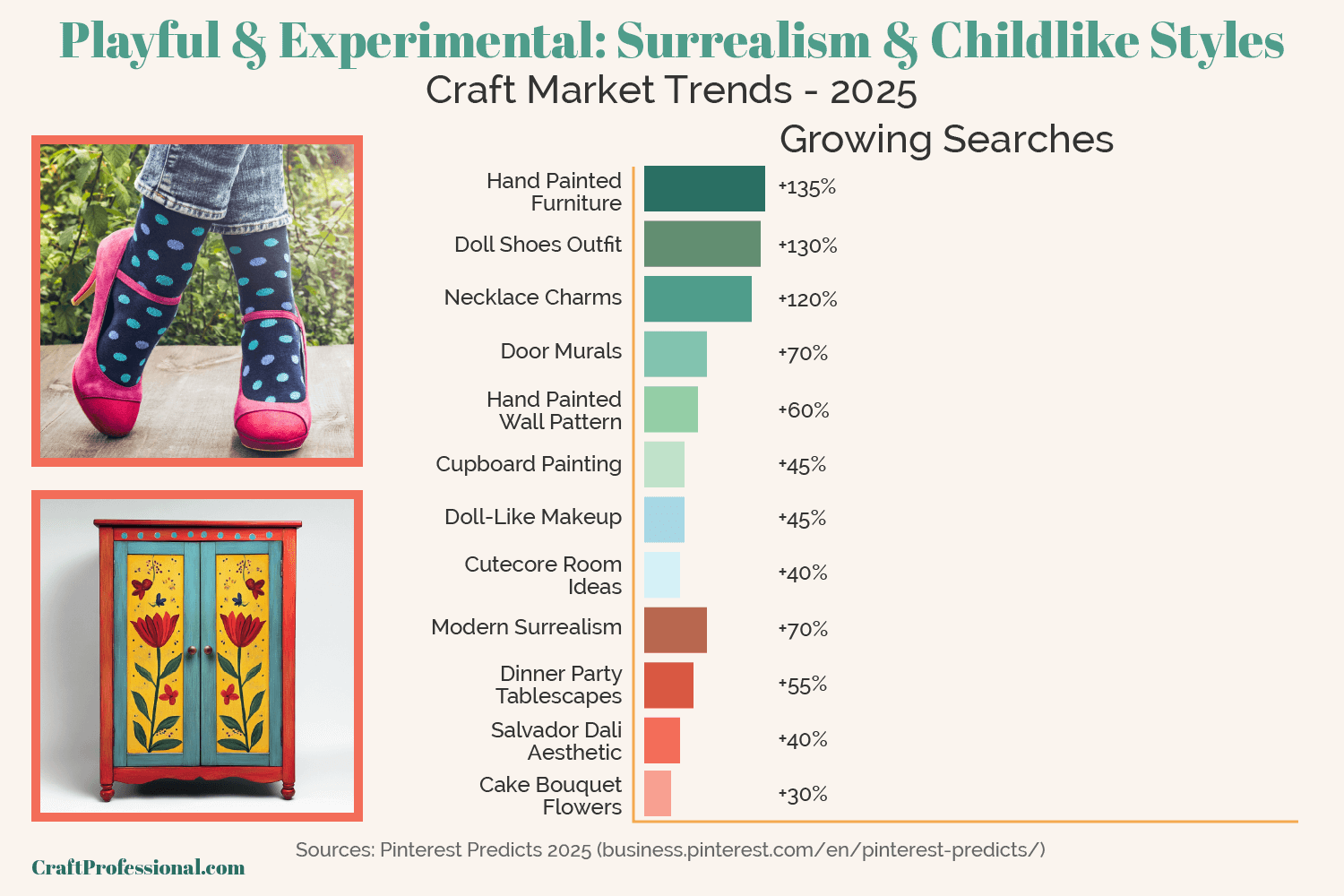
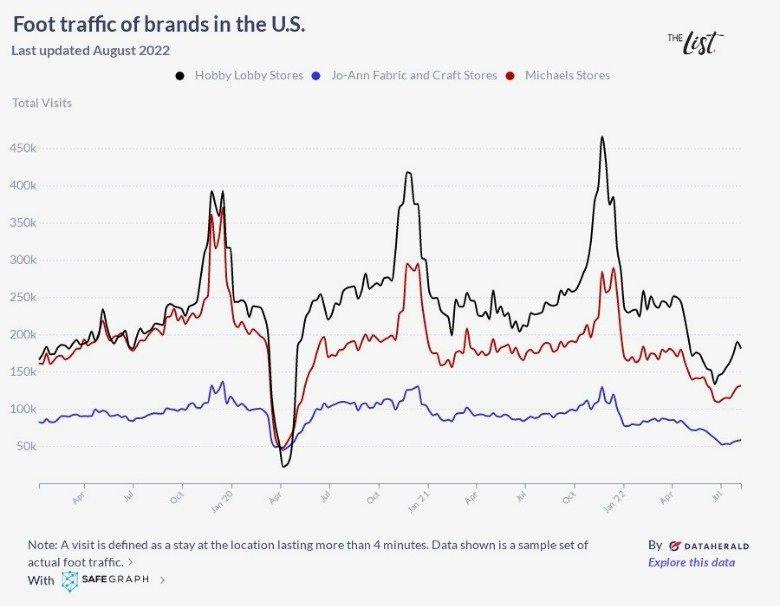
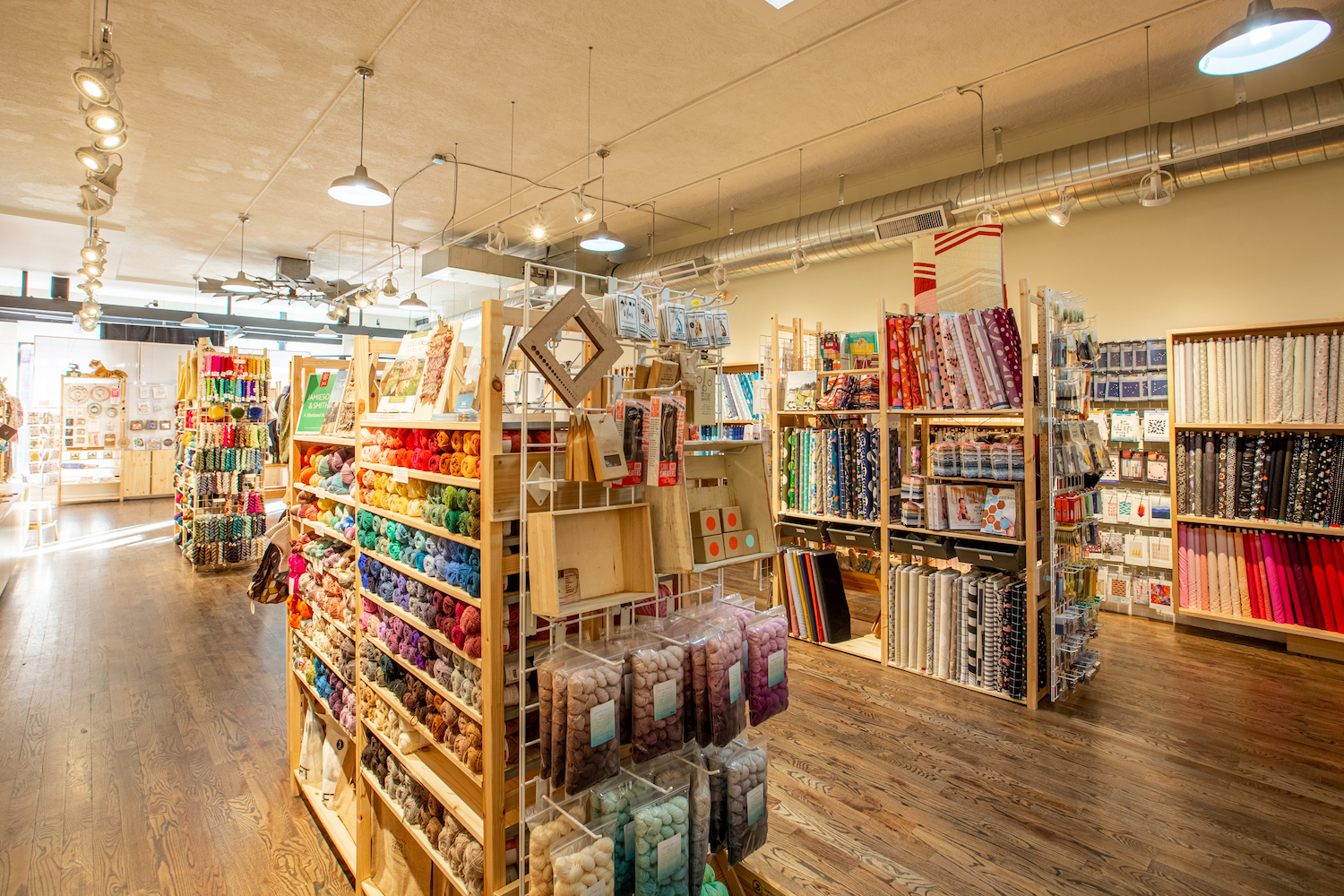
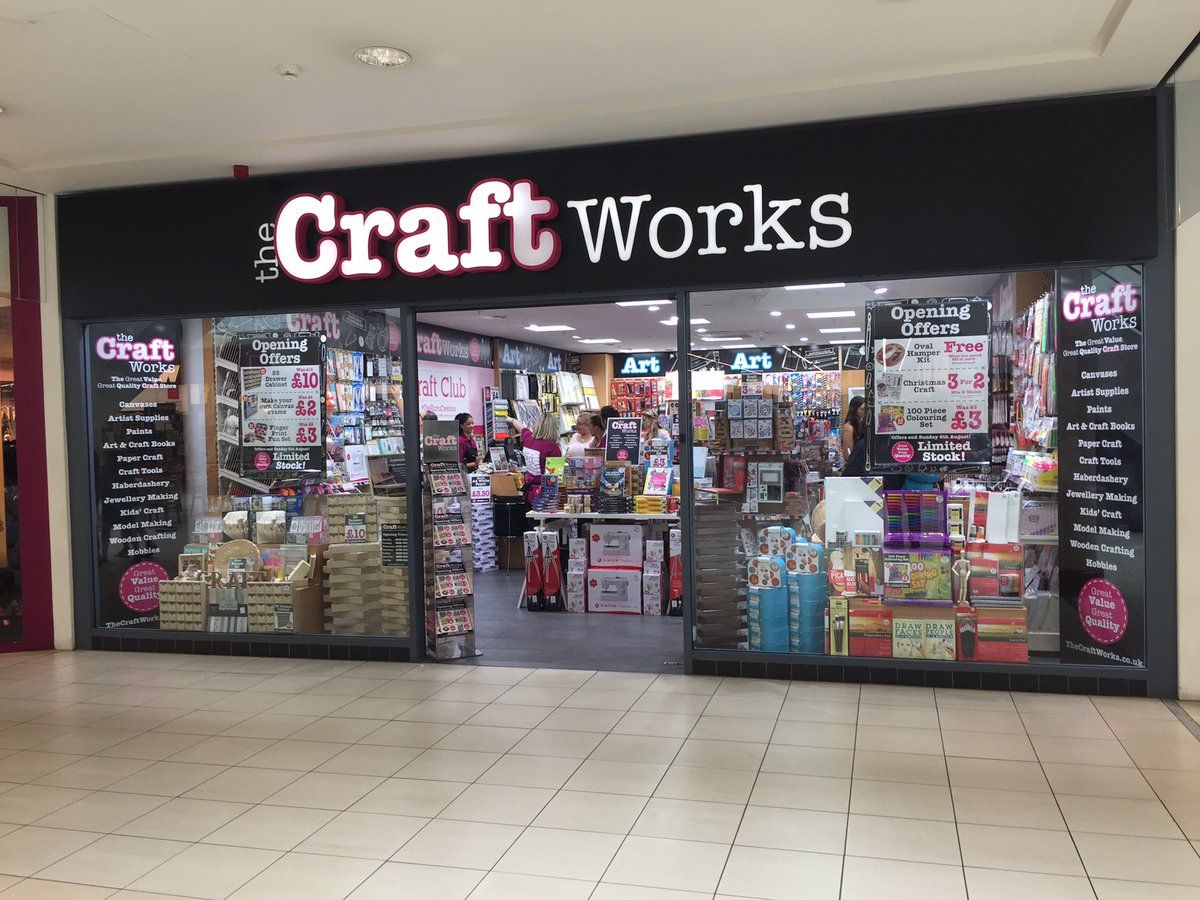
The fluorescent hum of a big-box retail aisle used to be an uninspired place, a maze of Styrofoam balls and generic acrylic paints geared toward elementary school dioramas. Walk down those same aisles today, or peer into the backend inventory dashboards of commercial supply giants and independent boutique yarn shops alike, and you will notice a striking transformation. The inventory turnover rates, the sudden spikes in specialty roving wool, and the digital search logs tell a compelling story. People are not just crafting to pass the time; they are systematically re-engineering their leisure lives around tactile, deliberate, and deeply personal projects.
Behind this shift sits a staggering macro-economic reality. Recent data from the craft and hobby sector indicates that a remarkable 73 percent of U.S. adults participated in a crafting project over the past year. Far from being a fleeting pandemic-era distraction, this hands-on renaissance has solidified into a permanent lifestyle shift. Driving this movement are younger demographics—specifically Millennials and Gen Z—who are actively rejecting mass-produced uniformity in favor of slow-made, highly customized goods. When we look closely at what these makers are pulling off the shelves and dropping into their digital shopping carts, a fascinating blueprint of contemporary creativity emerges.
This surge in hand-crafted enterprise operates against a backdrop of economic pressure and digital fatigue. When the world feels hyper-accelerated and algorithmically curated, the human brain craves the grounded reality of physical materials. Retail data confirms that while total consumer spending fluctuates across other retail sectors, the $52.9 billion crafting market remains remarkably resilient. Makers are channeling their discretionary income away from passive consumption and directly into raw supplies. They want to know the provenance of their materials, whether it is ethically sourced alpaca wool, heritage seed beads, or raw polymer clay.
The numbers captured by supply chains and marketplace platforms do not lie. They expose a maker community that is simultaneously nostalgic and forward-thinking, leaning into historical textile arts while integrating modern digital tools for design and distribution. Understanding these data points allows us to see precisely which projects are keeping studio lights on late into the night and reshaping the contours of modern creative expression.
Decoding the Supply Chain Signals Behind the New Maker Economy
To understand what makers are building, we first have to examine what they are buying. Commercial supply analytics show a massive redistribution of capital away from traditional scrapbooking and general craft kits toward specialized, high-skill raw materials. Rotational inventory data from major distributors highlights a double-digit year-over-year increase in natural fibers, raw metal-smithing components, and specialized garment-construction tools. Makers are no longer satisfied with assembling pre-cut wooden signs; they are purchasing raw lumber, joinery hardware, and precision carving tools to build heirloom-quality furniture from scratch.
This pivot toward technical mastery is reflected in demographic shifts. Gen Z participation in the craft sector has grown by roughly 25 percent over the past several years, bringing a fresh, fearless approach to complex mediums like punch needle rug hooking, intricate bead-weaving, and natural garment dyeing. These younger makers treat craft stores not as sources for weekend party decorations, but as supply warehouses for sustainable living. They are spinning their own yarn from raw fleece, fermenting indigo vats in their backyards, and utilizing digital patterns downloaded from independent designers on global platforms.
Simultaneously, older demographics continue to anchor the market with high-volume purchases of traditional mediums. However, even these categories are evolving. Quilting and sewing enthusiasts are shifting toward modern, geometric improv piecing rather than strict traditional patterns, reflecting a broader cultural desire to break free from rigid constraints. Craft store point-of-sale data shows that rotary cutters, self-healing mats, and high-end sewing machine maintenance kits are flying off shelves faster than novelty cotton prints. The message encoded in these transactions is clear: makers are investing in longevity, precision, and skill acquisition.
This demand for authenticity has forced local independent craft shops and massive corporate suppliers alike to drastically alter their inventory curation. Buyers want transparency regarding material sourcing. They ask about organic cotton certifications, cruelty-free wool standards, and lead-free metals. Retailers who fail to provide this metadata find their shelves gathering dust, while those who transparently market the story behind the supply watch their inventory turn over within days. The modern craft store is no longer just a retail space; it is an archive of material culture in real time.
The Dominance of Wearable Art and Sustainable Textile Crafts
When analyzing global sales metrics, one category consistently outperforms all others: wearable art and textile accessories. Statista data reveals that jewelry and fashion accessories capture roughly 38 percent of global craft sales, a clear indicator that makers want to create objects that interact directly with the world. But this is not the plastic-bead jewelry of the early 2000s. Current retail trends point toward sophisticated bead-weaving, precious metal clay shaping, wire-wrapping with raw crystals, and upcycled fashion construction. Makers are crafting statement pieces that serve as wearable expressions of identity.
Textile arts have experienced a parallel renaissance, driven heavily by environmental concerns and the anti-fast-fashion movement. Knitting, crocheting, and weaving supplies have seen sustained demand spikes, particularly for luxury animal fibers like merino, silk, cashmere, and mohair blends. Consumers are acutely aware of the ecological devastation wrought by industrial garment manufacturing, turning hand-knit sweaters and crocheted cardigans into acts of quiet rebellion. Craft store data shows a distinct rise in the purchase of mending supplies—visible-mending threads, sashiko needles, and wool patches—proving that the modern maker is just as focused on preserving existing garments as they are on creating new ones from scratch.
Beyond garments, fiber artists are heavily exploring home decor textiles. Tufting guns and Monks cloth have transitioned from niche internet curiosities to mainstream stock items, with tufting frame kits selling out consistently across online marketplaces and specialty stores. Makers are spending hours designing, projecting, and shooting yarn through fabric backings to create custom rugs and wall hangings that reflect their personal aesthetic. This tactile engagement with heavy textures provides an irreplaceable sensory grounding that digital screens simply cannot replicate.
The intersection of technology and textile craft has also created entirely new sub-categories of popular projects. Digital embroidery machines and smart cutting tools have opened up new avenues for custom apparel customization. Yet, even as digital tools integrate into the workflow, the core labor remains intensely human. Makers use software to map out complex cross-stitch portraits or vector files for leather-tooling, but the actual execution relies on steady hands, patience, and hours of focused manual concentration.
A Practical Blueprint for Sourcing and Launching High-Demand Craft Projects
Translating raw supply data into successful, engaging handmade projects requires a systematic approach. Whether you are a hobbyist looking for your next obsession or a maker preparing inventory for seasonal markets, aligning your creative output with proven market demand ensures your time and capital are well-spent.
- Step 1 (Analyze Material Trends): Review current supply chain reports and top-selling categories to identify which raw materials are experiencing high turnover, such as sustainable natural fibers or specialized jewelry findings.
- Step 2 (Define Your Niche and Skill Level): Select a specific project type that balances your current technical proficiency with a slight stretch goal, ensuring the final piece offers high perceived value and unique artistic flair.
- Step 3 (Source Ethical and Quality Supplies): Purchase your materials from reputable suppliers who provide transparent information regarding material origins, environmental impact, and fair labor standards.
- Step 4 (Document the Creative Process): Capture high-quality process photos and short-form video clips while you work, as modern consumers heavily value transparency and storytelling behind handmade items.
- Step 5 (Evaluate and Iterate Based on Response): Test your finished projects within digital maker communities or local craft fairs, closely tracking customer feedback and pricing thresholds to refine your next creative batch.
Executing this methodology transforms crafting from an isolated hobby into an intentional creative practice. By paying attention to what materials are gaining traction, makers can avoid wasting time on saturated, low-interest projects and instead focus their energy where creative fulfillment and community interest intersect. The key is treating the planning phase with the same care and curiosity as the physical execution of the project itself.
Navigating the Hidden Pitfalls of Modern Crafting and Production
Even with the best data and intentions, makers often stumble into common traps that drain their energy and diminish their creative joy. Recognizing these obstacles early on saves countless hours of frustration and prevents financial burnout.
- Pitfall 1 (Chasing Ephemeral Micro-Trends): Leaping blindly onto every viral social media craft trend often leaves you with expensive, specialized supplies for a project you lose interest in a week later. Workaround: Cross-reference viral trends with year-over-year retail stability data to invest only in trends with proven long-term momentum.
- Pitfall 2 (Underestimating Material Costs): Pricing your handmade work without accurately factoring in the cost of high-grade raw materials and your dedicated labor hours leads to rapid financial exhaustion. Workaround: Use a strict formula that multiplies material costs by three while establishing a fair hourly wage for your specialized skill set.
- Pitfall 3 (Sacrificing Quality for Speed): Rushing through complex projects like garment construction or fine metalwork to keep up with online output pressure inevitably results in compromised structural integrity. Workaround: Implement strict quality checkpoints at each stage of creation, allowing yourself permission to slow down and unpick mistakes.
- Pitfall 4 (Isolating Your Creative Process): Operating entirely within a vacuum without sharing work-in-progress milestones or seeking peer feedback can lead to creative stagnation and lost market alignment. Workaround: Join local maker guilds, online critique circles, or collaborative studio spaces to keep your perspective fresh and grounded.
- Pitfall 5 (Ignoring Ergonomic Health): Pushing through intense hand, wrist, or back strain during long crafting sessions can cause repetitive strain injuries that permanently halt your ability to create. Workaround: Invest in ergonomic tools, proper lighting, adjustable seating, and mandatory movement breaks every forty-five minutes.
Navigating these challenges requires a disciplined mindset. Crafting is ultimately an act of patience and self-care; allowing production pressure to override physical well-being or creative passion defeats its primary purpose. By acknowledging these common missteps, makers can build sustainable creative habits that endure for decades.
The Broader Economic and Cultural Value of the Modern Maker Movement
The resurgence of crafting is not merely a retail anomaly; it represents a profound cultural correction. For decades, globalized consumer capitalism conditioned populations to view themselves strictly as end-users—passive recipients of disposable goods manufactured overseas in opaque conditions. The modern maker movement systematically dismantles this paradigm. When a consumer spends their weekend learning how to natural-dye silk using avocado pits or hammering raw brass into custom earrings, they are reclaiming agency over their material environment.
Economically, the handmade sector functions as a vital decentralized network. Independent makers, local yarn shops, boutique tool manufacturers, and workshop educators form a resilient micro-economy that circulates capital within local communities. Data from insurance and small business trend reports highlights that creative entrepreneurs are launching micro-businesses at a remarkable pace, utilizing digital platforms to reach global audiences while maintaining personal, direct relationships with their clientele. This direct-to-consumer model fosters a deep sense of mutual respect between creator and buyer, turning commercial transactions into meaningful human connections.
Furthermore, the psychological and emotional value of crafting cannot be overstated. In an era marked by digital overload and generalized anxiety, the repetitive, rhythmic actions of stitching, carving, throwing clay, or drafting patterns act as a powerful form of mindfulness. Neurological studies consistently show that tactile creation lowers cortisol levels and engages the brain’s reward centers through the release of dopamine. Makers are essentially prescribing themselves tactile therapy, using physical materials to process stress and anchor themselves in the present moment.
This cultural shift also places sustainability at the forefront of creative expression. Makers are acutely conscious of waste. Scrap fabrics are turned into patchwork quilts; leftover yarn ends are woven into scrappy wall hangings; broken ceramics are repaired using the Japanese art of kintsugi. This ethos of repair, reuse, and reverence for materials stands in stark opposition to the disposable consumer culture that dominated the late twentieth century. By valuing the time, labor, and resources required to make an object, makers are inadvertently teaching society how to value the earth itself.
Strategic Frameworks for Sustaining Long-Term Creative Growth
Sustaining a lifelong passion for making requires more than just raw enthusiasm; it demands deliberate structural frameworks that protect your creative energy and foster continuous learning. Whether you view your craft as a meditative personal practice or an emerging micro-business, implementing organized habits ensures that your creative well never runs dry.
First, establish a dedicated creative sanctuary. Data on hobby retention consistently shows that makers who have a permanent, designated workspace—even if it is just a corner of a room with a reliable table and good lighting—are three times more likely to craft consistently than those who must pack away their supplies after every session. Elimination of friction is the single greatest catalyst for creative output. When your sewing machine is threaded and waiting, or your workbench is clear and illuminated, the psychological barrier to starting vanishes.
Second, commit to continuous skill diversification. Do not allow yourself to remain trapped in endless loops of producing the exact same item simply because it sells well or feels comfortable. Dedicate at least twenty percent of your crafting time to learning a completely new technique—such as taking a natural-dye workshop, experimenting with resin casting, or learning advanced embroidery stitches. This cross-pollination of skills invariably feeds back into your primary work, sparking innovative design ideas that set your handmade projects apart in a crowded marketplace.
Finally, engage actively with your local and digital creative communities. Share your failures just as readily as your finished triumphs. The vulnerability of admitting a botched dye bath or an unraveled sweater builds authentic connections with fellow makers who can offer technical advice, moral support, and shared laughter. Craft store data, trend reports, and market statistics can tell you what is selling, but only human community can tell you why we keep making.
The data captured across the contemporary craft and hobby sector paints an inspiring, highly optimistic portrait of modern makers. We are living through a golden age of tactile reclamation, where millions of people are actively choosing to slow down, pick up raw materials, and build things with their own hands. From the surging popularity of sustainable textile arts to the sophisticated modernization of jewelry crafting, the projects inspiring makers right now share a common thread: they demand patience, reward skill, and reject mass-produced mediocrity.
As we look toward the future of the maker economy, one thing remains certain. No matter how advanced digital technology or artificial intelligence becomes, it will never replicate the profound human satisfaction of shaping physical matter into something useful, beautiful, and enduring. The craft store shelves of today are stocked with raw potential, waiting for imaginative hands to transform them.
Your next project is already waiting on that workbench. Clear a space, gather your materials, and begin.